

You stand in front of a freshly vacated chair at an outdoor café. On the table sits an untouched, warm cup of tea and a newspaper left wide open to a single headline. Nearby tables are bustling, but this empty seat draws every eye. You lift your camera. If you snap this frame, are you photographing a piece of wooden furniture, or are you photographing the sudden departure, the urgency, or the solitude of the person who just left?
Most photographers spend years trying to capture more—more action, sharper subjects, brighter colors, and louder moments. But some of the most powerful photographs in history succeed because of what is missing. When you learn to make absence the hero of your image, you stop recording scenes and start invoking imagination.
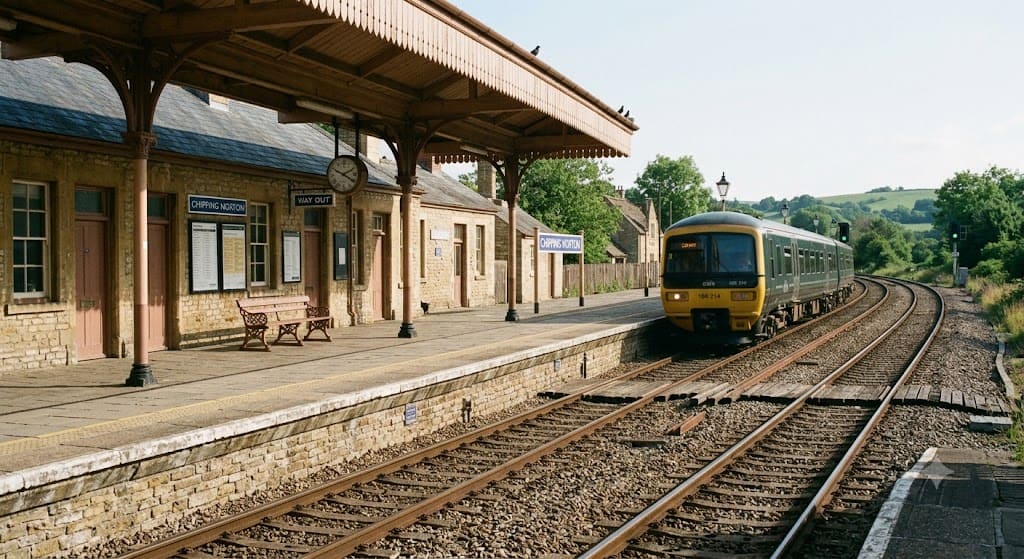
This guide will teach you how to turn empty spaces, missing subjects, and unfulfilled expectations into strong, compelling visual stories.
What Is Absence in Photography?
In photography, absence occurs when a missing person, object, or action becomes the primary focus and emotional center of an image. Instead of showing the viewer the direct subject, you show the visual evidence, context, or void left behind.
Absence is not simply blank space or a mistake where you missed the action.
- What it is: A deliberate compositional choice where an empty space, shadow, imprint, or leftover object clearly implies a narrative or a person.
- What it is not: An empty landscape without purpose, a random out-of-focus background, or negative space used purely to balance a clean graphic frame.
For example, a photo of an empty playground swing at noon is just a playground photo. But a single swing moving violently while all others sit completely still—with no child in sight—is a photograph about absence. The moving swing forces the viewer to ask: Who was just here? Where did they go?
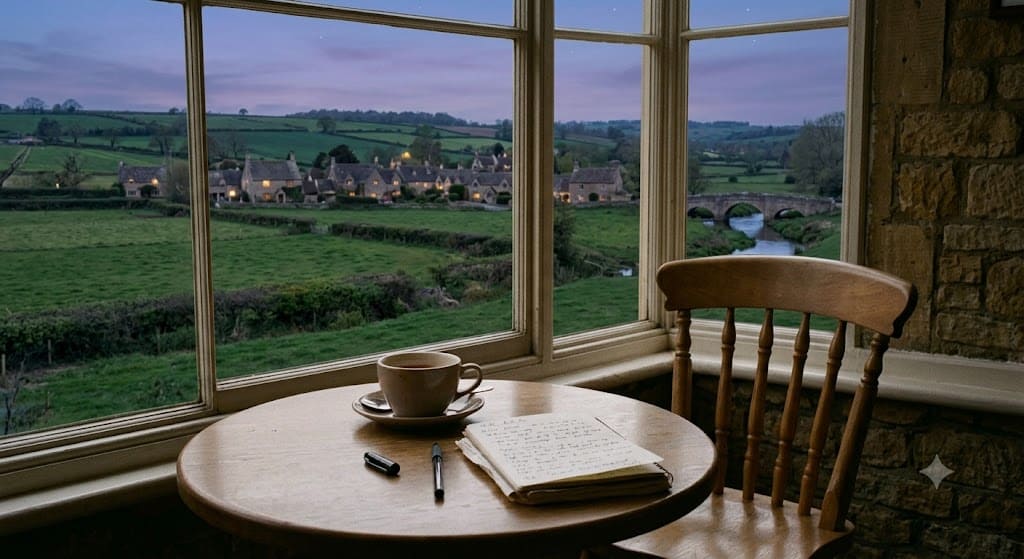
Why Does Absence Matter in Visual Storytelling?
Visual storytelling relies on engagement. When you show the viewer everything—the face, the expression, the action, and the outcome—they digest the information instantly and move on. The story is complete, closed, and static.
Absence forces active participation. When an essential element is missing from the frame, the viewer’s brain automatically fills in the blank. They supply the missing person’s emotion, the pre-existing conflict, or the expected outcome using their own imagination and memories.
A technically flawless photograph with pinpoint sharpness, rich color, and perfect exposure can leave a viewer cold if it offers no room for mystery. By leaving a void, you invite the viewer into the frame to finish the story themselves.
How Does Absence Work?
Absence relies on a psychological concept known as implied presence. The human brain is wired to search for patterns, human connections, and logic. When presented with a context that strongly demands an element that isn’t there, a tension is created.
To make absence work, your photograph needs three key components:
- The Context (The Environment): The surrounding details must clearly establish what should be there.
- The Traces (The Clues): Physical indicators left behind—a dented pillow, a shadow, footsteps in mud, or an open door.
- The Void (The Subject): The specific space where the missing element’s absence is felt most strongly.
When these three components align, the light, composition, and framing draw attention to what isn’t visible, turning silence into a strong narrative element.
How to Apply Absence When Shooting
Capturing absence requires a shift in how you walk through an environment. Instead of chasing movement, slow down and search for the quiet left behind.
- Locate the Center of Activity: Find places where human life or high energy just occurred or is about to occur (e.g., street corners, train platforms, festival grounds after hours).
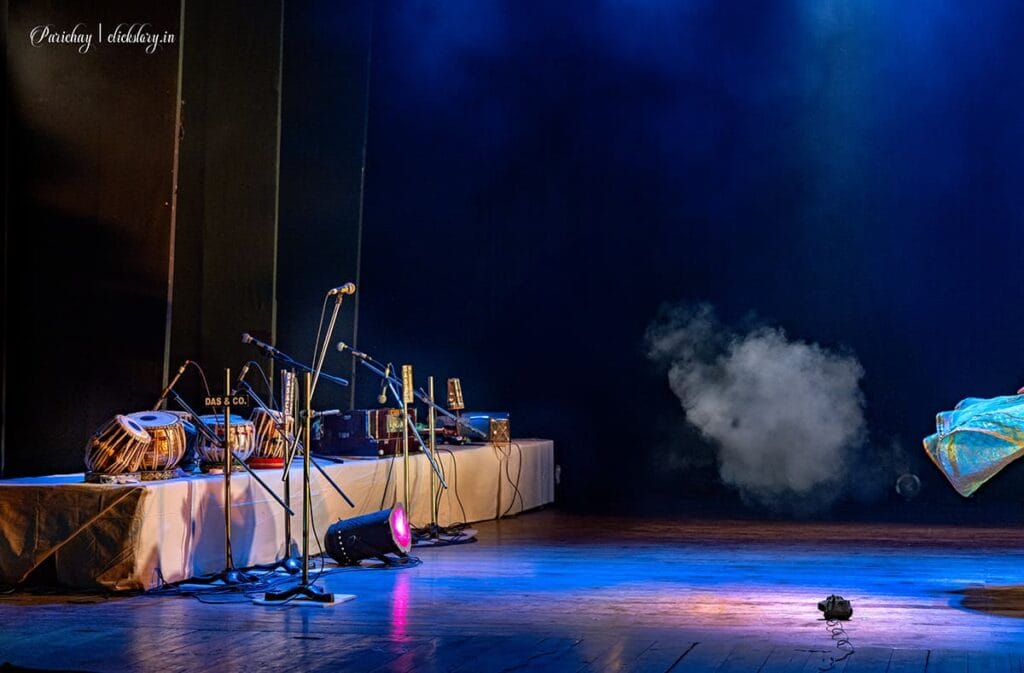
- Identify the Visual Clues: Look for objects or arrangements that suggest recent human presence—a pair of shoes left at a doorway, an unplayed instrument, a burning incense stick with no worshiper near.
- Frame the Empty Space Intentionally: Position the void using compositional rules like the rule of thirds or leading lines. Treat the empty area as if a physical person were standing there.
- Use Light to Isolate the Void: Allow a beam of sunlight or a harsh street light to illuminate the space where the subject should be.
- Wait for the Noise to Clear: Patience is key. Wait until distracting passersby leave the frame so the central absence remains uncluttered and deliberate.
- Check Your Borders: Ensure edge elements support the missing story rather than distracting from it.
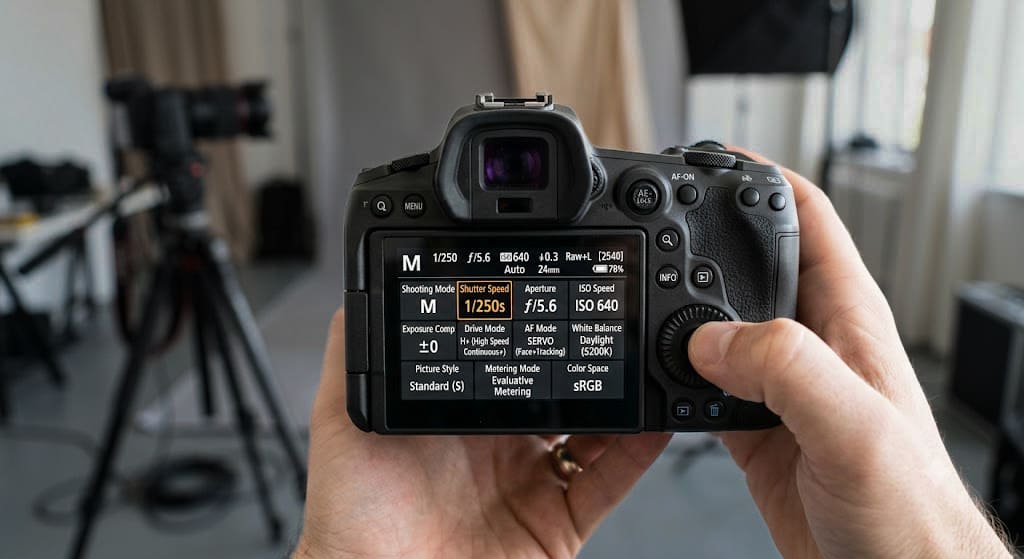
Camera Settings and Technical Considerations
While camera settings do not create the story, specific technical choices enhance the feeling of isolation and weight.
- Aperture (f/4 to f/8): Avoid shooting completely wide open (f/1.4 or f/1.8) when photographing absence. Excessively blurry backgrounds destroy the essential environment needed to explain what is missing. Use medium apertures to keep the surrounding context readable.
- Shutter Speed: A slow shutter speed (1/8 sec to 1/2 sec) can blur moving people out of a frame entirely, leaving behind ghostly trails that emphasize transience and absence in a busy location.
- Exposure Compensation: Slightly underexposing your frame (−0.7 EV to −1 EV) deepens shadows and quietens the frame, accentuating themes of loss, solitude, or mystery.
- Focusing Point: Place your focus point directly on the physical object left behind (e.g., the abandoned tea cup or the empty chair) rather than letting autofocus hunt for non-existent subjects.
Building a Stronger Visual Story
Absence shines brightest when paired with other images in a sequence or photo essay. Relying on absence for every frame in a series can feel repetitive, but placing it strategically creates visual rhythm.
- The Establishing Shot: Show a crowded, energetic space (e.g., a bustling wedding or a vibrant street market).
- The Action Shot: Focus on close interactions and busy movement.
- The Absence Shot (The Quiet Moment): Follow up high-energy images with a frame showing the space completely empty after the crowd disperses.
This contrast between presence and absence deepens the emotional weight of your entire series, providing a natural conclusion or a thoughtful pause.
Real-World Photography Examples
Scenario 1: Street Photography
- Situation: A brightly lit bus stop late at night in a rainy city.
- Photographer’s Intention: Capture the feeling of late-night urban solitude.
- What to Photograph: The glowing, empty bench with wet footprints leading away into the dark background.
- Why It Works: The footprints provide the trace; the glowing bench provides the void.
- What the Viewer Understands: Someone was just there, braving the rain, and has stepped off into the unknown.
Scenario 2: Indian Cultural Festival
- Situation: The morning after Durga Puja or Diwali celebrations.
- Photographer’s Intention: Convey the quiet transition after intense community energy.
- What to Photograph: Marigold garlands left drying on an empty wooden porch where family gatherings took place hours before.
- Why It Works: It contrasts the loud visual memory of the festival with the absolute quiet of the morning after.
- What the Viewer Understands: The celebration has ended; only memories and fragile remnants remain.
Scenario 3: Environmental Portraiture
- Situation: A traditional artisan’s workshop (e.g., a handloom weaver or potter).
- Photographer’s Intention: Show a lifelong commitment to a craft without showing the craftsperson directly.
- What to Photograph: Worn tools laying on a dust-covered workbench beside a single half-finished pot lit by window light.
- Why It Works: The wear and tear on the tools imply decades of human labor far better than a posed portrait might.
- What the Viewer Understands: A master works here daily; their absence in the frame highlights their dedication and invisible labor.
Common Mistakes Photographers Make
| Mistake | Why It Weakens the Story | How to Fix It |
| Removing all context | The viewer has no idea what is missing; the photo looks like a random mistake. | Include environmental clues that imply the missing subject. |
| Extreme shallow depth of field | Blurring the surroundings completely destroys the narrative context. | Step down to f/4 or f/5.6 so the background remains readable. |
| Cluttered compositions | Random objects in the frame distract the viewer’s eye from the intended void. | Clean up frame edges; simplify your composition. |
| Rushing the shot | Capturing partial presences (like a stray elbow or foot) ruins the deliberate feel of absence. | Wait patiently until the frame is completely clear of unwanted subjects. |
| Relying on post-processing removal | Using AI content-aware tools to erase people often leaves awkward, unnatural visual artifacts. | Frame absence naturally in-camera using timing and perspective. |
| Lacking clear intention | An empty space with no emotional resonance or clues is just a boring photo. | Ask yourself: “Does this empty space evoke a specific question or feeling?” |
How to Improve Weak Results
- If the photograph looks beautiful but says nothing: Simplify your composition. Remove distracting colorful elements and focus tightly on the single object that implies the human presence.
- If the viewer doesn’t understand the context: Widen your focal length (e.g., switch from a 85mm to a 35mm) to reveal more of the surrounding environment.
- If the story feels emotionally flat: Adjust your light. Shoot during low-angle golden hour or use harsh directional shadows to add drama and mood to the empty space.
- If every image in your project feels disconnected: Pair your shots of absence directly with shots of high activity to create visual contrast.
Creative Ways to Use Absence
- Visual Metaphor: Use empty birdcages, open gates, or unread letters to symbolize freedom, loss, or broken communication.
- Juxtaposition: Frame a massive, crowded billboard advertisement showing happy people right next to a completely deserted, derelict street corner.
- Shadows and Reflections: Photograph the shadow or reflection of a person walking past a wall without including the actual physical person in the frame.
- Negative Space Minimalism: Push the void to the extreme by filling 90% of your frame with flat wall, sky, or fog, placing your tiny clue of presence in a far corner.
Absence in Contemporary Photography
In an age saturated with hyper-edited, high-energy short video clips and polished social media feeds, authentic quietness stands out. Modern documentary and street photographers frequently use absence to comment on themes like urban isolation, digital detachment, and changing cultural landscapes.
Ethically, capturing absence allows storytellers to address sensitive topics—such as displacement, migration, or grief—without exploiting human suffering or compromising personal privacy. By focusing on the space left behind, the photographer honors the dignity of the subject while delivering a powerful message.
How Photo Critics Analyze Absence
When evaluating an image based on absence, photography critics look beyond technical parameters and ask:
- What is actively missing from this frame, and why did the photographer choose to exclude it?
- How do the physical clues left in the environment guide the viewer’s emotional response?
- Does the composition isolate the empty space, or does it feel accidental?
- Is the image self-sustaining, or does it rely heavily on a caption to explain the missing element?
- Whose story is implied in the empty space?
Practical Exercise: Create Your Own Visual Story
Objective: Learn to see and frame implied presence using a single environment.
- Location: A local public space after hours (e.g., a quiet market street after closing, an empty classroom, or a neighborhood park at dusk).
- Time: 1 Hour.
- Equipment: Any camera or smartphone (fixed focal length preferred, e.g., 35mm equivalent).
Rules:
- No human faces or full bodies allowed in any frame.
- Every photograph must clearly imply human activity or emotion.
- You must keep your aperture fixed at f/4 or f/5.6.
- No heavy cropping or object removal in post-processing.
Shooting Task: Photograph 5 distinct “traces” of human activity that tell a clear story about what happened in that space earlier in the day.
Final Output: Select your 3 strongest images and sequence them:
- Image 1: The Context (Wide shot of the empty environment).
- Image 2: The Trace (Medium shot of an object left behind).
- Image 3: The Void (Close-up detailing wear, emotion, or impact).
Reflection Questions:
- Does a viewer who wasn’t there understand what happened in this space?
- Which of the three photographs creates the strongest emotional response?
- Is there any distracting element that breaks the illusion of quiet absence?
Final Thought
Great photography is as much about subtraction as it is about addition. When you remove the obvious subject from your frame, you make room for the viewer’s imagination, turning a simple photograph into an enduring story. The next time you encounter an empty chair, a deserted path, or a quiet room after an event, don’t walk away searching for action—step closer and photograph the silence.
Frequently Asked Questions (FAQ)
Q1: Is absence in photography the same as negative space? No. Negative space is a composition tool used to give your main subject breathing room and create balance. Absence means the missing element is the main subject of your photograph, supported by the clues surrounding it.
Q2: Can I shoot photos about absence using a smartphone? Yes. Storytelling through absence relies entirely on observation, lighting, framing, and context rather than specialized camera gear. Focus on clear framing and good lighting choices.
Q3: How do I know if an empty photo works or is just boring? Ask yourself if the scene raises a question. If an empty room provides environmental clues that make the viewer ask “Who was here?” or “What happened here?”, it works. If it gives no clues, it will likely read as a plain snapshot.
Q4: Should I use black and white or color for photographing absence? Both work well. Black and white strips away color distractions, emphasizing shadows, textures, and geometry. Color can be effective if a specific hue (like bright red flowers or a colorful discarded object) serves as the primary visual clue.
Q5: Is it okay to stage an absence photo by placing objects myself? While you can stage objects for conceptual art, finding authentic traces in real environments produces stronger documentary and street photography. True observation helps you grow faster as a storyteller.

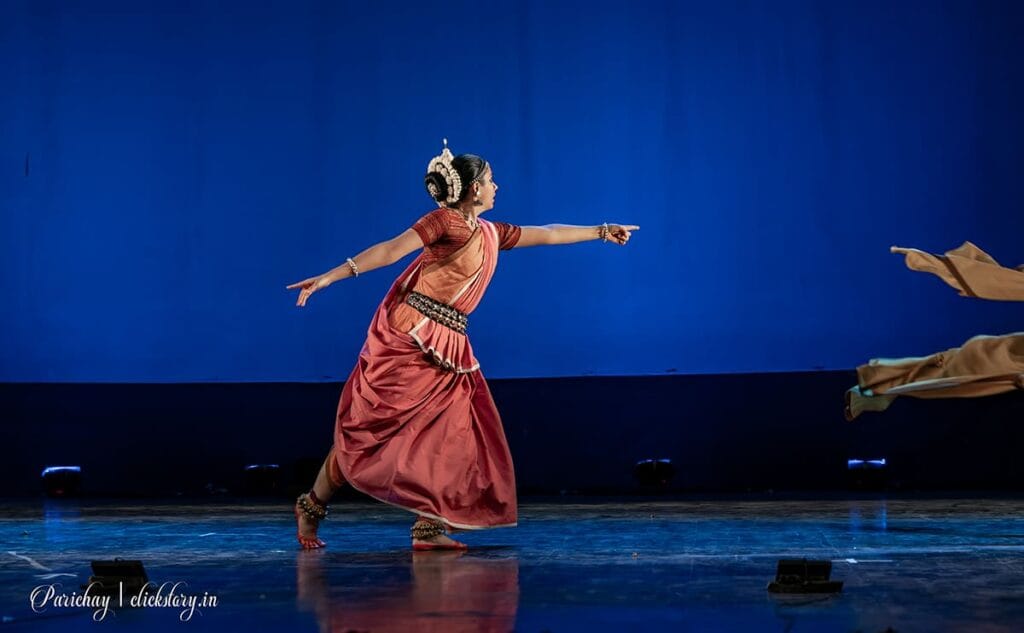
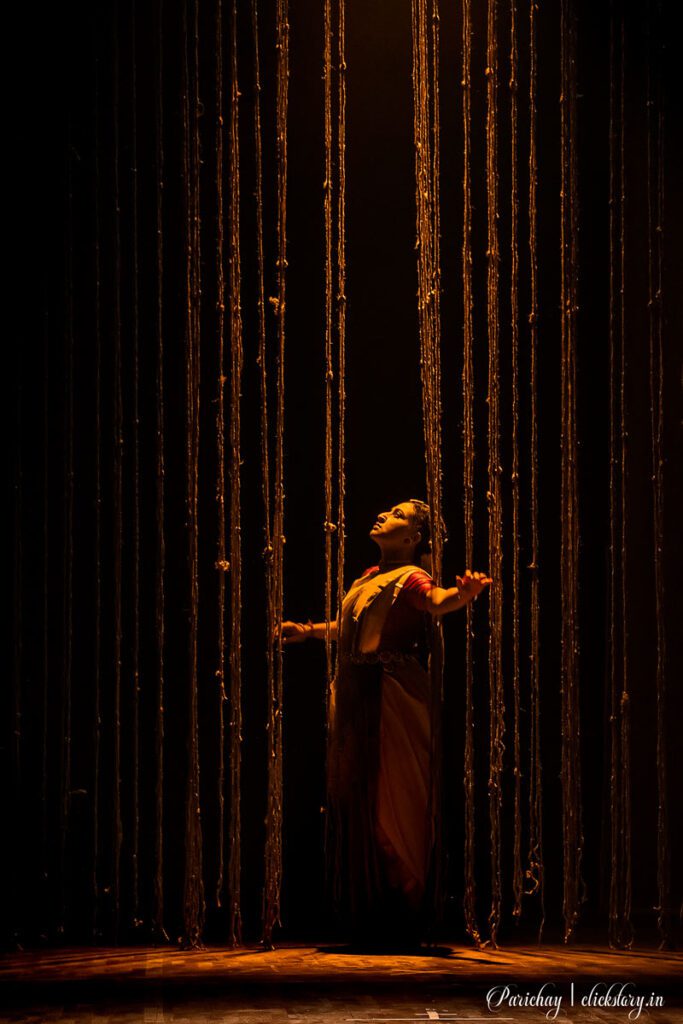
wow! a dance photographer gets a lot of these type moments.