

You stand in a crowded street market in Kolkata. The light is dropping, neon signboards glow in deep orange, and steam rises from a tea stall. A street vendor reaches across a iron kettle, handing a clay cup to an older man whose face is lined with years of hard work.
You lift your camera, set your exposure perfectly, dial in an aperture of f/1.8 to get a silky, blurred background, and frame a clean headshot of the old man smiling. The image is crisp, well-exposed, and aesthetically pleasing.
Yet when you look at it later, it feels empty. It tells the viewer that a man was smiling, but it hides everything else: the heat of the kettle, the exchange between two strangers, the geography of the market, and the atmosphere of the evening.
You took a beautiful portrait, but you did not capture the story.
Visual storytelling in photography is the intentional practice of using visual elements—light, moment, context, framing, and sequence—to communicate narrative, emotion, and meaning beyond the immediate surface details of a frame. This guide will walk you through how to shift your mindset from taking disconnected, pretty images to crafting deliberate, narrative-driven visual photographs.

What Is Visual Storytelling in Photography?
At its core, visual storytelling in photography is the art of translating a narrative—whether an event, an emotion, a relationship, or a physical journey—into a visual format that a viewer can read and interpret.
OBSERVATION ──► INTENTION ──► MOMENT ──► CONTEXT ──► SELECTION ──► SEQUENCE ──► INTERPRETATION
The Clear Definition
Visual storytelling is not simply taking a photo of something; it is making a photo about something. It relies on visual syntax—the deliberate arrangement of subjects, light, environment, and timing—to guide the viewer’s eye and mind toward an underlying narrative.

What Visual Storytelling Is NOT
- It is NOT high aesthetic production alone: A pin-sharp image with perfect color grading and smooth bokeh is an aesthetic achievement, not automatically a story.
- It is NOT staging fake moments: Adding artificial props or directing subjects to act out emotions often strips an image of its genuine narrative truth.
- It is NOT reliant on heavy captions: A strong visual story carries its primary narrative weight through the frame itself, using text only to supply specific facts like names, dates, or historical background.
Why Does Visual Storytelling Matter?
A photograph that focuses purely on aesthetics answers the question: What does this look like?
A photograph built on visual storytelling answers deeper questions: What is happening here? Why does it matter? How does this moment feel?
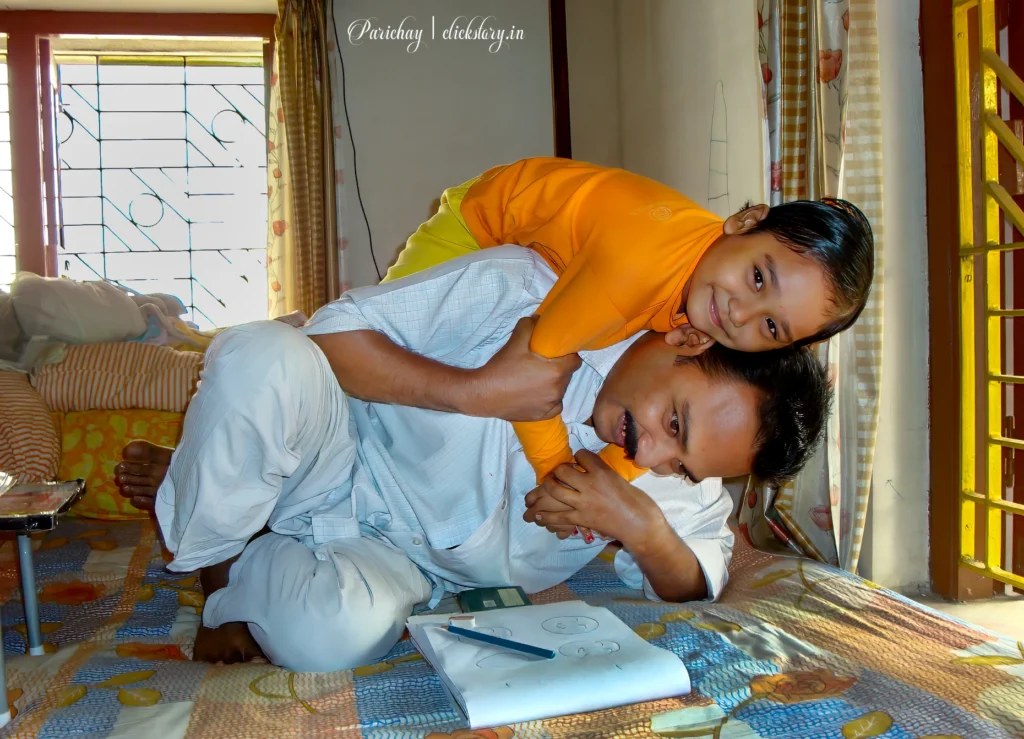
|
Aesthetic driven photo |
Story driven photo |
|---|---|
|
Focuses on visual surface appeal |
Focuses on context, tension & detail |
|
Isolates subject completely |
Retains essential environment |
|
Prioritizes tech/gear perfection |
Prioritizes truth & raw moment |
|
Answers: “What does it look like?” |
Answers: “What does it mean?” |
Without narrative intention, images become disposable visual noise. Beautiful pictures draw a quick glance on a smartphone screen, but story-driven images halt the scroll. They engage the viewer’s critical thinking, provoke empathy, and linger in memory long after the screen is turned off.
Visual storytelling bridges the gap between the photographer’s personal experience at the moment of capture and the viewer’s interpretation months or years later.
How Does Visual Storytelling Work?
Visual narrative operates on specific photographic mechanics. When these elements align, they form a clear visual language.
1. Subject and Intentional Context
The subject is your main protagonist; the context is their environment. If you isolate a cobbler using a wide-open aperture of f/1.4, you obscure his worn hands, his vintage tools, and the modest corner of the street he has occupied for thirty years. Including context provides the essential where and why of the story.
2. The Decisive Moment and Gesture
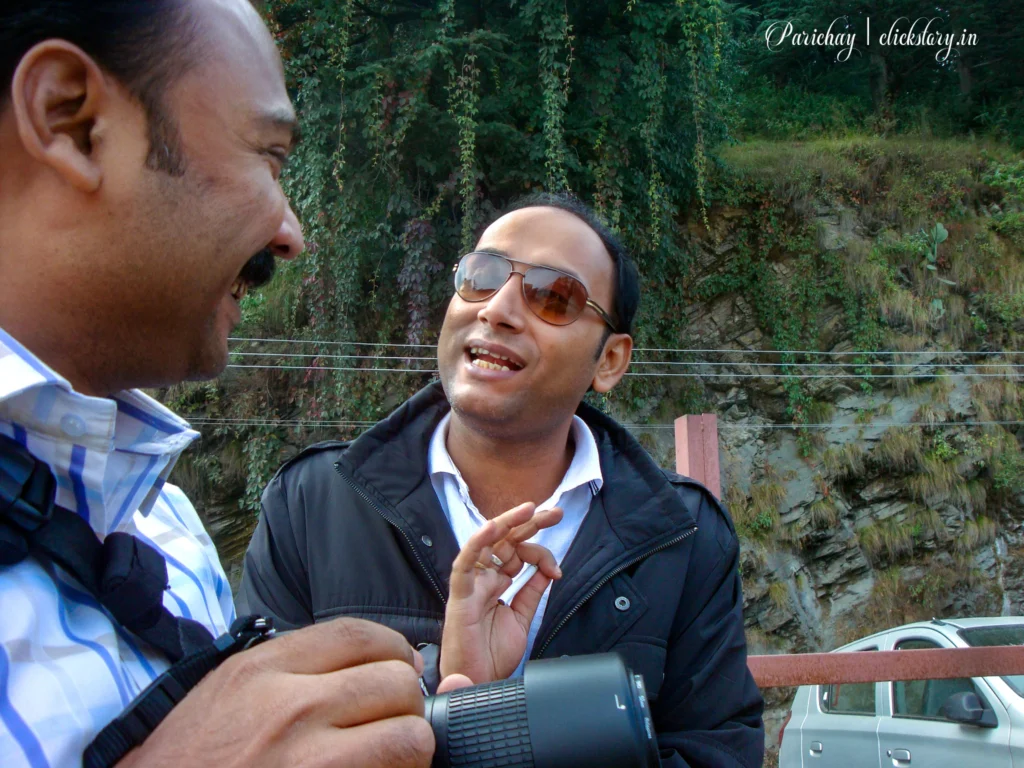
Storytelling photos live or die by micro-moments: a hand resting on a shoulder, a glance across a table, or a sudden burst of laughter. A second too early or late transforms a expressive narrative into a static record.
3. Contrast and Juxtaposition
Placing two contrasting elements within the same frame creates immediate narrative tension. Positioning a high-end luxury billboard directly behind a makeshift street cart forces the viewer to evaluate the relationship between the two elements, instantly raising questions about socioeconomic reality.
[ Foreground Element: Street Cart ]
│
(Narrative Tension)
│
[ Background Element: Luxury Billboard ]
4. Color, Light, and Shadow
Light dictates emotional tone. Harsh high-noon shadows evoke tension, heat, or isolation, while soft golden-hour illumination suggests nostalgia, calm, or warmth. Color can unify a sequence or draw attention to a critical narrative element.
How to Apply Visual Storytelling When Shooting
Moving from visual theory to active shooting requires an intentional, step-by-step workflow:
Step 1: Observe first ──► Step 2: Define core narrative ──► Step 3: Establish environment ──►
Step 4: Move closer ────► Step 5: Wait for gesture ──────► Step 6: Capture details ──►
Step 7: Check coverage ──► Step 8: Edit ruthlessly
- Observe Before Lifting the Camera: Spend five to ten minutes watching your environment. Identify the rhythms, key characters, interactions, and lighting conditions before making your first exposure.
- Define the Core Narrative: Ask yourself: What is the core story of this space right now? Is it hard work, human connection, changing traditions, or quiet solitude?
- Frame the Environment (Establishing Shot): Step back and use a wider focal length (24mm or 35mm) to show the location, scale, and atmosphere.
- Move In for Action and Interaction (Medium Shot): Step closer to focus on the active relationship between people, or between a person and their task.
- Wait for the Peak Gesture: Hold your framing steady. Wait for the exact moment when facial expressions or body language peak.
- Capture Micro-Details (Detail Shot): Move close to frame worn hands, specialized tools, weathered textures, or personal objects that add depth to the broader narrative.
- Check Your Narrative Coverage: Ensure you have varied perspectives—wide, medium, close-up—so your images work together as a cohesive set.
- Edit Ruthlessly: Eliminate redundant photos. If two images tell the exact same part of the story, delete the weaker one regardless of its technical quality.

Camera Settings and Technical Considerations
Technical choices must always serve narrative intent. Every setting you change alters how the viewer reads the scene.
- Aperture (Focal Plane Control): Opening up to f/1.8 creates subject isolation, but stopping down to f/5.6 or f/8 keeps environmental context sharp and legible. Use wide apertures intentionally to isolate, not as a default habit.
- Shutter Speed (Time Perception): A fast shutter speed (1/1000s) freezes sudden motion, capturing crisp gestures. A slower shutter speed (1/15s to 1/4s) introduces intentional motion blur, conveying speed, chaos, or the passage of time.
- Focal Length (Viewer Perspective): Telephoto lenses (85mm–200mm) compress space and distance the viewer from the scene. Prime wide-angle lenses (28mm or 35mm) force you to stand physically closer to your subject, giving the final image an intimate, embedded perspective.
- Exposure Compensation & Tone: Intentionally underexposing a high-contrast scene silhouettes your subject, shifting the story from an individual identity to a universal human symbol.
Building a Stronger Visual Story: The Sequence
Single images are powerful, but visual storytelling scales exponentially when images are built into a structured sequence or photo essay.
| THE NARRATIVE SEQUENCE | |
| 1. ESTABLISHING | Wide shot defining location, atmosphere, and scale. |
| 2. PORTRAIT | Environmental portrait introducing key subject(s). |
| 3. DETAIL | Tight macro/close-up of hands, textures, or objects. |
| 4. INTERACTION | Medium shot showing action, gesture, or work. |
| 5. CLOSING | Resolving frame that offers reflection or quietude. |
A complete visual narrative relies on structural variety:

- The Establishing Shot: Wide angle. Gives scale and establishes the setting.
- The Environmental Portrait: Shows your protagonist within their personal space.
- The Detail Shot: Close-up. Focuses on objects, textures, or hands to add intimacy.
- The Interaction / Action Shot: Shows movement, labor, or exchange between subjects.
- The Transition Shot: Bridges two distinct moments or settings.
- The Closing Shot: A quiet, reflective frame that resolves the narrative and leaves a lasting impression.
Real-World Photography Examples
Scenario 1: Street Photography at a Railway Station
- Situation: A busy platform during peak morning commute hours.
- Photographer’s Intention: Capture the contrast between urban chaos and personal isolation.
- What to Photograph: Frame a motionless passenger sitting on a bench reading a book, while blurred commuters streak past in the foreground using a 1/8s shutter speed.
- Why It Works: Slow shutter speed visually separates the still subject from the surrounding chaos.
- Viewer Understanding: The viewer immediately feels the quiet, internal bubble created by the commuter amidst the city’s frantic pace.
[ Blurred Commuters (Moving fast: 1/8s shutter) ]
|
[ Still Passenger Reading on Bench (Sharp focal point) ]
Scenario 2: Indian Cultural Festival (Durga Puja / Diwali)
- Situation: Idol artisans in Kumartuli preparing clay sculptures.
- Photographer’s Intention: Tell a story of devotion, craftsmanship, and hard physical labor.
- What to Photograph: Focus tightly on an artisan’s clay-stained hands delicately painting the eye of a deity, framed against raw straw and unfired mud.
- Why It Works: Avoids predictable wide shots of finished idols, focusing instead on the human skill behind the sacred art.
- Viewer Understanding: The viewer sees the sacred divinity grounded in human labor and tradition.
Scenario 3: Environmental Family Portrait
- Situation: An aging tailor in his small, decades-old workshop.
- Photographer’s Intention: Document a vanishing traditional profession.
- What to Photograph: Use a 35mm lens at f/5.6. Frame the tailor at his vintage sewing machine, surrounded by stacked fabrics, old framed family photos on faded walls, and natural light spilling through a single window.
- Why It Works: Keeping background elements sharp allows the environment to tell the history of the room alongside the man himself.
- Viewer Understanding: The tailor is read not just as a person, but as the living heart of a historic trade.
Common Mistakes Photographers Make
- Prioritizing Bokeh Over Context: Blurring out the entire background eliminates vital clues about location, culture, and setting.
- Shooting Exclusively at Eye Level: Standing straight up and shooting everything from standing height creates visually flat narratives. Change your height and angle to alter power dynamics.
- Spraying and Praying: Shooting hundreds of random frames hoping for a good image distracts from observing real moments as they unfold.
- Ignoring Quiet Moments: Focusing only on dramatic action misses subtle, emotional beats that bind a story together.
- Over-Editing and Heavy Filters: Heavy vignettes, exaggerated saturation, and overly stylized presets pull attention away from the real scene toward your editing software.
- The Single-Shot Trap: Expecting one frame to explain a complex human story instead of building a thoughtful sequence of complementary images.
- Over-Staging: Forcing subjects to pose naturally often destroys authentic gesture and genuine atmosphere.

How to Improve Weak Results
|
Problem |
Troubleshooting Action |
|
The photo looks nice but feels empty |
Stop down aperture; reintroduce environmental background context. |
|
The sequence feels repetitive |
Change distance: mix wide, medium and close detail frames. |
|
The narrative is confusing |
Look for clean background lines; remove distracting visual elements. |
|
Images lack emotional depth |
Lower camera, wait patiently for unposed gestures and glints of light. |
- If your photograph looks beautiful but says nothing: Stop down your lens. Bring back environmental context and focus on human interactions rather than clean visual lines.
- If your photo sequence feels monotonous: Audit your focal lengths and physical distances. Ensure you aren’t shooting every single frame from three meters away.
- If the viewer misses your main subject: Simplify your framing. Use natural light, leading lines, or geometric contrast to steer the eye directly toward the emotional core of the shot.
Creative Ways to Use Visual Storytelling
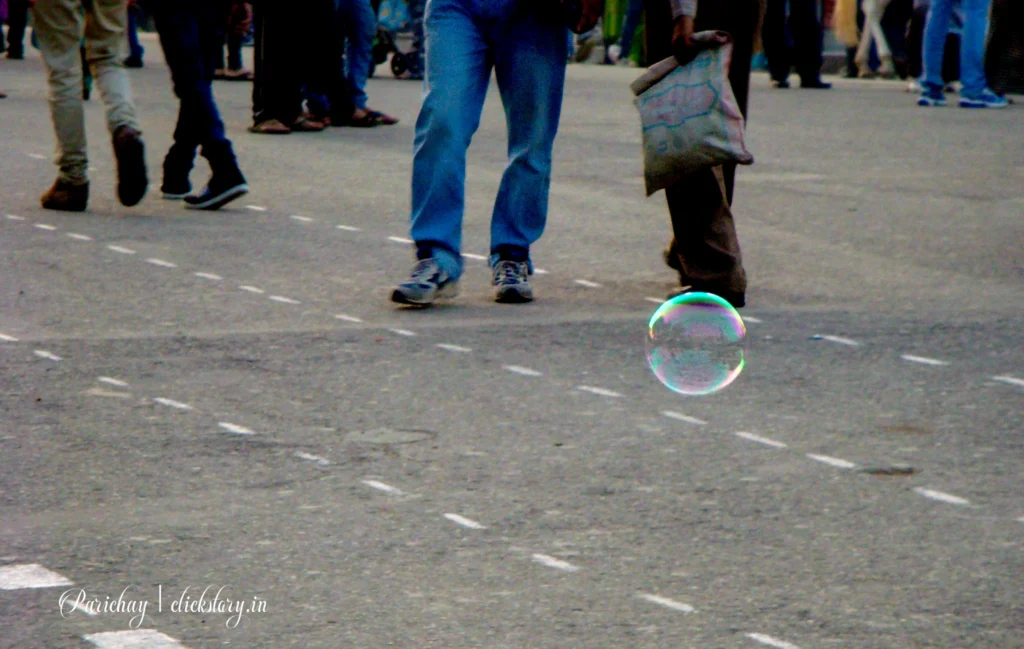
- Embracing Visual Ambiguity: Not every photo story needs a neat conclusion. Leaving key details unshown invites viewers to complete the story in their own minds.
- Using Visual Metaphors: Use physical elements to represent abstract concepts—such as a caged bird visible through a window behind a stressed worker to symbolize confinement.
- Absence as Presence: Photographing an empty desk, an unmade bed, or abandoned tools can tell a powerful human story without a single person appearing in the frame.
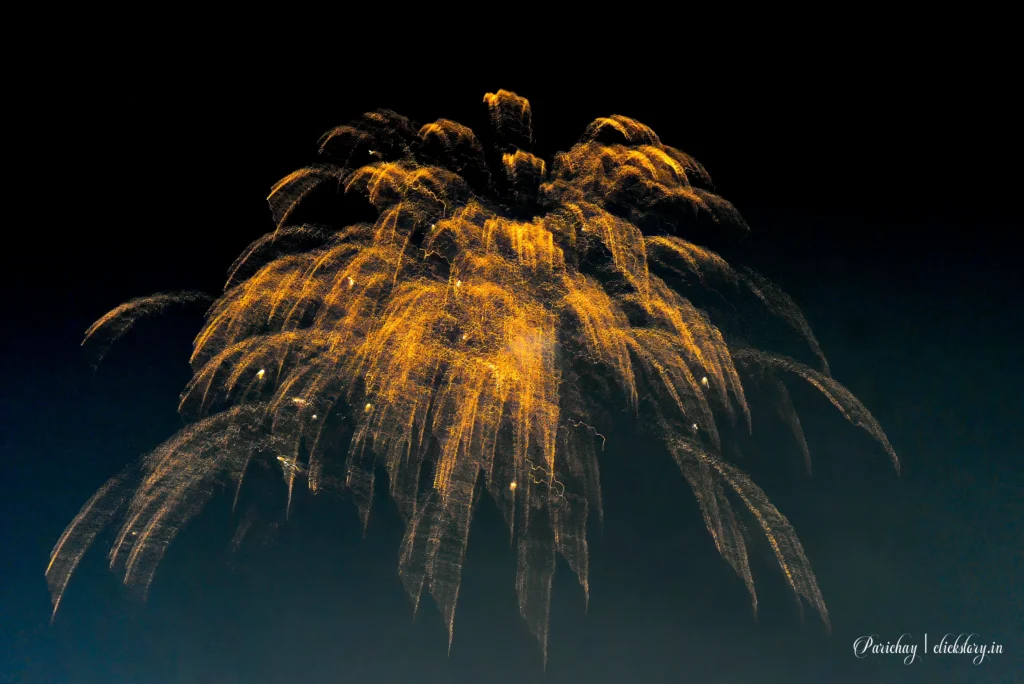
- Intentionally Breaking Rules: Introducing motion blur, heavy grain, or dark shadow silhouettes can create mood and emotional truth where technically perfect images fail.
Visual Storytelling in Documentary and Contemporary Photography
In contemporary digital culture—where AI-generated imagery and heavily filtered photos flood feeds—authentic visual storytelling is more valuable than ever.

[ Synthetic / AI Aesthetics ] ──► Focuses on perfection, gloss, hyper-cleanliness
vs.
[ Authentic Storytelling ] ──► Focuses on real moments, texture, human truth
Today’s audiences look for genuine human connection. Modern visual storytelling embraces real moments, natural imperfections, and unvarnished realities. Photographers must carefully consider representation, ethics, and truth—ensuring they honor their subjects’ dignity rather than exploiting scenes for fast visual engagement.
How Photo Critics Analyze Visual Storytelling
To sharpen your storytelling, evaluate your work using the critical framework professional curators and photo editors apply:
- Intention vs. Execution: What did the photographer set out to say, and does the final frame communicate that without relying on text?
- Inclusion and Exclusion: What crucial information did the photographer choose to keep inside the frame? What did they crop out, and how does that edit alter narrative truth?
- Power Dynamics: Is the camera looking down on the subject (evoking vulnerability) or looking up (evoking strength and authority)?
- Authenticity: Is the moment captured honest, or does it feel staged for visual impact?
- Contextual Independence: Does the image stand firmly on its visual merits, or is it completely dependent on a descriptive caption to make sense?

Practical Exercise: Create Your Own 5-Frame Visual Story
Put theory into practice with this targeted photographic assignment:
- Objective: Build a cohesive 5-frame photo essay that tells a complete story of a specific place, trade, or routine without using captions.
- Location: A local market, traditional bakery, artisan workshop, or family kitchen.
- Time Limit: 2 hours.
- Equipment: Any digital camera or smartphone. Set to a single focal length equivalent (e.g., 35mm fixed) to force physical movement.
- Rules:
- No posed or staged shots.
- No changing focal lengths—move your feet.
- Maximum 50 total shutter exposures taken during the entire session.
- Black-and-white preview mode enabled (helps focus purely on light, shape, and emotion).
- Shooting Task: Capture:
- One Establishing Shot (Wide)
- One Environmental Portrait (Medium)
- One Craft/Detail Shot (Close-up)
- One Action/Gesture Shot (Medium)
- One Resolving/Closing Shot (Wide or Detail)
- Final Output: Select and sequence exactly 5 images in order.
- Self-Reflection Questions:
- Does the sequence have a clear beginning, middle, and end?
- If I reordered the images, does the story break down?
- Which frame carries the strongest emotional weight?
- Did I rely on background blur, or did I use environmental context to tell the story?
Final Takeaway
Technique gives you clean photographs; storytelling gives those photographs life.
The next time you raise your camera to your eye, pause before pressing the shutter button. Move past the immediate surface appeal of your subject and ask yourself one fundamental question: “What is the story here, and how can my framing tell it clearly?”
Frequently Asked Questions (FAQ)
1. What is the difference between documentary photography and visual storytelling?
Documentary photography is a broad genre focused on recording real events, environments, and people accurately over time. Visual storytelling is the narrative technique used within documentary photography (and other genres like portraiture or street photography) to structure visual elements so they communicate clear meaning and emotion.
2. Can a single photograph tell a complete story?
Yes. A single image can communicate a story if it contains clear context, strong human emotion or gesture, and narrative tension (such as contrast or action). However, complex narratives often benefit from a short sequence or photo essay.
3. Do I need expensive camera gear for visual storytelling?
No. Storytelling depends on observation, light, framing, timing, and context. A smartphone camera in the hands of a thoughtful storyteller will produce a more meaningful narrative than an expensive professional camera used without intention.
4. How do I make my photos tell a story without using text captions?
Focus on including context within the frame. Use wider focal lengths to show the environment, wait for natural gestures that express emotion, capture telling details (like worn tools or personal spaces), and use contrast to highlight relationships between elements.
5. Why is context so important in storytelling photography?
Context tells the viewer where, when, and why a moment matters. Without context, an image becomes an isolated portrait or abstract shape. Retaining key environmental details gives the viewer the background clues needed to interpret the subject’s reality.
6. What is the biggest mistake beginners make in narrative photography?
The most common mistake is chasing visual aesthetics—such as ultra-blurry backgrounds or dramatic color presets—while ignoring what the frame actually communicates. Beautiful light and tech specs cannot save an image that lacks context and intention.

Lovely info. Got it. Thanks