

Storytelling through photography is more than just capturing a beautiful image—it’s about weaving emotion, context, and meaning into a single frame. When done right, it transforms an ordinary snapshot into a compelling visual narrative that draws people in.
A good photograph makes you stop and look. A great photograph makes you feel something.
The difference between a technically good image and a storytelling photograph is narrative. Just like a novel or a film, a photograph can create characters, emotions, and a plot—all in a single frame. But to do that, it takes more than pointing and shooting. It requires awareness, intention, and a few storytelling techniques.
1. Think in Stories, Not Just Scenes
Deeper Analysis:
Before you even lift the camera, step into the role of a storyteller. Ask: What’s the story behind this moment? Every strong image answers some or all of the following questions:
- Who is the subject?
- What are they doing?
- Where is it happening?
- Why is it significant?

Example:
Imagine you see a man sitting on a bench in the rain. You could just photograph the scene—but if you wait a little, maybe he opens a letter and begins to cry. Now the image holds a narrative: a man reading an emotional message in the rain. That’s a story.
Pro Tip:
Stay in observation mode. The most powerful photos often come right before or after the “main” action—like a child’s nervous inhale before blowing out birthday candles.
2. Use Composition to Guide the Viewer’s Eye
Deeper Analysis:
Composition is your visual grammar. It helps you emphasize what matters in the frame. Use it to direct the viewer toward the story, much like an author leads a reader through a plot.
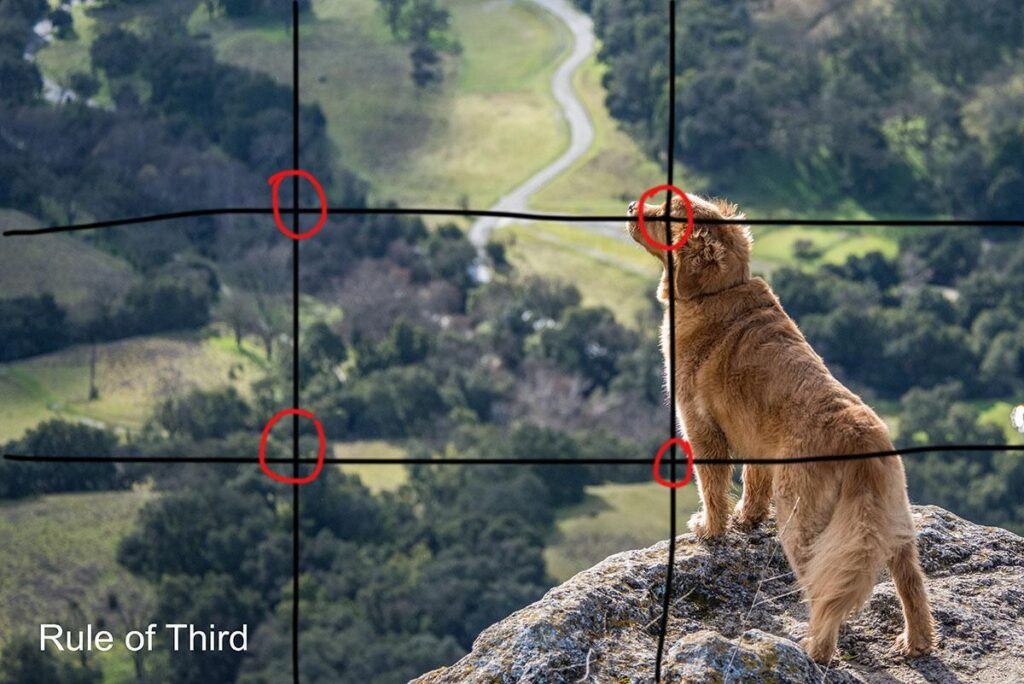
Techniques:
- Rule of Thirds: Place the subject off-center to create visual interest and tension.
- Leading Lines: Roads, fences, arms, or shadows that pull the eye toward your subject.
- Symmetry and Balance: Use repetition or contrast to highlight key elements.
Example:
In street photography, capturing a cyclist riding through a narrow alley framed by tall buildings creates natural leading lines that draw focus to the subject and the depth of the scene.
Pro Tip:
Use negative space around a subject to create a sense of isolation or loneliness. That’s especially effective in emotional storytelling.
3. Capture Emotion and Expression
Deeper Analysis:
Emotion is the heart of storytelling. A photograph with emotion connects instantly—regardless of location, context, or even quality.
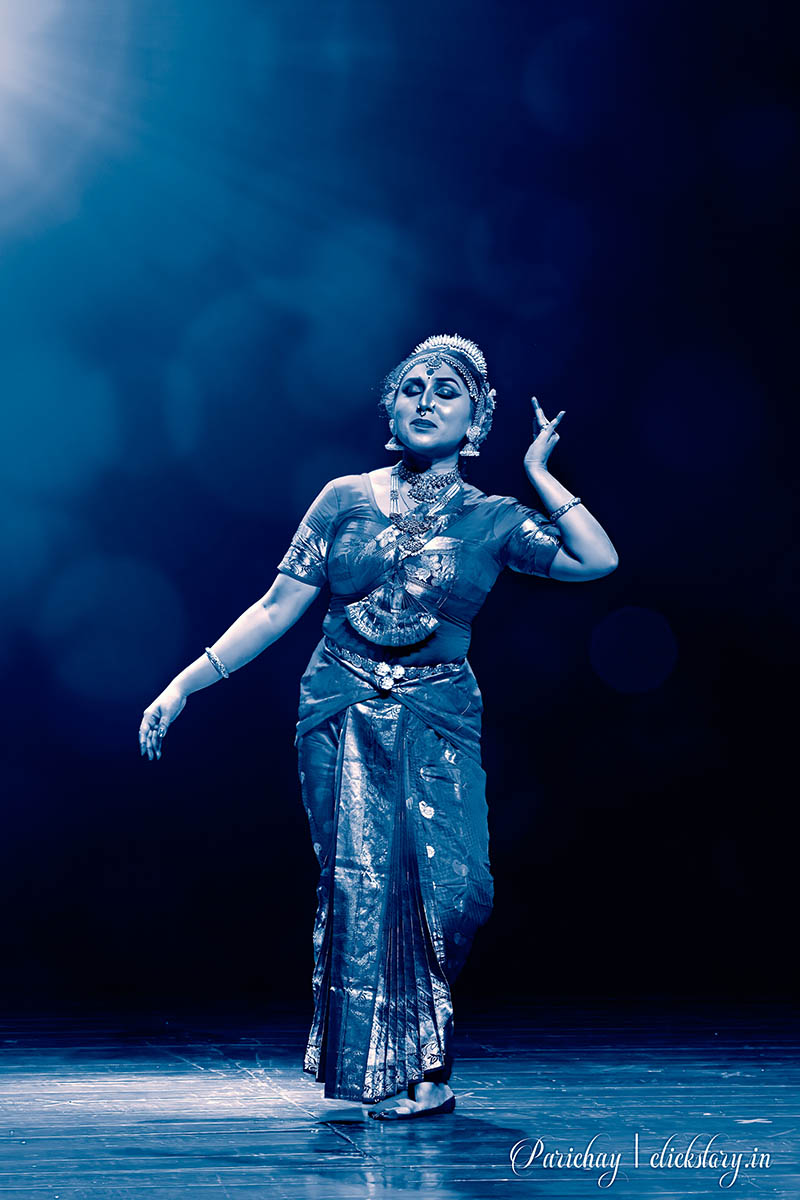
How to capture it:
- Watch facial expressions and body language.
- Anticipate reactions—joy, surprise, sadness, anxiety.
- Get close (physically or with a zoom) to highlight the emotion.
Example:
A bride gripping her father’s hand before walking down the aisle shows nervousness, excitement, and love. That photo tells a richer story than a posed portrait.
Pro Tip:
People often relax after they think the photo is taken. Keep shooting after the “main” moment—those in-between expressions are often more authentic.
4. Include Details That Add Depth
Deeper Analysis:
Details are the small stitches that hold a visual narrative together. Close-up shots of objects or gestures give context and richness.

What to look for:
- A worn wedding ring on wrinkled hands.
- Mud-caked boots at a campsite.
- A half-drunk coffee beside an empty chair.
Example:
Instead of photographing just a musician performing, take a close-up of their calloused fingers pressing the strings or the sheet music covered in notes. These details add dimension to the story.
Pro Tip:
Use a shallow depth of field (low f-stop) to isolate key storytelling details from the background.
5. Use Light and Shadow Intentionally
Deeper Analysis:
Lighting sets mood. You can use it to support the story you’re telling—whether dramatic, joyful, mysterious, or nostalgic.
Lighting moods:
- Backlight: Evokes nostalgia or dreaminess (e.g., a silhouette during sunset).
- Side light: Highlights texture and emotion (e.g., portrait with dramatic shadows).
- Low light: Conveys intimacy, tension, or solitude.
Example:
A single light source illuminating a child reading under the covers creates a scene of curiosity, imagination, and innocence.
Pro Tip:
Use natural light creatively. Window light, street lamps, and reflections can all be powerful narrative tools.
6. Experiment with Perspective
Deeper Analysis:
The angle of your shot can change the entire story. A low angle makes subjects appear powerful or intimidating; a high angle makes them look small or vulnerable.

Types of Perspective:
- Over-the-shoulder: Puts the viewer in the subject’s POV.
- Bird’s-eye view: Offers scale, like showing a tiny figure in a massive desert.
- Worm’s-eye view: Adds drama or exaggerates the scene.
Example:
Photographing a child from their eye level shows the world as they see it—which builds empathy and connection for the viewer.
Pro Tip:
Move your body. Don’t just shoot at standing height—get on the ground or climb something for a new view.
7. Include Context (Don’t Over-Isolate the Subject)
Deeper Analysis:
Where your subject is tells as much of the story as who they are. The background shouldn’t just be there—it should be meaningful.

Example:
Photographing a chef in a busy kitchen surrounded by smoke, pans, and motion tells a fuller story than an isolated headshot. It places them in their element.
Pro Tip:
Use wide shots occasionally to include more of the scene. Even in portraits, consider showing a bit of the room, the tools, or surroundings.
8. Tell a Series of Stories (Photo Essays)
Deeper Analysis:
Sometimes, one image isn’t enough. A sequence of photos can show progression, growth, or contrast. This is the visual equivalent of chapters in a book.
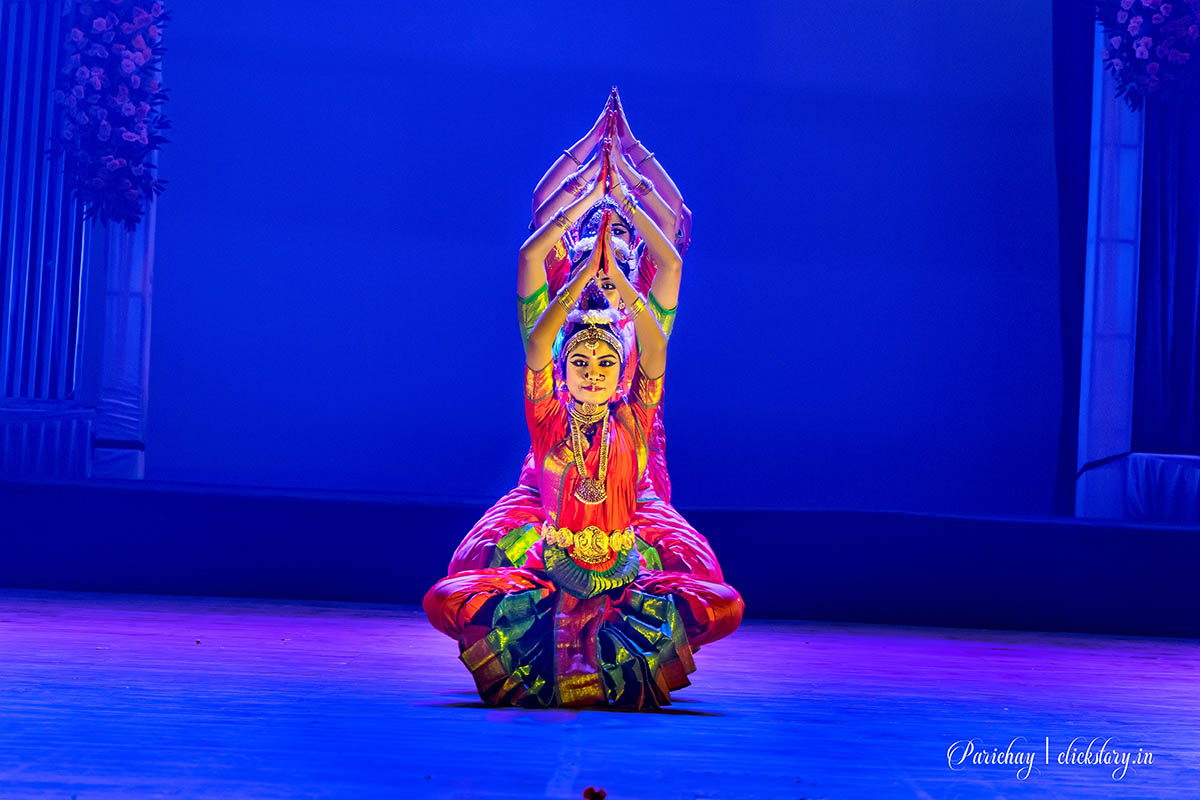

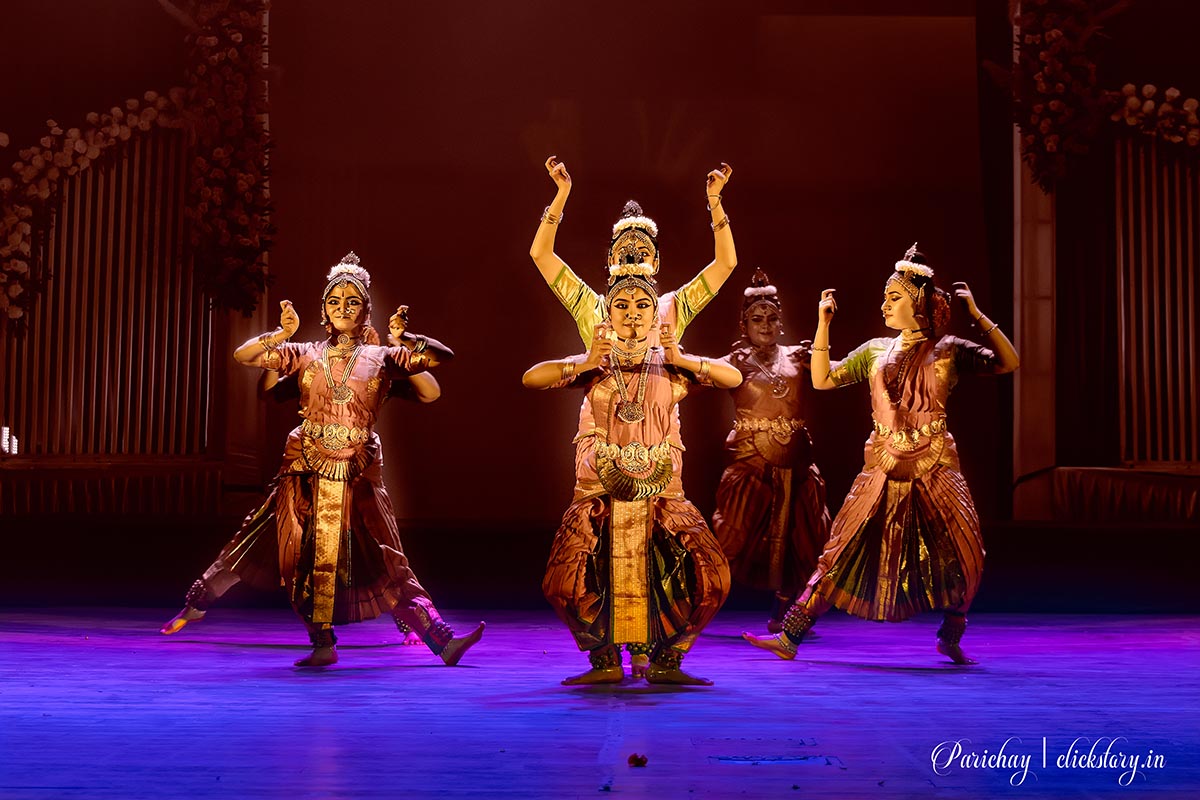
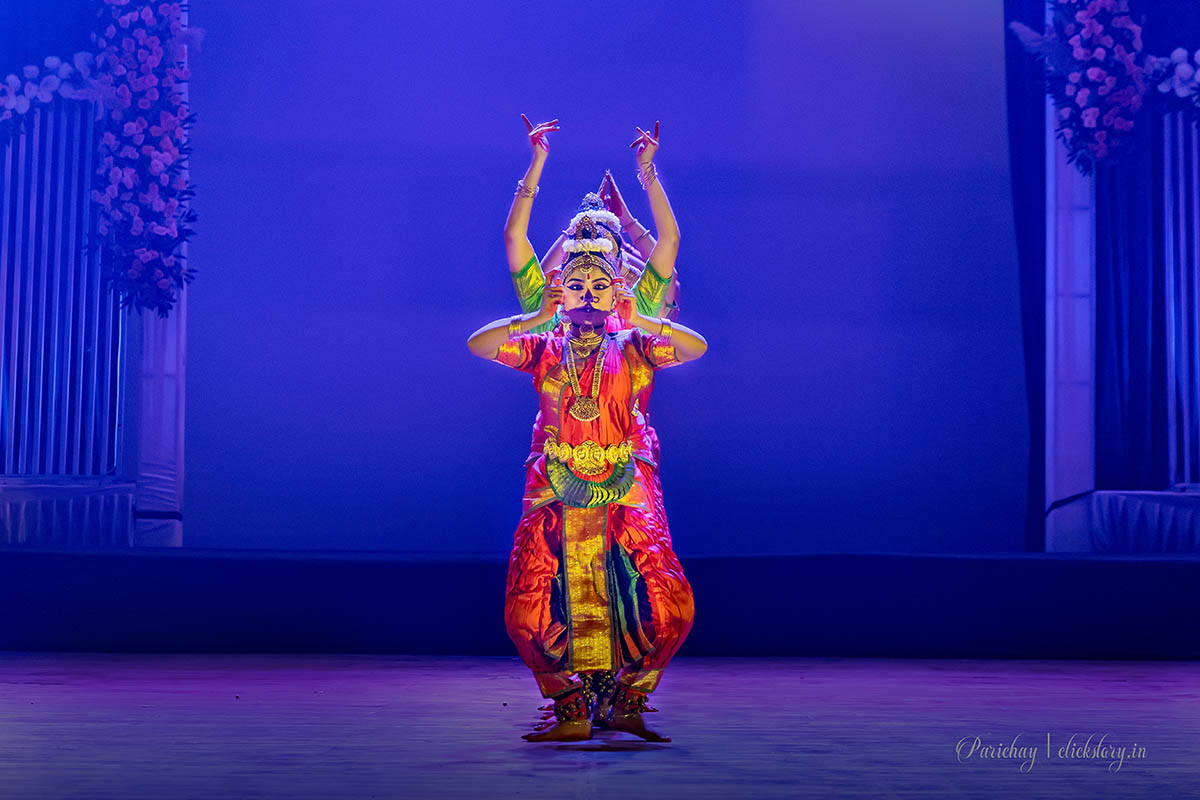
Ideas for photo series:
- Morning routines
- Before, during, and after an event
- A person at work, at rest, and in transition
Example:
- A story of a farmer could include:
- A wide shot of their fields at sunrise.
- A close-up of their hands in the soil.
- A mid-shot of them smiling at the end of the day.
Pro Tip:
Plan your shot list loosely if you’re documenting an event or person. Think in “wide, medium, detail” shots for each story moment.
Final Thoughts: Intentionality Is Everything
You don’t need to travel to exotic places or have top-tier gear to tell great stories. What you do need is the willingness to pause, observe, and ask:
What’s really happening here? What do I want the viewer to feel?

Great storytelling images are built from layers: composition, emotion, detail, context, and light. When you start combining these consciously, your photos will go beyond beautiful—they’ll become unforgettable.
You may like the tips and tricks of storytelling to convert a moment into story.
