

Photography angles or Point Of View (POV) do more than change how a subject looks—they shape how a photograph feels and how its story is told. From dramatic low angles to intimate eye-level shots, the right perspective can transform an ordinary scene into a compelling image. Understanding how different angles influence composition, mood, and visual impact is essential to creating photographs that stand out.
POV simply means the angle and position from which you capture a subject. A slight change in camera angle can completely change the story, mood, and emotion of a photograph.
Most people see the world from a normal standing or sitting view. That is why photos taken from eye level often look common. But when you change your point of view, even an ordinary daily-life scene can look extraordinary.
Why POV is Important in Photography
Point of view plays a major role in photography because it controls:
- Storytelling
- Perspective
- Emotional impact
- Composition
- Viewer connection
- Uniqueness of the image
A powerful POV can transform a simple subject into an attention-grabbing photograph.
The Golden Rule: Shoot from an Unexpected Angle
The first and most important rule of POV photography is to capture your subject from an unexpected angle.
We normally see the world from our eye level. But photography becomes creative when you shoot from a different perspective—such as from above, below, or from a hidden viewpoint. A bird’s eye view or an ant’s view can give a completely different result compared to a normal standing photograph. When you capture a normal subject from a different angle, it automatically becomes more interesting to the viewer.
A Powerful POV Technique: “Become the Subject”
One of the most creative and storytelling-focused POV styles is becoming the subject.
This means shooting from an angle where the viewer feels that he or she is inside the scene, almost experiencing the situation like the subject.
Example:
Imagine a painter standing in front of an easel. Instead of shooting from the front, the photographer captures the image from behind the painter, positioning the camera in such a way that the viewer feels like they are the painter.
This technique gives a strong emotional and cinematic feeling and is widely used in documentary and storytelling photography.
Bird’s Eye View POV (Top View Photography)
Bird’s eye view photography means shooting the subject from directly above.
This is an unusual angle that allows the viewer to see a larger working area of the scene. It creates a feeling of superiority, control, or protection.
Bird’s eye view is also called the top view format.
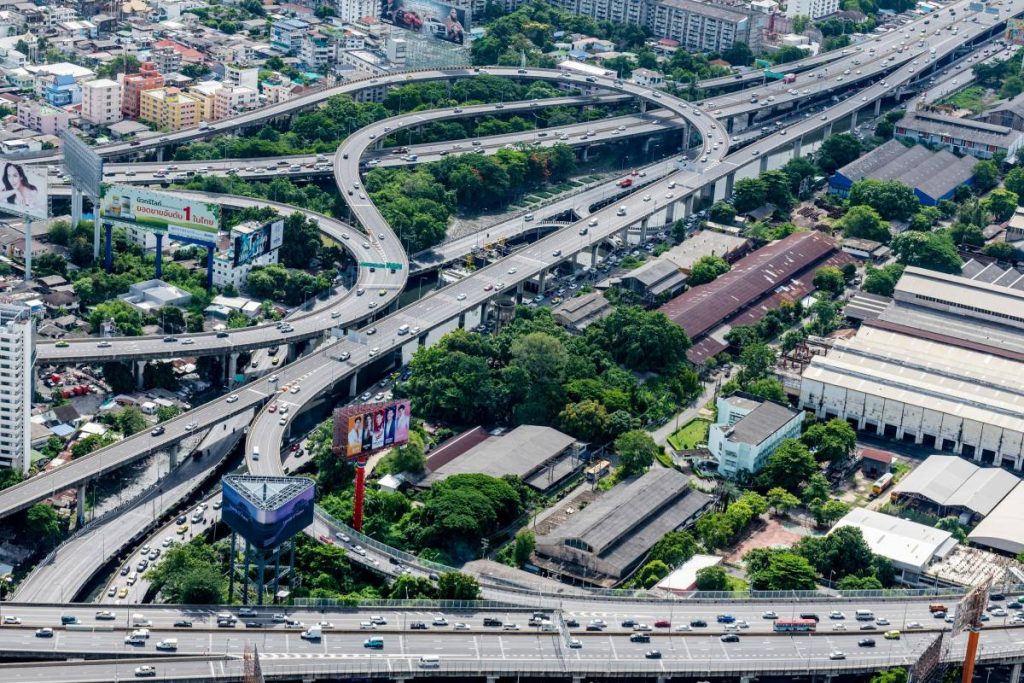
Key Features:
- Maximum visible area of the scene
- Useful for showing patterns and symmetry
- Architecture looks clean and organized
- Depth and perspective become less visible
Best Subjects:
- Food photography (flat lay style)
- Street crowds
- Architectural structures
- Table-top objects
- Festivals and markets
This POV is excellent when the photographer wants to show the entire arrangement of the scene.
Ant’s POV (Worm’s Eye View / Ground POV Photography)
Ant’s POV is when you shoot the subject from a very low position, usually close to the ground, looking upward.
This is a dramatic point of view that makes the subject look taller, stronger, and more powerful.
This POV has been followed throughout history. Kings, judges, and important leaders were always placed in higher positions so that the viewer would look up at them and feel their dominance.
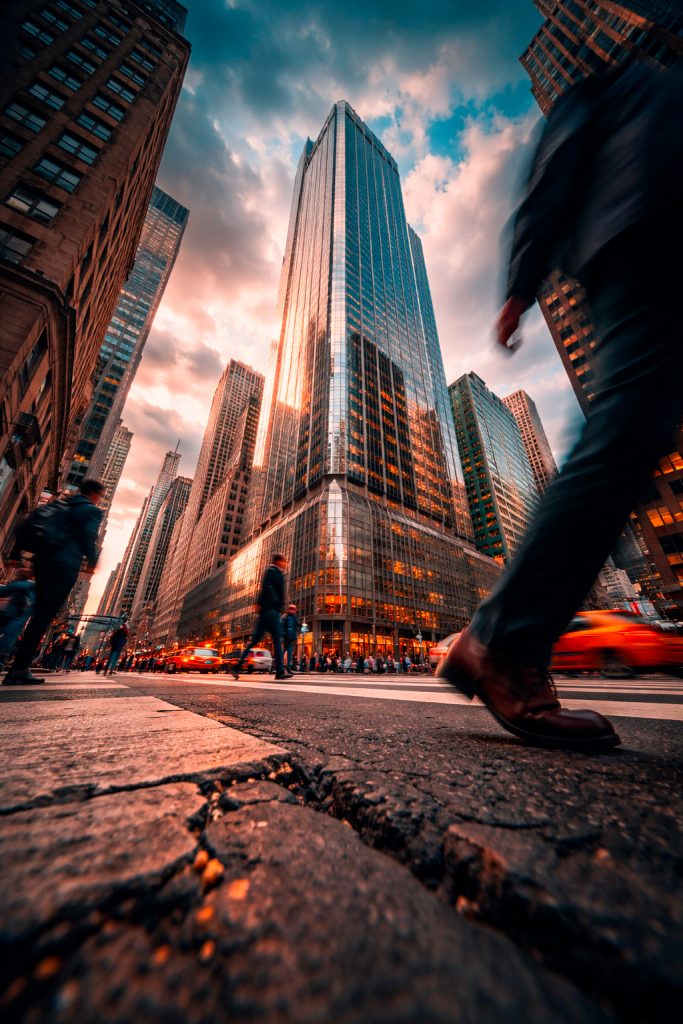
Key Features:
- Makes the subject appear powerful and dominant
- Creates dramatic perspective
- Adds strong leading lines
- Gives a cinematic feeling
Best Subjects:
- Monuments and statues
- Tall buildings
- Portraits with strong personality
- Trees, temples, towers
- Stage performances
Ant POV is highly effective when you want to show importance, power, or grandeur.
Eye-Level POV (Natural and Emotional Perspective)
Eye-level photography is the most natural POV because it matches how humans normally see the world.
This POV creates the strongest emotional connection between the viewer and the subject. The viewer feels like they are face-to-face with the subject.
When we are at eye level with a subject, we personify it—even if it is not a human being. That is why eye-level photography is also excellent for animals and street photography.
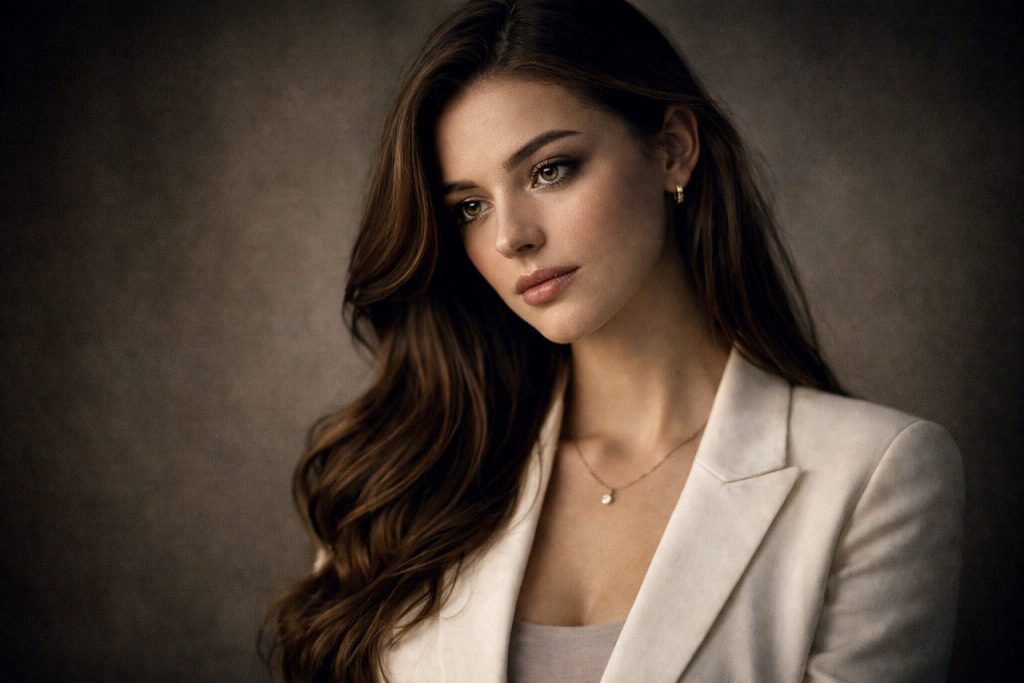
Key Features:
- Natural expression and emotions
- Strong emotional bonding
- Minimum distortion
- Best for realistic storytelling
Best Subjects:
Eye POV is one of the most powerful angles for capturing expressions and human emotions.
Child POV (Waist-Level POV Photography)
Child POV is also known as waist-level photography or lower waist-level POV.
In this POV, the camera is placed slightly below eye level, usually near the waist. The photographer may slightly bend down and keep the lens at waist level. This is a common POV in street photography because it allows the photographer to capture candid moments without drawing attention.
This POV is slightly different from eye level and creates an odd but interesting composition.
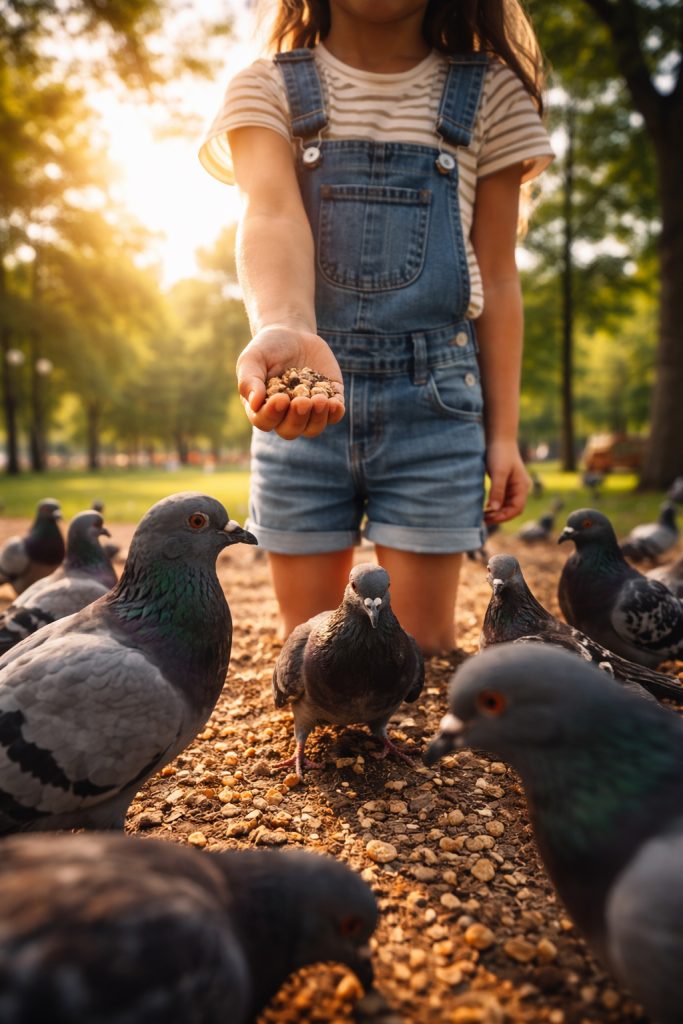
Key Features:
- Creates more breathing space in the frame
- Gives a candid and documentary feel
- Adds uniqueness without being extreme
Best Subjects:
- Street photography
- Candid portraits
- Weddings and event photography
- Children photography
Waist-level POV is ideal for photographers who want natural moments and a slightly different perspective.
Low Angle POV (Below Subject Angle)
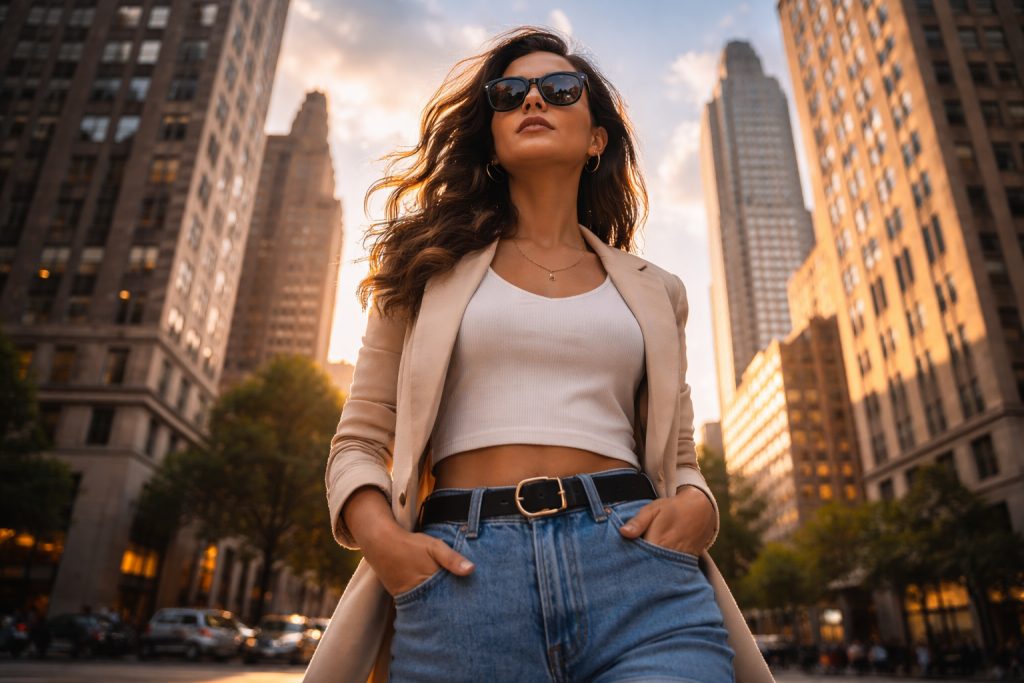
Low angle photography involves placing the camera below the subject but not necessarily at ground level. The camera is tilted upward to capture the subject.
This POV makes the subject look taller, more confident, and more attractive. That is why this angle is widely used in fashion photography, model photography, and cinematic portraits.
Key Features:
- Makes the subject appear tall and powerful
- Enhances confidence and personality
- Adds dramatic impact
Best Subjects:
- Fashion models
- Graduation photography
- Buildings and monuments
- Portraits with strong attitude
Low angle POV can also create distortion and cartoon-style effects if used with wide-angle lenses.
High Angle POV (Above Subject Angle)
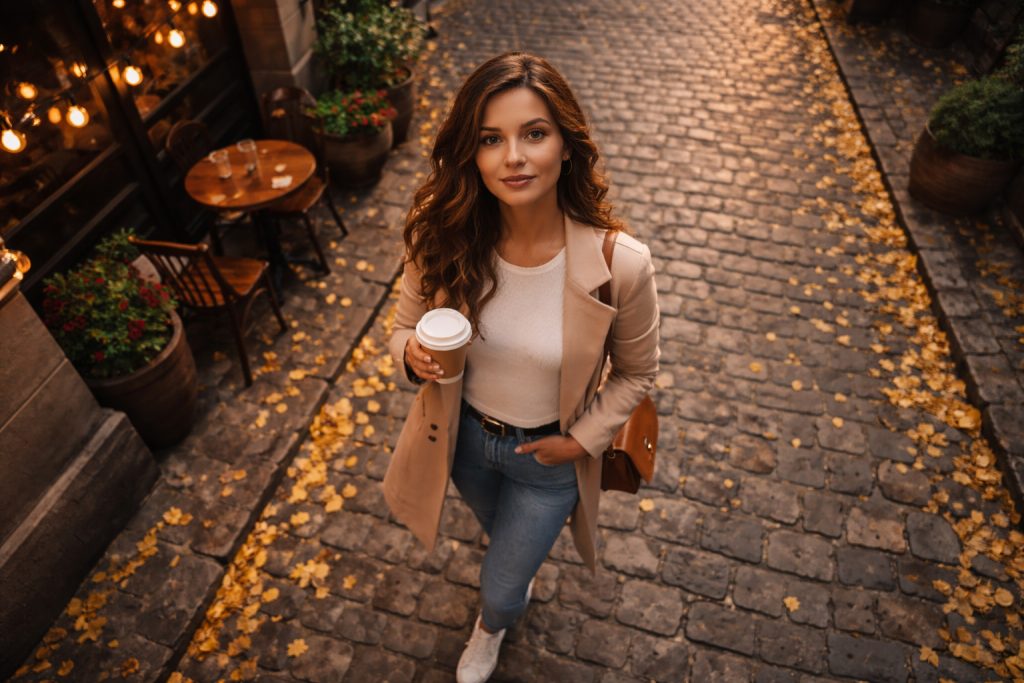
High angle photography means shooting from above the subject.
This POV reduces the dominance of the subject and makes it look smaller or less important compared to the surroundings. It can also create a feeling of weakness, loneliness, or vulnerability.
High angle POV is very useful in storytelling photography where the environment plays a strong role.
Key Features:
- Makes the subject appear smaller
- Shows more background and surroundings
- Creates emotional storytelling
- Adds a documentary look
Best Subjects:
- Children portraits
- Street photography
- Travel photography
- Storytelling compositions
High angle POV is excellent when you want to show the subject as a part of a bigger scene.
Dutch Angle POV (Tilted Horizon Photography)
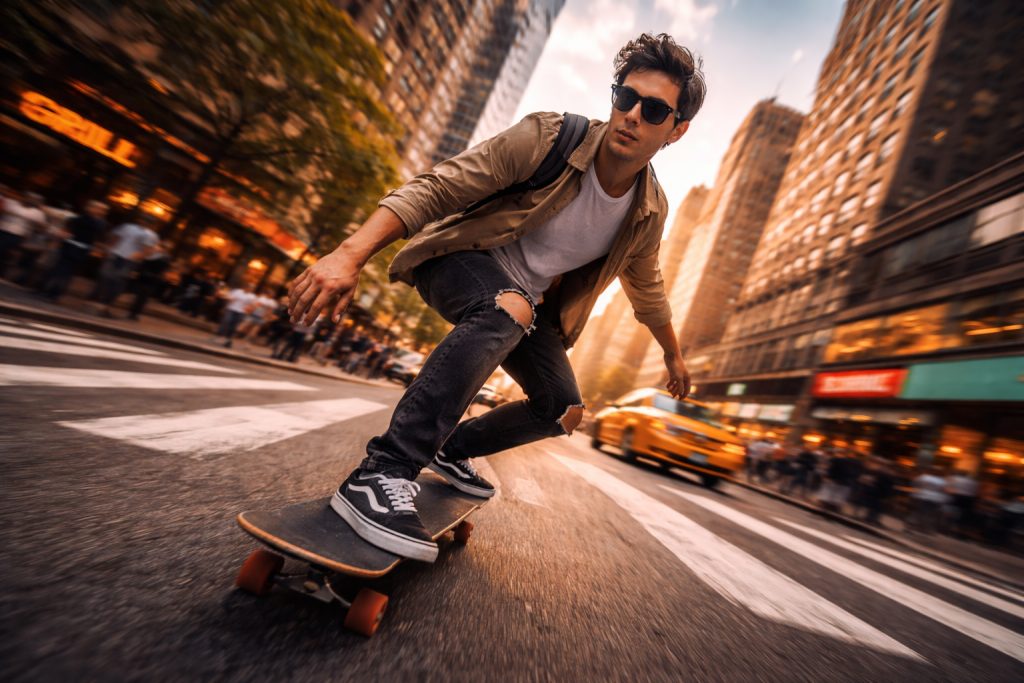
Dutch angle photography is when the camera is tilted to one side, creating a slanted horizon line.
This POV is often used in cinema and creative photography to show tension, confusion, drama, or instability.
Key Features:
- Creates dramatic and cinematic mood
- Gives action feeling
- Adds tension to the scene
Best Subjects:
- Street photography
- Action photography
- Creative portraits
- Documentary storytelling
Dutch angle should be used carefully. If used unnecessarily, it may look like a mistake.
Macro POV (Extreme Close-Up Perspective)
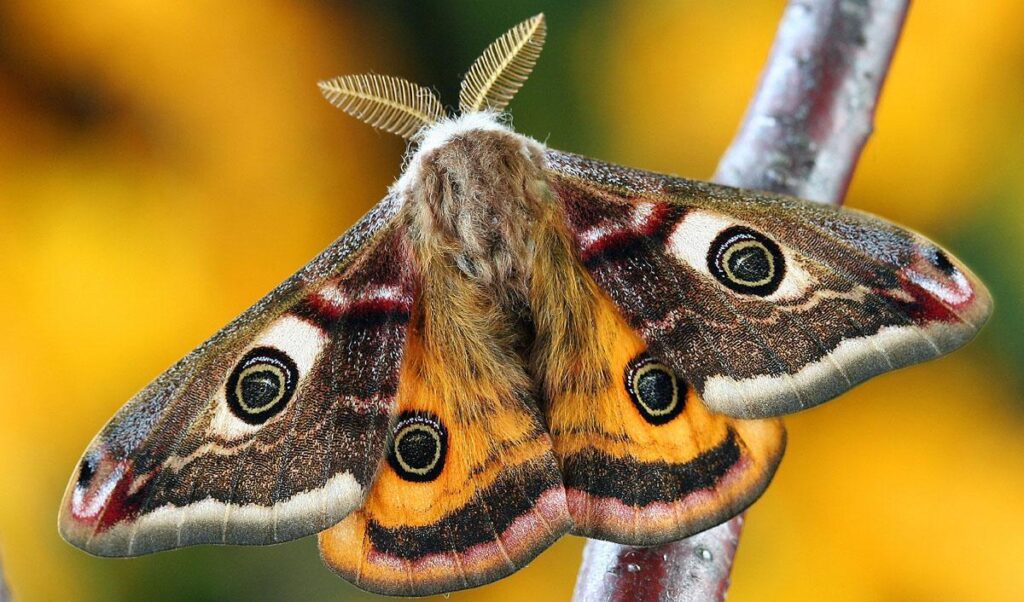
Macro POV is one of the most impressive forms of photography. It captures tiny details that the human eye usually cannot notice.
This POV makes the viewer enter a completely different world of textures, patterns, and minute details.
Key Features:
- Shows details and textures
- Creates mystery and curiosity
- Makes small subjects look huge
Best Subjects:
- Insects
- Flowers
- Jewelry
- Water drops
- Eyes and skin textures
Macro POV is a great way to create artistic photography using everyday objects.
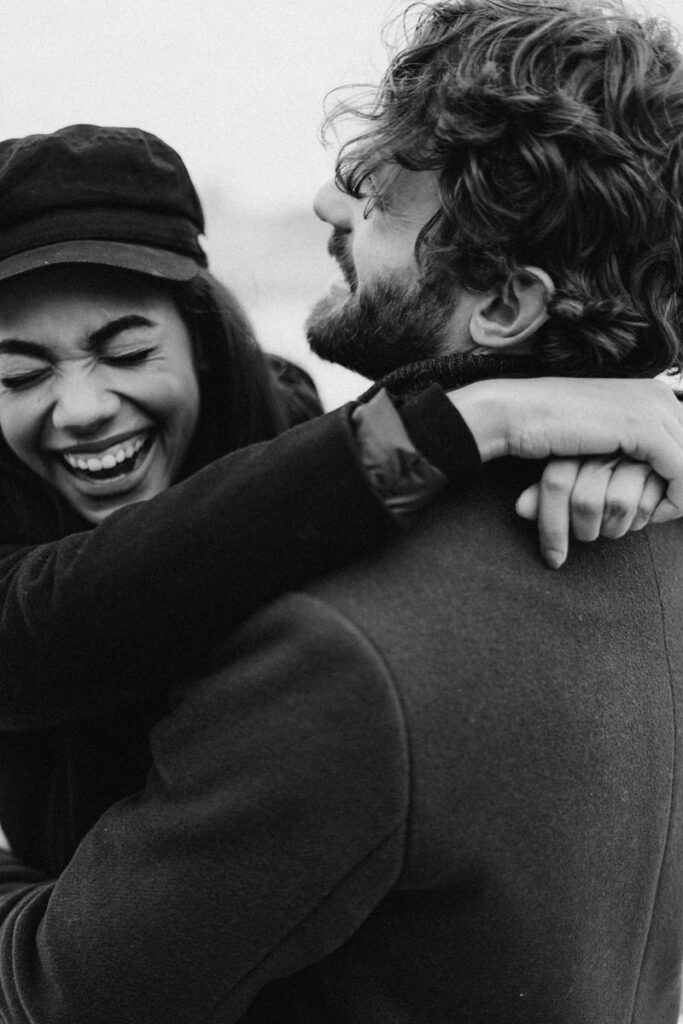
Over-the-Shoulder POV (Cinematic Storytelling Angle)
Over-the-shoulder POV is a storytelling technique where you capture the scene from behind a person, including part of the shoulder or head.
This angle makes the viewer feel like they are part of the conversation or action.
Key Features:
- Adds depth and storytelling
- Creates cinematic feeling
- Makes viewer feel included
Best Subjects:
- Travel photography
- Documentary photography
- Couple and lifestyle photography
- Street storytelling
This POV is widely used in cinema and visual storytelling.
Reflection POV (Mirror, Glass, Water Reflection Photography)
Reflection POV is a creative method where the subject is photographed through reflections.
Reflections allow photographers to capture two scenes in one frame: the subject and its environment.
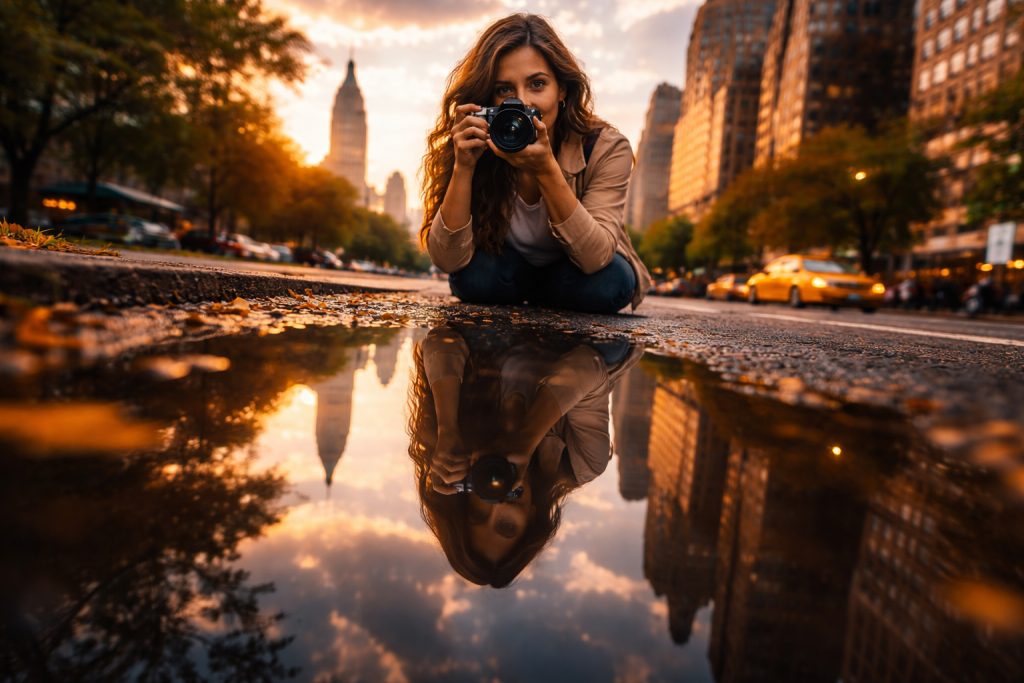
Best Reflection Surfaces:
- Mirrors
- Sunglasses
- Windows
- Water puddles
- Polished cars
This POV adds artistic creativity and makes images visually interesting.
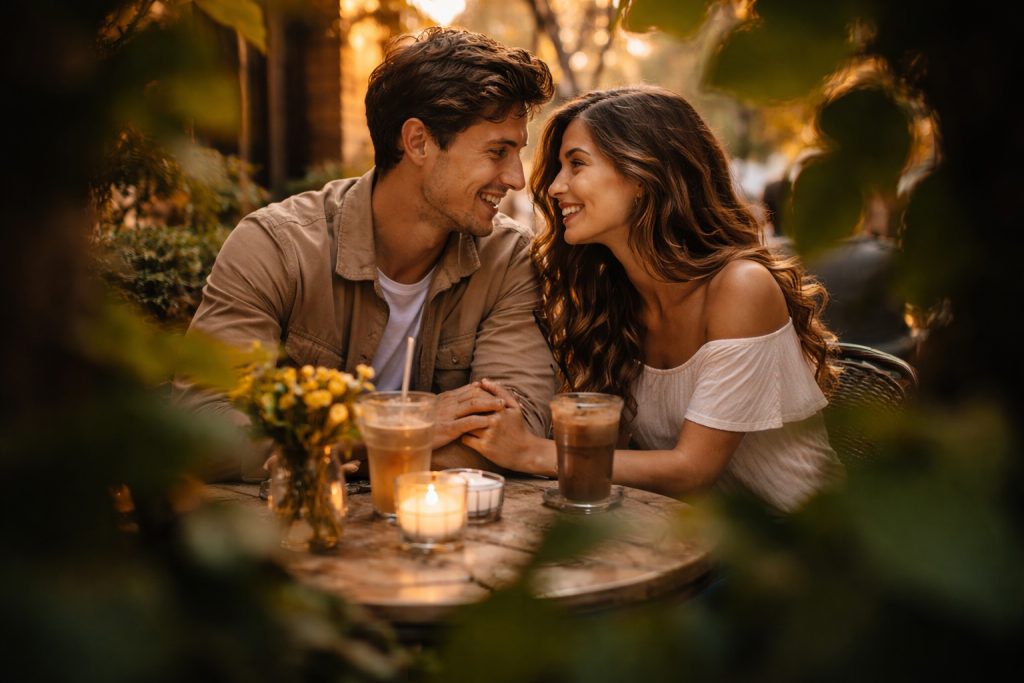
Hidden POV (Peek-A-Boo or Spy Angle Photography)
Hidden POV means shooting the subject through something such as leaves, windows, fences, door gaps, or curtains.
This angle creates a feeling of mystery and suspense. It also gives a cinematic storytelling mood, as if the viewer is secretly watching the scene.
Best Subjects:
- Street photography
- Wildlife photography
- Storytelling portraits
Hidden POV is excellent when you want to add drama and curiosity.
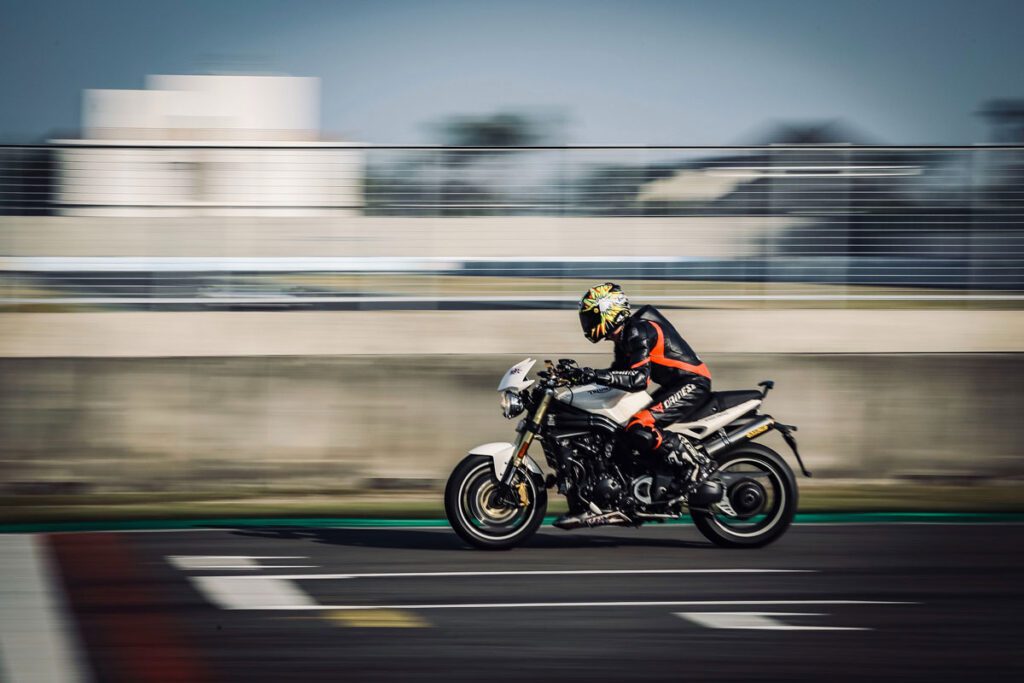
Motion POV (Shooting While Moving)
Motion POV photography is done while you are moving—such as shooting from a train window, bus, car, or walking fast.
This POV gives the viewer a feeling of journey and speed.
Key Features:
- Motion blur
- Dynamic storytelling
- Travel documentary style
Best Subjects:
- Travel photography
- Road photography
- City lifestyle shots
Motion POV can produce very artistic results when used properly.
What Each POV Communicates Emotionally
Every POV creates a psychological impression in the viewer’s mind. This is why POV is so important in storytelling photography.
| POV Type | Emotional Effect |
| Bird’s Eye View | control, superiority, overview |
| Ant’s POV | admiration, fear, dominance |
| Eye Level | connection, trust, realism |
| High Angle | vulnerability, weakness, loneliness |
| Low Angle | power, confidence, heroism |
| Dutch Angle | tension, confusion, drama |
| Close-up POV | intimacy, detail, emotion |
| Hidden POV | suspense, mystery |
Understanding this psychology helps photographers create stronger visual stories.
Technical Tips for Better POV Photography
Choose the Right Lens
Lens choice affects perspective strongly.
- Wide-angle lens (10mm–24mm): dramatic distortion and strong depth
- Standard lens (35mm–50mm): natural storytelling and balanced composition
- Telephoto lens (85mm–200mm): compressed background, clean portraits
Use Leading Lines
Roads, staircases, walls, and railings guide the viewer’s eyes and make POV stronger.
Control the Background
Unusual POV reveals unwanted objects easily. Always check your background carefully.
Add Foreground for Depth
Place an object close to the lens to create cinematic depth and framing.
Try Multiple Frames
Never take only one photo. Take 5–10 shots with slight angle changes to find the best composition.
Common Mistakes in POV Photography
Many photographers fail in POV photography because of these mistakes:
Too much distortion
- Wide-angle lenses may stretch faces or buildings unnaturally.
Crooked horizon in normal shots
- A tilted horizon looks unprofessional unless it is a Dutch angle.
No storytelling
- A different angle alone is not enough. The photo must communicate meaning.
Too much empty space
- Bird’s eye view often creates too much unnecessary blank area.
Practice Exercises to Improve POV Skills
To master POV photography, practice is essential.
Exercise 1:
- Shoot one subject from 10 different angles.
Exercise 2:
- Shoot only from ground level for one day.
Exercise 3:
- Shoot only reflections for one day.
Exercise 4:
- Shoot waist-level street photos without using the viewfinder.
Exercise 5:
- Create a storytelling photo series of daily life using 5 POV styles.
These exercises will train your eyes to explore unique perspectives.
Conclusion
Point of View (POV) is one of the most powerful creative tools in photography. A small change in camera angle can transform a simple subject into an extraordinary photograph.
Instead of always shooting from eye level, photographers should experiment with bird’s eye view, ant’s POV, waist-level photography, low angle shots, high angle shots, and cinematic storytelling perspectives.
A good photographer is not only someone who captures a subject, but someone who captures it in a way that the viewer has never seen before.
Frequently Asked Questions (FAQs)
1. What is POV in photography?
POV (Point of View) in photography refers to the camera angle and position from which the subject is photographed. It controls how the viewer experiences the scene.
2. Why is point of view important in photography?
POV is important because it changes the mood, story, emotional impact, and composition of a photograph.
3. What is bird’s eye view photography?
Bird’s eye view photography is when the photo is taken from directly above the subject, giving a top-view perspective.
4. What is worm’s eye view in photography?
Worm’s eye view is a low-angle photography technique where the camera is placed close to the ground and pointed upward to make the subject look powerful.
5. What is the best POV for portrait photography?
Eye-level POV is best for portraits because it creates natural expression and emotional connection. Low-angle POV is also good for dramatic portraits.
6. What is waist-level photography used for?
Waist-level photography is commonly used in street photography and candid photography because it helps capture natural moments without attracting attention.
7. What is Dutch angle photography?
Dutch angle photography is when the camera is tilted diagonally to create tension, drama, or instability in the image.
8. Which POV is best for street photography?
Eye-level POV, waist-level POV, and hidden POV are best for street photography because they produce candid and storytelling images.
9. How can I improve my POV photography?
To improve POV photography, experiment with multiple angles, practice regularly, use leading lines, and learn how different angles affect viewer emotions.
10. What lens is best for creative POV photography?
Wide-angle lenses are best for dramatic POV shots, while 35mm and 50mm lenses are ideal for natural storytelling photography.
