

Why Motion Blur is Trending in Photography
Motion blur photography is transforming the way we capture images in the modern world. Instead of freezing a single moment in time, this technique allows photographers to show movement, speed, and emotion within a single frame. By using slow shutter speeds and creative techniques, motion blur adds life and energy to photos that would otherwise look static.
In today’s digital era, photography is not just about sharp and perfect images — it is about storytelling. Motion blur photography helps tell a deeper story by capturing how subjects move and interact with their environment. Whether it’s the glowing light trails of a busy city at night, an athlete in motion, dancers’ movement on stage or people walking through crowded streets, motion blur creates a cinematic and immersive visual experience.
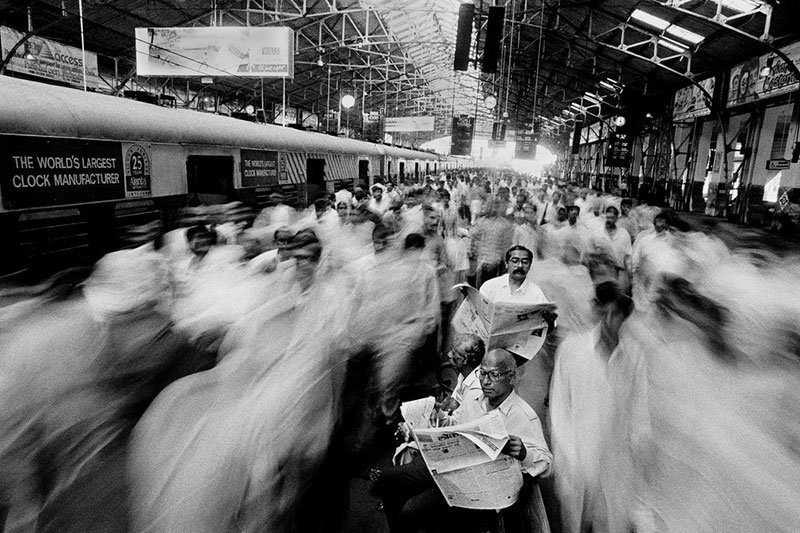
With the rapid growth of social media platforms and visual content, photographers are constantly looking for creative ways to stand out. Motion blur has become a powerful trend because it turns ordinary scenes into eye-catching images that grab attention instantly. It also allows photographers to experiment with different styles, making their work more artistic and expressive.
What is Motion Blur in Photography?
Motion blur in photography refers to the streaking or blurring of moving objects when captured with a slow shutter speed. It happens because the camera sensor records movement over time instead of freezing a single instant.
This technique is widely used in long exposure photography and helps create dynamic movement photography effects.
Example of Motion Blur
- A moving car becomes a streak of light
- A running person shows blurred legs
- Flowing water looks smooth and soft
- Dance movement on stage
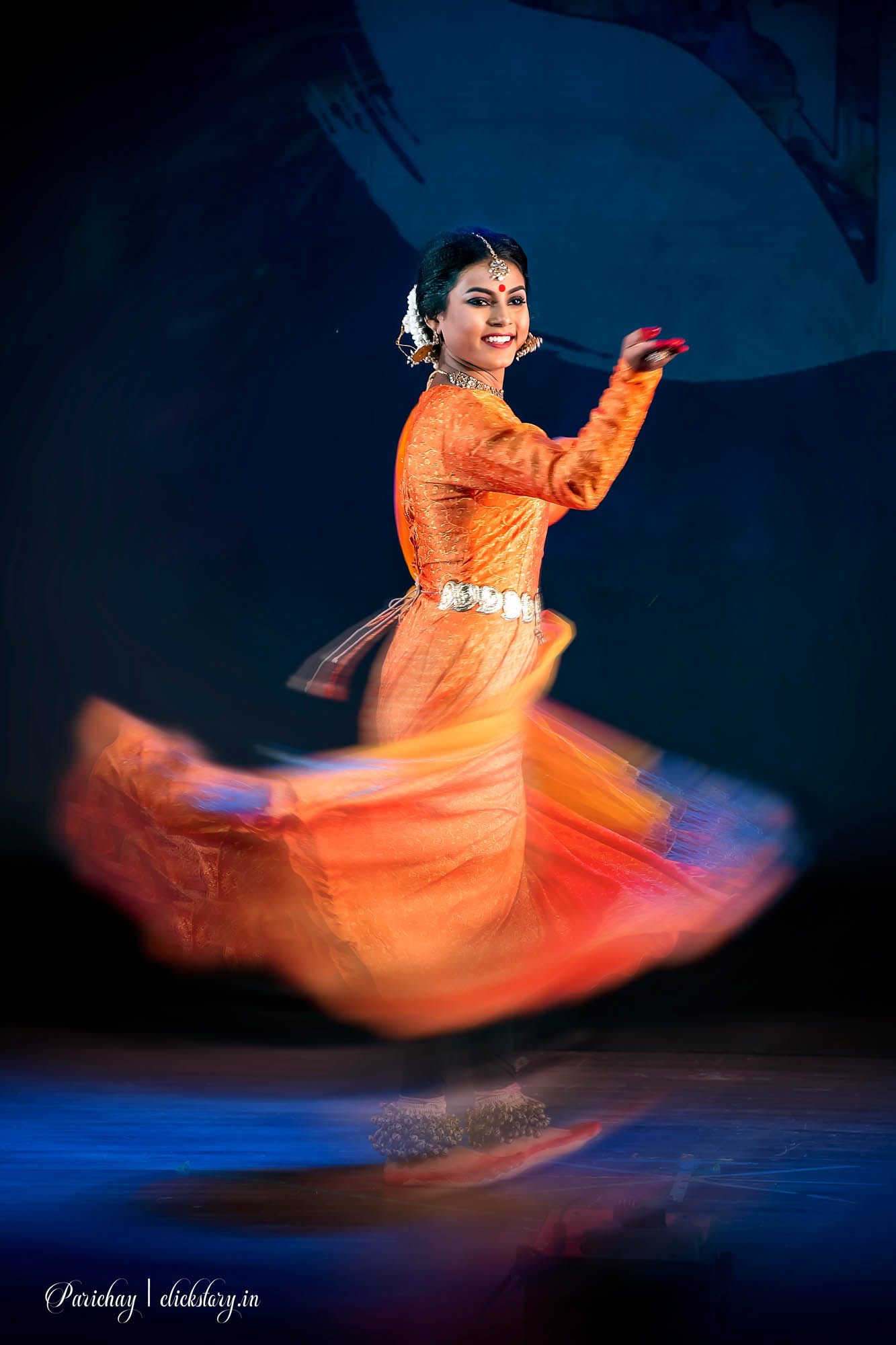
Motion blur photography is not a mistake — it is a creative choice that adds depth and emotion.
Frame Integration (Temporal Blending)
Motion blur is essentially time integration:
- The sensor combines multiple positions of a moving subject into one frame.
- This is similar to averaging motion over time.
What “time integration” really means
A camera sensor doesn’t capture a single instant—it accumulates light continuously over the exposure duration.
If an object moves during that time:
- Every position of the object contributes light to the same pixel (or neighboring pixels)
- The final image is a sum (integral) of all those positions over time
Mathematically, it’s like:Where:
- I(x,y) = final pixel intensity
- L = light from the moving subject
- t0→t1 = exposure duration
This is why motion blur is often described as temporal averaging, but more precisely it’s temporal accumulation (integration).
How blur actually forms (step-by-step)
Imagine a moving car:
- At time t₁ → car is at position A
- At time t₂ → car is at position B
- At time t₃ → car is at position C
During a long exposure:
- Light from A, B, and C all hit the sensor
- The sensor does not separate them
- Result = a continuous streak from A → C
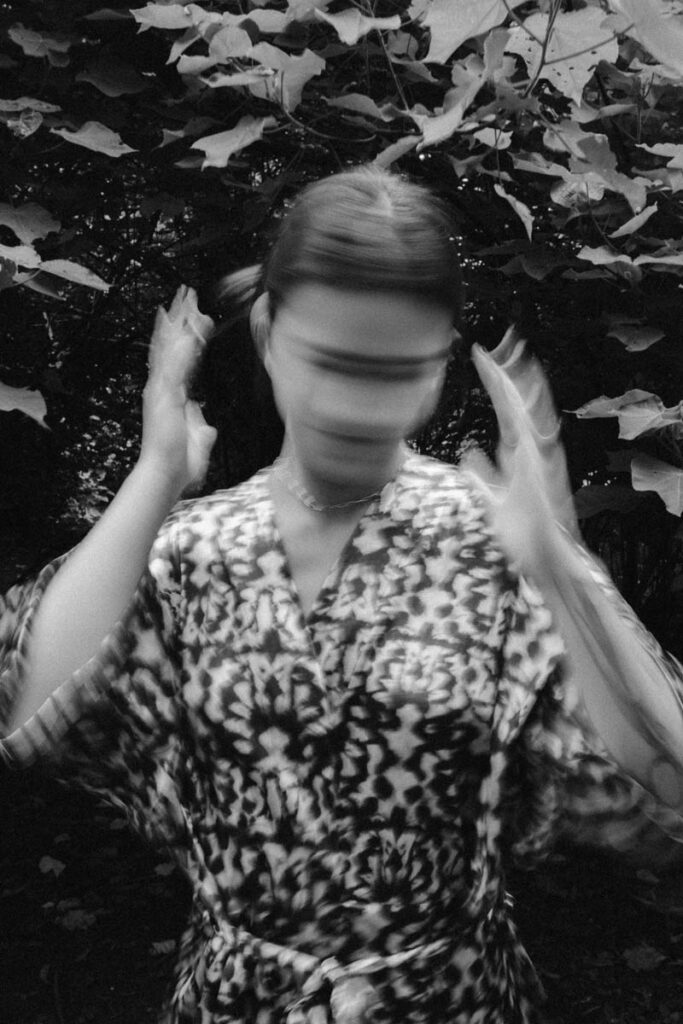
Important nuance: It’s not simple averaging
People often say “averaging,” but:
- If the object moves fast, its light spreads out → appears fainter and longer
- If it moves slow, light is concentrated → appears brighter and shorter
So the blur encodes:
- Speed
- Direction
- Exposure time
Real-world factors affecting integration
1. Sensor response (linear vs non-linear)
- Most sensors are approximately linear: double light = double signal
- But highlights can clip, affecting blur brightness
2. Rolling shutter (important!)
Many CMOS sensors use rolling shutter:
- Different rows are exposed at slightly different times
- This can distort motion blur (e.g., skewed objects)
3. Pixel size & motion
- If motion during exposure is:
- < 1 pixel → appears sharp
- > several pixels → visible blur trail
Perceptual effect
Your brain interprets motion blur as:
- Speed cue
- Smoothness of motion
Without blur → motion looks:
- Stuttery
- Artificial (like stop-motion)
Why Motion Blur Photography Adds Energy and Emotion
Motion blur photography is powerful because it adds a sense of life and realism. Real-world scenes are always in motion, and this technique captures that movement beautifully.

Benefits of Motion Blur
- Shows speed and direction
- Adds emotional depth
- Creates cinematic visuals
- Makes images more engaging
Example
A static image of traffic looks ordinary. But when motion blur is applied, the lights stretch into glowing lines, making the image feel alive and energetic.
This is why motion blur is widely used in advertising, filmmaking, and digital content creation.
How to Create Motion Blur Photography (Beginner Guide)
Creating motion blur photography is simple once you understand the basics.
1. Use Slow Shutter Speed
The key to motion blur is using a slow shutter speed.
- 1/1000 sec → freezes motion
- 1/60 sec → slight blur
- 1/10 sec or slower → strong blur
2. Use a Tripod for Stability
A tripod helps keep the background sharp while capturing motion.
3. Adjust ISO and Aperture
To balance exposure:
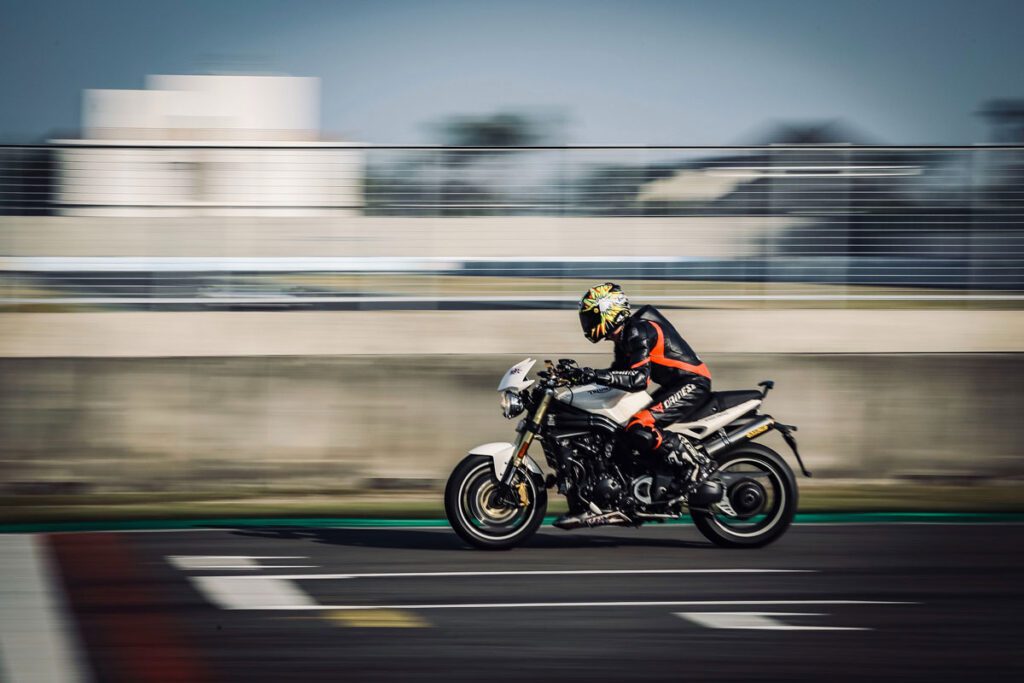
4. Try the Panning Technique
Follow the subject with your camera while shooting.
Result:
- Sharp subject
- Blurred background
This is perfect for sports and moving vehicles.
Night Photography Motion Blur (Light Trails and Cityscapes)
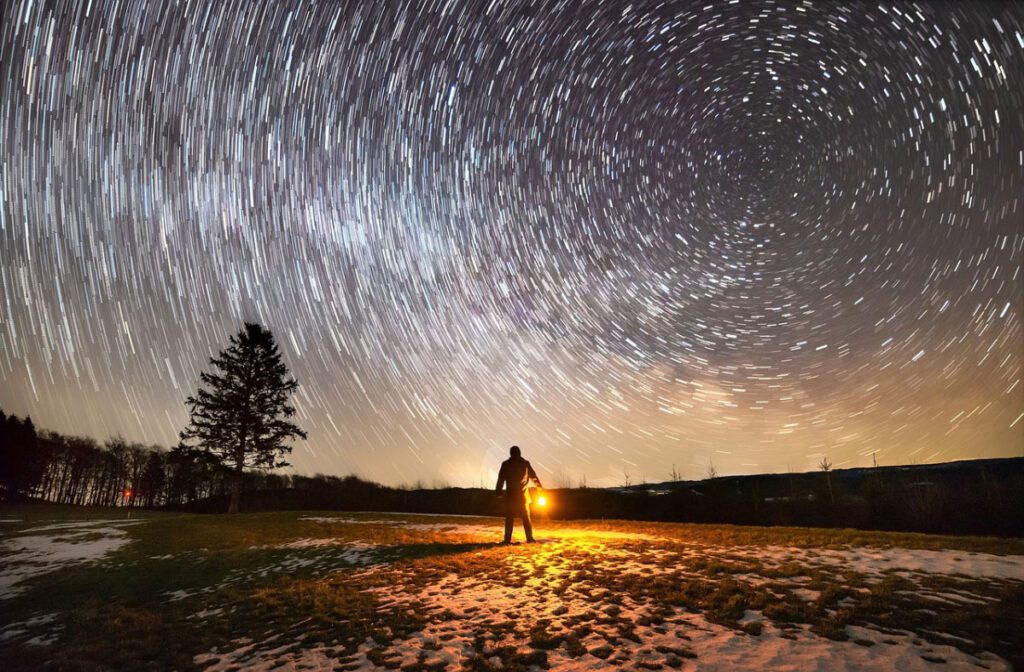
Night photography motion blur is one of the most popular and visually stunning uses of this technique.
Why It Works
At night, lights become more visible. When captured with long exposure, these lights create beautiful streaks and patterns.
Best Subjects for Night Motion Blur
- Traffic light trails
- Busy roads and highways
- Neon city lights
- Bridges and flyovers
- Stars in the night sky
Example
Stand on a bridge overlooking traffic:
- Use shutter speed of 5–10 seconds
- Capture flowing red and white light trails
This creates a dramatic and futuristic look that is highly popular on social media.
Sports Photography Motion Blur Techniques
Sports photography motion blur adds excitement and action to images.
When to Use Motion Blur in Sports
- Running athletes
- Cycling races
- Car racing
- Football matches
Techniques for Sports Motion Blur
1. Panning Shot
Track the subject with your camera.
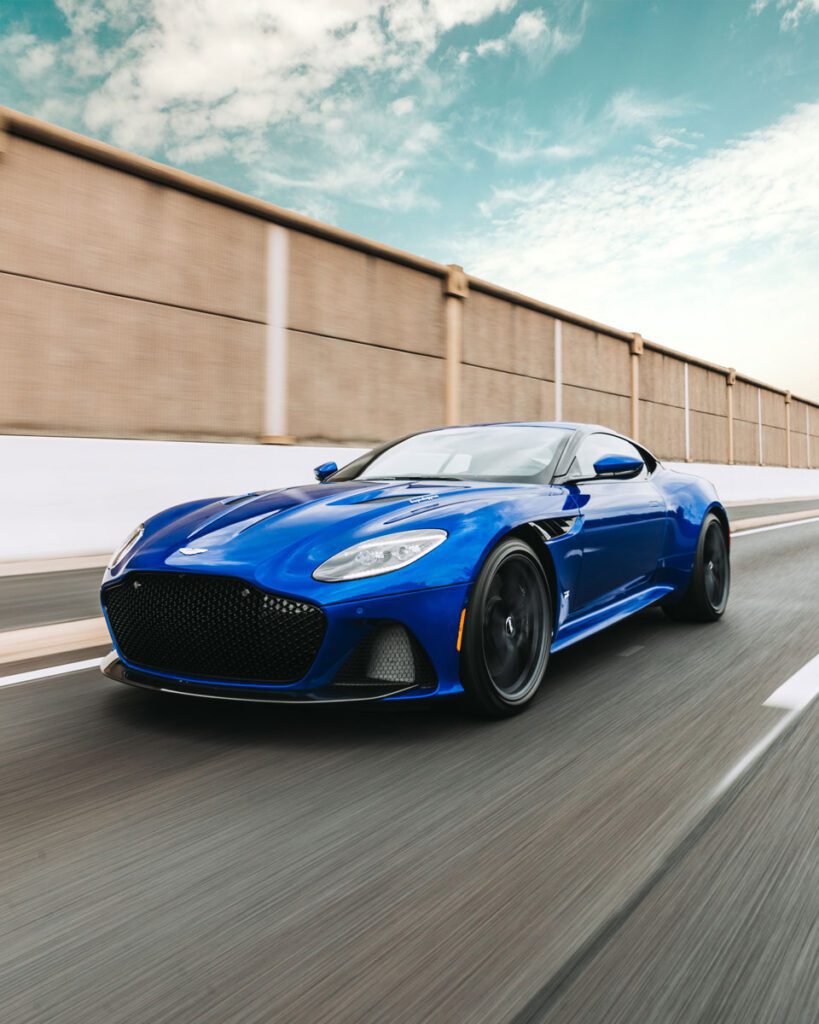
Result:
- Sharp car body
- Blurred background
2. Partial Motion Blur
Keep some parts sharp and others blurred.
Example:
- Face sharp of the athlete or body of the car.
- Legs blurred of the athlete or wheel of the car, roads etc.
This creates a realistic sense of motion.
Street Photography Motion Blur (Urban Storytelling)
Street photography motion blur is perfect for capturing real-life movement in cities.
Why It Works
Cities are full of motion — people walking, vehicles moving, lights changing. Motion blur captures this energy beautifully.
Ideas for Street Photography
- Busy marketplaces
- Metro stations
- Crosswalks
- Rainy streets with reflections
Example
Stand still in a crowded street:
- Use slow shutter speed
- People appear blurred while buildings stay sharp
This creates a strong storytelling image showing urban life.
Creative Motion Blur Photography Ideas
Here are some creative techniques to try:
1. Light Painting Photography
Move a light source in darkness to create patterns.
2. Zoom Blur Effect
Zoom in or out while taking the shot.
3. Intentional Camera Movement (ICM)
Move the camera during exposure for abstract effects.
4. Water Motion Blur Photography
Use long exposure for:
- Waterfalls
- Rivers
- Ocean waves
Water appears smooth and dreamy.
Best Camera Settings for Motion Blur Photography
Here are ideal settings for different scenarios:
Night Photography
- Shutter speed: 5–15 seconds
- ISO: 100
- Aperture: f/8
Sports Photography (Panning)
- Shutter speed: 1/30–1/60
- ISO: Medium
- Aperture: f/5.6
Street Photography
- Shutter speed: 1/10–1 second
- ISO: Low
- Aperture: f/8
Common Mistakes in Motion Blur Photography
Avoid these mistakes to improve your results:
1. Too Much Blur
Too much blur is one of the most common mistakes in motion blur photography. While blur is used to show movement, adding too much of it can make the entire image look messy and confusing. If everything in the photo is blurred, the viewer will not understand what the main subject is or where to focus.
The goal of motion blur photography is to create a balance between sharpness and movement. At least one part of the image should remain clear so the viewer can easily identify the subject. For example, in a photo of a moving car, the background can be blurred to show speed, but the car itself should still be somewhat sharp. If both the car and background are completely blurred, the image loses its meaning.
Too much blur usually happens when the shutter speed is too slow. To avoid this, start with a moderate shutter speed like 1/30 or 1/60 and slowly adjust based on your subject’s speed. Always check your image after clicking and make small improvements.
2. Camera Shake
Camera shake happens when the camera moves unintentionally while taking a photo. This results in unwanted blur across the entire image, making it look unprofessional and unclear. Unlike motion blur, which is intentional and controlled, camera shake is accidental and usually ruins the shot.
This problem often occurs when using slow shutter speeds without keeping the camera stable. Even a small hand movement can cause the whole image to blur.
To avoid camera shake, use a tripod whenever possible, especially in low light or long exposure photography. If you don’t have a tripod, try to hold your camera steady with both hands, keep your elbows close to your body, and stand still while taking the shot. You can also use image stabilization features if your camera or lens supports it.
A simple rule to remember: if everything in your image is blurred and nothing is sharp, it is likely camera shake.
3. Wrong Lighting
Lighting plays a very important role in motion blur photography. Using the wrong lighting can easily ruin your image, especially when using slow shutter speeds. One of the most common problems is overexposure, where the image becomes too bright and loses details.
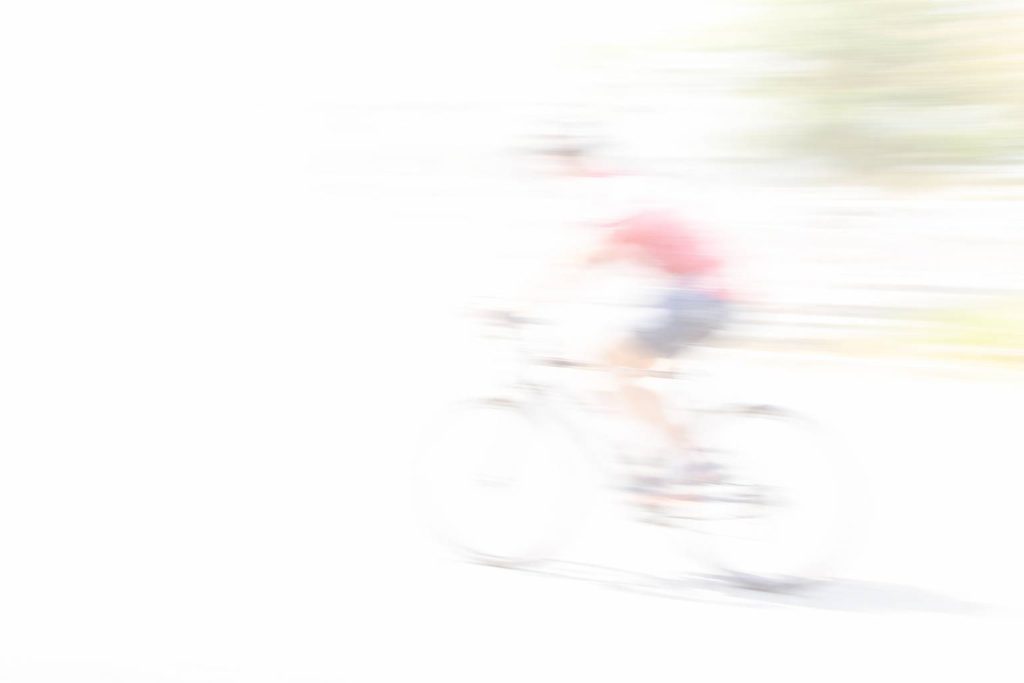
This usually happens because slow shutter speed allows more light to enter the camera. If you are shooting in bright daylight without adjusting your settings, your image may turn completely white or washed out.
To fix this, lower your ISO (keep it around 100), and use a smaller aperture (like f/8 or f/11) to reduce the amount of light entering the camera. You can also use ND filters (neutral density filters) to control light in very bright conditions.
On the other hand, if the lighting is too low, your image may become too dark. So always try to balance your settings according to the environment.
4. Poor Composition
Even if your motion blur technique is perfect, a photo with poor composition will not look good. Composition refers to how you arrange elements within your frame, and it plays a key role in making your image visually appealing.
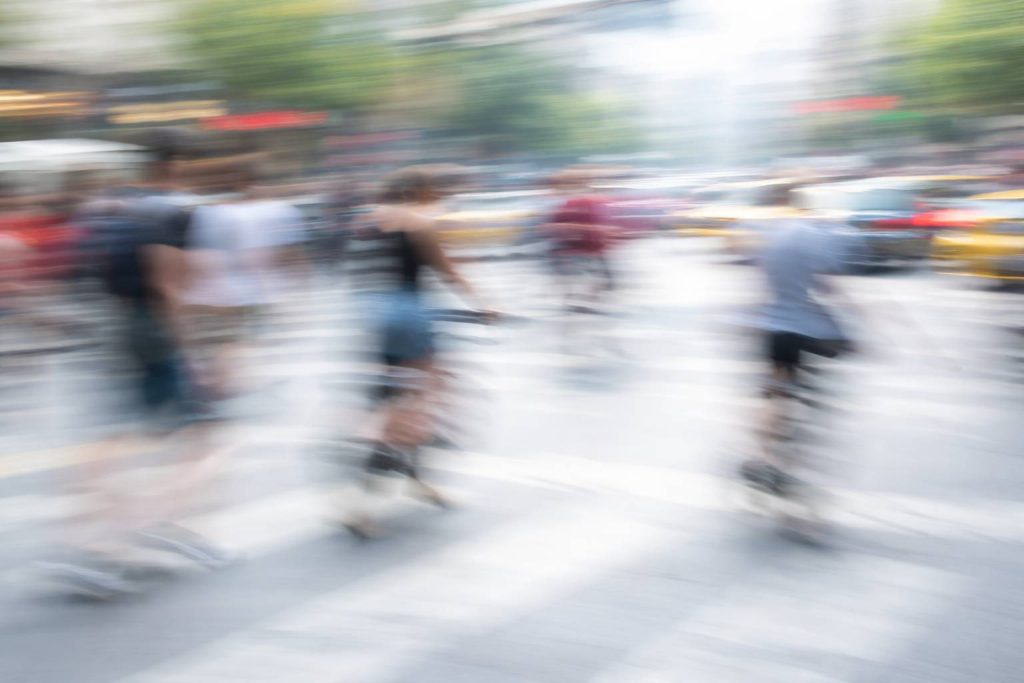
A common mistake is not having a clear subject. If viewers cannot understand what the main focus of the image is, they may lose interest quickly. Motion blur should guide the viewer’s eyes, not confuse them.
To improve composition, use simple techniques like:
- Rule of thirds (placing your subject slightly off-center)
- Leading lines (roads, lights, or paths guiding the viewer’s eyes)
- Framing (using objects to frame your subject)
For example, in street photography, you can position a sharp subject in the middle while blurred people move around them. This creates a strong and meaningful image.
Always take a moment to think about your composition before clicking the photo. A well-composed image with motion blur will always stand out more.
How Motion Blur Improves Storytelling
Motion blur photography is a powerful storytelling tool. It shows:
- Passage of time
- Human activity
- Energy and emotion
- Real-life movement
Example
A dancer captured with motion blur shows flow and rhythm, making the image more expressive than a frozen shot.
Why Motion Blur Photography is Popular in 2026
Motion blur photography is trending because:
- It creates cinematic visuals
- It stands out on social media
- It adds creativity without expensive gear
- It reflects real-life movement
Modern audiences prefer dynamic and engaging visuals, making motion blur a key photography trend.
Conclusion: Master Motion Blur Photography Today
Motion blur photography is more than just a technique — it is a creative way to bring your photos to life. By using slow shutter speeds and experimenting with movement, you can create stunning images full of energy and emotion.
From night city light trails to sports action shots and urban street scenes, motion blur photography opens endless creative possibilities. It allows you to move beyond traditional photography and explore a more artistic and expressive style.
Start practicing today, experiment with different settings, and don’t be afraid to make mistakes. The beauty of motion blur lies in creativity — and every shot you take will help you improve.
Final Tip for Beginners
Practice is the key to mastering motion blur photography. Try different scenes, test various shutter speeds, and observe how movement changes your images.
Remember: not every photo needs to be perfectly sharp — sometimes, the best stories are told through beautiful motion.
