

Symbolism and metaphor play a crucial role in conceptual photography, as they allow photographers to convey abstract ideas and emotions in a visually compelling manner. By using objects, elements, or compositions that represent or allude to specific concepts, photographers can evoke deeper meanings and engage viewers in a thought-provoking experience. Let’s explore how symbolism and metaphor are utilized in conceptual photography.

Object Symbolism
Photographers often use objects as symbolic representations of ideas or emotions. These objects may have cultural or universal connotations that viewers can easily recognize and relate to. For example, a wilted flower can symbolize the passage of time, fragility, or the transient nature of life.

Metaphorical Compositions
Conceptual photographers often create compositions that metaphorically express their ideas. They arrange elements in a way that suggests a concept or feeling without explicitly stating it. For instance, a photograph depicting a solitary figure walking away from a group can symbolize independence, breaking free from conformity, or the journey of self-discovery.
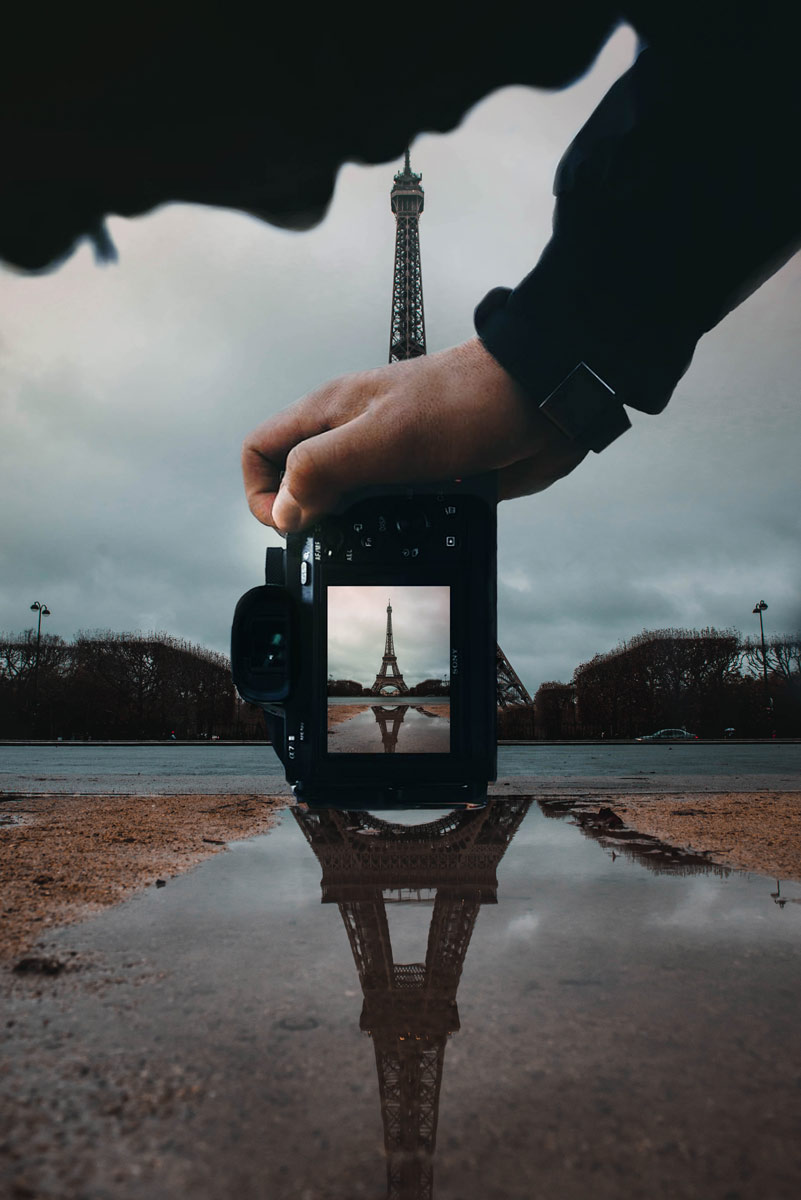

Visual Juxtaposition
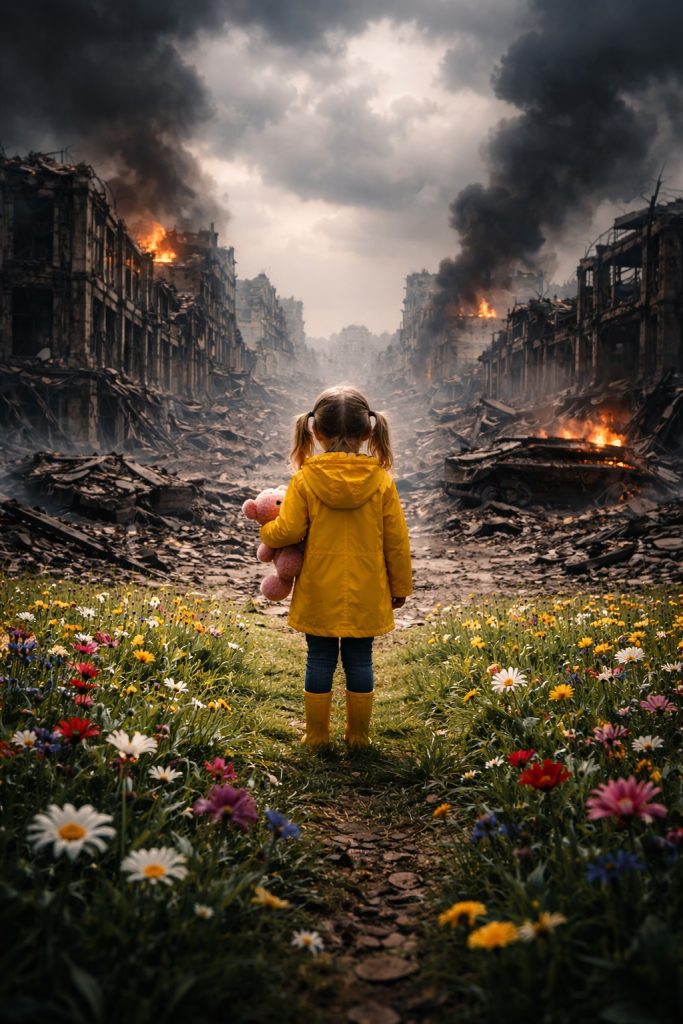
By combining contrasting elements, photographers can create visual juxtapositions that convey powerful messages. This technique involves placing unrelated objects or ideas side by side to create tension, irony, or commentary. For example, juxtaposing a child’s toy with a symbol of war can highlight the innocence lost in times of conflict.
Manipulating Light and Shadows
You can use light and shadows metaphorically to enhance the symbolic meaning of an image. Soft, diffused light can convey tranquility, while harsh, dramatic lighting can evoke intensity or struggle. Shadows can represent hidden truths, secrets, or the unknown.
Color Symbolism
Colors have inherent symbolic meanings that you might use to evoke specific emotions or concepts. Warm colors like red and orange often represent passion, energy, or danger, while cool colors like blue and green can symbolize tranquility, growth, or hope. By carefully selecting and manipulating colors, photographers can enhance the symbolic impact of their images.
Contextual Symbolism
The environment and context where you take photographs can also contribute to its symbolic meaning. By choosing specific locations or incorporating elements from the surroundings, photographers can add layers of symbolism and contextual relevance to their images. For example, capturing a person standing in front of a crumbling building may symbolize the decay of institutions or the passage of time.

Symbolism and metaphor in conceptual photography allow artists to transcend the literal representation of objects and scenes, enabling them to communicate complex ideas and emotions with depth and subtlety. The interpretation of these symbols and metaphors can vary from viewer to viewer, encouraging personal reflection and sparking meaningful discussions. Conceptual photographers harness the power of symbolism and metaphor to invite viewers into a world of imagination and contemplation, where multiple layers of meaning can be discovered and explored.
FAQs: Symbolism and Metaphor in Conceptual Photography
Symbolism in conceptual photography involves using objects, colors, or scenes to represent deeper meanings beyond their literal appearance. Photographers use recognizable symbols to communicate ideas such as time, emotion, or identity. This approach helps viewers connect with the image on a psychological level, encouraging interpretation and reflection rather than simply observing the subject.
While symbolism uses specific objects to represent ideas, metaphor in photography creates a broader visual comparison between elements. It suggests meaning through composition rather than direct representation. For example, a lone figure walking away may metaphorically express independence. Metaphors rely more on interpretation, allowing viewers to derive meaning from the relationship between visual elements.
Symbolism and metaphor add depth and emotional resonance to conceptual photography. They allow photographers to communicate abstract ideas like loss, identity, or transformation in a visual format. This makes images more engaging and thought-provoking, encouraging viewers to interpret and connect with the work on a personal level rather than just seeing a literal scene.
Beginners can start by choosing simple, widely recognized symbols such as clocks for time or wilted flowers for decay. Focus on clarity and avoid overcrowding the composition. Use lighting, color, and placement to highlight the symbolic object. Keeping the concept simple ensures the message is easily understood while still leaving room for viewer interpretation.
Visual juxtaposition involves placing contrasting elements together to create tension or highlight differences. For example, pairing a child’s toy with a war-torn background can emphasize lost innocence. This technique draws attention and provokes thought by forcing viewers to reconcile the contrast between the elements within the same frame.
Colors play a powerful role in conveying emotion and symbolism. Warm tones like red and orange can suggest passion, danger, or energy, while cool tones like blue and green often represent calmness or growth. By carefully choosing color palettes, photographers can subtly guide the viewer’s emotional response and reinforce the conceptual message of the image.
Yes, lighting and shadows are essential tools for symbolic storytelling. Soft light can suggest peace or nostalgia, while harsh lighting may create tension or drama. Shadows can symbolize mystery, fear, or hidden truths. By controlling light direction and intensity, photographers can add emotional layers and strengthen the conceptual meaning of their images.
The setting or environment adds context and enhances symbolic meaning. A crumbling building might represent decay or societal decline, while a vast open field could suggest freedom or isolation. Choosing the right location helps reinforce the concept and provides visual cues that guide the viewer’s interpretation of the image.
Common mistakes include overcomplicating the scene, using too many symbols, or relying on obscure references that confuse viewers. Lack of clarity can weaken the message. It’s important to balance creativity with simplicity, ensuring the symbolism is recognizable and supports the overall concept without overwhelming the composition.

It is a lovely article. if you give us some assignments, that will be very much appreciated. Thank you in advance.