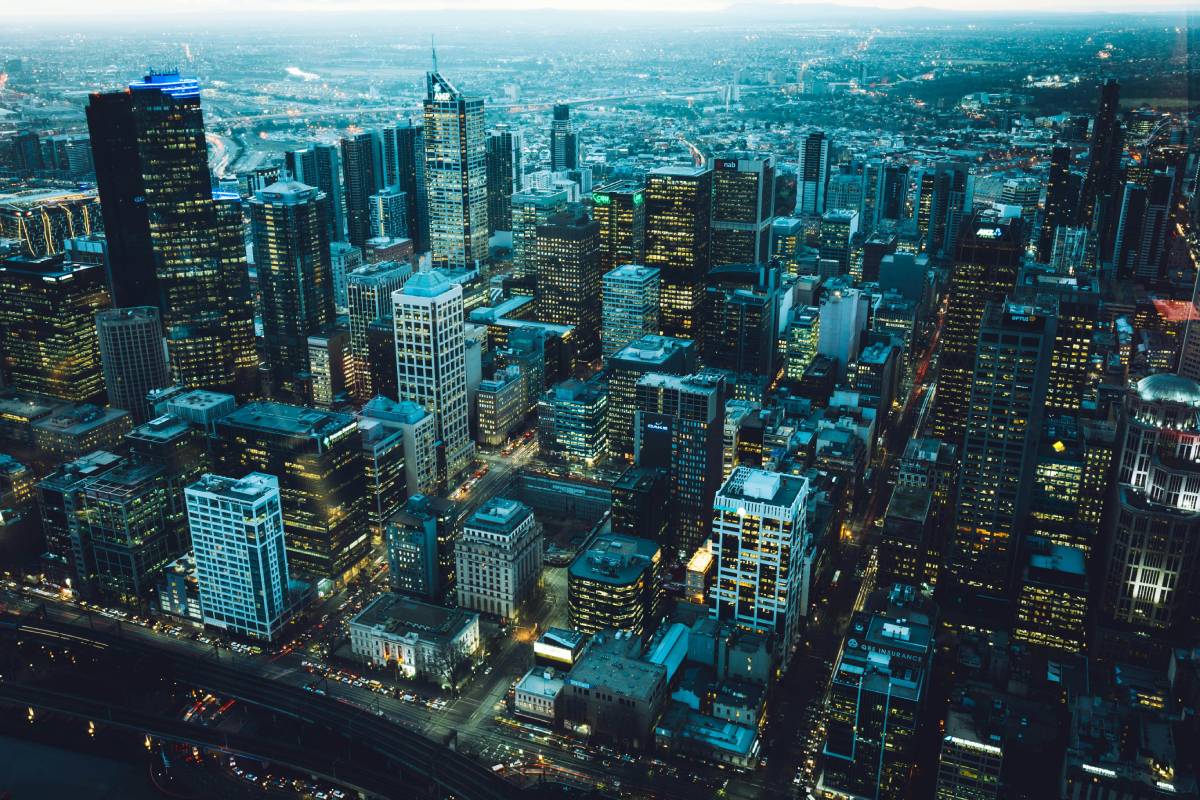

What is Sweeping Landscape Photography?
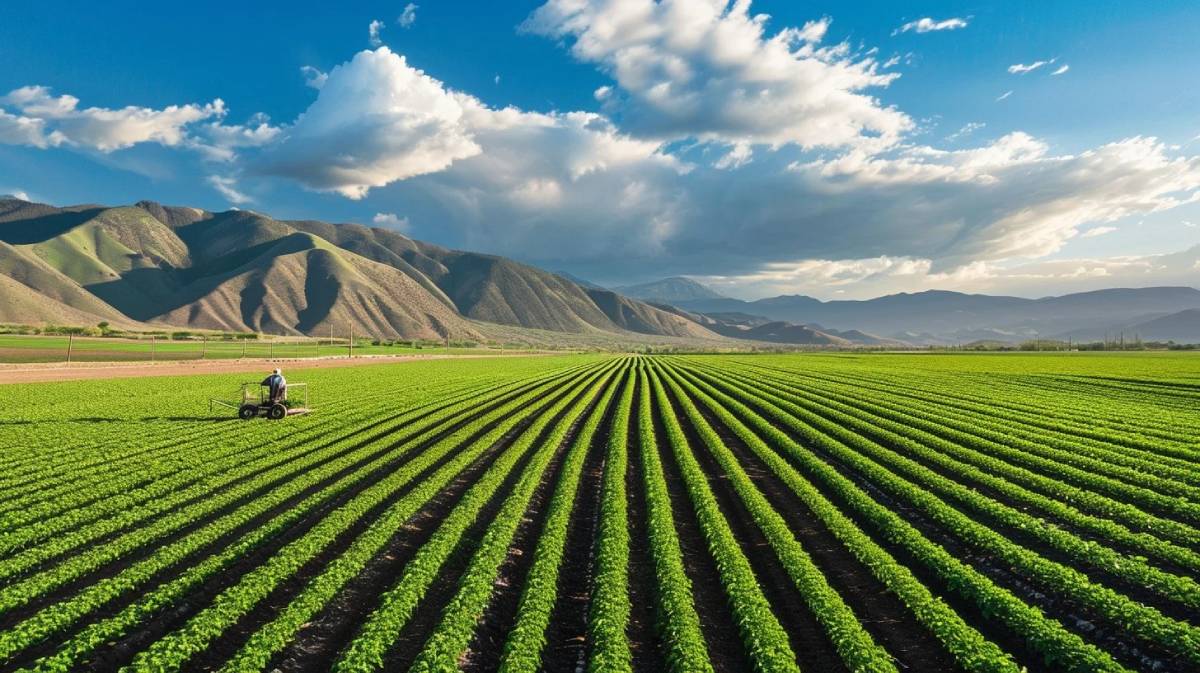
Sweeping landscape photography means capturing large, wide views of nature or scenery. It shows a big area, like mountains, fields, oceans, or cities, often making the viewer feel like they are standing right there. The pictures are wide and open, showing the beauty and vastness of the place.
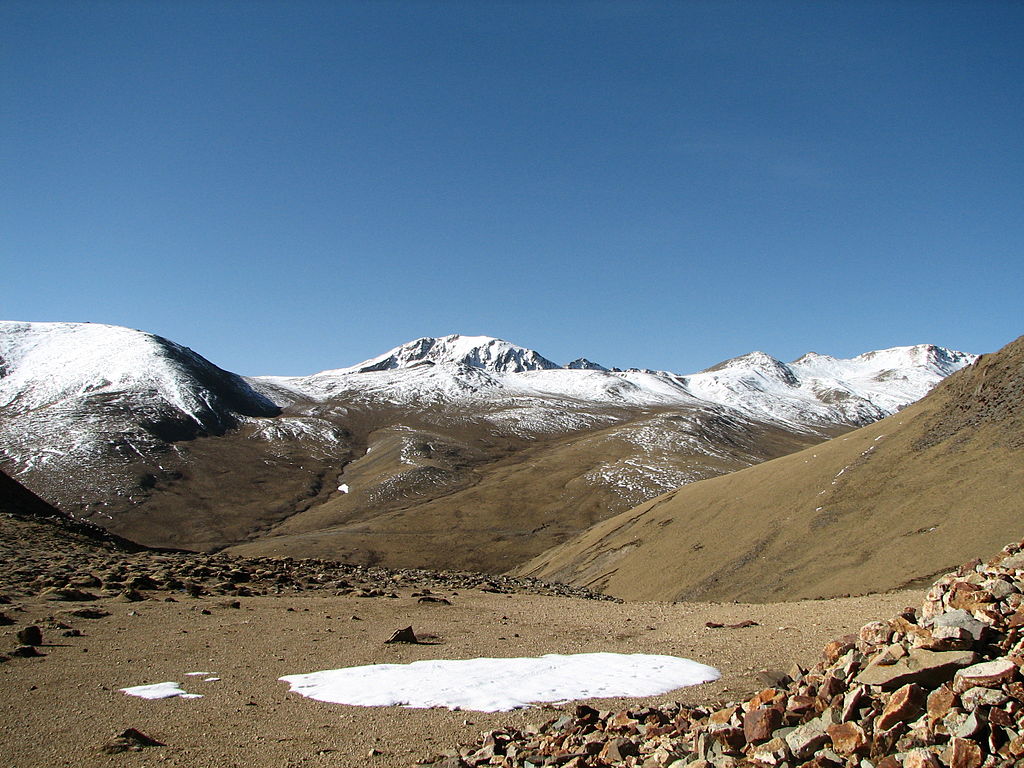
A Brief History of Landscape Photography
Landscape photography started in the 19th century when cameras became easier to use. Early photographers wanted to capture nature’s beauty, like forests and mountains. Over time, technology improved, letting photographers take sharper, wider, and more colorful pictures. Today, sweeping landscapes are very popular for travel, art, and social media.
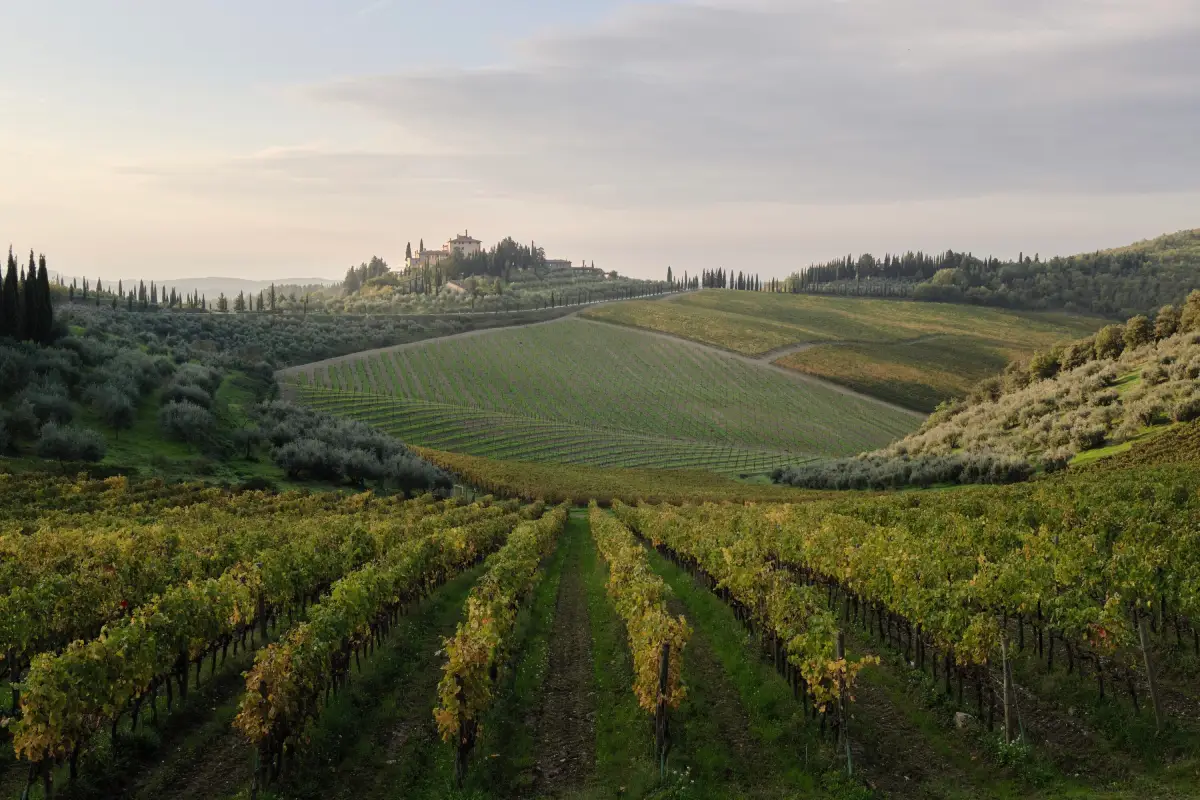
Features of Sweeping Landscape Photography
- Wide view: Usually shot with wide-angle lenses to capture more of the scene.
- Depth: The photo shows foreground, middle ground, and background clearly.
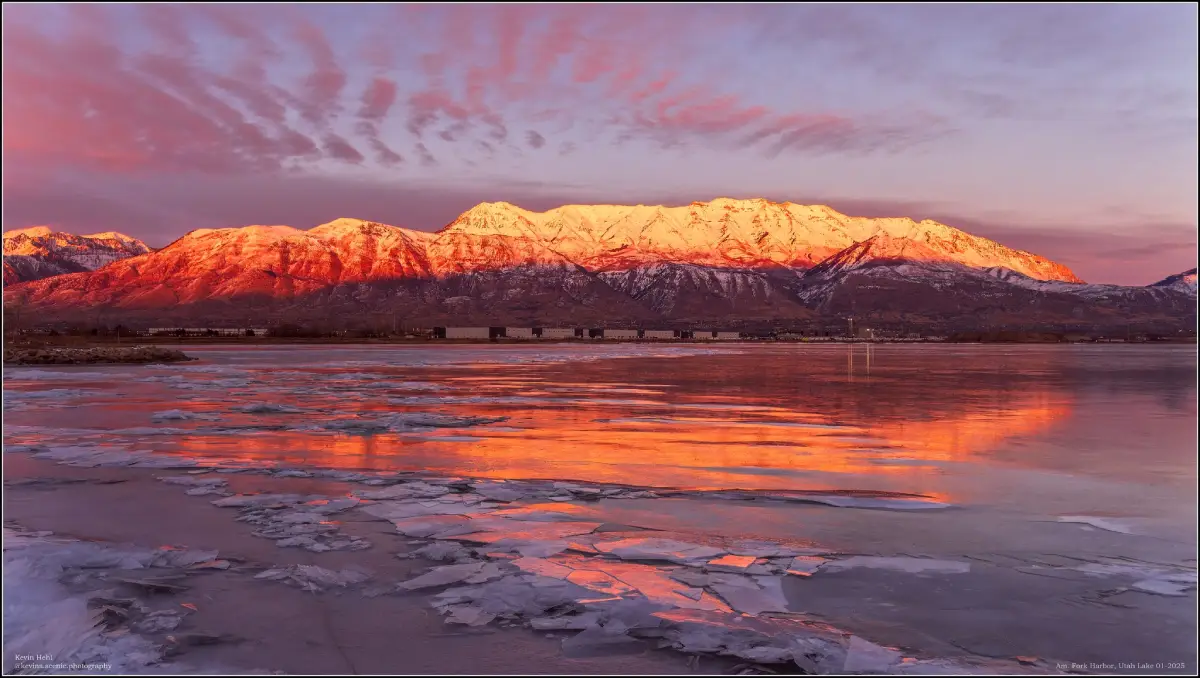
- Natural light: Often taken during sunrise or sunset to get warm, soft light.
- High detail: Sharp focus on the whole scene, sometimes using special techniques like focus stacking.
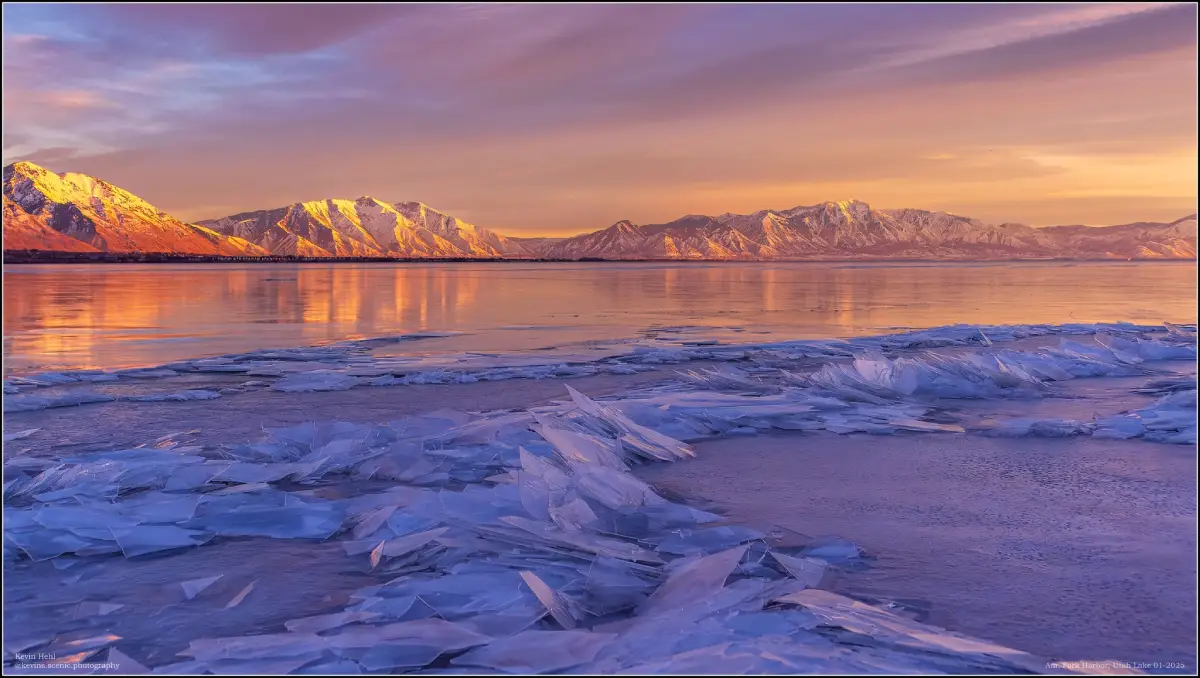
How to Shoot Sweeping Landscape Photography: Step-by-Step
1. Choose the Right Gear
- Camera: A DSLR or mirrorless camera works best.
- Lens: Use a wide-angle lens (10-24mm) to capture a large area.
- Tripod: Keeps the camera steady for sharp images.
- Filters: A polarizing filter helps reduce glare and enhance colors.
2. Pick Your Location and Time
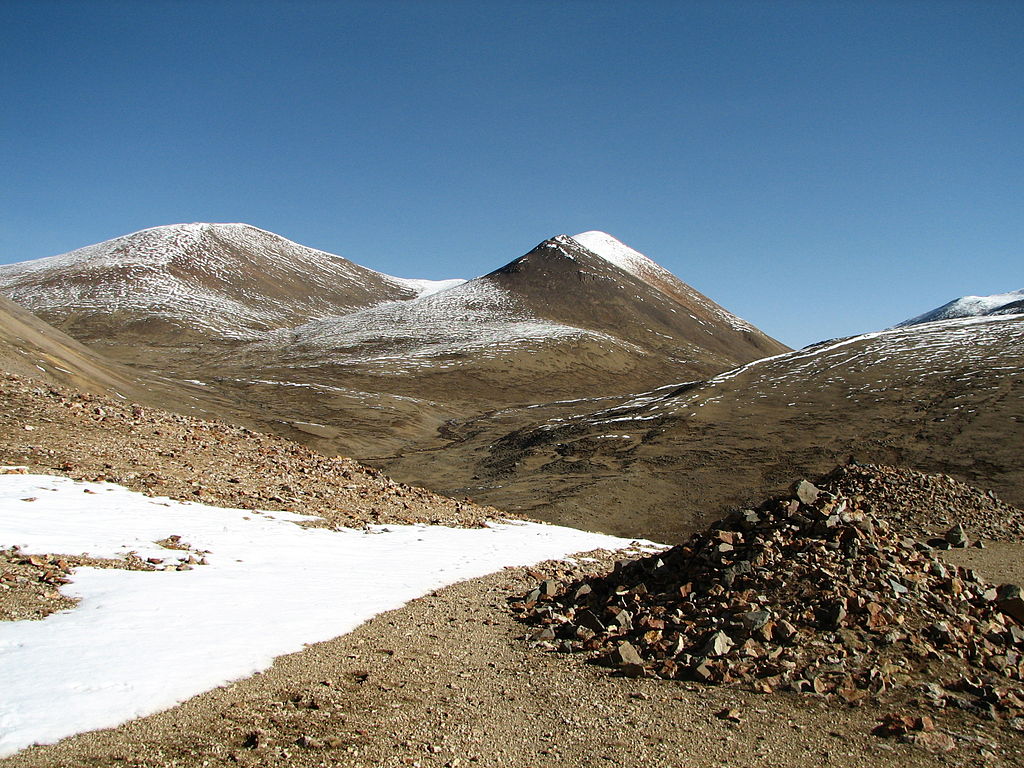
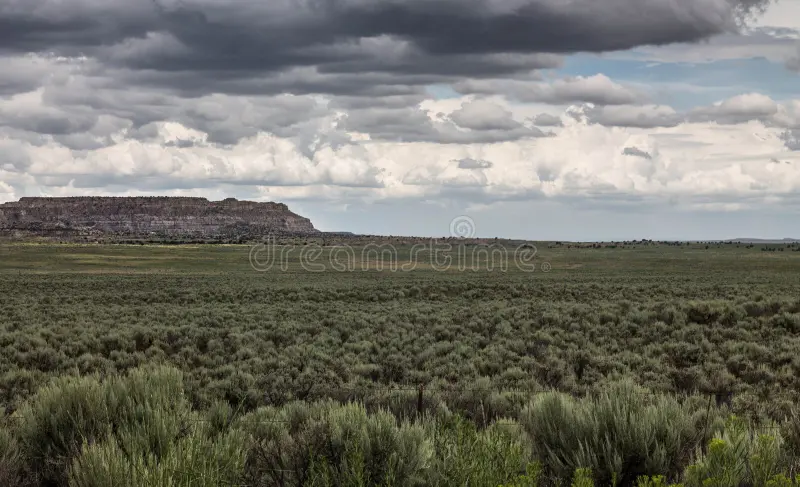
- Find places with open views like mountains, lakes, or deserts.
- Shoot during the “golden hours” — early morning or late afternoon — when the light is soft and warm.
3. Set Up Your Composition
- Use the rule of third to place the horizon either in the top or bottom third.
- Include interesting foreground objects like rocks, flowers, or trees to add depth.
- Look for leading lines (paths, rivers) to guide the viewer’s eye.
4. Adjust Camera Settings
- Use a small aperture (f/8 to f/16) for a large depth of field.
- Set a low ISO (100-200) to reduce noise.
- Use manual focus or focus stacking for sharp images throughout.
5. Take the Shot and Edit
- Take multiple shots from different angles.
- Edit photos to enhance colors, contrast, and sharpness using software like Lightroom.
Advantages of Sweeping Landscape Photography
- Captures the beauty and vastness of nature.
- Creates stunning, dramatic images.
- Works well for prints, travel blogs, and social media.
- Can be relaxing and enjoyable to shoot outdoors.
Disadvantages of Sweeping Landscape Photography
- Requires good weather and light conditions.
- Needs extra gear like tripods and filters.
- Sometimes difficult to find a perfect composition.
- Can be challenging for beginners to get sharp, balanced shots.
The Future of Sweeping Landscape Photography
With new camera technology and editing tools, sweeping landscape photography is getting easier and more creative. Drones allow photographers to capture even wider views from the sky. Virtual reality and 360-degree photography are also opening new ways to experience landscapes.

How to Become an Expert in Sweeping Landscape Photography
- Practice regularly: Visit different locations and try new techniques.
- Learn composition: Study rules and experiment with framing.
- Master your gear: Understand how to use lenses, filters, and camera settings.
- Edit skillfully: Use photo editing to enhance your images professionally.
- Get inspired: Follow famous landscape photographers and learn from them.
- Be patient: Great landscape shots often need time and waiting for the right light.
Sweeping landscape photography is a beautiful way to capture the world’s wide-open spaces. With the right gear, techniques, and patience, anyone can create amazing images that show the true scale and beauty of nature.
Sweeping Landscape Photography FAQs
Sweeping landscape photography focuses on capturing wide, expansive views of natural or urban environments. It emphasizes scale, depth, and openness, often including foreground, middle ground, and background elements. This style helps viewers feel immersed in the scene, making it ideal for showcasing mountains, coastlines, fields, and large scenic vistas.
A wide-angle lens, typically between 10mm and 24mm, is best for sweeping landscape photography. It allows you to capture a broader field of view, making scenes appear more expansive. Wide lenses also enhance depth and perspective, helping foreground elements stand out while still including distant details in the frame.
Use a small aperture like f/8 to f/16 to achieve a deep depth of field, ensuring sharpness throughout the image. Keep ISO low, around 100–200, to reduce noise. A tripod helps stabilize your shot, especially in low light. Adjust shutter speed based on lighting conditions for proper exposure.
The best time is during golden hour, shortly after sunrise or before sunset. During this time, the light is soft, warm, and directional, enhancing colors and textures. Early morning also offers clearer skies and fewer crowds, making it ideal for capturing peaceful and dramatic landscape scenes.
Use composition techniques like the rule of thirds to position key elements. Include foreground subjects such as rocks or plants to add depth. Leading lines like roads or rivers can guide the viewer’s eye. Always balance the scene and avoid clutter to create a visually appealing photograph.
While not always required, a tripod is highly recommended. It ensures sharp images, especially when using slower shutter speeds or shooting in low light. A tripod also helps with precise composition and techniques like focus stacking, making it easier to capture detailed, professional-quality landscape photos.
Common mistakes include not using a strong foreground, shooting in harsh midday light, and relying too much on auto settings. Beginners may also overlook composition and horizon placement. Avoid these by planning your shot, using proper settings, and paying attention to lighting and framing for better results.
Editing plays a key role in enhancing landscape images. Adjusting contrast, brightness, and colors can bring out details and improve overall impact. Tools like Lightroom help refine your shots while maintaining a natural look. However, editing should enhance the photo, not completely alter its authenticity.
Yes, modern smartphones can capture impressive sweeping landscapes, especially with built-in wide-angle lenses. While they may not match professional cameras in detail, good lighting, composition, and editing can produce excellent results. Using HDR mode and keeping the camera steady improves image quality significantly.
To stand out, focus on unique perspectives, interesting light, and strong composition. Experiment with angles, weather conditions, and timing. Adding human elements or unusual viewpoints can create more engaging images. Consistent practice and studying other photographers also help develop a distinctive visual style.