

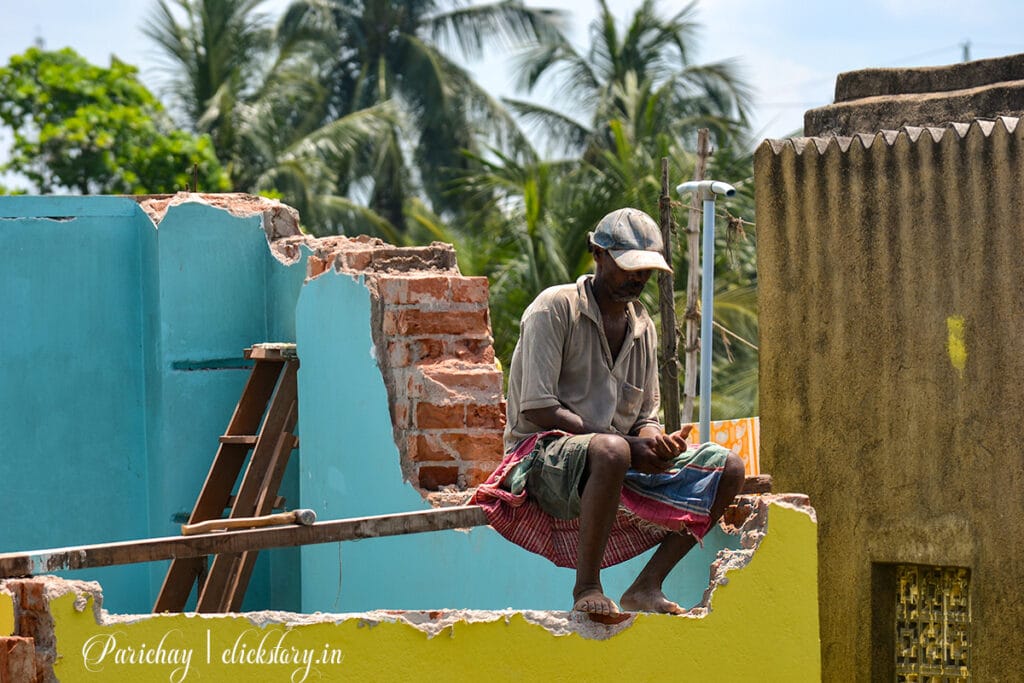
You spot a street vendor resting against an old wall, shadowed by intense sunlight, hands calloused from hard labor. The light is brilliant, the composition is striking, and the emotional mood feels profound. You lift your camera, frame the shot, and press the shutter without ever making eye contact.
You walk away with a visually stunning frame. But ask yourself: What story did you just capture? Is it their truth, or is it an assumption you projected onto them?
In contemporary photography, a technically perfect exposure is no longer the ultimate goal. The real challenge lies in the unseen dynamic between the person behind the viewfinder and the person in front of it. Understanding the ethics of visual storytelling ensures that your photographs empower rather than exploit, represent rather than diminish, and honor the truth of your subjects.
What Is the Ethics of Visual Storytelling?
The ethics of visual storytelling is the moral framework that guides how photographers choose, frame, capture, and edit the lives of other people. It addresses your responsibility when turning someone’s lived reality into an image.
It rests on three core principles:
- Agency: Giving the subject a voice or presence rather than treating them as an object.
- Context: Showing the broader truth rather than cherry-picking visual drama.
- Consent: Respecting human dignity, privacy, and permission.
Ethical photography does not mean every photograph must be a staged portrait with a signed release form, nor does it mean avoiding social issues. Instead, it means refusing to reduce human beings to mere visual props for dramatic effect.
Why Does Ethics Matter in Visual Storytelling?
A photograph carries an implicit claim to truth. Viewers trust that what sits inside the frame happened naturally. However, every choice you make—your angle, focal length, and crop—alters the narrative.
When we photograph communities without understanding their reality, we risk creating harm. Ethical storytelling matters because:
- It balances power dynamics: The photographer holds the power; ethics redirects control back to the subject.
- It prevents harm: Images shared online can affect a subject’s livelihood or reputation permanently.
- It protects truth: Misrepresenting a subject destroys trust between the photographer, the subject, and the audience.

How Does Ethical Visual Storytelling Work?
Ethical decisions happen actively while shooting:
- Perspective & Angle: Shooting down at someone makes them look helpless; shooting at eye level establishes equality and respect.
- Context vs. Isolation: Isolating a subject with an f/1.4 aperture creates a clean background, but it strips away the environment that explains who they are.
- The Gaze: Direct eye contact gives the subject agency, inviting the viewer into a direct relationship rather than a passive gaze.
How to Apply Ethical Practices When Shooting
- Observe first: Spend five minutes watching the space before lifting your camera.
- Engage directly: A simple nod, smile, or conversation turns an intrusion into a shared moment.
- Shoot at eye level: Align camera height with your subject’s line of sight.
- Include context: Use moderate focal lengths (35mm or 50mm) to keep the environment visible alongside the person.
- Show the shot: Sharing the LCD preview builds immediate trust and transparency.
- Edit with integrity: Avoid altering context or pushing contrast to exaggerate tragedy.
Camera Settings and Technical Considerations
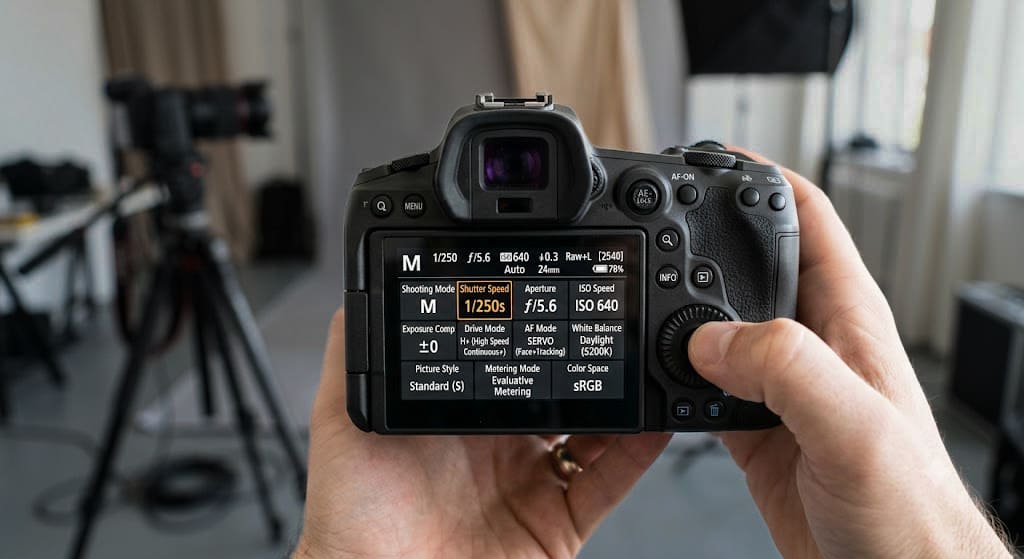
- Focal Length (35mm/50mm vs. Telephoto): Telephoto lenses let you take photos from a distance without engagement. Environmental primes (35mm) force you to stand close and interact naturally.
- Aperture (f/4–f/8 over f/1.4): Shooting around f/5.6 preserves background details—showing the workshop, market, or home that completes their story.
- Shutter Speed: Use fast shutter speeds (1/500s) to capture authentic expressions without awkward distortion.
Building a Stronger Visual Story
Single images can present a narrow view. Construct a balanced sequence instead:
- Establishing Shot: Wide view of the environment.
- Environmental Portrait: The subject active in their space.
- Detail Shot: Hands, tools, or meaningful personal items.
- Quiet Moment: Reflective, unscripted instances.
Real-World Photography Examples
- Street Photography: Instead of taking a quick shot of an elder in a market from far away, step close, ask about their work, and capture them at eye level among their goods.
- Cultural Festivals: Step back to capture community participation as a whole rather than sticking a lens into private, sacred rituals.
- Environmental Portraits: Photograph an artisan holding their tools while looking directly into the lens, celebrating their skill and dignity.
Common Mistakes & Solutions
| Mistake | Why It Weakens the Story | How to Fix It |
| “Poverty Porn” | Reduces complex lives to tragedy for emotional impact. | Highlight resilience, joy, and everyday dignity. |
| Telephoto “Sniper” Shooting | Captures disconnected, invasion-like photos. | Move closer and use a 35mm or 50mm prime lens. |
| Erasing the Background | Excessive blur (f/1.4) removes vital context. | Stop down to f/4 or f/5.6 to keep space readable. |
| Over-Editing | Gritty, harsh contrast turns human faces into caricatures. | Keep color and contrast natural and realistic. |
How Photo Critics Analyze Ethics
When evaluating visual storytelling work, ask:
- Whose perspective is being represented?
- Does the subject have dignity and agency in the frame?
- What information does the image provide, and what does it hide?
Practical Exercise: The Collaborative Story
Objective: Practice ethical engagement and collaborative storytelling.
Location: A local market or neighborhood workshop.
Rules: No telephoto lenses; no photos without initial engagement; shoot all portraits at eye level.
Task (4-Image Sequence):
- Wide Establishing Shot (f/5.6)
- Collaborative Eye-Level Portrait (f/2.8)
- Detail Shot of Hands at Work (f/4)
- Interaction Shot with the Space (f/5.6)
Reflection Questions:
- Did talking to the person change how I framed the shot?
- Does the subject look dignified in the final images?
Conclusion
Camera gear and technical skill make a photograph visually appealing, but empathy and respect make it meaningful. Before pressing the shutter, ask yourself: “Am I taking this picture, or am I receiving it with respect?”
Frequently Asked Questions (FAQ)
Q1: Do I need written release forms for street photography?
In public spaces, legal rules vary, but ethics go beyond laws. If a person is the central subject of your image, seeking verbal or written consent is best practice.
Q2: Does asking permission ruin candid moments?
Not if you shoot the authentic moment first, then approach the subject immediately after to explain your project and ask if they are comfortable with the image.
Q3: Is it unethical to edit documentary photos?
Standard exposure and color adjustments are fine. Cloning out key objects or adding artificial elements to exaggerate reality crosses into unethical manipulation.
Q4: What should I do if someone asks me to delete their photo?
Delete it immediately without debate. Respecting human dignity always comes before saving an image.
