

You spend six hours exploring a historic pottery village. The sun breaks through rain clouds at 5:00 PM, casting golden backlight across a artisan’s workshop. You drop low, open your lens wide, and capture a jaw-dropping, award-worthy portrait: perfect rim lighting, tack-sharp focus, rich shadows, and incredible facial expression. It is, without question, the single best photo you took all month.
You return home to assemble a six-image photo story about the decline of traditional pottery. You insert this golden-hour masterpiece into your sequence right alongside your environmental shots of raw clay, drying racks, and quiet kilns.
Yet, when people scroll through your project, something feels wrong. The sequence stumbles. The golden portrait draws so much attention to its own lighting that it disrupts the quiet, somber tone of the rest of the project. It feels like an uninvited guest at an intimate dinner table.
As visual storytellers, we face a hard truth: A photo story is not a trophy case for your favorite individual images. Often, your single most impressive photograph must be cut for the story to survive.
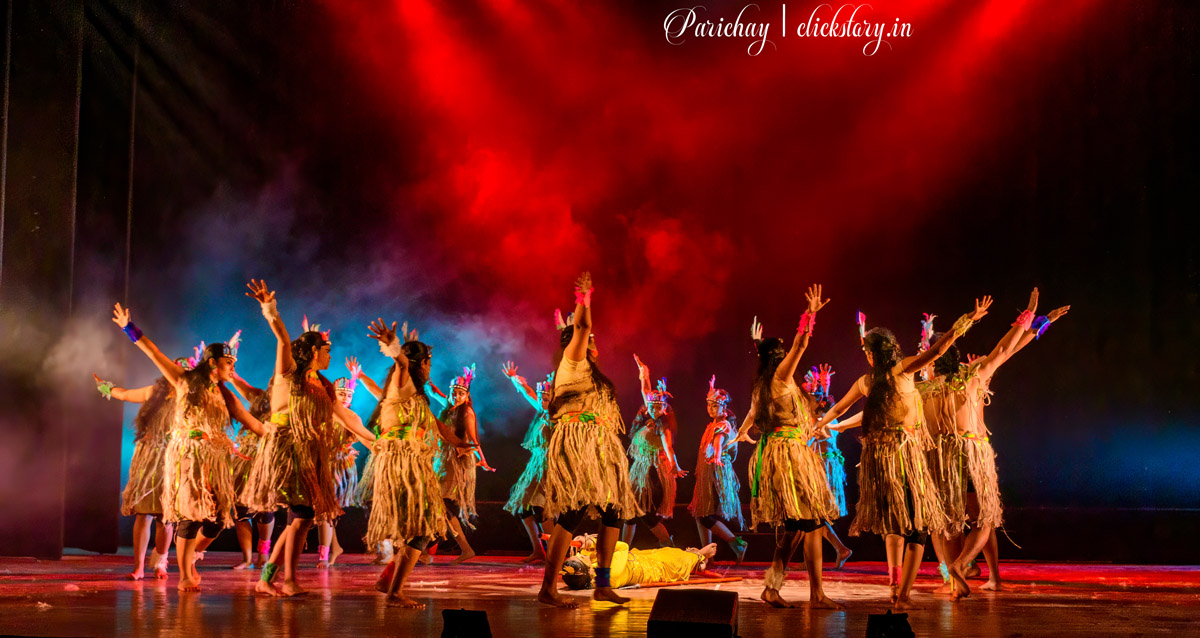
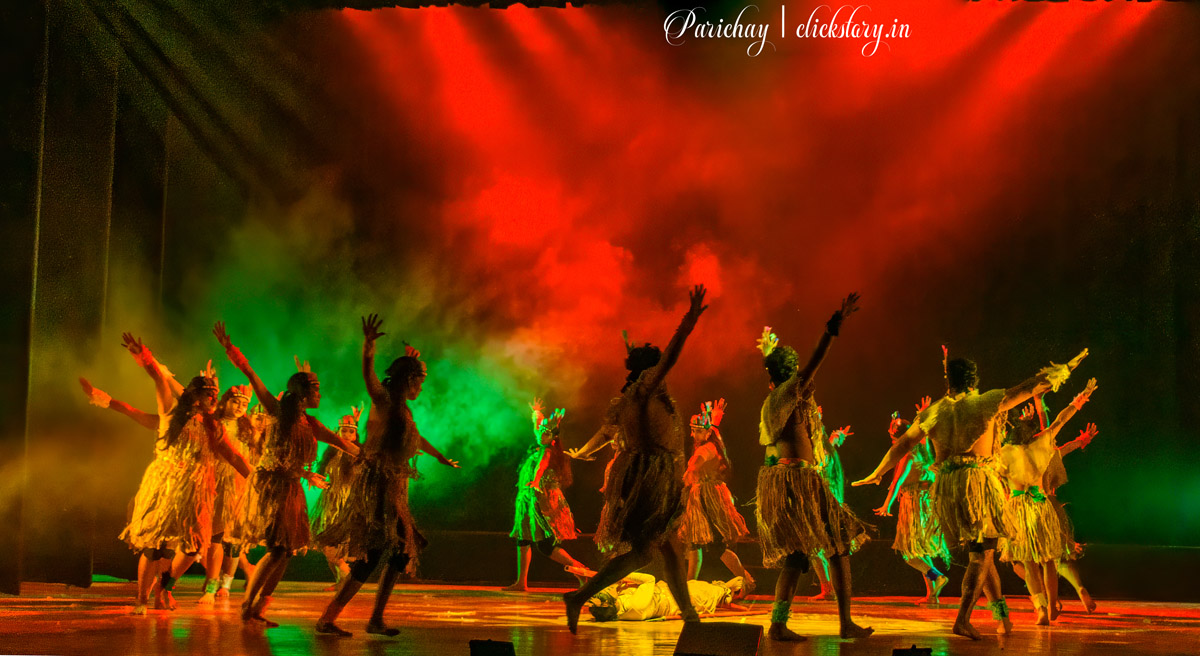
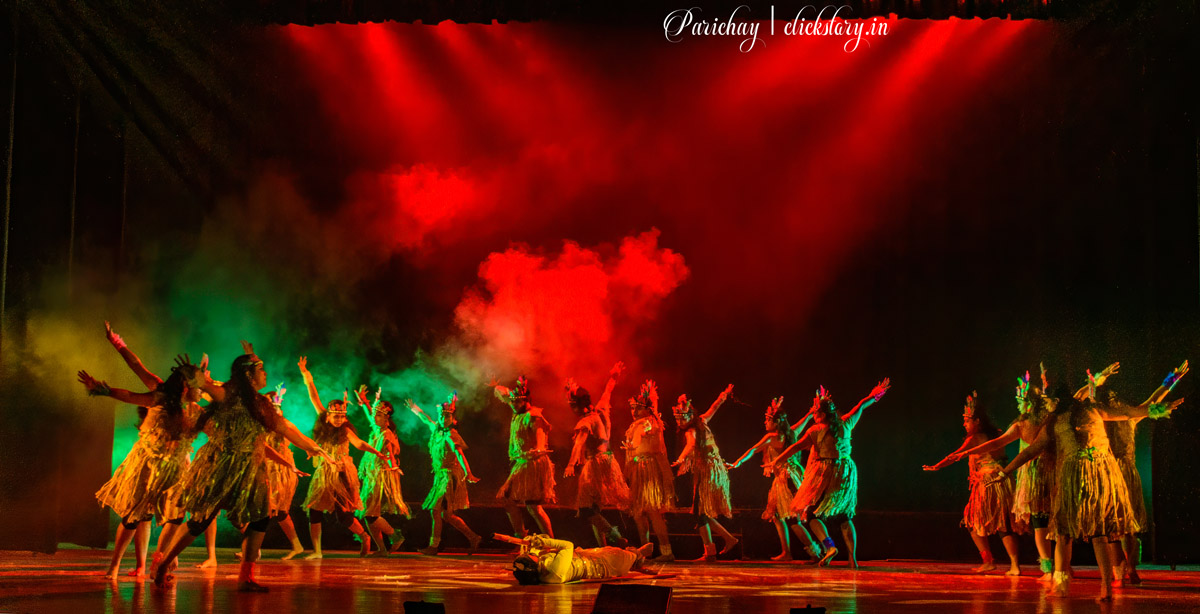
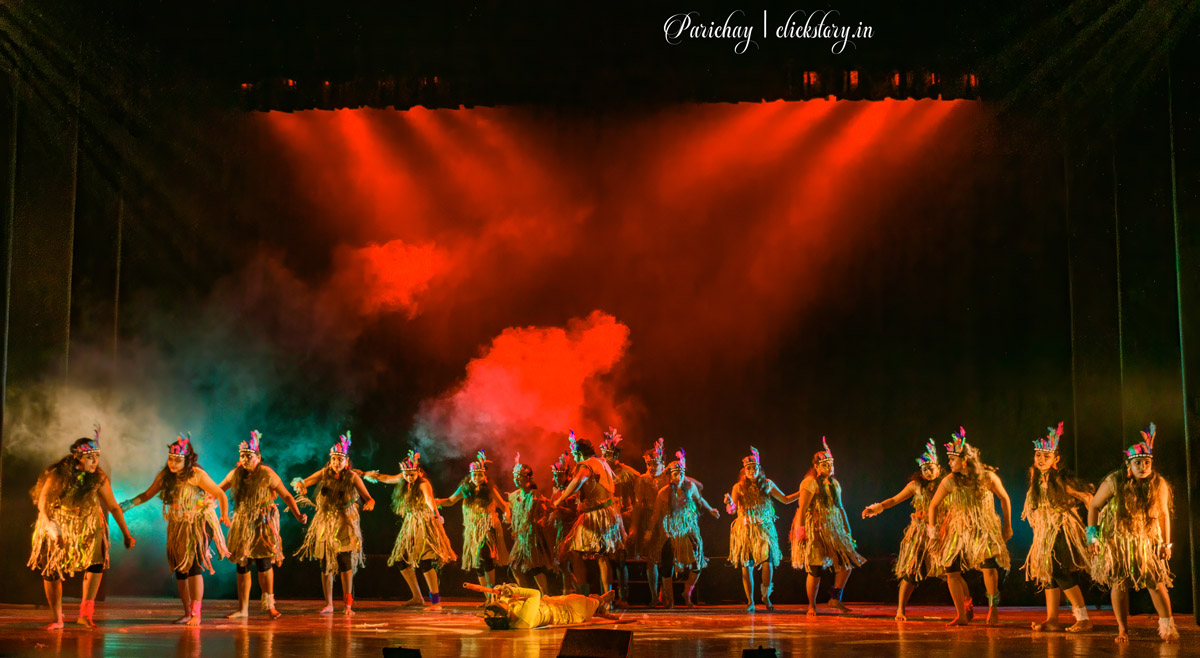
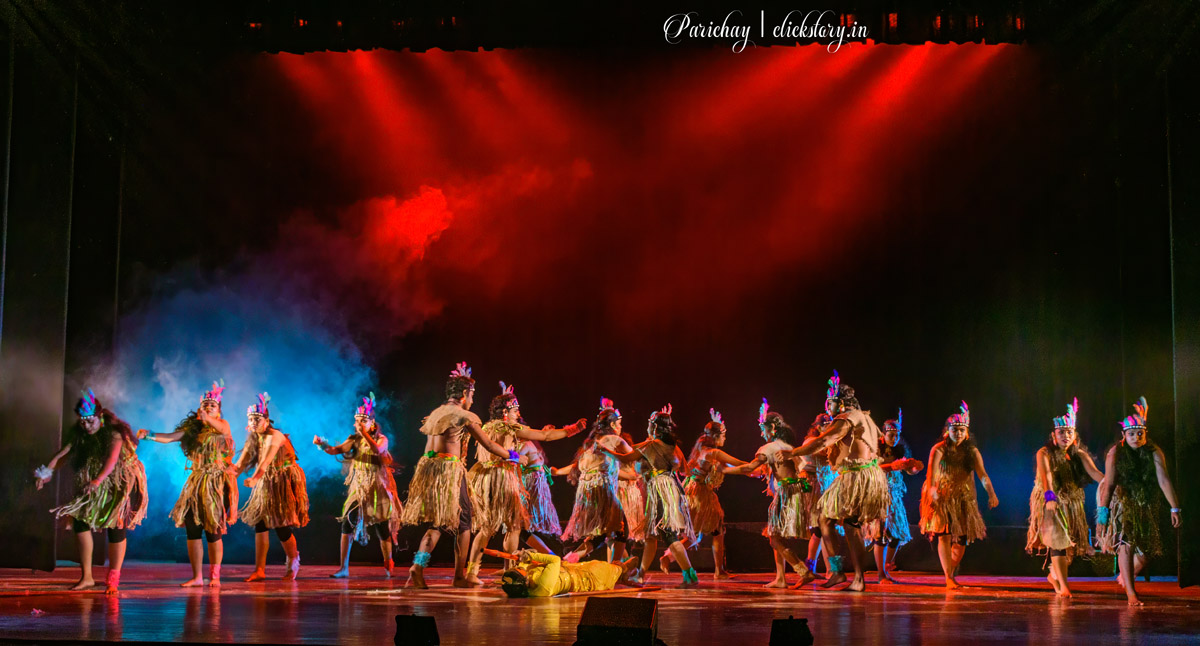
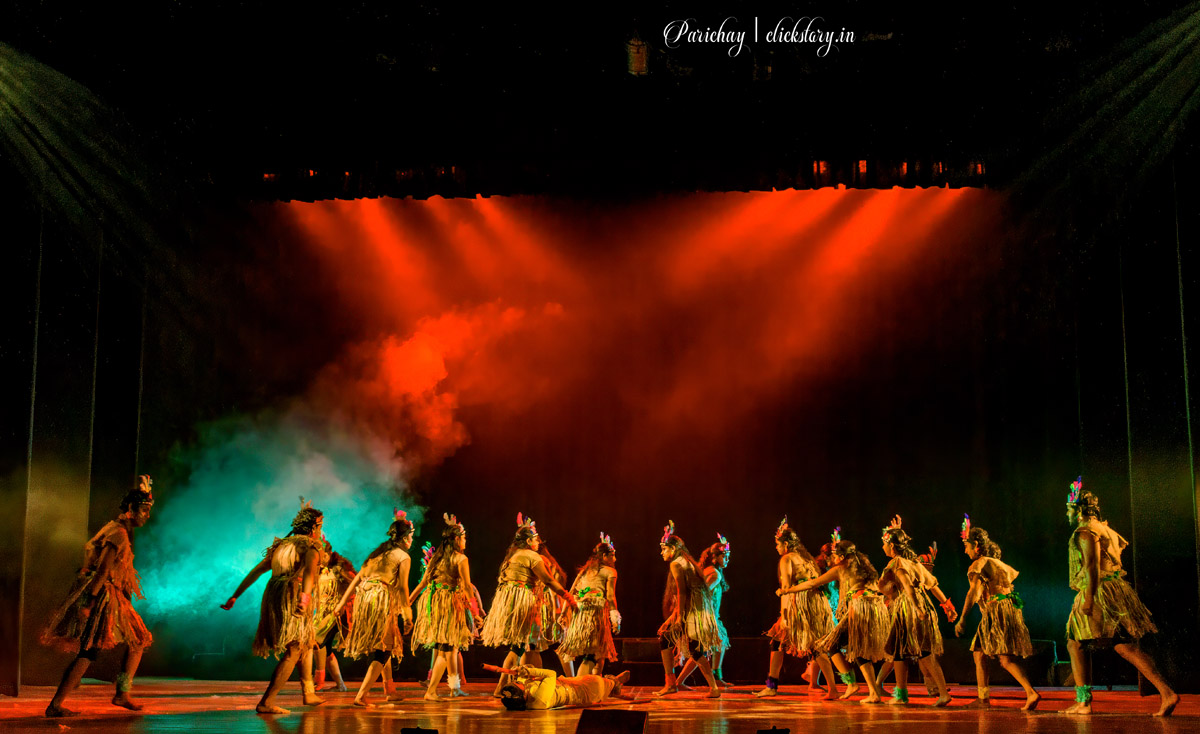
Think about the fifth image…..is it necessary?
What Is Curation in Visual Storytelling?
In individual photography, your goal is to make one frame as visually complete and striking as possible. In visual storytelling, your goal is cohesion across a sequence.
Curation (or picture editing) is the process of selecting, arranging, and discarding photographs to build a unified narrative arc.
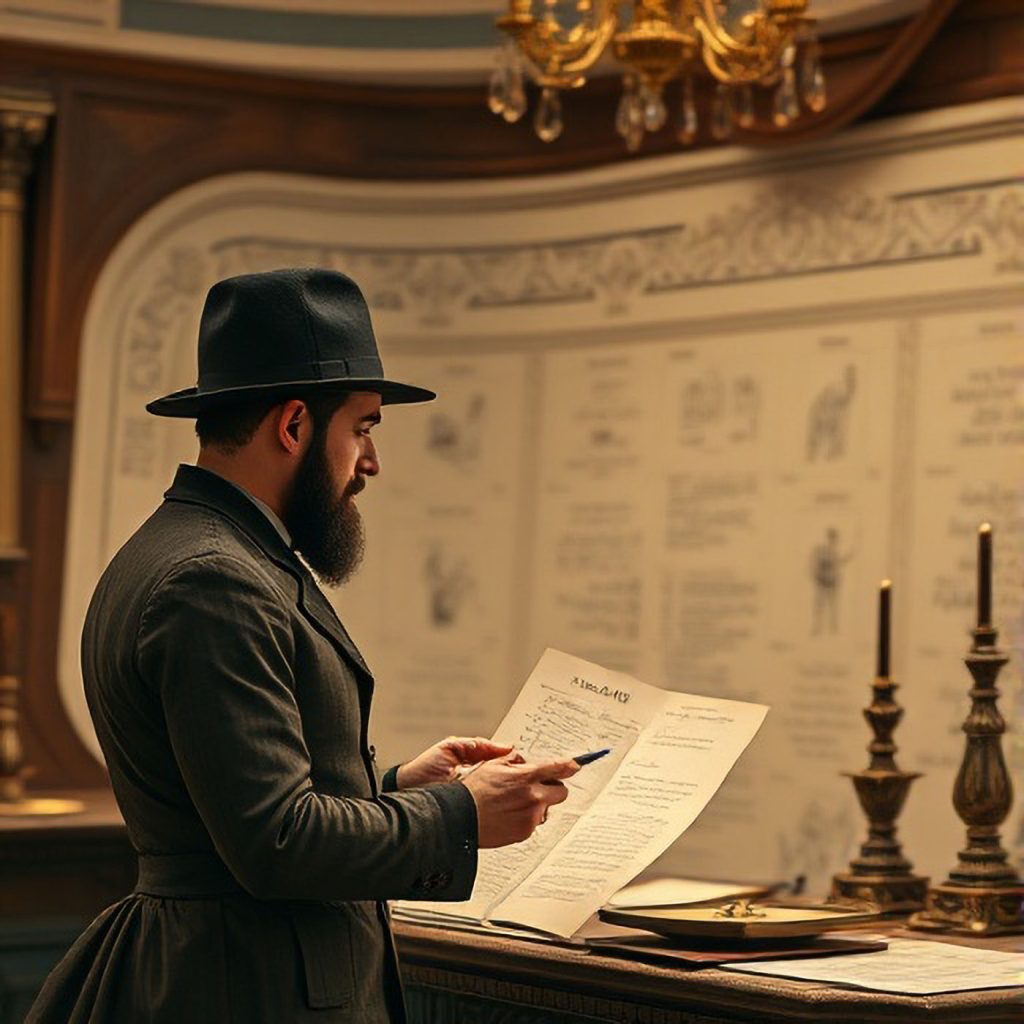
A photograph that fails to serve the narrative is a distraction—no matter how technically perfect or visually dramatic it is on its own.
Why Does Curation Matter in Visual Storytelling?
A photo story operates like a piece of music or a written sentence. Individual words can be poetic, but if they disrupt the grammar of the sentence, they make the text unreadable.
Individual Hero Shot ──> Draws isolated attention ──> Breaks narrative flow
Cohesive Frame        ──> Connects frame to frame   ──> Builds narrative momentum
Photographers struggle with curation because of emotional attachment—a phenomenon often called “killing your darlings.” You remember standing in the rain for two hours to get a specific frame, or the precise timing required for a rare lighting moment. However, the viewer does not know your personal effort. They only judge what the sequence communicates:
- Tonal Mismatch: A high-contrast, hyper-dramatic action shot inside a dark or dull light, reflective story destroys the emotional climate.
- Visual Redundancy: Two visually stunning portraits taken five seconds apart stall the narrative pace, forcing the viewer to look at the same idea twice.
- Context Interruption: An ultra-shallow depth of field photo that completely blurs out the background removes vital environmental information required by the surrounding frames.
How Curation Works: The Mechanics of the “Cut”
When evaluating whether a photograph belongs in a sequence, assess three narrative metrics:
1. Narrative Value vs. Aesthetic Value
Aesthetic value refers to light, color, sharpness, and graphical geometry. Narrative value refers to context, gesture, relationship, and meaning. A frame with moderate aesthetic value but high narrative value will always outperform a gorgeous frame with zero narrative relevance.
2. Contextual Compatibility
Every photo in a sequence must fit the established universe. If your photo essay documents a dark, underground subterranean workspace in low-key lighting, introducing a bright, saturated, sunlit exterior portrait breaks visual logic.
3. Rhythm and Pacing
Sequences require visual shifts: from wide establishing views to tight details, from high action to quiet moments. Inserting a loud, hyper-dramatic “hero shot” into a series of quiet, contemplative moments acts like a sudden scream in a quiet conversation.
How to Apply Curation When Editing Your Story
Editing down a project requires removing personal pride from the process. Use this practical, step-by-step editing workflow:
1. Import All Frames ──> 2. First Pass (Quality) ──> 3. Second Pass (Story) ──> 4. Test Sequence Flow ──> 5. The Darling Cut
- Step Away Before Editing: Never edit a photo story on the same day you shoot it. Wait at least 24 to 48 hours to detach your personal memory of shooting from the actual visual output.
- Perform the “Quality Pass”: Remove all technical misfires (out of focus, accidental exposure errors, duplicate frames).
- Perform the “Narrative Pass”: Group your remaining images by function—Establishing/Wide, Medium Interactions, Close-up Details, Environmental Portraits, and Aftermath.
- Build a Draft Sequence: Arrange your images into a logical progression (e.g., Opening → Context → Action →Detail → Resolution).
- Execute “The Darling Cut”: Identify your absolute favorite individual photo in the set. Ask yourself: “If I remove this photo, does the story become clearer, or does it lose crucial information?” If the story becomes clearer, remove it immediately.
Technical Considerations Affecting Curation
Visual inconsistencies created by technical choices during shooting often force good images to be cut during editing.
| Technical Variable | Curation Conflict | Storytelling Resolution |
| Focal Length Jumps (16mm to 200mm) | Jarring perspective shifts disrupt visual rhythm. | Maintain consistent focal length ranges (28mm – 50mm) for intimate documentary stories. |
| Extreme Aperture Variations (f/1.8 vs. f/11) | Blurring out environmental context in isolated slides creates visual disconnect. | Match depth-of-field choices to narrative intent rather than applying shallow focus indiscriminately. |
| Color Temperature Shifts (3000K to 6500K) | Clashing color palettes distract from subject matter. | Normalize color temperatures or convert to black and white if lighting conditions vary wildly. |
| Flash vs. Ambient Light Mix | Sudden direct flash frames feel out of place in ambient projects. | Stick to a unified lighting language across the entire series. |
Building a Stronger Visual Story
To build a sequence where every image serves the whole, assign a specific job to every photo in your edit.
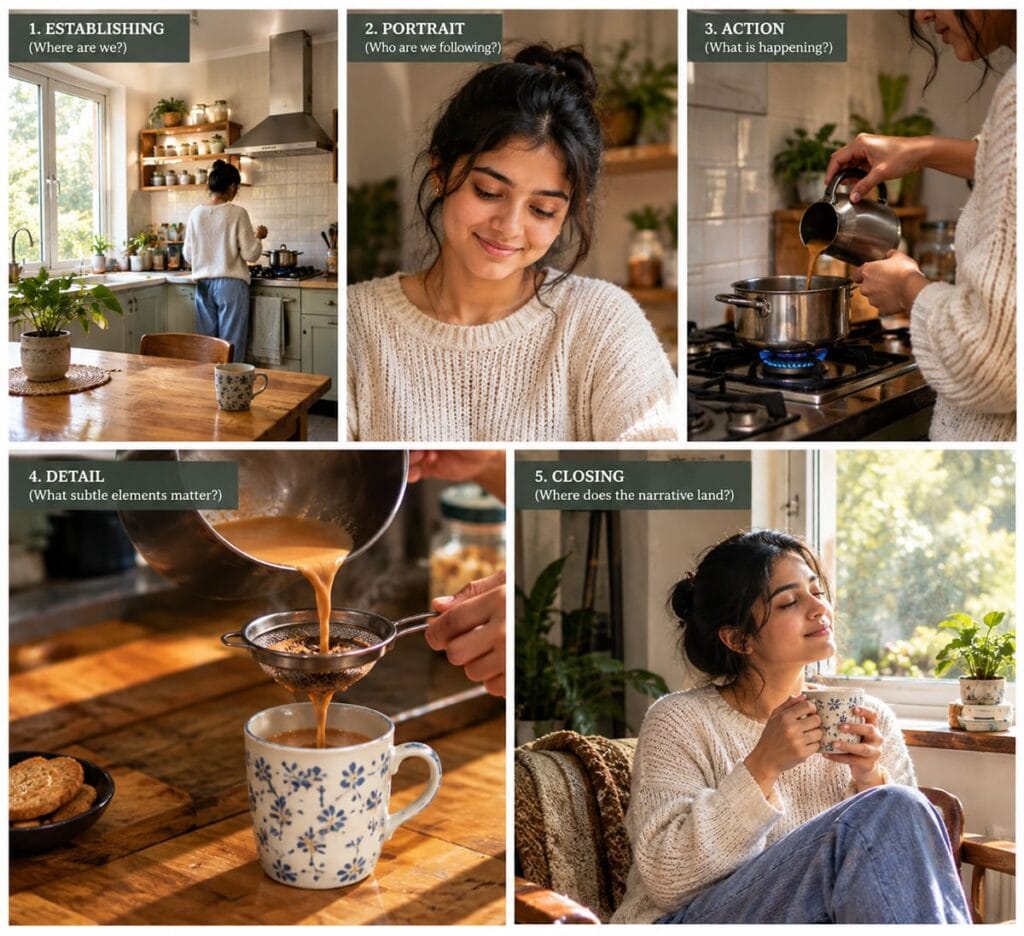
TYPICAL 5-SHOT STORY SEQUENCE:
[ Frame 1: Hook/Lead ] –> [ Frame 2: Context/Wide ] –> [ Frame 3: Interaction ] –> [ Frame 4: Detail ] –> [ Frame 5: Finale ]
Every photo must carry its weight without stealing focus from the overall narrative arc:
- The Lead Image: Establishes atmosphere and curiosity.
- The Context Image: Shows the environment and scale.
- The Medium Interaction: Captures human relationships or work.
- The Detail Shot: Highlights symbolic objects or textures.
- The Closing Image: Brings visual or emotional resolution.
If your “best photo” doesn’t fulfill one of these specific roles cleanly, it is an obstacle, not an asset.
Helpful topic –> How to read a photograph?
Real-World Photography Examples
Scenario 1: A Day in the Life of a Traditional Boatbuilder
- Situation: Documenting a craftsman shaping wooden boats along a riverbank.
- The Standout Photo: A dramatic ultra-wide backlight landscape of the river at sunrise with a distant boat silhouette. It is visually breathtaking.
- The Story Conflict: The rest of the story is an intimate, gritty look at wood shavings, calloused hands, sweat, and dark shed interiors. The epic sunrise landscape makes the project look like a tourism ad rather than a documentary about labor.
- The Curation Decision: Cut the sunrise shot. Replace it with a medium shot of the artisan unlocking his dark workshop. The story stays focused on human labor.

Scenario 2: High-Energy Dance Festival
- Situation: Photographing dancers performing onstage under changing theatrical lights.
- The Standout Photo: A hyper-detailed close-up of an ornate ankle bell ankle-strap lying on a velvet table, shot with extreme shallow depth of field and dramatic studio-like light.
- The Story Conflict: The main project focuses on dynamic stage movement, sweeping motion blur, and group coordination. The static, hyper-polished detail shot halts the athletic momentum of the edit.
- The Curation Decision: Cut the polished detail shot. Save it for a commercial portfolio. Keep the story’s visual pace energetic and fluid.
Scenario 3: Urban Street Life during Monsoon
- Situation: Capturing daily life amidst sudden torrential rain in a crowded market.
- The Standout Photo: A perfectly timed street portrait of a passerby making a funny, dramatic face directly at the camera while holding an umbrella.
- The Story Conflict: The project explores urban resilience, quiet struggle, and people navigating flooded streets. The comedic face breaks the empathetic, serious tone of the project.
- The Curation Decision: Cut the funny portrait. The humor disrupts the human empathy built by the surrounding frames.
Common Mistakes Photographers Make
- Editing Right After Shooting
- Why it weakens the story: Your emotional memory of taking the picture blinds you to what the picture actually shows.
- How to fix it: Step away from your desktop for at least two days before making initial selections.
- Including “Duplicate Darlings”
- Why it weakens the story: Keeping three portraits of the same person because “the lighting is slightly different in each” makes the sequence feel repetitive.
- How to fix it: Pick the single strongest frame that advances the narrative and ruthlessly delete the rest from the edit.
- Mixing Clashing Editing Styles
- Why it weakens the story: Applying moody vintage presets to three photos and vibrant, punchy edits to the other three creates a messy visual identity.
- How to fix it: Use a uniform color grade across the entire photo essay.
- Prioritizing Technical Perfection over Human Emotion
- Why it weakens the story: Selecting a sharp, well-lit photo with a dull expression over a slightly soft photo with an incredible human moment.
- How to fix it: Prioritize expression, gesture, and storytelling weight over perfect sharpness.
- Refusing to Shorten the Project Length
- Why it weakens the story: Forcing a project to be 15 images long when you only have 6 strong narrative frames dilutes the impact.
- How to fix it: Remember that a tight, powerful 5-image story is far better than a diluted 12-image sequence.
- Hiding Weak Narratives Behind Captions
- Why it weakens the story: Including an irrelevant hero shot and trying to force it into the story using a long, descriptive text caption.
- How to fix it: Ensure the visual sequence tells the core story on its own before adding text.
How to Improve Weak Results
“My photo essay looks like a random gallery of good pictures.”
- The Problem: You selected images based on individual beauty rather than narrative connections.
- The Solution: Remove your two most dramatic photos. Re-sequence the remaining shots to focus strictly on time, place, or process.
“The emotional flow of my story feels jarring.”
- The Problem: You placed a high-energy, flash-lit or hyper-saturated frame in the middle of a quiet, ambient series.
- The Solution: Standardize your editing style, or move high-energy shots to the designated climax of your project.
“Viewers lose interest halfway through my 10-slide carousel.”
- The Problem: Visual redundancy. You are showing similar compositions or focal lengths back-to-back.
- The Solution: Cut the total frame count down from 10 to 5 or 6, ensuring every slide changes subject distance or angle.
Creative Curation: The Power of Contrast and Absence
Advanced editors use curation choices to create deeper meaning:
- Juxtaposition: Placing two contrasting images next to each other (e.g., an elderly hand next to a newborn hand) creates a third meaning that neither image possesses alone.
- The Power of Absence: Intentionally cutting the “main event” shot to focus exclusively on reactions and aftermath can make a story far more haunting and memorable.
- Visual Metaphor: Replacing a literal portrait with a quiet, symbolic object frame (e.g., an empty workbench) forces the viewer to think critically about the theme.
Curation in Contemporary and Social-Media Storytelling
In social-media carousels and vertical mobile feeds, curation strategy directly controls engagement.
VERTICAL CAROUSEL CURATION STRATEGY:
Slide 1: Hook Frame (Establishes Interest)
Slide 2: Wide Environmental Context
Slide 3: Intimate Medium Action
Slide 4: Detailed Metaphor / Symbol
Slide 5: Quiet Resolution Frame
Posting ten stunning individual pictures in a single carousel creates visual fatigue. Curation is the art of giving your audience a clear visual path, using contrast and variation to hold their attention.
How Photo Critics Analyze Sequence Curation
Photo critics, magazine editors, and curators evaluate visual projects by analyzing what was removed just as much as what was included. They ask four analytical questions:
- Is every image necessary? If we remove Frame 3, does the narrative collapse or become cleaner?
- Did the photographer prioritize personal ego over narrative truth? Is there a flashy, unnecessary technique shot disrupting the subject’s reality?
- How do the images converse with each other? Does Frame 2 build upon Frame 1, or simply repeat it?
- Is the editing style serving the theme? Does the visual treatment respect the subject matter, or is it purely decorative?
Practical Exercise: The “Ruthless 5-Frame Cut” Assignment
Develop your editing instincts by taking a large set of images and cutting them down to a tight, narrative-driven sequence.
- OBJECTIVE: Learn to discard your best individual “hero shots” to build a stronger overall photo story.
- LOCATION: Any local setting with activity (e.g., a bustling kitchen, garage, craft workshop, or local sports field).
- TIME: 1 Hour shooting, 1 Hour editing.
- EQUIPMENT: Any camera or smartphone.
ASSIGNMENT RULES:
- Shoot at least 40 total exposures during the session
- Intentionally capture 2 hyper-dramatic “hero shots”
- Select exactly 5 final images for your story
- RULE: You MUST cut your favorite individual photo!
- SHOOTING TASK: Capture the entire process from start to finish, including wide environmental shots, medium interactions, tight details, and aftermath.
- EDITING TASK: Create a 5-image sequence. Force yourself to remove your single favorite photograph from the selection. Replace it with a simpler image that better connects Frame A to Frame B.
Reflection Questions:
- How did it feel emotionally to remove your single favorite photograph?
- Does the 5-image sequence flow better without that stunning standalone frame?
- What information does the simpler replacement photo provide that the hero shot lacked?
- Does the emotional tone of the series feel more consistent now?
- Would a stranger understand the story faster with or without the hero shot?
Conclusion
A great photograph is a soloist, but a great photo story is an orchestra. Never let a single loud, beautiful image drown out the quiet harmony of your overall narrative: When editing your next photo story, edit for the narrative, not your ego—and don’t be afraid to kill your darlings.
Frequently Asked Questions (FAQ)
1. Why should I remove my best photo from a photo essay?
If your best photo conflicts with the emotional tone, visual style, or narrative pacing of the rest of the sequence, keeping it will distract the viewer and disrupt the flow of the story.
2. How can I tell if a photograph is distracting from my photo story?
If the photograph draws attention to its technical execution (like extreme lighting or heavy background blur) rather than contributing context, emotion, or meaning to the adjacent slides, it is a distraction.
3. What does “killing your darlings” mean in photography?
It is an editing phrase that means discarding your favorite individual images—shots you worked hard to get—because they fail to serve the collective narrative of the overall project.
4. How many images should be in a beginner photo story?
A tight, well-edited set of 5 to 7 images is ideal for beginners. It forces you to assign a clear job to every single frame without diluting the narrative.
5. What should I do with a great photo that gets cut from a story?
Save it! A great picture that fails inside a photo essay can still be published as a standalone single image, entered into single-frame contests, or featured in your general portfolio.
