
Start with a Plan, Not Just the Camera
Photography pre-visualization techniques help you plan your photos before you take them. Many beginners just grab their camera and start shooting, which can be fun but doesn’t always give the best results. If you want your photos to tell a story, have a clear style, or look more professional, planning ahead is very important.

Why Bother Planning?
Let’s look at two situations.
Example 1: Random Walk Shooting
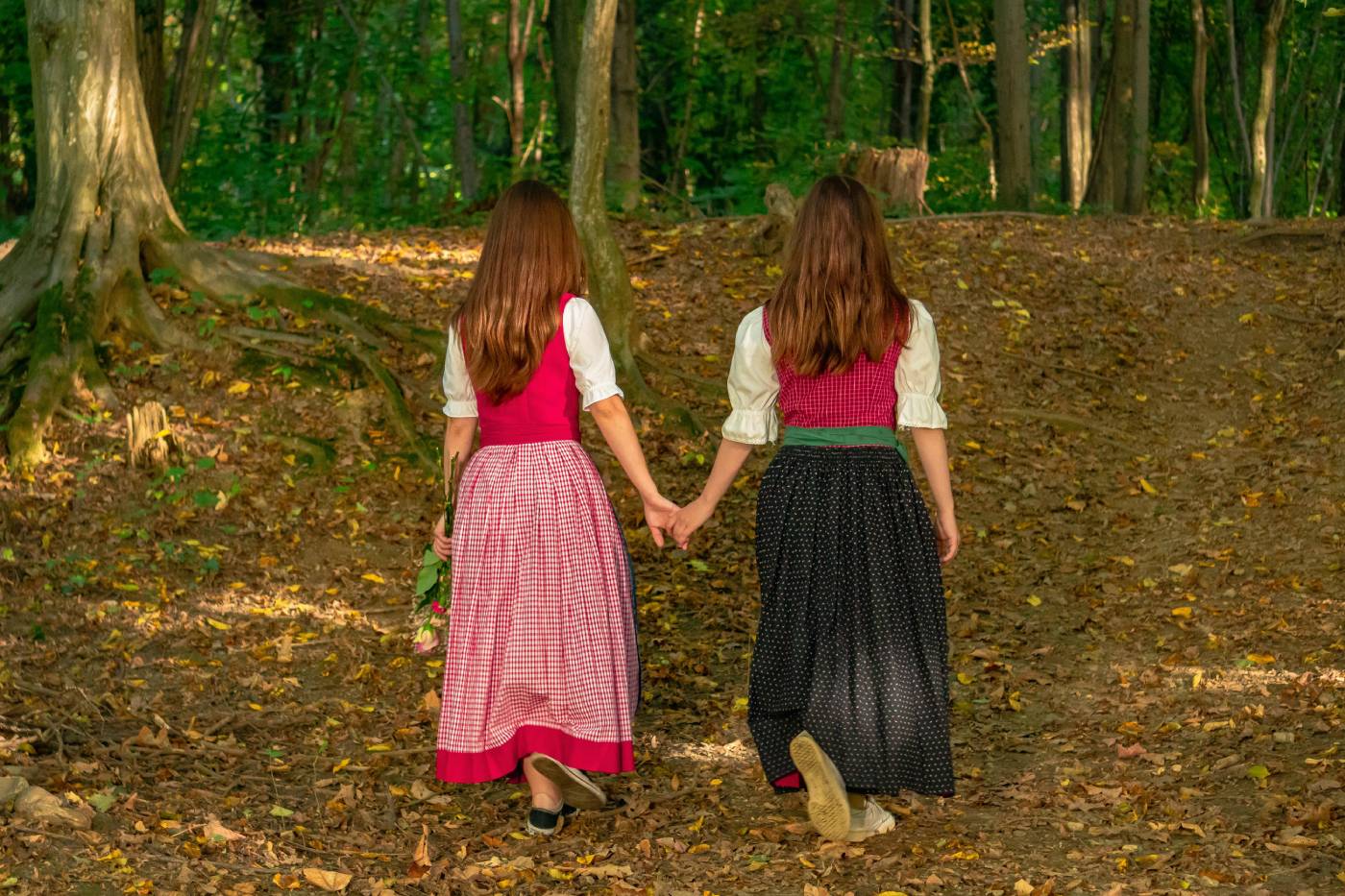
You go for a walk with your camera. You take some street shots, maybe a cat, a cool doorway, a sunset. They look nice on their own—but when you look at them all together, they don’t connect. There’s no story.
Result: Random images. Some okay, some not. Nothing really stands out.
Example 2: Simple Planned Project
You decide: “Today, I’m going to shoot a photo story called ‘Old Shops in My Neighborhood.’
Before the shoot, you:
- Think about what kind of shops you want (tailors, old bookstores, repair shops)
- Choose the time of day for nice light
- Plan to include details: signs, hands working, old objects
- Decide to keep the editing warm and vintage-looking
Result: A strong, themed photo series. It tells a story. It looks intentional. People notice.
What Is Pre-visualization?
It is just a fancy word for thinking about the final photo before taking it.
Ask yourself:
- What do I want the photo to say or show?
- What will it look like? (Framing, light, colors, mood)
- What’s the feeling I want to create?
Before the Shoot: 5 Simple Assignments
1. One-Sentence Concept
- Write down the idea in one sentence.
- Example: “I want to show how lonely the city feels at night.”
- This helps you focus.
2. Create a Mini Mood Board
Collect 5–10 images online that match your idea. Use Pinterest or just save them to a folder.
- Example: For “lonely city nights,” look for:
- Empty streets
- Harsh lights
- Silhouettes of people
- Cool color tones
Now you have visual inspiration.
3. Plan Your Shots
Think of 3–4 key shots you want.
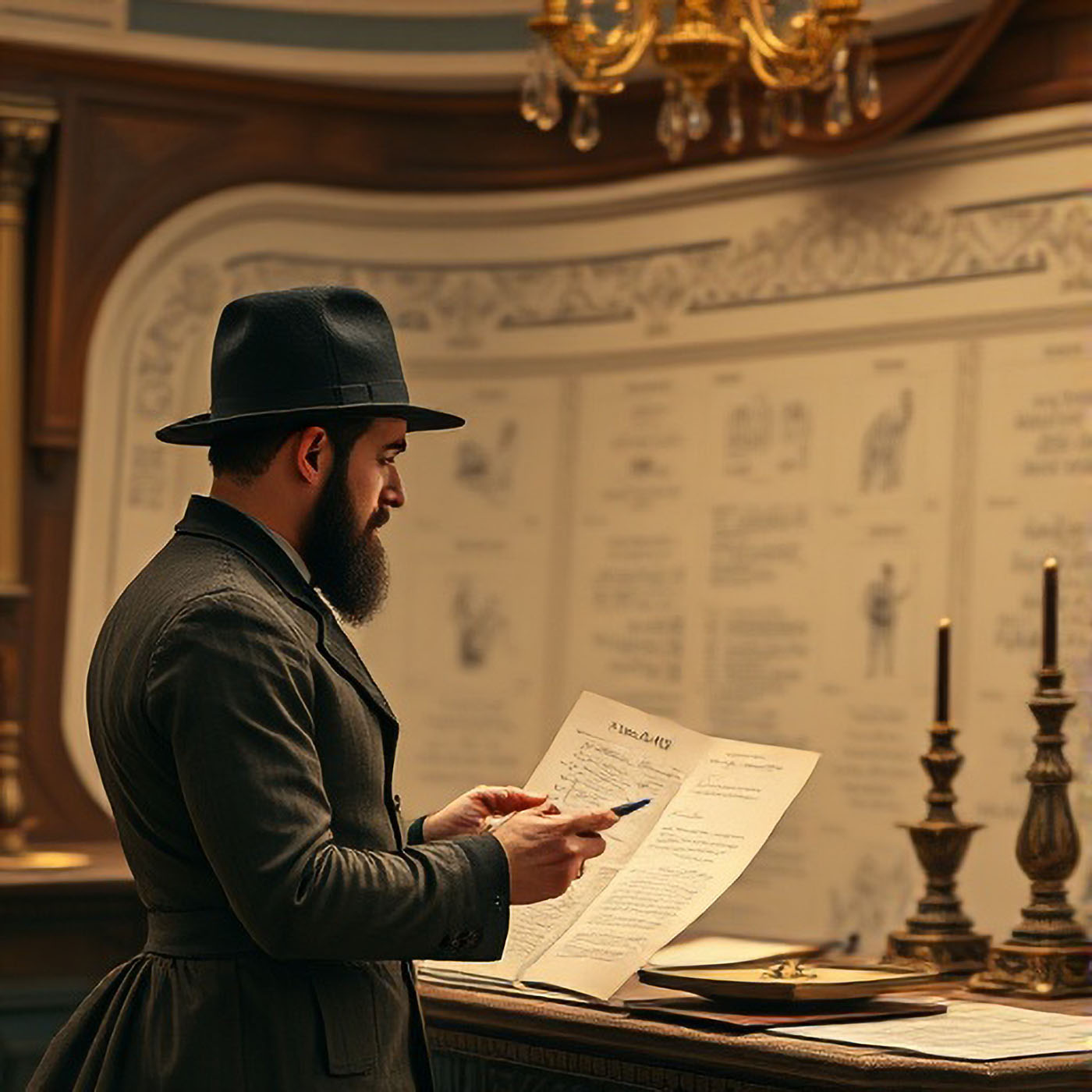
Example:
- A single person crossing an empty street
- A bus stop lit by a neon sign
- A wide shot of someone sitting alone on a bench
It’s okay if the plan changes during the shoot—but starting with ideas helps.
4. Scout the Location
If possible, visit the location before the shoot. Or look at it on Google Street View.
Example:
- Find streets with good lighting at night
- Look for reflections, interesting corners, or places where people pass by
5. Pick the Time and Mood
Think about what time of day and what type of light will suit your idea.
Example:
- Early morning for calm, empty scenes
- Golden hour for warm, dreamy vibes
- Night for mystery or isolation
More Real Examples
- Portrait Shoot Without a Plan
- You go to shoot portraits of a friend. No plan. You take 100 photos—some smiling, some serious, some sitting, some standing. Later, it’s hard to pick the best ones because there’s no clear theme.
- Better: Plan a mood—maybe “soft and quiet.” Use window light, ask them to wear neutral tones, and shoot them reading or looking out the window.
- Now you have a clear, focused portrait session.
Still Life: Random vs Planned
You photograph fruit on your kitchen table. The colors clash. Light is too harsh. Background is distracting.
Planned Version:
- Concept: “Old-style food still life”
- Use a dark cloth background
- Add moody light from the side
- Pick apples, a knife, and an old plate
Result: Looks like a painting. Feels intentional.
The Payoff
When you plan ahead—even just a little—you’ll notice:
- You shoot less but better
- Your photos feel connected
- You save time editing
- Your work looks more professional
It’s not about making a strict plan—it’s about starting with a purpose.
Final Tip
Before your next shoot, stop and ask yourself:
- “What story do I want to tell?”
- That one question can change how you shoot—and how people see your work.