
Stage photography in India faces growing challenges due to uncontrolled LED lighting setups. From dazzling classical dance performances to energetic local dramas, photographers often battle unpredictable colors, dimming effects, and flicker that distort skin tones and costume details. Understanding and solving these LED lighting issues has become essential for anyone serious about capturing India’s vibrant stage culture.
In most Indian stage events, lighting is managed by technicians who prioritize what looks bright and colorful to the naked eye, not what works for a camera sensor. This mismatch creates serious difficulties for photographers trying to capture accurate colors, skin tones, and consistent exposure.
The Common Problem: “Color Chaos” on Stage
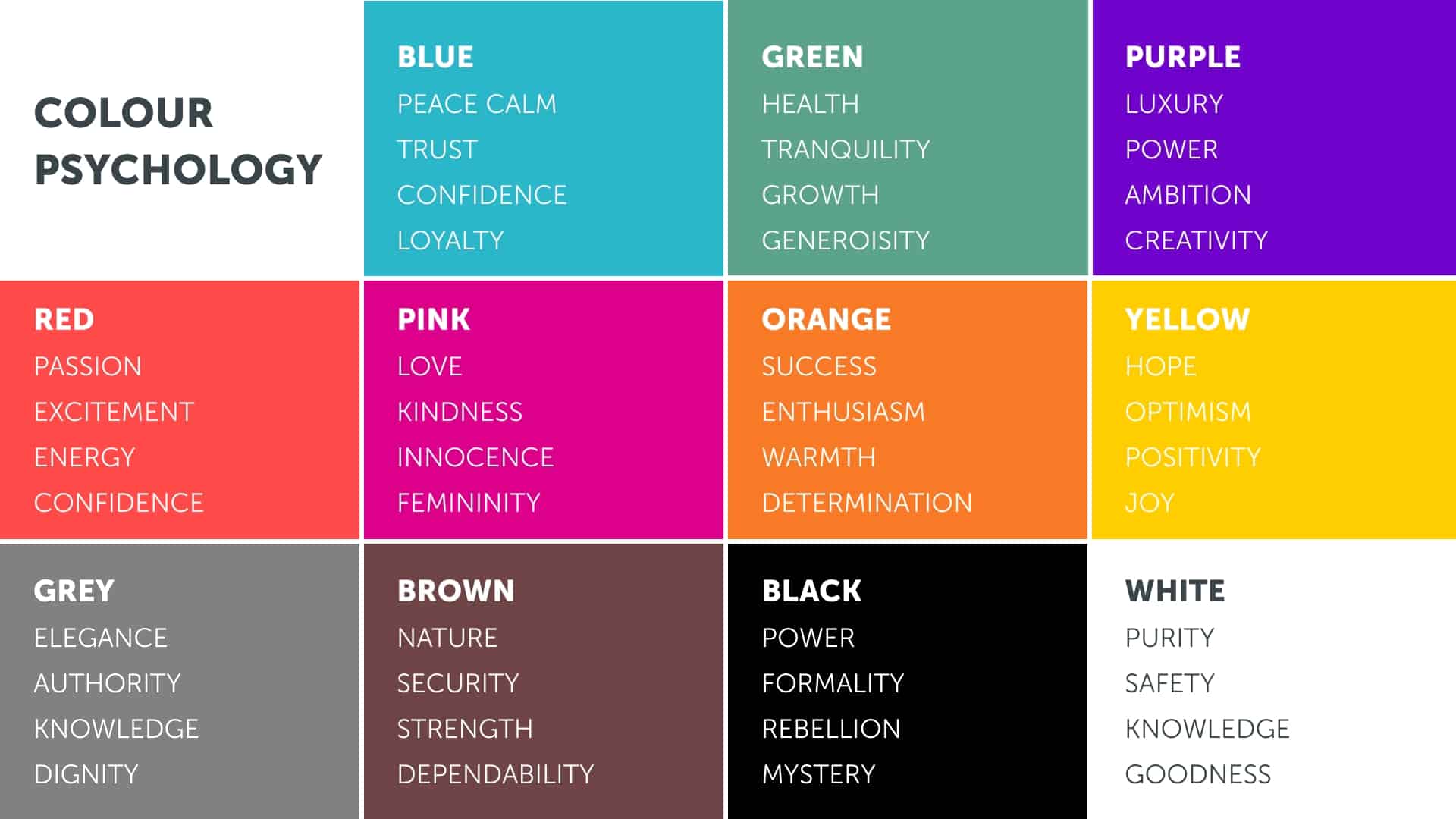
A dancer performs in a red saree and green blouse. The lighting operator, aiming to “match” the costume, projects red and green LED lights on stage. From the side, a yellow PAR light adds extra fill. To add “drama,” the lights are dimmed and brightened every few seconds.

For photographers, this means:
- Mixed color temperatures: Red, green, and yellow lights combine into unnatural skin tones.
- Unpredictable exposure: Constant dimming and brightening confuse the camera’s metering.
- LED flicker: Inexpensive LEDs can cause banding and color shifts in stills or video.
- Loss of detail: Over-saturated light washes out textures and facial features.
The result? Inconsistent, color-shifted images that fail to reflect the emotion of the performance.
Why This Happens
In many Indian stages, lighting is handled by technicians trained through experience rather than formal education. Their goal is visual impact for the live audience — not camera-friendly lighting.
Furthermore, LED lights, though efficient and colorful, require understanding of color rendering, brightness control, and flicker frequency — concepts often unfamiliar to local operators.
The Photographer’s Struggle
Photographers face several real-world challenges:
- Rapidly shifting brightness and colors
- Incorrect or unstable white balance
- Difficulty maintaining consistent exposure
- Excessive digital noise from underexposed scenes
- Complicated post-processing to fix color issues
When the lighting changes every second, it’s impossible to shoot in auto mode or rely on the camera’s metering system. Adaptation and preparation become essential.
Practical Solutions for Photographers
Here are proven methods to overcome unpredictable LED lighting during stage performances:
1. Shoot in RAW Format
RAW files preserve the full range of color and exposure data. You can later correct white balance and color cast — a lifesaver when red and green lights mix unpredictably.
2. Use Manual Exposure
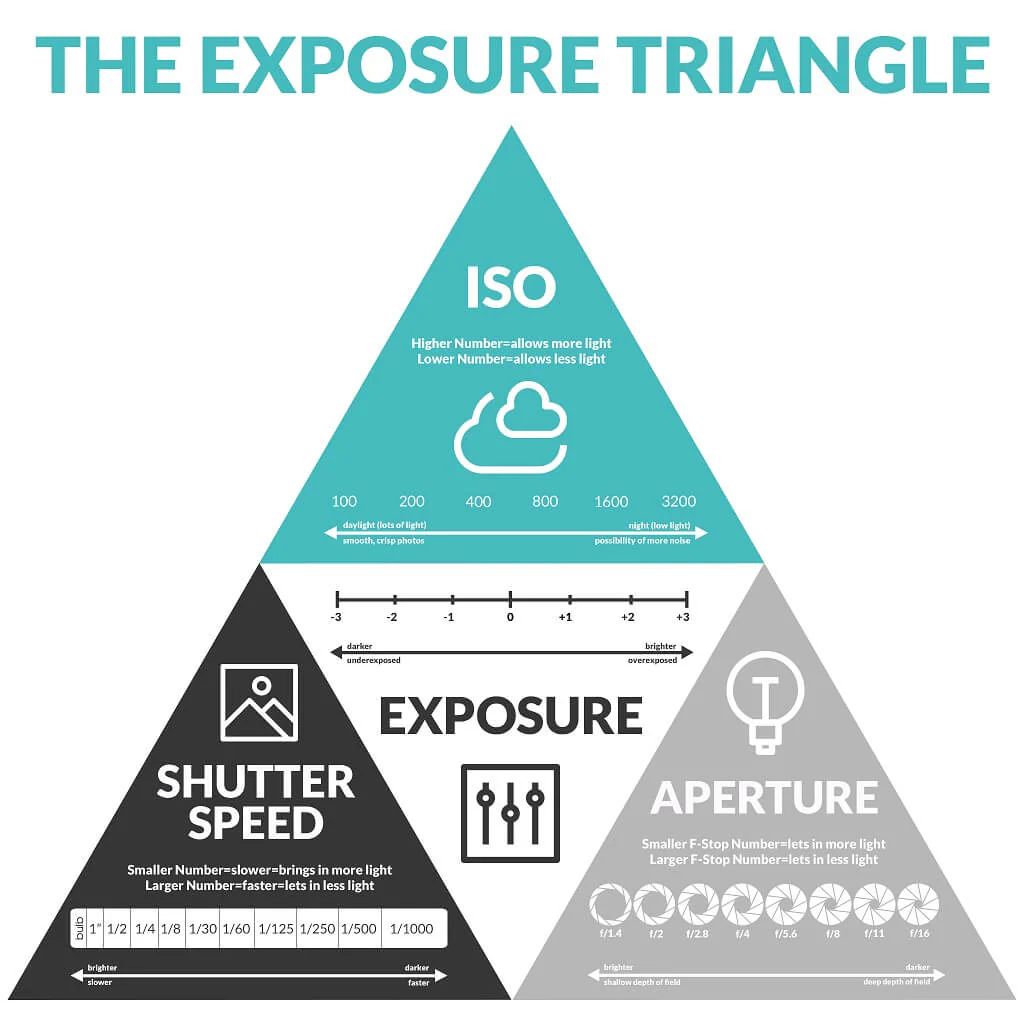
Avoid auto modes. Once you’ve found a good base exposure, lock it in. This ensures consistent results even when lights fluctuate.
3. Custom White Balance / Kelvin Mode
LEDs don’t always match standard color temperatures. Try setting a manual white balance between 4000K–5000K, or use a gray card to calibrate before the performance.
4. Observe and Anticipate
If possible, watch rehearsals or the first act to study lighting patterns. You can then time your shots for when the light is balanced and pleasing.
5. Avoid LED Flicker
Use a shutter speed of 1/100 sec or faster to minimize flicker bands. For video, match your frame rate to the local power frequency (e.g., 1/50 or 1/60).
6. Post-Processing Magic
In Lightroom or Capture One, use HSL tools to correct skin tones:
- Reduce green and yellow saturation from skin
- Adjust red hue to restore natural warmth
- Apply graduated filters to balance exposure across the frame
7. Educate and Collaborate
Before the event, talk to the lighting technician or director. Explain how certain colors affect photography. Suggest using neutral front light (white or soft warm tones) for faces and avoiding rapid dimming effects during key moments.
Real-Life Example
At a Bharatanatyam event in Kolkata, a photographer faced heavy red and green lighting that ruined skin tones. By switching to manual exposure, setting white balance to 4200K, and shooting in RAW, they later balanced the colors in post-production — achieving natural tones without losing costume vibrancy.

Long-Term Solution: Bridging the Knowledge Gap
While photographers can adapt to difficult lighting through technique and post-processing, the real and lasting solution lies in collaboration. To truly improve the quality of stage visuals in India, there needs to be a shared understanding between photographers, lighting operators, and stage directors about how light behaves — not only to the human eye but also to the camera sensor.
1. Workshops and Training Programs
Organizing joint workshops for lighting technicians, videographers, and photographers can create a common language of light.
- These sessions can explain the difference between visual brightness and exposure balance, helping technicians understand how certain lights that look pleasing to the audience may distort skin tones or costume colors on camera.
- Demonstrations using LED setups can show how different colors, intensities, and positions affect a photograph.
- Hands-on training can also teach how to maintain consistent brightness and avoid flicker, benefiting both live audiences and digital recordings.
2. Pre-Event Coordination
Before any major cultural performance, a short lighting rehearsal with the camera team can make a significant difference.
- Photographers can share their requirements for neutral front lighting or consistent exposure levels.
- Lighting operators can test their cues and adjust color intensity so that transitions look smooth both on stage and on camera.
This pre-show communication ensures fewer surprises during the live performance and more professional results overall.
3. Mutual Respect Between Art Forms
Lighting and photography are both visual arts. When one understands the needs of the other, the end product becomes stronger. Instead of working in isolation, if photographers respect the creative intent of the lighting design and lighting operators understand the technical limitations of cameras, the collaboration produces magic — a perfect balance between atmosphere and clarity.
4. Institutional Support and Knowledge Sharing
Cultural organizations, art academies, and event management schools can also play a key role by integrating basic lighting-for-camera education into their programs. Creating a shared knowledge platform — through online tutorials, stage lighting handbooks, or local community meet-ups — will gradually raise the industry standard.
When all teams work together, the performance doesn’t just look good on stage — it looks brilliant in photographs and video. The synergy between artistic vision and technical precision transforms fleeting live moments into timeless visual memories, preserving India’s rich stage heritage in its truest colors.
Conclusion
Indian stage lighting is full of creativity, but without technical control, it can quickly become chaotic for photographers. The key lies in understanding, adapting, and communicating.
By mastering manual settings, anticipating light behavior, and educating stage teams, photographers can transform lighting chaos into compelling visual storytelling — preserving India’s rich stage traditions in their best light.