

One of my colleague is very much fond of foods. One day he ate so much in lunch time that he missed the next class. He is the Asst. Professor of an engineering college in Kolkata, India. Next day he promised to take light food and after the lunch session he ate 4 times between 2 to 5 pm. Three factors are uncontrollable to him; a) the mouth width (wants to put all food at a time), b) the duration of the lunch time and c) the quantity of food he consumed. When he came to me for consultancy about the right food, right time and right quantity, I tell him the story of exposure in photography.
Today I am discussing about the exposure. This is very much important factor in photography. It means how much light stores into the sensor to display a perfect picture to the user. More light means over exposure and less light means under exposure. Both are not desirable for maximum situation in photography. Balanced one gives a picture real life. It depends upon various factors.
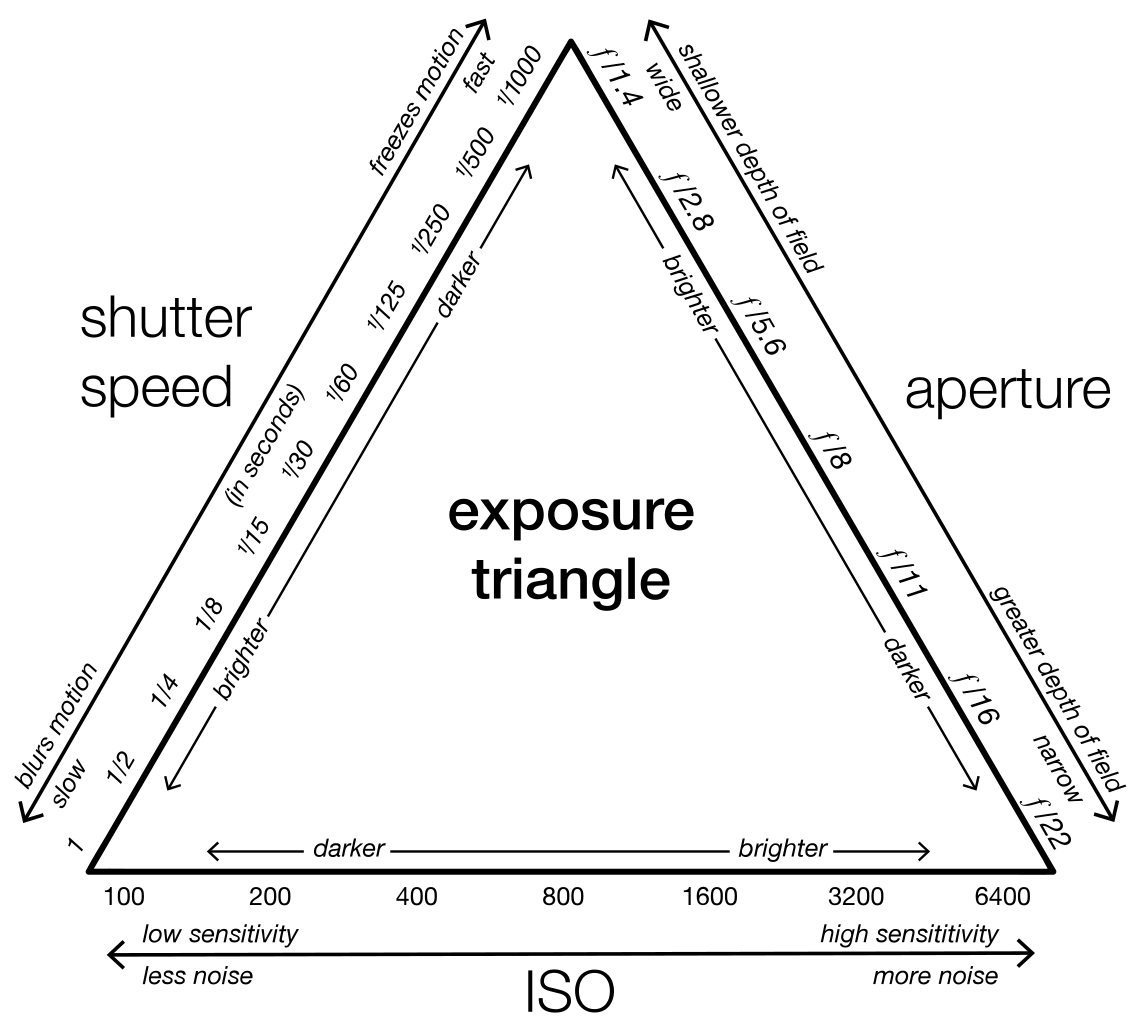
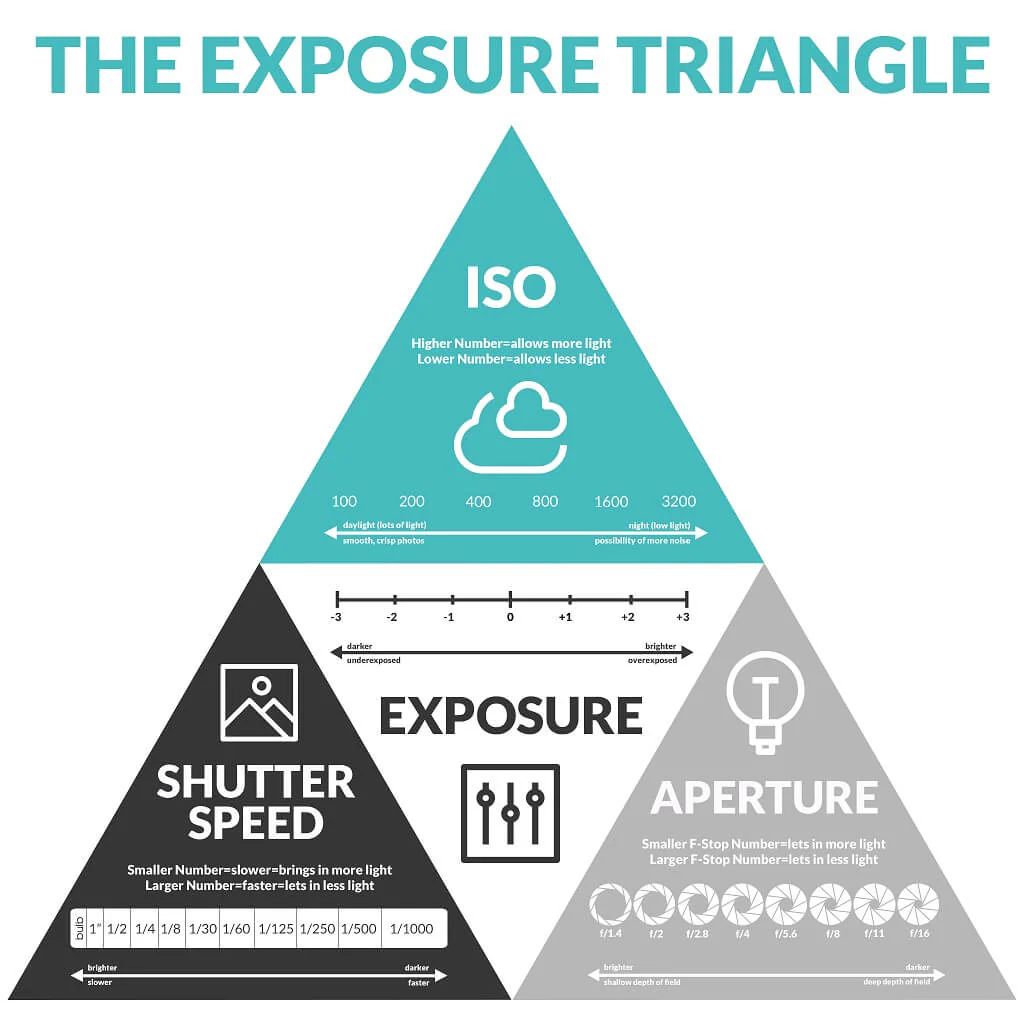
In photography 3 key factors are responsible for it.
a) Aperture: controls how much light enters the camera by adjusting the size of the opening in the lens, much like how the width of a colleague’s mouth determines how much food enter.
b) Shutter speed: controls the duration of the exposure (colleague’s lunch duration)
c) ISO speed: controls the sensitivity of camera’s sensor to a given amount of light (Quantity of food he consumed)
Now-a-days we can find in digital cameras mostly DSLRs have some priority buttons to control the exposure automatically to give her user a better picture which he/she framed against an object. These are as follows:
1. Auto mode: camera automatically selects the aperture, shutter speed and ISO
2. Program mode: Camera selects the aperture and shutter speed but user can customize the ISO and exposure compensation.
3. Shutter priority: Camera selects the aperture where the user can select the shutter speed and ISO speed.
4. Aperture priority: Camera selects the shutter speed where the user can select the aperture speed and ISO speed.
5. Manual mode: this is an expert mode because the three factors like aperture, shutter speed and ISO speed are customizing by the user as per his/her choice manually.
6.Bulb: Shutter speed is controlled by the user by pressing the shutter release button. It is mainly used for inviting light into the sensor for more than equal to 30 seconds.
So, the exposure is a triangle of Aperture, Shutter speed and ISO speed. It is the controlling factor for right light and darkness for a certain picture.
Happy clicking, happy sharing.
You may like to read Exposure Compensation article.
Frequently Asked Questions (FAQs)
1. What is exposure in photography?
Exposure in photography refers to how much light reaches the camera sensor to create an image. Proper exposure ensures the photo looks natural and close to real life.
2. Why is exposure important in photography?
Exposure is important because it controls image brightness and detail. Incorrect exposure can result in loss of highlights or shadows, making the photo look unrealistic.
3. What happens when a photo is overexposed?
Overexposure occurs when too much light hits the sensor, causing bright areas to lose detail and appear washed out.
4. What happens when a photo is underexposed?
Underexposure happens when too little light reaches the sensor, making the image too dark and hiding important details.
5. Is overexposure or underexposure desirable in photography?
In most situations, neither overexposure nor underexposure is desirable. A balanced exposure usually produces the most natural and visually pleasing result.
6. What is a balanced exposure in photography?
Balanced exposure means the right amount of light is captured, preserving details in both highlights and shadows for a realistic image.
7. How does exposure affect real-life appearance in photos?
Proper exposure helps a photograph reflect real-life lighting conditions, making the image look natural to the viewer.
8. What factors affect exposure in photography?
Exposure depends on multiple factors such as lighting conditions, camera settings, and the scene being photographed.
9. Can exposure be adjusted for different photography situations?
Yes. Exposure must be adjusted based on the environment, subject, and available light to achieve the best results.
10. Why do beginners struggle with exposure in photography?
Beginners often struggle with exposure because understanding light balance takes practice and awareness of how different lighting conditions affect the sensor.




lovely