

Cinema has always shaped the way we experience emotion through visuals. In 2026, cinematic photography has become one of the most influential creative trends across social media, fashion campaigns, editorial work, travel content, portraits, music visuals, and commercial branding. The reason is simple: people no longer want photographs that merely document reality. They want images that feel like stories.
Cinematic photography transforms ordinary moments into scenes filled with mood, tension, atmosphere, and emotion. It borrows the visual language of films — dramatic lighting, intentional color palettes, composition, depth, motion blur, and storytelling — to create photographs that feel larger than life. Whether you are a beginner experimenting with your first camera or a professional photographer building advanced visual narratives, understanding cinematic photography can completely change how you approach image-making.
What Is Cinematic Photography?
Cinematic photography is a photographic style inspired by filmmaking techniques. Instead of focusing only on technical perfection, cinematic images prioritize:
- Storytelling
- Mood and atmosphere
- Emotional impact
- Color psychology
- Dynamic lighting
- Intentional framing
- Visual depth
- Motion and realism
A cinematic photo should make viewers ask questions like:
- What happened before this moment?
- What is the subject thinking?
- What happens next?
- Why does this image feel emotional?
The best cinematic photographs feel like paused moments from an unreleased film.
Why Cinematic Photography Is Dominating Creative Culture
The rise of streaming platforms, film-inspired social content and visual-first storytelling has reshaped modern aesthetics. Younger audiences consume visuals through:
- Netflix-style thumbnails
- Movie trailers
- TikTok edits
- Music videos
- Fashion films
- Editorial campaigns
- Gaming cinematics
- AI-generated filmic imagery
As a result, creators increasingly prefer visuals that evoke emotion instead of simple realism.
Cinematic photography stands out because it:
- Feels immersive
- Creates emotional connection
- Builds stronger personal branding
- Makes social content more memorable
- Adds narrative depth
- Looks premium and editorial
This trend is especially popular in:
- Portrait photography
- Street photography
- Fashion photography
- Travel storytelling
- Music visuals
- Automotive photography
- Commercial branding
- Wedding storytelling
- Fine art photography
The Core Elements of Cinematic Photography
1. Storytelling Comes First
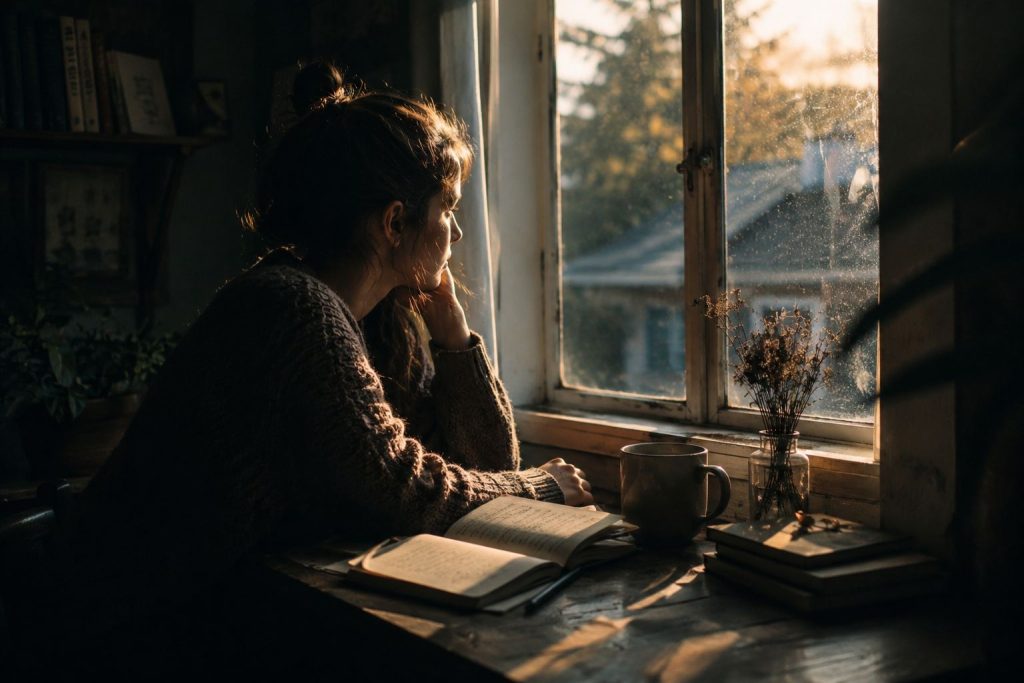
A cinematic photograph always suggests a story. Instead of photographing a person simply standing, cinematic photographers ask:
- Who is this character?
- What mood are they experiencing?
- What environment supports the emotion?
- What narrative tension exists?
Example:
A subject sitting alone at a dinner at night under neon lights instantly creates emotional intrigue.
The viewer begins imagining:
- heartbreak
- mystery
- loneliness
- anticipation
- nostalgia
The photograph becomes emotionally interactive.
2. Lighting Is Everything
Lighting defines cinematic imagery more than any other factor.
Movies rely heavily on controlled lighting to shape emotion, and cinematic photography follows the same philosophy.
Types of Cinematic Lighting
Soft Lighting
Creates:
- intimacy
- romance
- calm moods
- dreamy atmospheres
Commonly used in:
- emotional portraits
- fashion editorials
- indie-style imagery
Hard Lighting
Creates:
- tension
- drama
- mystery
- suspense
Often used in:
- noir photography
- urban storytelling
- thriller-inspired visuals
Motivated Lighting
Lighting appears to come naturally from practical sources like:
- street lamps
- neon signs
- windows
- car headlights
- candles
- televisions
This creates realism and immersion.
3. Color Grading Defines Mood
Color grading is one of the biggest reasons cinematic photos feel “movie-like.” Professional cinematic images rarely use flat or neutral colors. Instead, photographers carefully shape palettes using:
- complementary tones
- split toning
- contrast curves
- selective saturation
- color harmony
Popular Cinematic Color Styles
Teal and Orange
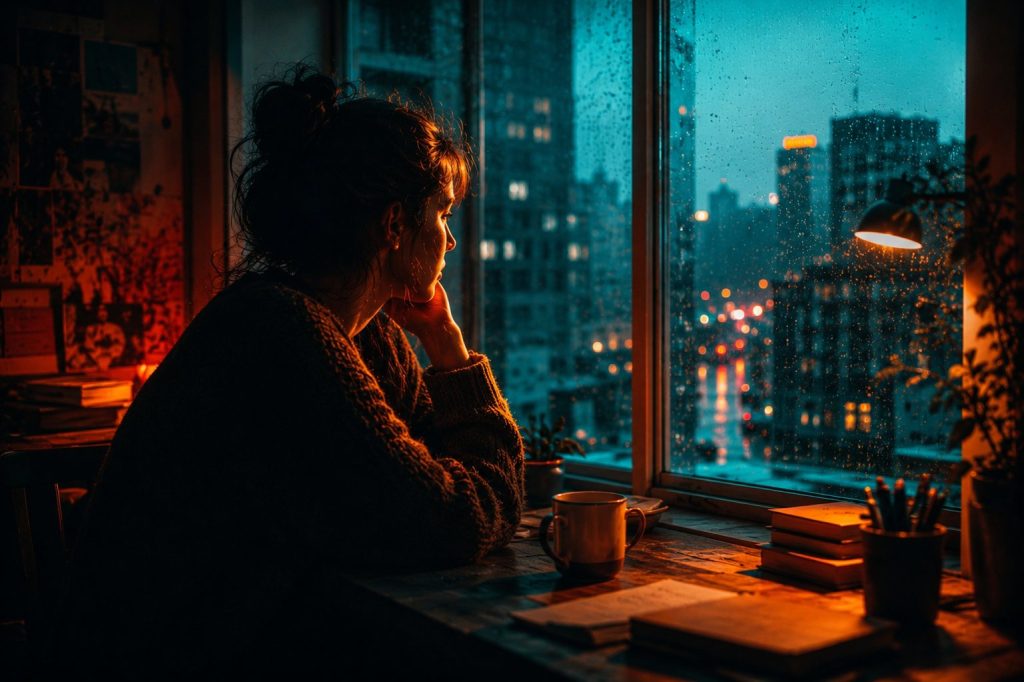
Teal and orange are one of the most iconic cinematic color grading styles used in Hollywood films. This color combination works because teal and orange sit opposite each other on the color wheel, creating strong visual contrast while keeping skin tones natural and attractive.
In cinematic photography:
- Skin tones are pushed toward warm orange hues
- Shadows and backgrounds are shifted toward teal or cyan
- The separation between subject and environment becomes visually dramatic
This grading style creates:
- depth
- visual clarity
- blockbuster-style atmosphere
- high cinematic impact
It is commonly used in:
- action films
- commercial photography
- travel cinematics
- fashion editorials
- urban night photography
The reason this look became so popular is because it naturally guides viewer attention toward the subject while making environments feel cooler and more immersive.
However, professional photographers use teal and orange subtly. Overusing saturation can make images look artificial or outdated. The best cinematic edits maintain balance and realism while still preserving strong color contrast.
Moody Greens
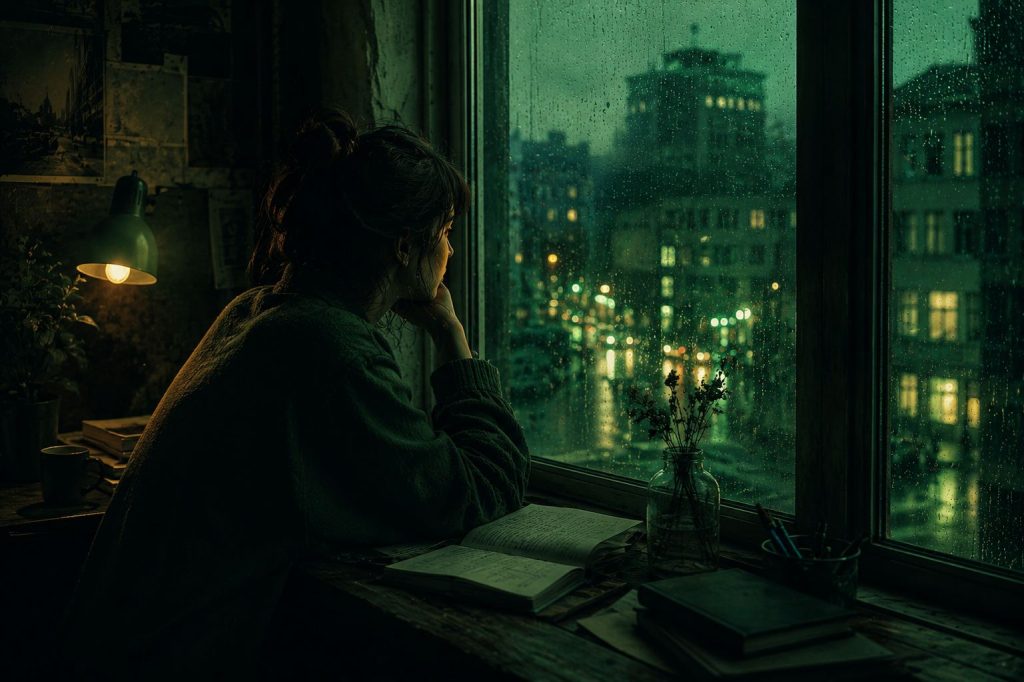
Moody green grading is heavily inspired by thriller films, noir cinema, dystopian storytelling, and gritty urban environments. This color style creates a feeling of unease, mystery, tension, and realism.
Greens are often introduced into:
- shadows
- midtones
- urban lighting
- environmental backgrounds
This creates a darker and more atmospheric mood compared to warmer cinematic palettes.
Moody green tones are especially effective in:
- rainy city photography
- night street photography
- abandoned locations
- industrial environments
- psychological portraiture
This style became popular because many modern crime dramas and thrillers use muted green tones to create emotional discomfort and cinematic tension.
Professional editors often:
- desaturate other colors
- reduce warmth
- deepen shadows
- soften highlights
This creates a cold and cinematic atmosphere that feels immersive and emotionally heavy.
Moody greens pair extremely well with:
- fog
- fluorescent lighting
- reflections
- wet streets
- low-key lighting setups
Warm Golden Tones
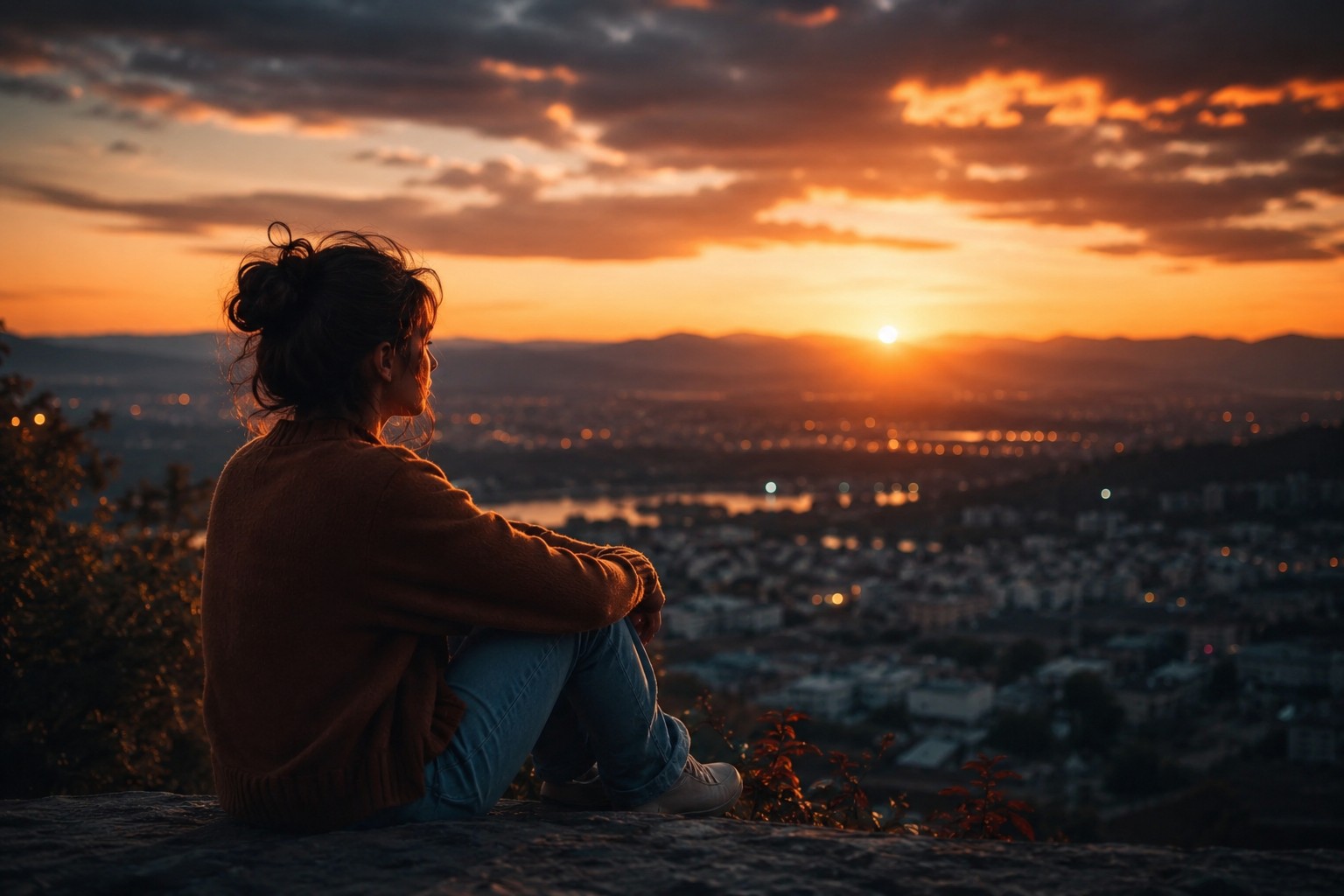
Warm golden grading is often associated with nostalgia, memory, romance, and emotional storytelling. It creates images that feel timeless, comforting, and emotionally rich.
Golden cinematic tones are created by emphasizing:
- yellows
- oranges
- soft amber highlights
- warm sunlight
This style is heavily inspired by:
- sunset cinematography
- vintage film stock
- nostalgic cinema
- classic travel photography
Warm tones work beautifully in:
- wedding photography
- travel storytelling
- lifestyle portraits
- countryside photography
- emotional documentary work
Golden color palettes create a sense of:
- warmth
- intimacy
- human connection
- cinematic softness
Professional photographers often shoot during:
- golden hour
- sunset
- sunrise
because natural warm light already resembles cinematic film tones.
In editing, warm cinematic grading usually includes:
- softened contrast
- glowing highlights
- gentle skin tones
- faded blacks
- subtle film grain
This creates a dreamy filmic aesthetic that feels emotional rather than overly polished.
Desaturated Blues
Desaturated blue grading is commonly used in emotional, melancholic, and dramatic cinematic storytelling. Blue naturally communicates feelings of:
- loneliness
- sadness
- mystery
- isolation
- introspection
Instead of using vibrant blues, cinematic photographers often reduce saturation to create softer, muted emotional tones.
This style is popular in:
- emotional portraits
- winter photography
- rainy scenes
- nighttime cinematics
- minimalist compositions
Desaturated blue grading creates visual silence and emotional space within an image. It slows the viewer emotionally and makes scenes feel more reflective.
Filmmakers frequently use cool blue tones in:
- science fiction
- emotional dramas
- noir-inspired visuals
- psychological storytelling
Professional editors often combine:
- cool shadows
- soft highlights
- muted saturation
- low contrast
to create a calm cinematic atmosphere.
Blue tones also work extremely well with:
- fog
- snow
- urban lighting
- reflections
- empty spaces
The result is a cinematic image that feels emotionally deep and atmospheric.
Neon Cyberpunk Colors
Neon cyberpunk grading is inspired by futuristic cinema, anime aesthetics, sci-fi films, and urban nightlife culture. This style uses highly stylized color palettes featuring:
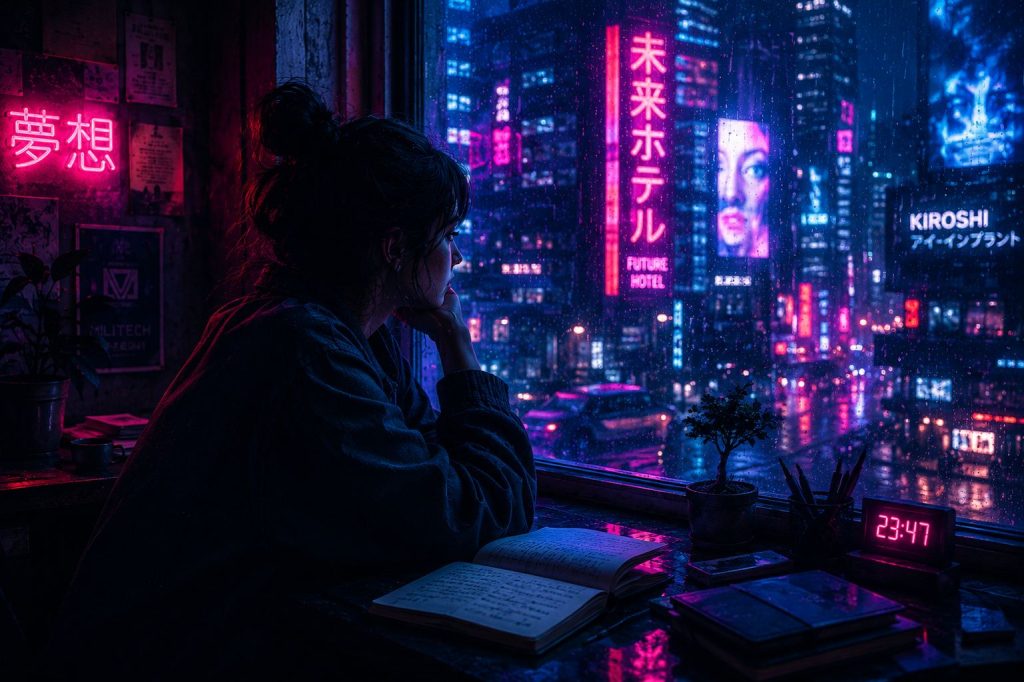
- magenta
- purple
- electric blue
- neon cyan
- deep pink
The goal is to create a visually immersive futuristic atmosphere.
Cyberpunk cinematics often rely heavily on:
- neon signs
- RGB lighting
- reflections
- smoke or haze
- wet streets
- glowing highlights
This aesthetic became globally popular because of films and games influenced by futuristic dystopian worlds.
Neon cinematic photography creates feelings of:
- energy
- rebellion
- mystery
- artificial modernity
- digital surrealism
This style works especially well in:
- urban street photography
- fashion editorials
- music visuals
- nightlife portraits
- automotive cinematics
Professional photographers carefully control lighting color separation to avoid visual chaos. Even though cyberpunk imagery appears vibrant, the best edits still maintain color harmony and subject focus.
Common techniques include:
- selective neon lighting
- reflective surfaces
- atmospheric fog
- underexposed environments
- glowing edge highlights
This creates depth and dramatic cinematic realism.
4. Composition Creates Film Language
Composition is one of the most important aspects of cinematic photography because it controls how viewers emotionally experience the image. Film directors carefully design every frame to guide attention, create tension, reveal emotion, and support storytelling. Cinematic photographers use the same visual principles.
A strong cinematic composition does more than look aesthetically pleasing — it creates narrative immersion.
Every compositional choice influences:
- mood
- pacing
- emotional focus
- visual tension
- storytelling clarity
Unlike ordinary photography, cinematic composition often prioritizes emotion over technical perfection.
Key Composition Techniques
Rule of Thirds
The rule of thirds divides the frame into nine equal sections. Subjects are placed along intersecting lines instead of directly centered.
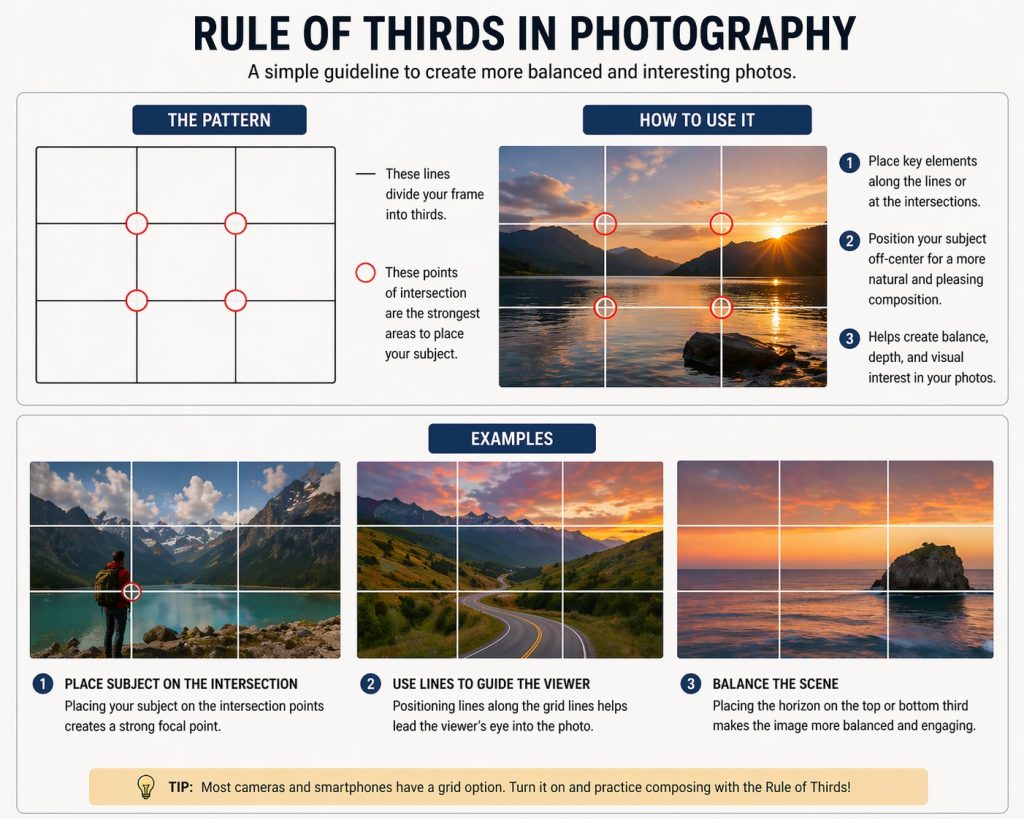
This creates:
- visual balance
- natural viewer movement
- cinematic framing realism
Movies frequently use off-center compositions because they feel more dynamic and emotionally engaging.
Negative Space
Negative space refers to the empty areas surrounding a subject. In cinematic photography, negative space is used to create:
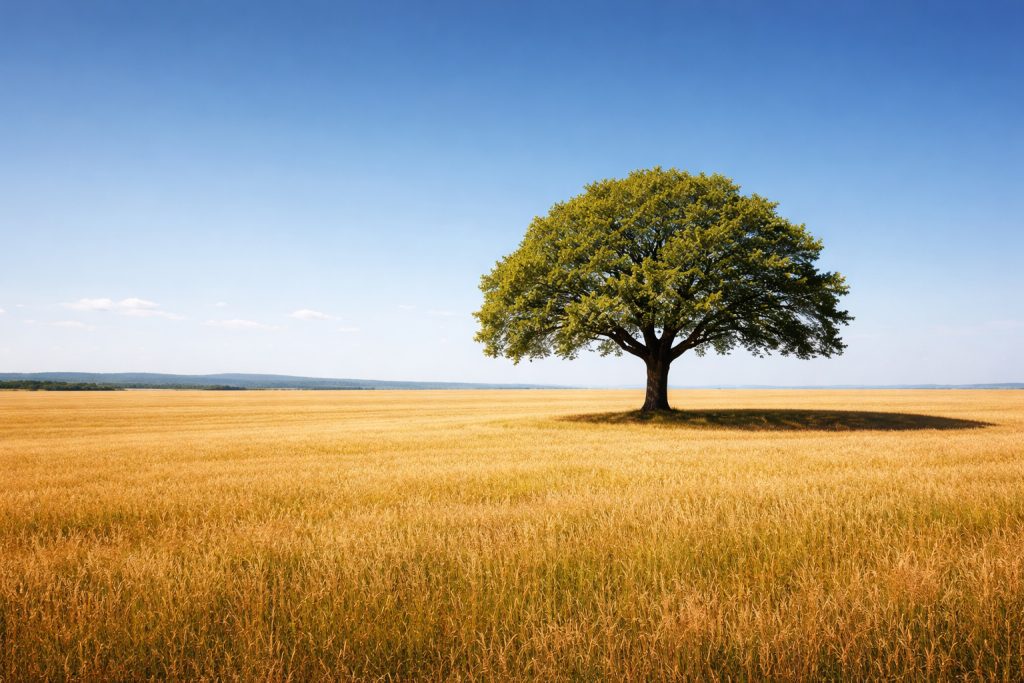
- loneliness
- scale
- emotional isolation
- suspense
- anticipation
A small subject surrounded by empty space often feels more dramatic and story-driven than a tightly cropped portrait.
Leading Lines
Leading lines guide the viewer’s eyes toward the subject.
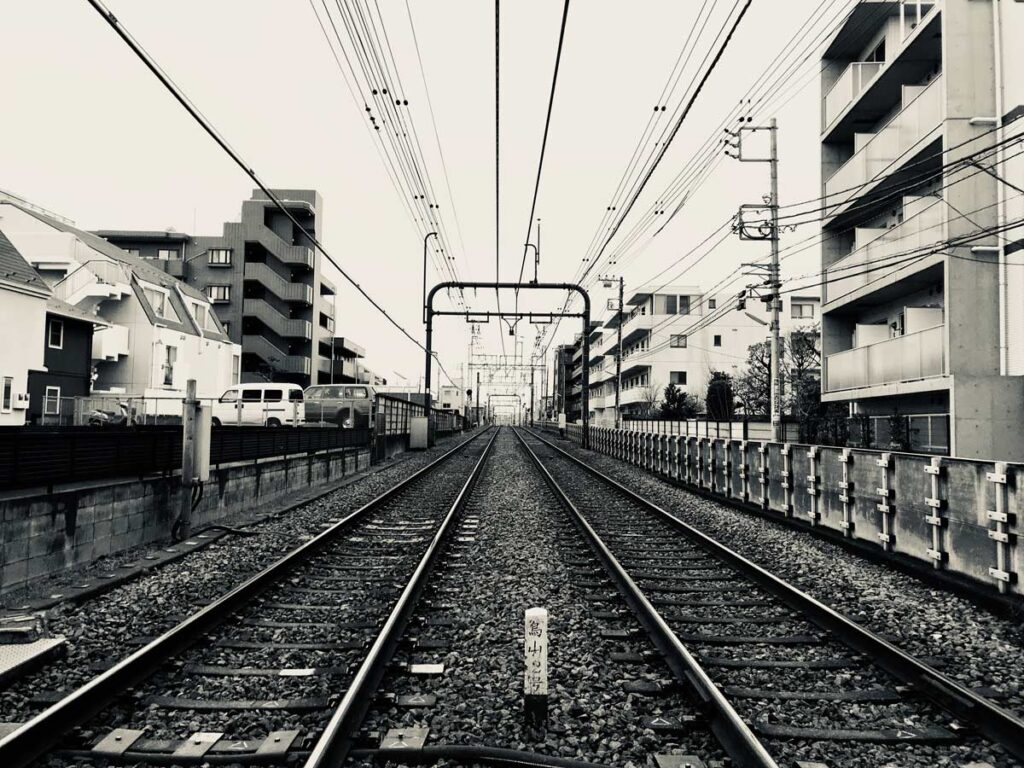
Examples include:
- roads
- hallways
- train tracks
- bridges
- architectural lines
- shadows
These lines create:
- movement
- depth
- cinematic direction
Leading lines make viewers feel visually pulled into the scene.
Layered Depth
Professional cinematic images often contain:
- foreground elements
- middle subjects
- background depth
This layering creates:
- immersion
- realism
- three-dimensionality
Foreground objects such as:
- windows
- plants
- silhouettes
- reflections
help scenes feel more natural and cinematic.
Symmetry
Symmetry creates strong visual structure and cinematic intensity. Perfectly balanced frames are often used in:

- psychological storytelling
- architectural cinematics
- luxury fashion editorials
- suspense-driven scenes
Symmetry can make scenes feel:
- controlled
- dramatic
- emotionally tense
Directors like Stanley Kubrick popularized this cinematic approach.
Wide Aspect Ratios
Many cinematic photographers crop images into widescreen formats inspired by films.
Popular cinematic ratios include:
- 16:9
- 2.35:1
- 21:9
Wide frames create:
- immersive storytelling
- environmental depth
- visual scale
- movie-like atmosphere
Letterboxed compositions instantly make photographs feel more cinematic because audiences associate widescreen framing with cinema language.
Depth and Subject Placement
Professional cinematic composition carefully controls:
- subject distance
- environmental scale
- depth perspective
Subjects are often placed:
- near edges
- partially obscured
- surrounded by environment
This creates realism and visual storytelling instead of static posing. The frame feels like a living scene rather than a staged photograph.
5. Motion Adds Realism
Modern cinematic photography embraces imperfect motion. Instead of freezing everything sharply, photographers intentionally use:
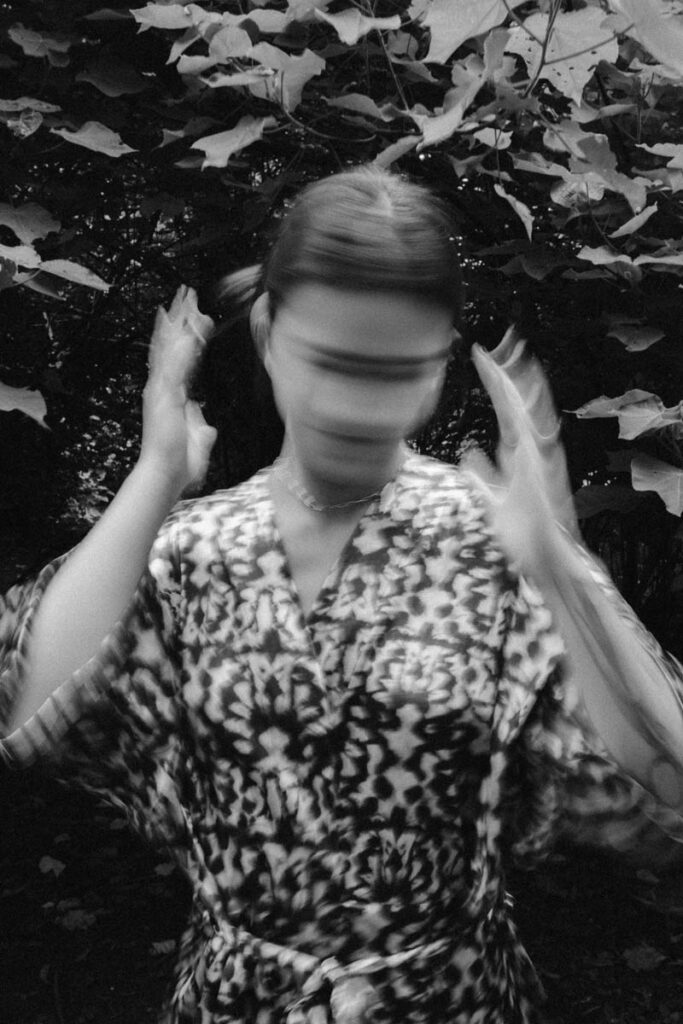
- slow shutter blur
- environmental movement
- handheld energy
- atmospheric haze
- drifting smoke
- rain
- moving lights
These elements make still images feel alive.
Essential Gear for Cinematic Photography
Cameras
You do not need the most expensive camera to create cinematic images.
Beginner-Friendly Options (Recommendation from various websites.)
- Sony ZV-E10
- Canon R50
- Fujifilm X-S20
- Nikon Z30
Intermediate Options (Recommendation from various websites.)
- Sony A7 IV
- Canon R6 Mark II
- Fujifilm X-T5
- Panasonic S5 II
Professional Cinema-Style Setups (Recommendation from various websites.)
- Sony A1
- Canon R5 Mark II
- RED Komodo
- Blackmagic Cinema Camera
Best Lenses for Cinematic Photography
Lenses influence cinematic quality more than camera bodies.
Recommended Focal Lengths
35mm: Excellent for environmental storytelling.
50mm: Natural cinematic perspective.
85mm: Perfect for emotional portraits.
24mm: Adds immersive cinematic scale.
Prime Lenses vs Zooms
Prime Lenses
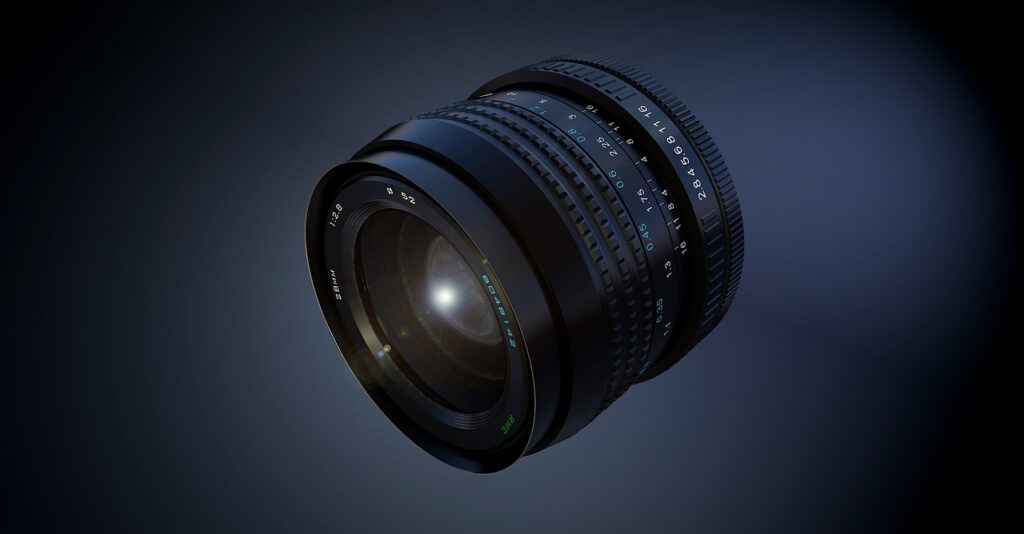
Best for:
- shallow depth
- cinematic bokeh
- low light
- storytelling intimacy
Zoom Lenses
Best for:
- versatility
- documentary shooting
- fast-paced environments
Camera Settings for Cinematic Photography
Aperture
Wide apertures create shallow depth:
- f/1.2
- f/1.4
- f/1.8
- f/2.0
This isolates subjects and creates a filmic feel.
Shutter Speed: Slower shutter speeds introduce cinematic motion blur.
General guideline:
- 1/50 for motion realism
- 1/100 for balanced sharpness
- slower for experimental blur
ISO: Keep ISO controlled to avoid excessive digital noise unless intentionally creating gritty film aesthetics.
How to Create Cinematic Photos Step by Step
Step 1: Build a Story Concept
Think like a film director.
Create:
- character mood
- setting
- emotion
- visual theme
Step 2: Scout Locations
Cinematic locations often include:
- neon streets
- rainy alleys
- gas stations
- rooftops
- train stations
- foggy forests
- diners
- parking garages
- dramatic interiors
Step 3: Use Atmospheric Elements
Add:
- smoke
- fog
- rain
- reflections
- practical lights
- shadows
- texture
Atmosphere creates emotional depth.
Step 4: Direct Your Subject
Natural posing is crucial.
Avoid:
- stiff poses
- forced smiles
- overly polished expressions
Encourage movement and emotion instead.
Step 5: Shoot With Intentional Imperfection
Cinematic photography often embraces:
- grain
- blur
- lens flare
- shadow clipping
- low-key exposure
- handheld framing
Perfection can sometimes reduce emotional realism.
Editing Cinematic Photography
Editing is where cinematic photography truly comes alive.
Best Editing Software
- Adobe Lightroom
- Adobe Photoshop
- Capture One
- DaVinci Resolve
- VSCO
- Luminar Neo
Cinematic Editing Workflow
1. Adjust Exposure: Preserve highlights and shadows for dynamic depth.
2. Create Color Harmony: Use selective grading instead of random filters.
3. Add Contrast Carefully: Too much contrast can destroy cinematic softness.
4. Introduce Film Grain: Subtle grain adds analog character.
5. Shape Skin Tones: Natural skin tones are essential.
6. Add Vignettes: Subtle darkening focuses attention.
7. Film Emulation and Vintage Looks: One major reason cinematic photography feels emotional is because it often imitates analog film.
Popular film-inspired looks include:
- Kodak Portra
- Kodak Vision3
- Fujifilm Pro 400H
- Cinestill 800T
These emulate:
- soft highlights
- organic grain
- cinematic color rolloff
- nostalgic tones
Cinematic Photography Genres
Cinematic Portraits
Focus on emotion and character depth.
Cinematic Street Photography
Urban life with dramatic atmosphere.
Cinematic Fashion Photography
Editorial storytelling meets luxury aesthetics.
Cinematic Travel Photography
Destinations portrayed like movie scenes.
Cinematic Wedding Photography
Emotion-driven visual narratives.
Cinematic Automotive Photography
Cars framed like action-film hero shots.
Common Mistakes Beginners Make
- Overediting: Too much teal-orange grading looks artificial.
- Ignoring Storytelling: Good cinematic photos need emotional context.
- Using Random Presets: Presets help, but storytelling matters more.
- Poor Lighting: Lighting quality defines cinematic realism.
- Copying Without Understanding: Study why film scenes work instead of imitating blindly.
Advanced Cinematic Techniques for Professionals
Light Shaping
Use:
- grids
- flags
- gobos
- diffusion
- practical lighting setups
Lens Character
Professionals often choose lenses with:
- vintage softness
- unique flare
- imperfect rendering
- cinematic contrast rolloff
Dynamic Color Theory
Advanced color grading uses:
- emotional palette control
- scene separation
- visual hierarchy
Narrative Sequencing
Professionals build cinematic photo series instead of single images.
This creates:
- emotional progression
- pacing
- thematic storytelling
How Social Media Changed Cinematic Photography
Platforms like TikTok, Instagram, and YouTube Shorts accelerated cinematic aesthetics because viewers respond strongly to:
- mood
- atmosphere
- nostalgia
- immersive storytelling
As attention spans shrink, emotionally powerful visuals become more important. A single cinematic frame can communicate more than an entire gallery of ordinary photos.
AI and the Future of Cinematic Photography
Artificial intelligence is now influencing:
- cinematic color grading
- scene enhancement
- film emulation
- AI-assisted retouching
- concept visualization
However, human storytelling still defines truly memorable cinematic photography. Technology can generate visuals, but emotion, intention, and narrative remain deeply human skills.
Final Thoughts
Cinematic photography is more than a visual trend. It represents a shift in how people communicate emotion through imagery. The goal is not simply to make photos look like movies. The goal is to make viewers feel something.
A cinematic image captures:
- atmosphere
- mystery
- emotion
- movement
- tension
- nostalgia
- humanity
For beginners, cinematic photography opens a doorway into storytelling and creative expression. For professionals, it offers endless possibilities for visual innovation and emotional depth.
In a world flooded with content, cinematic photography stands out because it transforms ordinary moments into unforgettable experiences — one frame at a time.
