

Pet photography is fun and deeply emotional, but it also comes with its own set of challenges. Pets move quickly, react unpredictably, and almost never pose on command. To capture sharp, expressive images of dogs, cats, birds, or any other animals, you need a camera that is fast, highly accurate, and reliable enough to keep up with their energy and spontaneity.

1. Sony A7 IV – Best Overall Camera for Pets
Key Specifications
- Sensor: 33MP Full-Frame
- Autofocus: Real-time Eye AF (Animals)
- Continuous Shooting: 10 fps
- ISO Range: 100–51,200
- Video: 4K (great for pet reels)
Advantages
- Excellent animal eye autofocus
- Fast and accurate focus tracking
- Great in low light (indoor pets)
- High image quality with natural colors
Disadvantages
- Expensive
- Menus can feel complex for beginners
Why Choose This Camera?
If you photograph active dogs, cats, or wildlife-like pets, this camera rarely misses focus. Animal Eye AF locks onto eyes even when pets move quickly.
Example
A dog running in a park → the camera tracks the eyes perfectly, even during jumps or sudden turns.
2. Canon EOS R6 Mark II – Best for Action Pets
Key Specifications
- Sensor: 24.2MP Full-Frame
- Autofocus: Animal Eye Detection
- Continuous Shooting: 40 fps (electronic)
- ISO Range: 100–102,400
- Image Stabilization: 8-stop IBIS
Advantages
- Extremely fast shooting speed
- Outstanding autofocus for animals
- Excellent low-light performance
- Comfortable grip for long shoots
Disadvantages
- Lower resolution compared to rivals
- Battery drains faster at high fps
Why Choose This Camera?
Perfect for fast-moving pets, especially sports dogs, birds, or playful puppies.
Example
Capturing a puppy catching a frisbee → 40 fps ensures you never miss the perfect moment.
3. Nikon Z6 II – Best Balanced Camera
Key Specifications
- Sensor: 24.5MP Full-Frame
- Autofocus: Animal Detection AF
- Continuous Shooting: 14 fps
- ISO Range: 100–51,200
- Build: Weather-sealed
Advantages
- Natural skin and fur tones
- Strong dynamic range
- Solid body and comfortable handling
- Dual card slots
Disadvantages
- Autofocus not as advanced as Sony or Canon
- Fewer native lenses
Why Choose This Camera?
Ideal for photographers who want natural-looking pet portraits and reliable performance.
Example
Studio pet portraits → clean fur detail, soft lighting, and realistic colors.
4. Fujifilm X-T5 – Best APS-C Camera for Pets
Key Specifications
- Sensor: 40.2MP APS-C
- Autofocus: Animal & Bird Detection
- Continuous Shooting: 15 fps
- ISO Range: 125–12,800
- Weight: Lightweight
Advantages
- High resolution in a small body
- Beautiful color profiles (Film Simulations)
- Affordable compared to full-frame
- Great for travel pet photography
Disadvantages
- Smaller sensor (less low-light ability)
- No fully articulating screen
Why Choose This Camera?
Great for pet bloggers, travelers, and Instagram creators who want quality without heavy gear.
Example
Cat photography at home → detailed fur and pleasing colors with minimal editing.


5. Sony A6400 – Best Budget Camera
Key Specifications
- Sensor: 24.2MP APS-C
- Autofocus: Real-time Eye AF (Animals)
- Continuous Shooting: 11 fps
- ISO Range: 100–32,000
- Video: 4K
Advantages
- Fast autofocus at low cost
- Compact and lightweight
- Excellent for beginners
- Great for pet videos and reels
Disadvantages
- No in-body image stabilization
- Small grip for big hands
Why Choose This Camera?
If you’re starting pet photography or creating content for Instagram, YouTube, or blogs, this camera offers professional features at a budget price.
Example
Indoor cat videos → sharp focus and smooth 4K footage for social media.
What to Look for in a Pet Photography Camera
1. Fast Autofocus
Pets move unpredictably. Animal Eye AF is a must-have feature.
2. High Continuous Shooting Speed
More frames = better chance of capturing the perfect expression.
3. Good Low-Light Performance
Pets are often photographed indoors or at dawn/dusk.
4. Comfortable Handling
You may shoot for long hours while following pets.
Mirrorless vs DSLR for Pet Photography
- Mirrorless camera: A compact digital camera that uses an electronic viewfinder and interchangeable lenses, offering fast performance without a mirror mechanism.
- DSLR camera: A digital camera that uses a mirror and optical viewfinder to deliver accurate framing and high image quality with interchangeable lenses. (You might be interested to read on dslr vs. mirrorless camera.)
Mirrorless Cameras
- Faster autofocus
- Silent shooting (doesn’t scare pets)
- Lighter and modern features
DSLR Cameras
- Longer battery life
- Optical viewfinder
- Slower AF for moving animals
Mirrorless cameras are better for pet photography today.
Final Thoughts
The best camera for pet photography depends on your budget, skill level, and shooting style.
- Professionals → Sony A7 IV or Canon R6 Mark II
- Enthusiasts → Nikon Z6 II or Fujifilm X-T5
- Beginners → Sony A6400
Remember, patience, timing, and understanding animal behavior matter more than gear. A good camera simply helps you capture those magical pet moments better.
Pet Photography Assignments
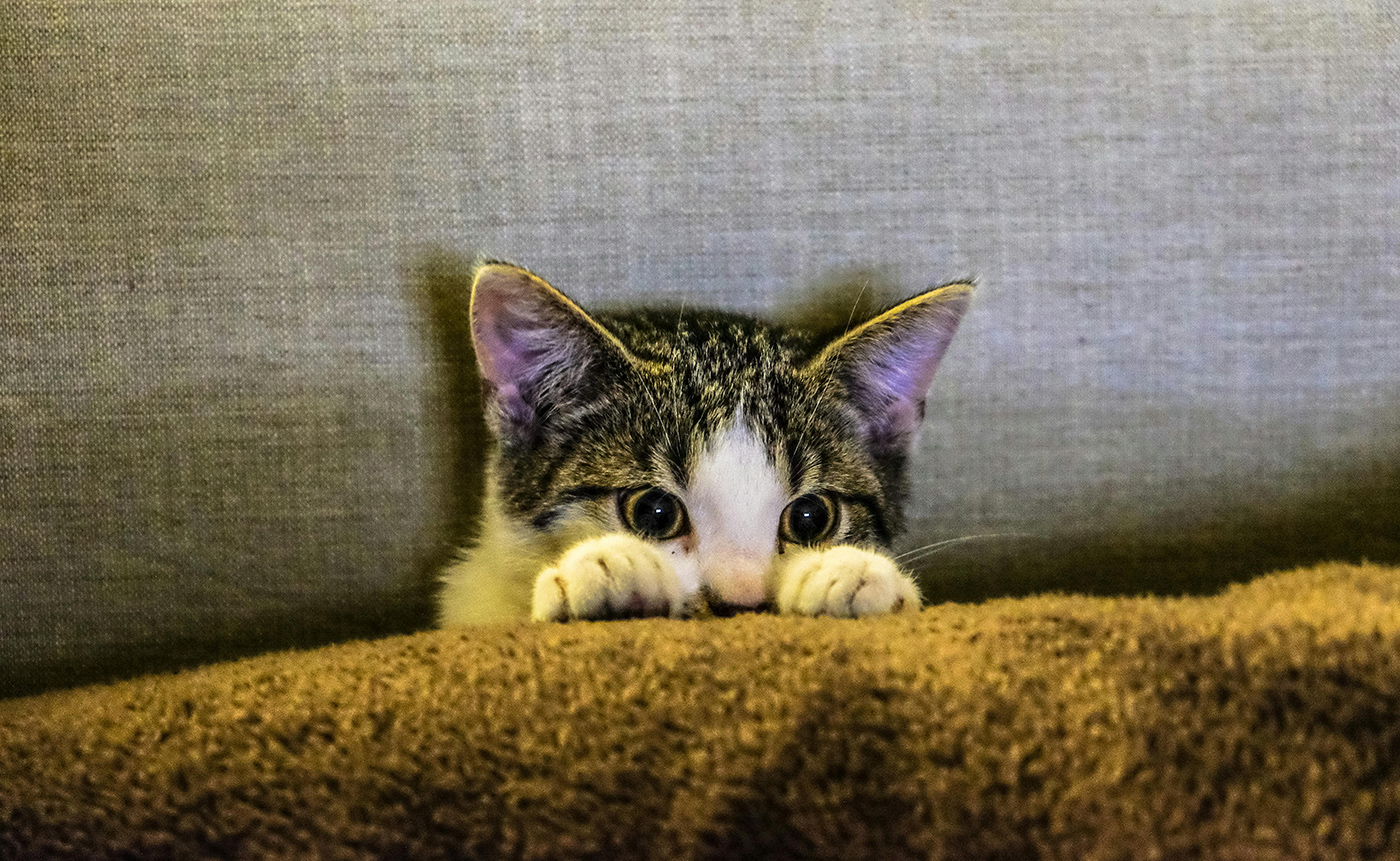
This printable assignment sheet is designed for a Learning & Educational Series, progressing from beginner to advanced levels. Each assignment focuses on building both technical and creative skills in pet photography.
Beginner Level Assignments
1. Eye-Level Portrait
Task: Photograph your pet at eye level.
Focus: Composition and connection
Tip: Get low and focus on the eyes.
2. Natural Light Practice
Task: Capture your pet using window light or outdoor shade.
Focus: Understanding soft, natural light
Tip: Avoid harsh midday sunlight.
3. Still Moments
Task: Photograph your pet while resting or sitting.
Focus: Sharp focus and basic exposure
Tip: Use single-point autofocus.
4. Simple Background
Task: Take a photo with a clean, uncluttered background.
Focus: Background control
Tip: Increase distance between pet and background.
Intermediate Level Assignments
5. Action Freeze
Task: Capture your pet running, jumping, or playing.
Focus: Fast shutter speed and tracking
Tip: Use burst mode and continuous autofocus.
6. Expression & Emotion
Task: Photograph a strong expression (curious, playful, calm).
Focus: Timing and anticipation
Tip: Use toys or sounds to get reactions.
7. Low-Light Indoor Shot
Task: Photograph your pet indoors without flash.
Focus: ISO and noise control
Tip: Shoot near windows and steady your hands.
8. Perspective Change
Task: Capture images from above, below, and side angles.
Focus: Creative framing
Tip: Avoid shooting only from standing height.
Advanced Level Assignments
9. Motion Blur Creativity
Task: Create one image with intentional motion blur.
Focus: Shutter control
Tip: Pan with the moving pet.
10. Behavior Story Shot
Task: Photograph a natural habit or routine.
Focus: Observation and timing
Tip: Watch first, shoot later.
11. Action Sequence Series
Task: Capture 5–7 images showing a complete action.
Focus: Visual storytelling
Tip: Keep framing consistent.
12. Personality Portrait
Task: Create a signature image that defines the pet’s personality.
Focus: Combining technique with emotion
Tip: Let the pet be natural—don’t force poses.
Self-Review Checklist
- Are the eyes sharp?
- Is the moment natural?
- Does the image show emotion or action?
- Is the background helping or distracting?
Completion Goal: Select your best image from each level and build a personal pet photography portfolio.
Frequently Asked Questions (FAQs)
1. Is pet photography difficult?
Pet photography can be challenging because animals move quickly and behave unpredictably. With practice, patience, and the right techniques, it becomes easier and very rewarding.
2. What camera is best for pet photography?
Any camera with fast autofocus and burst shooting works well. Mirrorless and DSLR cameras are ideal, but modern smartphones can also capture great pet photos.
3. What camera settings should I use?
A fast shutter speed, continuous autofocus, and burst mode are recommended. Adjust ISO and aperture based on lighting and movement.
4. Do I need special lenses for pet photography?
Not necessarily. A standard zoom lens works well, but a prime lens with a wide aperture helps in low light and for background blur.
5. How do I get sharp photos of moving pets?
Use continuous autofocus, high shutter speed, and anticipate the pet’s movement instead of reacting too late.
6. Should I use flash for pet photography?
Flash is usually not recommended as it can scare pets or cause harsh shadows. Natural light is safer and more flattering.
7. How can I capture my pet’s personality?
Let pets behave naturally. Observe their habits and photograph them during activities they enjoy.
8. What is the best time for pet photography?
Early morning or late afternoon provides soft, natural light and keeps pets more comfortable.
9. How do I keep pets calm during a photoshoot?
Give them time to relax, use familiar toys or treats, and keep sessions short.
10. Can beginners learn pet photography?
Yes. Beginners can start with still shots and natural light, then gradually move to action and advanced techniques.
