

Sustainable photography practices is quickly becoming one of the most important topics in the photography world today. More photographers, brands, and clients want beautiful photos, but they also want to protect the environment and respect people. In simple words, sustainable photography means taking photos in a way that is eco-friendly, responsible, and kind to the planet. Ethical photography means telling real stories, respecting human dignity, and caring for nature and culture.
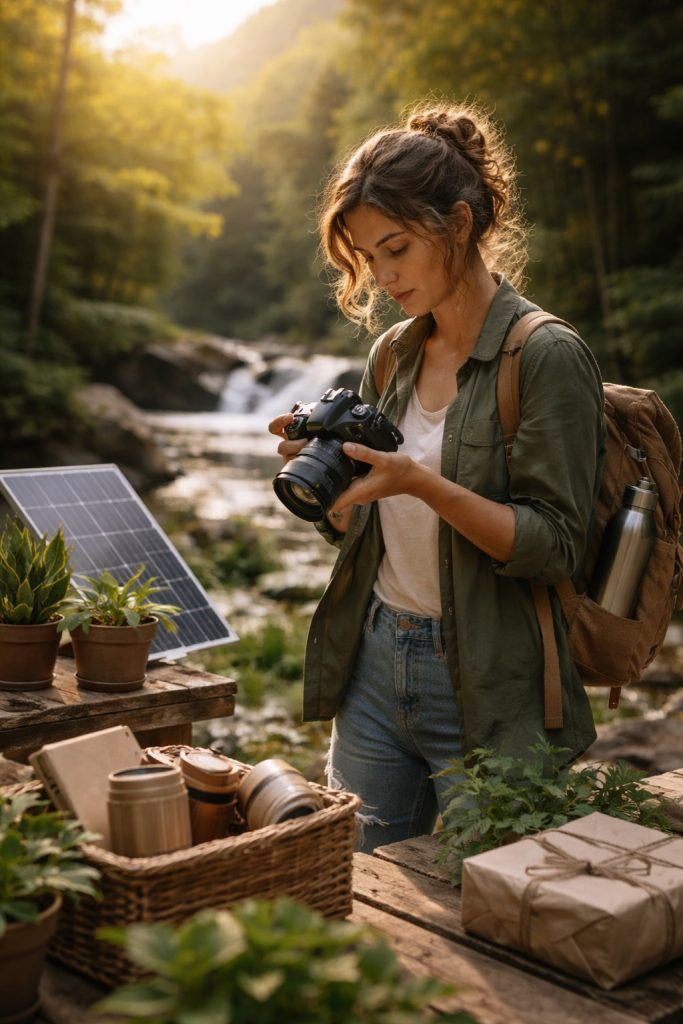
As climate change, pollution, and social awareness grow around the world, photographers are understanding that their work has an impact beyond just images. From the cameras we use to how we travel, print, edit, and share photos — every small action matters. That is why many people are searching online for eco-friendly photography methods and ethical photography practices. They want to reduce waste, save energy, and create honest stories through their photos.
What Is Sustainable Photography?
Sustainable photography means choosing methods that do not harm the environment. It focuses on reducing waste, saving energy, and using resources wisely.
It is about:
- Using less plastic and waste
- Saving electricity and fuel
- Making smart choices about gear and printing
Sustainable Travel Practices in Photography
Choosing smarter travel options is one of the easiest ways photographers can reduce their carbon footprint.

- Shoot closer to home by picking local locations instead of distant destinations.
- Plan multiple shoots in one trip to avoid repeated travel.
- Use public transport or carpool when heading to locations.
- Work with local clients and vendors to cut down on transport emissions.
- Avoid unnecessary destination shoots unless they truly add value.
These small travel choices can make a big difference for the planet.
Sustainable Gear & Equipment Choices
Your camera gear doesn’t have to harm the environment if you use it wisely.
- Use your equipment for as long as possible instead of upgrading every year.
- Repair gear when it breaks rather than replacing it.
- Choose rechargeable batteries over disposable ones.
- Rent or share specialty lenses and lights that you only need occasionally.
- Pick energy-efficient laptops and monitors for editing work.
- Reuse props and backdrops across different shoots.
- Avoid single-use plastic props like balloons or disposable decor.
Long-lasting gear saves money and reduces electronic waste at the same time.
Eco-Friendly Photography Workflow
A greener workflow helps cut down waste both during and after your shoots.
- Use natural light whenever possible instead of power-hungry studio lights.
- Edit and store photos digitally to reduce the need for physical storage.
- Rely on cloud backups rather than multiple hard drives.
- Repurpose older images instead of reshooting similar content.
- Work from home or green studios powered by renewable energy.
- Keep your file system organized so nothing needs to be reshot or lost.
A clean digital workflow is better for the environment and your productivity.
Ethical & Responsible Photography Practices
Sustainable photography is not just about the planet, but also about people and wildlife.
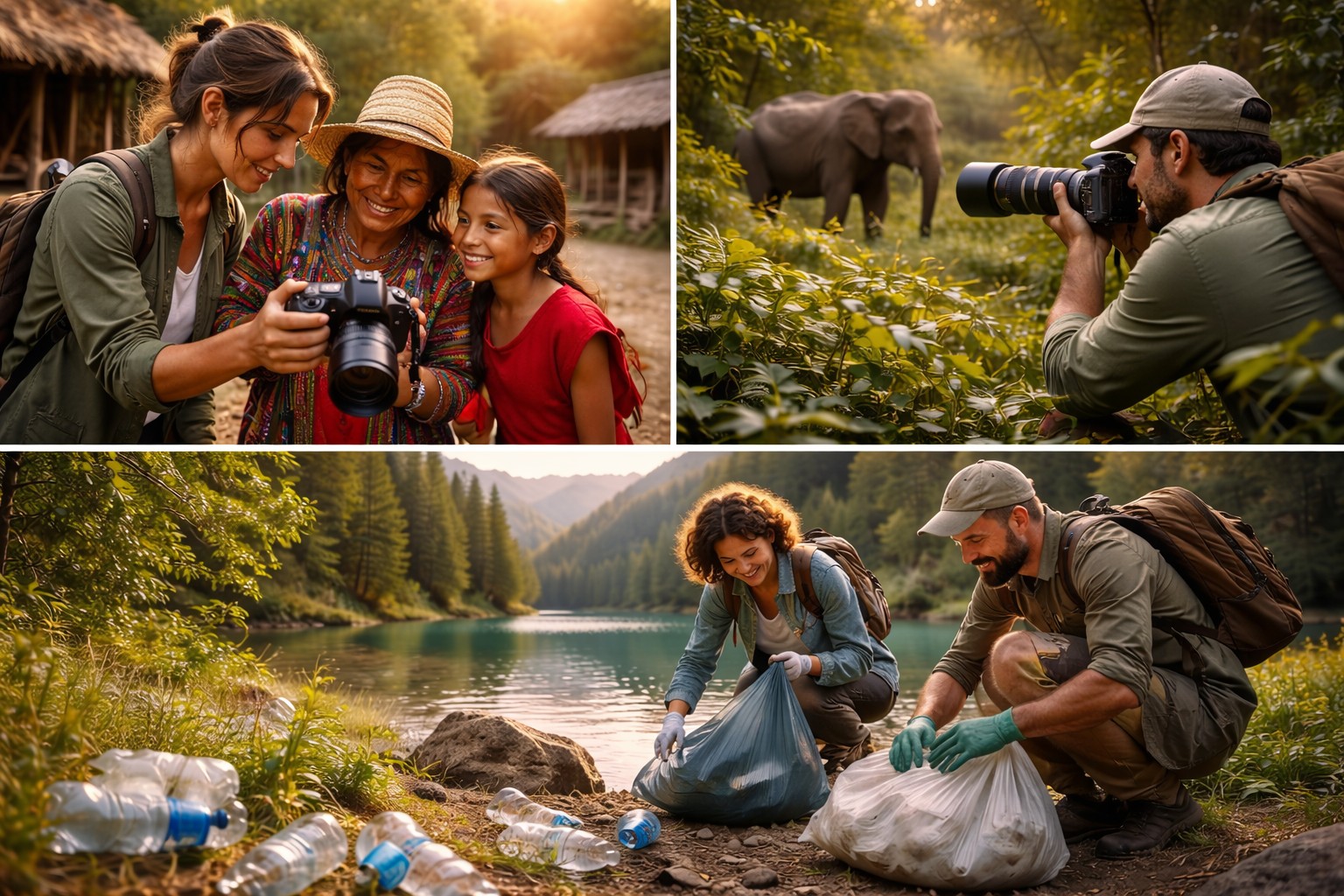
- Respect local cultures and communities when photographing people.
- Always ask for permission and explain how images will be used.
- Avoid disturbing wildlife by keeping a safe distance.
- Follow “Leave No Trace” principles at natural and heritage locations.
- Tell honest stories without misleading edits or staging.
- Support eco-conscious brands and causes through your work.
- Use photography to raise awareness about environmental and social issues.
Ethical choices build trust and create more meaningful images.
Sustainable Delivery, Printing & Packaging
How you deliver your photos also plays a big role in sustainability.

- Deliver images through online galleries and downloads instead of physical media.
- Print only when clients really need it, not by default.
- Use recycled or FSC-certified paper for albums and prints.
- Offer eco-friendly albums and frames made from bamboo or recycled wood.
- Choose local print labs to reduce shipping emissions.
- Pack products in recycled or minimal packaging instead of plastic.
- Educate clients about green options so they can choose sustainable products.
Eco-friendly delivery keeps your business modern and responsible.
Eco-Friendly Choices
- Repair cameras instead of replacing them.
- Buy second-hand lenses.
- Use camera bags made from recycled materials.
- Print on recycled paper with eco-friendly inks.
Example:
A studio prints portraits on recycled paper and tells customers it helps save trees.
Travel in a Greener Way
Photography often needs travel, but travel creates pollution. Greener travel reduces your carbon footprint.
Green Travel Tips
- Walk or cycle for nearby shoots.
- Use public transport when possible.
- Share rides with other photographers.
- Plan multiple shoots in one area.
Example:
A nature photographer plans one full day in a forest instead of visiting many times.
What Is Ethical Photography?
Ethical photography means respecting people and their stories. People in photos are not objects — they have feelings, culture, and dignity.
Ethical Practices
- Ask permission before close portraits.
- Explain how photos will be used.
- Avoid embarrassing or harmful images.
- Pay models and helpers fairly.
Example:
A street photographer talks to people after clicking photos and offers to share the images.
Respecting Nature and Wildlife
Nature photography should never harm animals or plants.
Wildlife Photography Ethics
- Keep a safe distance from animals.
- Never touch nests or baby animals.
- Do not damage plants.
- Follow forest and park rules.
Example:
A bird photographer uses a long lens instead of going near nests.
Ethical Storytelling: Tell the Truth
Photos tell stories. Ethical storytelling means being honest and not misleading viewers.
Honest Storytelling Tips
- Do not fake situations.
- Avoid heavy edits that change reality.
- Write captions that explain the real story.
Example:
A documentary photographer shows real village life instead of staged scenes.
Digital Sustainability in Photography
Even digital work uses energy and affects the environment.
Digital Eco Tips
- Delete unwanted files regularly.
- Use energy-efficient laptops.
- Turn off devices when not in use.
- Organize files to avoid extra backups.
Example:
A photographer cleans old photos monthly and keeps only useful files.
Why Clients Prefer Sustainable Photographers
Many clients today care about the planet and society.
They prefer photographers who:
- Care for the environment
- Respect people
- Work honestly
Example:
A brand hires a photographer because they promote eco-friendly and ethical shoots. These builds trust and a strong reputation.
How You Can Start Today
You don’t need to change everything at once. Start small.
Simple Steps
- Use rechargeable batteries
- Print less
- Respect people and places
- Travel smart
- Share your green efforts
Every small step makes a big difference.
Conclusion
Sustainable and ethical photography is not just a trend. It is a responsible way of creating images in today’s world. By caring for the environment and respecting people, photographers can make photos that are not only beautiful, but also meaningful.
Your camera can capture more than moments — it can help protect the planet and tell honest stories.
Be a photographer who makes a positive impact.
1. What is sustainable photography practices?
Sustainable photography practices means taking photos in a way that is eco-friendly, responsible, and kind to the planet.
2. Why is sustainable photography important today?
Sustainable photography is important because it helps protect the environment while meeting the growing demand for responsible and ethical visual content. Photographers, brands, and clients increasingly prefer environmentally conscious practices that reduce carbon footprints and preserve natural resources.
3. What does ethical photography mean?
Ethical photography means telling real and honest stories while respecting human dignity, culture, and nature. It focuses on consent, fair representation, cultural sensitivity, and avoiding exploitation of people, wildlife, or environments.
4. How can photographers practice sustainable photography?
Photographers can practice sustainable photography by:
- Supporting local communities and ethical brands
- Using digital workflows to reduce paper waste
- Choosing eco-friendly gear and rechargeable batteries
- Limiting travel or combining shoots
5. What are eco-friendly photography practices?
Eco-friendly photography practices include shooting with natural light, avoiding harm to wildlife, reducing plastic use, recycling equipment, and selecting sustainable packaging and printing options.
6. How does sustainable photography benefit brands?
Sustainable photography helps brands build trust, credibility, and a positive reputation. Environmentally responsible visuals align with modern consumer values and support ESG, CSR, and green marketing strategies.
7. Is sustainable photography more expensive?
Sustainable photography is not necessarily more expensive. While some eco-friendly equipment may cost more initially, digital workflows, reduced travel, and efficient resource use often lower long-term costs.
8. What is the difference between ethical and sustainable photography?
Sustainable photography focuses on protecting the environment and reducing ecological impact, while ethical photography focuses on people, culture, and truthful storytelling. Together, they create responsible and respectful photography practices.
9. Why do clients prefer sustainable photographers?
Clients prefer sustainable photographers because they align with eco-conscious values, reduce environmental impact, and ensure ethical representation. This is especially important for brands focused on sustainability and social responsibility.
10. How does sustainable photography help the environment?
Sustainable photography helps the environment by reducing waste, conserving energy, protecting natural habitats, and promoting awareness through responsible visual storytelling.
11. Can sustainable photography still produce high-quality images?
Yes, sustainable photography can produce professional, high-quality images. Eco-friendly practices do not limit creativity—instead, they encourage thoughtful planning, natural aesthetics, and authentic storytelling.
12. Is sustainable photography the future of photography?
Yes, sustainable photography is becoming the future of the photography industry as photographers and brands prioritize environmental responsibility, ethical storytelling, and long-term impact over short-term convenience.

I am a wild life photographer and maintain it at my level best, so, that all creatures in this world should live happily and peacefully along with nature.
It should be maintained by all the photographers.
Really worthy