
Photography trends show that even though smartphones take very good photos, many people still choose to buy dedicated cameras. In fact, the digital camera market is growing again because cameras offer clear technical advantages. Brands are improving image quality, autofocus, and low-light performance while also making cameras more user-friendly. These improvements are attracting both beginners who want to learn photography and serious hobbyists who want more creative control than a smartphone can provide.
Why Digital Cameras Are Growing Again
Modern digital cameras offer hardware features that phones cannot fully replace. While phones rely heavily on software, cameras focus on larger sensors, better lenses, and more manual control.
For example:
- A mirrorless camera has a much larger sensor than a phone, allowing more light to enter
- More light means better image quality, especially in low-light situations
- Interchangeable lenses let photographers choose the right tool for portraits, landscapes, or sports
This combination of hardware and software is why many people are returning to dedicated cameras.

Mirrorless Cameras: Powerful and Beginner-Friendly
Mirrorless cameras are now the most popular type of digital camera. They remove the bulky mirror system found in DSLRs, making them lighter and faster.
Common beginner-friendly mirrorless examples:
- Canon EOS R50 – easy controls with advanced autofocus
- Sony a6400 – excellent subject tracking and video features
- Nikon Z50 – strong image quality with simple menus
From a technical point of view, these cameras offer:
- Phase-detection autofocus that tracks faces and eyes
- Electronic viewfinders showing real-time exposure changes
- Fast burst shooting, useful for wildlife or sports
For beginners, this means fewer missed shots and faster learning.
Compact Cameras: Small but Technically Strong
Compact cameras are growing in popularity because they sit between smartphones and large cameras.
Unlike phones:
- Compact cameras use larger sensors
- They have optical zoom lenses, not digital zoom
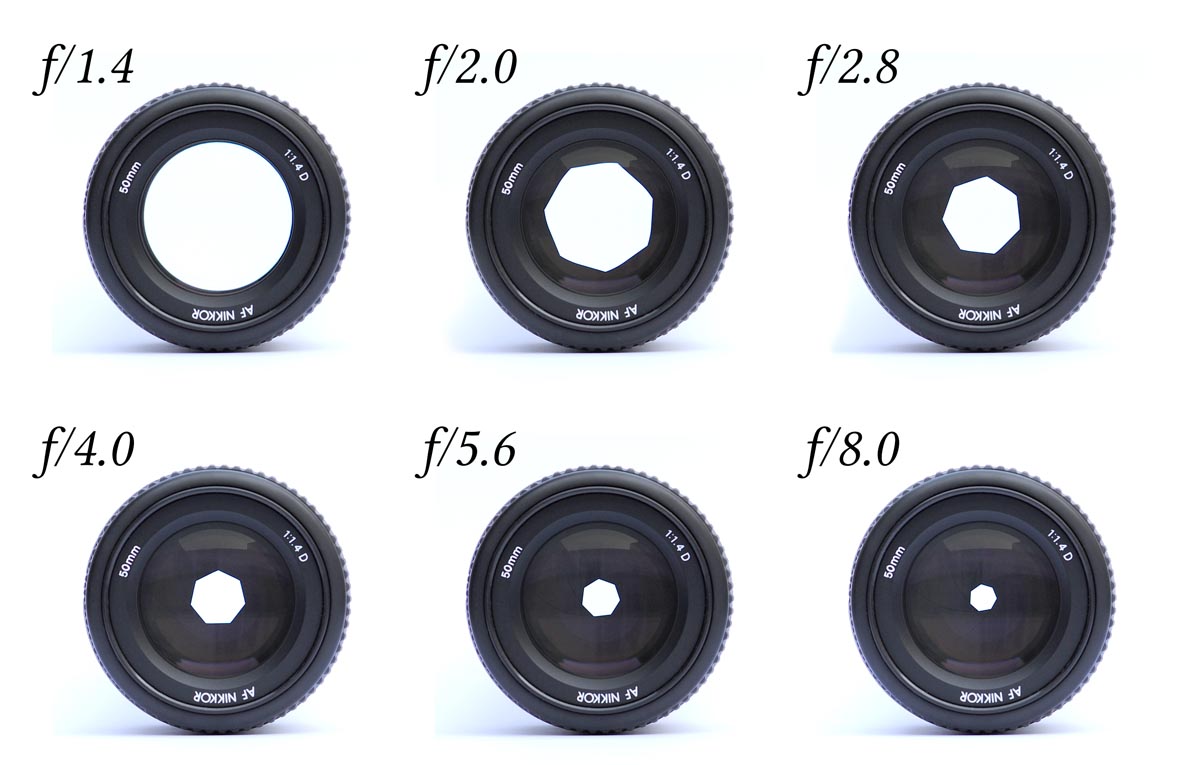
- They allow manual control over ISO, shutter speed, and aperture
Popular compact camera examples:
- Sony RX100 series – powerful sensor in a pocket-sized body
- Fujifilm X100 series – fixed lens with professional image quality
These cameras are often used for:
- Street photography
- Travel photography
- Daily practice without carrying heavy gear
Technically, they offer a clean learning path for beginners who want more control than a phone.
Camera Technology That Matters
Modern camera brands focus on features that make photography easier to understand and control.
Key technical improvements include:
- AI autofocus that detects eyes, faces, animals, and vehicles
- In-body image stabilization (IBIS) to reduce blur
- High dynamic range (HDR) for better highlights and shadows
For example, a beginner shooting indoors can rely on autofocus and stabilization while slowly learning manual settings.
Better User Experience for Beginners
Camera companies now focus heavily on user experience, not just technical specifications.
Examples include:
- Touchscreen menus similar to smartphones
- Beginner shooting modes with on-screen explanations
- Mobile apps that transfer photos wirelessly
Brands also offer:
- Online tutorials
- Photography workshops
- Beginner-friendly lenses and accessories
This makes the learning curve less intimidating.
Cameras vs Smartphones: A Technical Comparison
| Feature | Smart Phone | Digital Camera |
|---|---|---|
| Sensor Size | Very small | Large |
| Lens Options | Fixed | Interchangeable |
| Optical Zoom | Limited | Strong |
| Manual Control | Basic | Advanced |
| Low-Light Performance | Moderate | Excellent |
This comparison shows why many users choose cameras for serious photography.
What Beginners Should Take Away
For beginners, the growing camera market means:
- More affordable entry-level options
- Better automatic modes powered by AI
- Easier transition from phone photography
A compact or mirrorless camera can help you understand photography fundamentals while still delivering professional-level results.
Market Implications for Professionals
The renewed growth of the digital camera market signals:
- Continued investment in high-end systems
- Stronger lens ecosystems
- Longer platform lifespans with firmware-driven upgrades
- Rather than chasing mass adoption, manufacturers are focusing on professional trust and system loyalty.
Final Thoughts
The digital camera market is growing because cameras now offer better technology, better learning tools, and better experiences. Compact cameras provide portability and control, while mirrorless cameras deliver power and flexibility.
For anyone starting their photography journey, this is one of the best times to invest in a digital camera. The tools are smarter, lighter, and more beginner-friendly than ever before.