

Storytelling through photography is a powerful way to capture moments that speak beyond just images. For beginners, learning how to tell a story with your photos can seem challenging, but with the right exercises, anyone can develop this skill. Whether you’re using a smartphone or a DSLR/Mirrorless, practicing real-world photography tasks helps you see the world differently and create compelling visual narratives.
Goal: Build storytelling skills using real-world photo tasks you can try with any camera (even a phone).
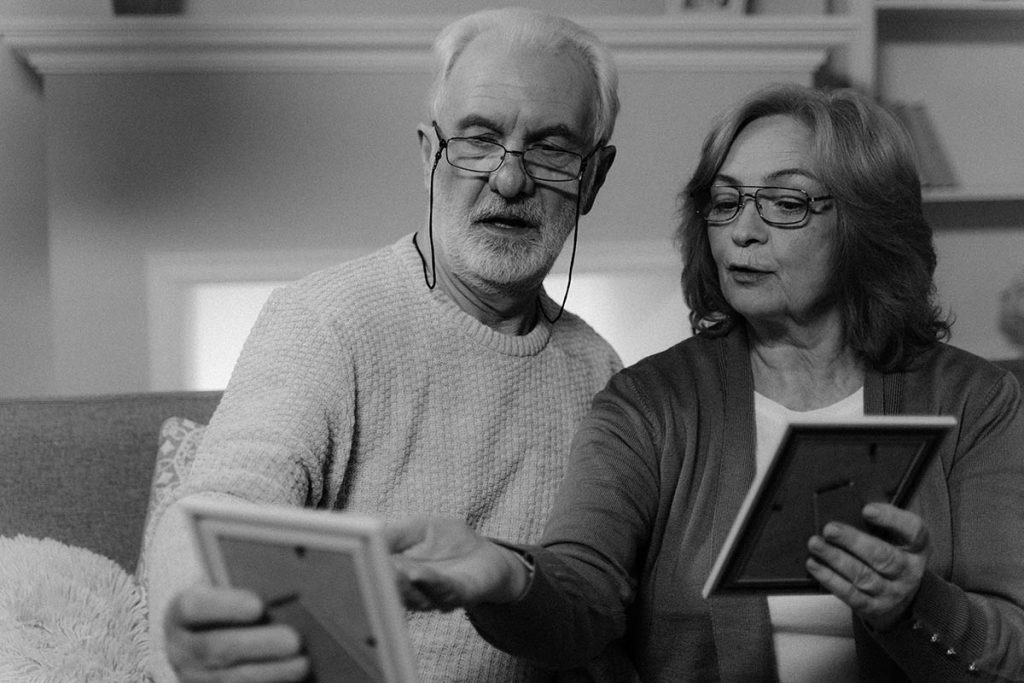
One Subject, One Story
What to Do:
Choose one person or object (a friend, pet, plant, cup of coffee—anything). Take 3–5 photos that show different sides of that subject.
Focus On:
• Emotion
• Activity or interaction
• Perspective (close-up, wide, from above, etc.)
Why:
This helps you understand how much variety and storytelling you can create from a single subject.
5-Minute Observation Challenge
What to Do:
Sit in a public place for 5 minutes without taking any photos. Just watch people and scenes unfold. After 5 minutes, take 3 pictures that capture a story you noticed.
Focus On:
• Candid moments
• Emotions
• Interactions
Why:
Improves your observation skills—key for capturing real stories.
Capture a Daily Routine (Photo Series)
What to Do:
Pick a simple routine like making tea, walking your dog, or reading. Document it in 3–6 photos: beginning, middle, and end.
Focus On:
• Small actions (hands pouring water, flipping a page)
• Environment (kitchen, living room, outdoors)
• Consistent mood or tone
Why:
It teaches sequencing and visual storytelling, just like a comic strip or short film.
Tell a Story With Just Hands or Feet
What to Do:
Avoid faces completely. Instead, capture a moment using only hands or feet—typing, cooking, tying shoes, holding hands, etc.
Focus On:
• Gestures
• Emotion through body language
• Close-up framing
Why:
This helps you learn how to show action and emotion without relying on facial expressions.
Frame within a Frame
What to Do:
Find natural frames like windows, doorways, mirrors, or arches. Place your subject inside that frame and capture the shot.
Focus On:
• Composition
• Guiding the viewer’s eye
• Story through setting
Why:
This adds depth and context to your photos while making your subject stand out.
Mood Through Light
What to Do:
Take the same subject in two different types of light (e.g., early morning vs. harsh noon light, or side-lit vs. backlit). Compare the mood each one creates.
Focus On:
• Emotion through lighting
• Soft vs. harsh shadows
• Warm vs. cool tones
Why:
Helps you understand how light shapes your photo’s emotional tone.
Tell a Story in One Square Meter
What to Do:
Pick a small area—like your desk, kitchen table, or garden corner—and take 5 photos that tell a story within that space.
Focus On:
• Details
• Composition
• Small changes in angle and focus
Why:
Shows how powerful stories can come from even the simplest surroundings.
Over-the-Shoulder Perspective
What to Do:
Take a photo over someone’s shoulder while they’re doing something (drawing, cooking, texting, playing a game, etc.).
Focus On:
• Immersive perspective
• Capturing what they see
• Depth of field
Why:
Gives viewers a feeling of being there—a powerful storytelling tool.
Emotion Hunt
What to Do:
Photograph people (friends, family, or in public) and aim to capture one clear emotion—like joy, boredom, excitement, or surprise.
Focus On:
• Expression
• Body language
• Timing
Why:
Sharpens your reflexes and teaches you to anticipate the right moment.
Visual Diary: “A Day in My Life”
What to Do:
Capture 6–10 photos throughout your day that show what your life is like: waking up, work/school, meals, hobbies, people you meet, etc. You may treat it as visual diary.
Focus On:
• Variety in shots (wide, close-up, detail)
• Real, everyday moments
• Telling your story authentically
Why:
It’s a fun, low-pressure way to practice storytelling consistently while documenting your real life.
Pro Tip: Review and Reflect
After completing any exercise, ask yourself:
• What story do these photos tell?
• Is it clear to someone else?
• What worked well? What could be better?
You can even ask a friend to describe what they see in your photo—that’s a great way to know if your story is coming through!
For in-depth knowledge you may like:
- https://clickstory.in/storytelling-in-photography-8-expert-tips/
- https://clickstory.in/10-tips-tricks-for-beginners-to-turn-moments-into-stories/
An example of “A Day in My Life.”