

Focal length is a fundamental concept in photography that greatly influences the outcome of your images. Whether you’re a novice photographer or a seasoned professional, grasping the details of focal length can enhance your ability to capture compelling and impactful photos.
What is Focal Length?
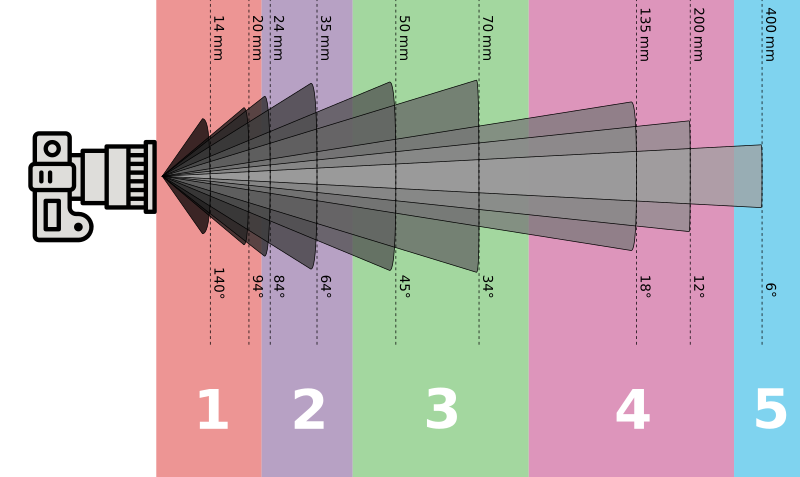
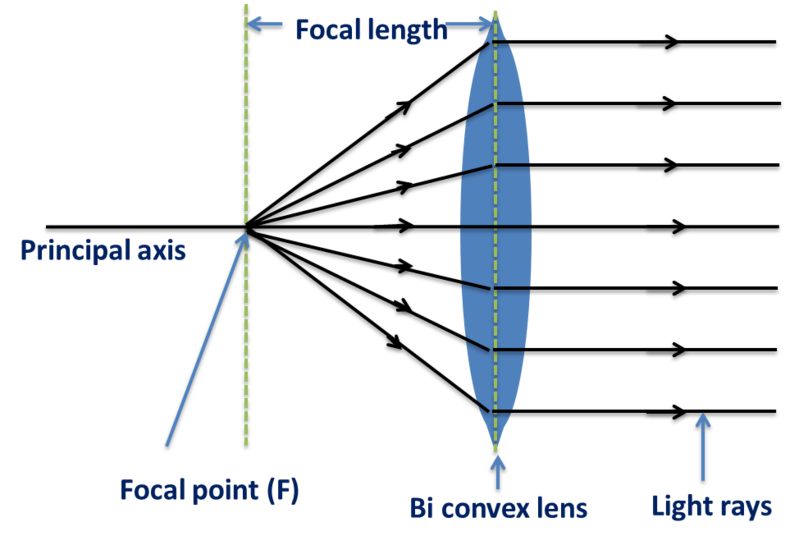
Focal length is the distance between the lens and the image sensor when the subject is in focus. It is usually measured in millimeters (mm) and determines the field of view and magnification of the image. Lenses are often classified by their focal lengths, which can be broadly categorized into three types: wide-angle, standard, and telephoto.
Focal length is the distance (measured in millimeters) between the lens’s optical center and the camera sensor when the subject is in focus.
- Measured in millimeters (mm)
- Determines field of view
- Affects magnification
- Influences perspective compression
For example:
- 24mm = wide view
- 50mm = natural view
- 200mm = zoomed-in view
Magnification and Compression
Focal length plays a crucial role in determining the magnification and compression of a lens. A longer focal length means greater magnification of distant elements and compressed the background more with the foreground.
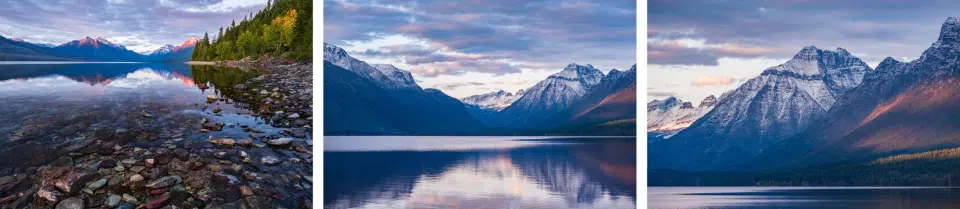
For example, if you’re photographing a dancer at a distance, using a 16mm wide-angle lens, it will make the dancer appear tiny in the frame (e.g. more areas of foreground and background). However, switching to a 400mm telephoto lens will significantly magnify and compress the dancer background, making it appear much larger in your photo (e.g. full figure of the dancer turns into head to throat areas only and subtracting more foreground and background). A telephoto lens functions like binoculars, magnifying distant objects. In contrast, a wide-angle lens makes distant objects appear even smaller.
Wide-Angle Lenses
Wide-angle lenses have short focal lengths, typically ranging from 10mm to 35mm. These lenses provide a broad field of view, making them ideal for landscape, architecture, and interior photography. They allow you to capture expansive scenes and emphasize the spatial relationship between objects. It often resulting in images with a sense of depth and perspective distortion.
Standard Lenses
Standard lenses, often referred to as normal lenses. Here the focal lengths fall within the range of 35mm to 70mm. A 50mm lens is considered the standard or normal lens for full-frame cameras because it closely replicates the field of view of the human eye. These lenses are versatile and suitable for various photography genres, including portraits, street photography, and general-purpose shooting.
Telephoto Lenses
Telephoto lenses have long focal lengths, typically starting at 70mm and extending beyond 300mm. These lenses offer a narrow field of view and significant magnification, making them ideal for wildlife, sports, and portrait photography. Telephoto lenses allow photographers to capture distant subjects with clarity and isolate them from the background. It creates a shallow depth of field and beautiful bokeh effects.
The Impact of Focal Length on Composition
Focal length significantly impacts how you compose your images. It influences the perspective, depth of field, and the relationship between the subject and the background.
Perspective
Wide-angle lenses exaggerate the sense of depth in an image. It makes the objects in the foreground appear larger and more prominent compared to those in the background. This perspective distortion can be creatively used to emphasize certain elements in your composition.
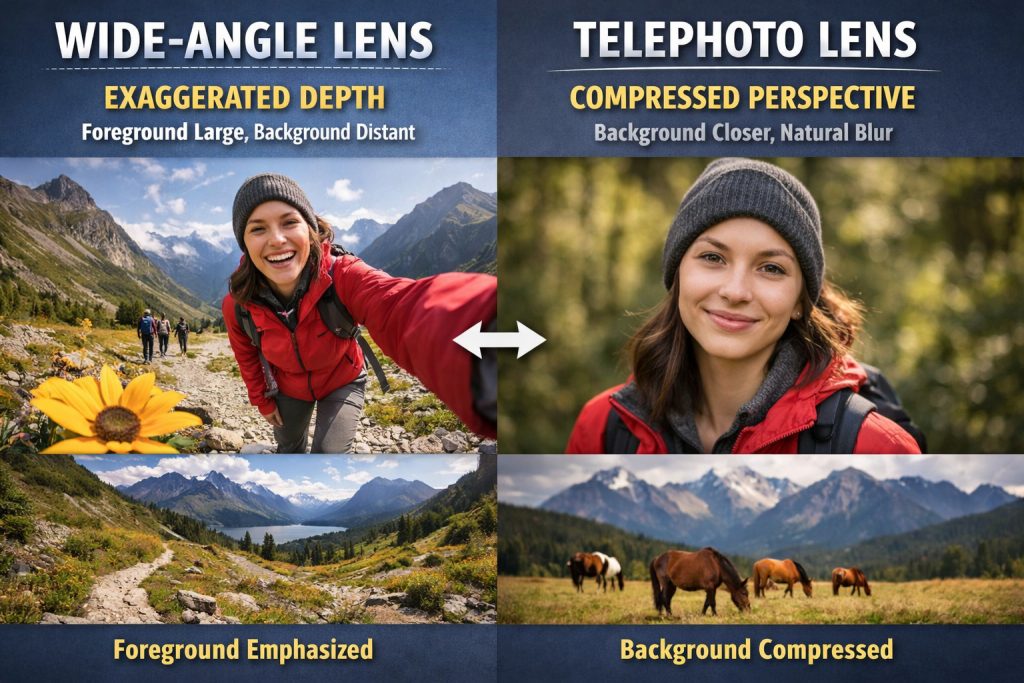
On the other hand, telephoto lenses compress the perspective. It makes the objects at different distances appear closer together. This effect is often used in portrait photography to create flattering images with a natural background blur.
Example:
- At 18mm, a person’s nose may appear larger if shot close.
- At 135mm, facial features appear flatter and more flattering.
Depth of Field
Depth of field (DOF) refers to the range of distance within a photo that appears acceptably sharp. Wide-angle lenses typically have a greater depth of field, keeping more of the scene in focus from foreground to background. Conversely, telephoto lenses have a shallower depth of field. It isolates the subject and creating a pleasing out-of-focus background, which is especially desirable in portrait photography.
Subject-Background Relationship
The focal length also affects the perceived distance between the subject and the background. Wide-angle lenses make the background appear farther away, which can be useful for environmental portraits where you want to include more context. Telephoto lenses, by contrast, bring the background closer, which can help in creating more intimate and focused portraits by blurring the background and making the subject stand out.
Choosing the Right Focal Length
Selecting the appropriate focal length depends on various factors, including the type of photography you’re engaging in, the subject, and the desired composition. Here are some tips for choosing the right focal length:
- Landscape Photography: Opt for wide-angle lenses (10mm-35mm) to capture expansive scenes and emphasize depth.
- Portrait Photography: Use standard or short telephoto lenses (50mm-135mm) to achieve flattering compositions with a shallow depth of field.
- Wildlife and Sports Photography: Telephoto lenses (200mm and above) are essential for capturing distant subjects with precision.
- Street Photography: Standard lenses (35mm-50mm) are versatile for candid shots and capturing everyday life without distortion.
Prime vs Zoom Lenses
Prime Lens
- Fixed focal length (e.g., 35mm, 50mm, 85mm)
- Sharper and often wider apertures
- You must move physically to reframe
Zoom Lens
- Variable focal length (e.g., 24–70mm, 70–200mm)
- More flexible
- Convenient for events and travel
Example:
A 24–70mm lens lets you switch from wide group shots to tighter portraits instantly.
Simple Guide for Right Focal Length
| Photography Type | Recommended Focal Length |
|---|---|
| Landscape | 14–24mm |
| Street | 35mm |
| Portrait | 50mm – 85mm |
| Wildlife | 200mm+ |
| Sports | 200–400mm |
Crop Sensor vs Full Frame
If you use a crop sensor camera (APS-C), your focal length appears longer due to the crop factor (usually 1.5x or 1.6x).
Example:
- 50mm on a crop sensor ≈ 75mm effective field of view
This is important when choosing lenses.
Practical Example Comparison
Imagine photographing a person standing 10 feet away:
- 24mm → Shows full body + background environment
- 50mm → Shows upper body naturally
- 135mm → Shows close-up portrait with blurred background
Same subject. Same distance. Different focal lengths. Completely different results.
Final Thoughts
Focal length isn’t just about zooming in or out—it shapes how your image feels. Wide lenses create drama and depth. Standard lenses feel natural. Telephoto lenses isolate and compress.
If you’re starting out, a 35mm or 50mm lens is a great learning tool. As you grow, you’ll choose focal lengths intentionally to match your creative vision.
Master focal length, and you’ll instantly improve your photography.
Frequently Asked Questions (FAQs)
1. What is focal length in photography?
Focal length is the distance (measured in millimeters) between a camera lens’s optical center and the image sensor when the subject is in focus. It determines how wide or zoomed-in your photo appears.
2. What does focal length affect?
Focal length affects:
- Background blur (compression and subject separation)
- Field of view (how much of the scene you capture)
- Magnification (how large subjects appear)
- Perspective (how close or far objects look)
3. Is a higher focal length better?
Not necessarily.
- Lower focal lengths (14–35mm) are better for landscapes and wide scenes.
- Higher focal lengths (85–300mm+) are better for portraits, wildlife, and sports.
The best focal length depends on what you’re photographing.
4. What focal length is best for portraits?
For portraits, 50mm to 85mm is ideal.
- 50mm gives a natural look.
- 85mm provides flattering compression and background blur.
Professional photographers often prefer 85mm for headshots.
5. What focal length is best for landscapes?
For landscapes, 14mm to 24mm works best because it captures wide scenes and dramatic perspectives.
6. What is the difference between 24mm and 50mm?
- 24mm captures a wider scene and shows more background.
- 50mm gives a more natural perspective similar to human vision.
- 24mm is great for travel and interiors, while 50mm is ideal for everyday photography.
7. Does focal length affect depth of field?
Yes, indirectly. Longer focal lengths can create more background blur (when distance and aperture remain consistent). However, aperture (like f/1.8 or f/2.8) plays a bigger role in depth of field.
8. What focal length is best for wildlife photography?
Wildlife photography typically requires 200mm to 600mm to capture distant animals clearly without disturbing them.
9. What happens if I use a wide-angle lens for portraits?
Using a wide-angle lens (like 18mm or 24mm) too close to a person can cause facial distortion, making the nose look larger and features stretched.
10. What is crop factor in focal length?
Crop factor applies to APS-C cameras. A 50mm lens on a crop sensor (1.5x crop) behaves like a 75mm lens in terms of field of view.
11. What is the most versatile focal length?
Many photographers consider 35mm or 50mm the most versatile focal lengths because they work well for portraits, street, travel, and everyday photography.
