

When we talk about photography, most people think of camera settings, lenses, or editing apps. But one thing that separates a good photographer and that is environmental literacy — understanding how weather, light, nature, and even safety influence your photos.
Think about it — the same street, mountain, or sea can look completely different depending on the weather, time of day, or season. Being aware of your surroundings not only helps you get better shots but also keeps you safe while shooting.
Reading the Sky: Clouds, Light, and Mood
The sky is nature’s light source and mood setter. Every cloud formation and sunlight pattern tells a story.

In India:
Before the monsoon, the skies over Mumbai or Kerala become dark and dramatic. Photographers love this contrast — dark clouds and bright costumes or greenery can create emotionally charged images.
After the rain, the light becomes clean and reflective — perfect for street reflections or portrait shots.
In Western countries:
In Scotland, Ireland, or the Pacific Northwest (USA), soft overcast skies create a natural light diffuser — ideal for portraits and macro shots. On the other hand, in places like Arizona or Spain, clear blue skies make landscapes sharp and colorful, especially in desert environments.
Photography Tip:
- Use clouds to add depth to your photo.
- Cumulus clouds (white and fluffy) make cheerful compositions.
- Dark rain clouds (nimbus) add mood and drama.
- Use apps like Windy or AccuWeather to track cloud movement and sunlight timing.
Reading the Tide: The Power of Water and Timing
If you love photographing beaches, fishing ports, or coastal landscapes, knowing about tides is essential.

In India:
At Mahabalipuram (Tamil Nadu), during low tide, ancient temple structures appear more visible against the rocks. At high tide, waves crash dramatically against them — giving an entirely different look.
In Goa, low tide exposes wet sand for mirror-like reflections, while high tide gives more dynamic wave photos.
In Western countries:
In Cornwall (UK) or California, surfers and seascape photographers always check the tide charts before heading out. A high tide can hide rocks or flood safe spots, while low tide can reveal tide pools and interesting textures.
Photography Tip:
- Use the app Tides Near Me or Magic Seaweed to plan your beach shoots.
- Always keep your gear safe from saltwater splashes — use a UV filter and carry a microfiber cloth.
- Never turn your back to the sea — rogue waves are real!
Reading the City: Traffic, Light, and Rhythm
City photography is not just about tall buildings. It’s about timing, rhythm, and understanding how urban environments move.

In India:
The streets of Delhi, Kolkata, or Varanasi are alive with constant movement. Street vendors, cows, bikes, and buses form layers of storytelling. But capturing this chaos beautifully means observing patterns — when the traffic slows, when light hits a wall, or when the crowd thins for a moment.
In the golden hour, the warm glow over Mumbai’s Marine Drive turns everything cinematic — the sea, the skyline, and even the silhouettes of people walking.
In Western countries:
In London, New York, or Paris, the light behaves differently. The streets are often narrower, with tall buildings reflecting light into hidden corners. Early mornings are best for architectural photography — fewer people and soft directional light.
Photography Tip:
- Scout locations beforehand. Watch how shadows fall and how traffic lights change.
- For night photography, use long exposure to capture light trails.
- Always be mindful of safety — keep your camera strap around your neck and stay aware of your surroundings.
Light and the Magic of Golden Hour
Every photographer knows the term golden hour — the time just after sunrise and just before sunset when the light is soft, warm, and magical.

In India:
The dust and humidity in the air scatter light differently, giving the golden hour a rich, orange tone. This is why sunrise at Jaipur’s Amer Fort or sunset at Varanasi Ghats looks breathtaking.
In Western countries:
In Sweden, Norway, or Canada, golden hour can last for nearly two hours in summer! The cooler air gives the light a bluish-golden mix, perfect for calm landscape photography.
Photography Tip:
- Use the app PhotoPills or Sun Surveyor to know the exact golden hour times.
- Plan your composition before the golden light hits — it fades fast!
- Avoid harsh midday sun unless you’re shooting high-contrast or street-style images.
Safety First: Great Photos Are Not Worth Risking Your Life
Every photographer dreams of that perfect shot — but nature and urban spaces can be unpredictable.
In India:
During the monsoon, roads can flood quickly, and slipping near waterfalls or ghats is common. Always wear grip shoes and carry a rain cover for your gear.
If you’re shooting in wildlife parks like Ranthambore or Kaziranga, stay inside your vehicle and follow the forest guide’s instructions — animals move silently and fast.
In Western countries:
In Iceland or Canada, the weather can switch from sunshine to snowstorm in minutes. Carry extra batteries (cold drains power fast), a headlamp, and thermal gloves for long exposures.
Safety Checklist
- Tell someone your location and return time.
- Carry water, snacks, and a small first aid kit.
- Back up your memory cards after every session.
- Avoid climbing dangerous rocks or trespassing for a shot — it’s not worth it.
Respecting the Environment: Be a Responsible Photographer
As photographers, we have the power to influence how others see the world. Let’s make sure we do it with care.

In India:
In natural places like Spiti Valley or Western Ghats, never pluck flowers or step on grasslands just to “get closer” to your subject. Respect local people’s privacy, especially in rural areas.
In Western countries:
In parks like Yosemite (USA) or Lake District (UK), there are strict rules about staying on marked trails. Following them helps protect fragile ecosystems — and avoids fines.
Photography Tip:
- Leave no trash behind.
- Avoid using flash on wildlife.
- Share your environmental awareness on social media — inspire others to shoot responsibly.
Final Thoughts: Nature Is Your Best Teacher
Photography is not just about capturing what you see — it’s about understanding the world around you. The more you learn about clouds, tides, light, and human movement, the more your photos will come alive.
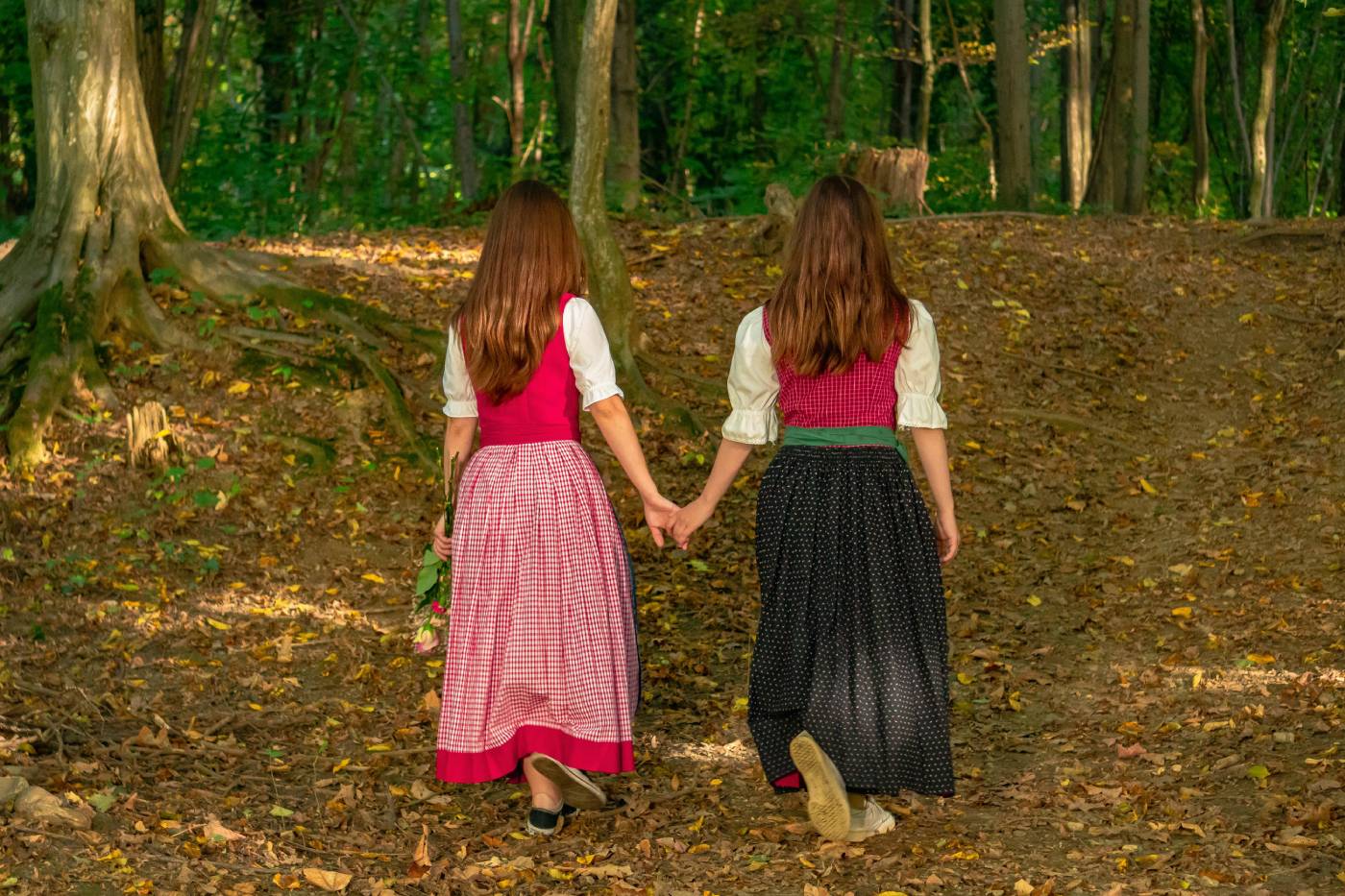
Next time you go out with your camera, try this little exercise:
- Look up and read the clouds.
- Watch how light changes colors on the ground.
- Notice how people or animals move with that light.
- Stay safe and respect the space you’re in.
When you combine technical skill with environmental awareness, every photo becomes more than an image — it becomes a story of connection between you and the world


