

Photographer health tips are often overlooked in the pursuit of perfect shots. Between carrying heavy gear, working in awkward positions, and spending hours editing at a desk, the physical demands of photography can take a serious toll on the body. Back pain, wrist strain, and fatigue are common issues, but with self-care and ergonomics, photographers can protect their health and keep their creativity alive for years to come.
Posture Awareness While Shooting
Photographers often lean, crouch, or twist to capture unique angles, but poor posture can lead to long-term back and neck problems. Wedding photographers, for example, may spend hours hunched over during ceremonies and receptions.

Tips for healthier posture:
- Bend at your knees rather than your waist.
- Keep your back straight and use leg strength for stability.
- Carry a lightweight foldable stool (e.g., Walkstool Comfort or Manfrotto Stool) to avoid crouching for long periods.
- Alternate between standing and kneeling to avoid stiffness.
A small stool or knee pad not only saves your back but also makes low-angle shots easier.
Protecting Wrist and Hand Health
Constantly gripping a heavy camera and using a mouse for editing puts stress on the wrists. Over time, this can cause repetitive strain injuries (RSI) or carpal tunnel syndrome.

Tips for wrist care:
- Use cross-body camera straps like the BlackRapid Sport Breathe Strap to distribute weight.
- Try a dual harness system such as HoldFast MoneyMaker for carrying two cameras evenly.
- For editing, switch to an ergonomic mouse like the Logitech MX Vertical or use a pen tablet such as Wacom Intuos.
- Stretch your hands and wrists every hour to increase flexibility and blood flow.

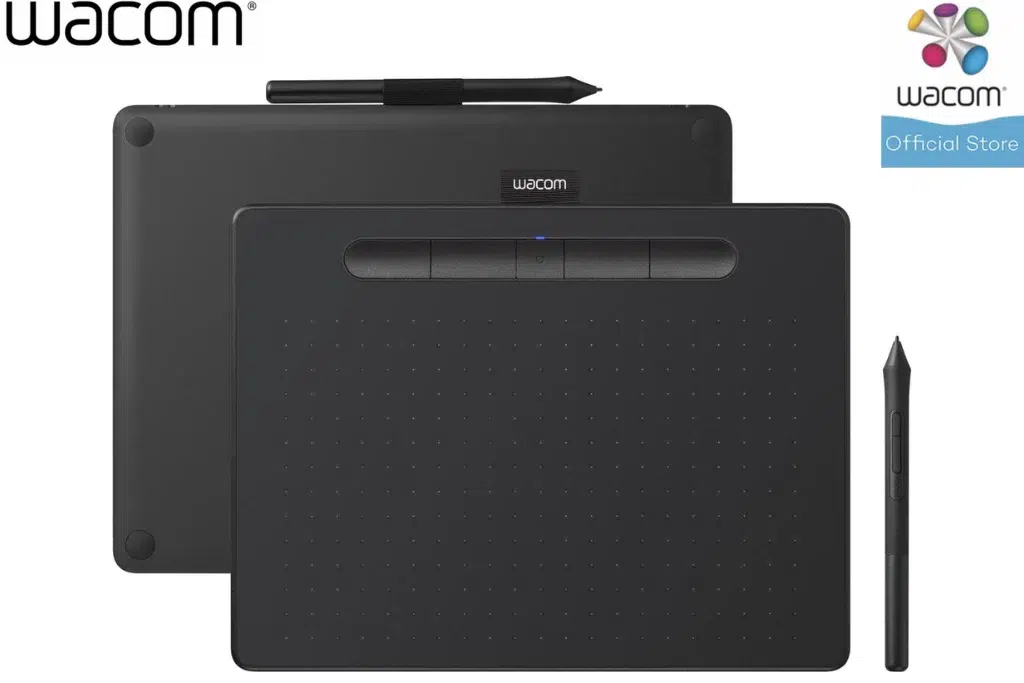
These tools reduce pressure on your wrists and allow you to shoot and edit comfortably.
Carrying Heavy Gear Safely
A full camera kit can be as heavy as a small suitcase. Carrying it all on one shoulder leads to imbalance and long-term discomfort.

Tips for carrying gear:
- Use rolling camera bags like the Think Tank Airport Roller for easy transport.
- Choose hiking-style backpacks such as the Lowepro ProTactic 450 AW II with padded straps and lumbar support.
- Consider modular belt systems like the SpiderPro Holster to keep essentials accessible without overloading your shoulders.
- Always balance weight evenly between both sides of the body.
Landscape and travel photographers especially benefit from backpacks with waist belts, as they shift weight to the hips for better endurance.
Editing Desk Ergonomics
Editing long hours at a poorly designed desk can strain your eyes, shoulders, and back. A simple ergonomic setup makes a big difference.

Ideal desk setup for editing:
- Monitor at eye level—adjustable monitor arms like Ergotron LX help.
- Use an ergonomic chair such as the Herman Miller Aeron or Secretlab Titan Evo for lumbar support.
- Ensure feet rest flat on the floor (footrests like HUANUO Adjustable Footrest can help).
- Use blue-light filtering glasses if you spend long hours in front of screens.
- Follow the 20-20-20 rule: every 20 minutes, look at something 20 feet away for 20 seconds.

With the right setup, a photographer can edit for hours without fatigue or pain.
Rest and Recovery Habits
Even with the best gear and ergonomics, your body still needs rest and recovery. Ignoring breaks often results in burnout or injuries.
Healthy self-care practices:
- Stretch before and after shoots. Apps like StretchIt guide you through routines.
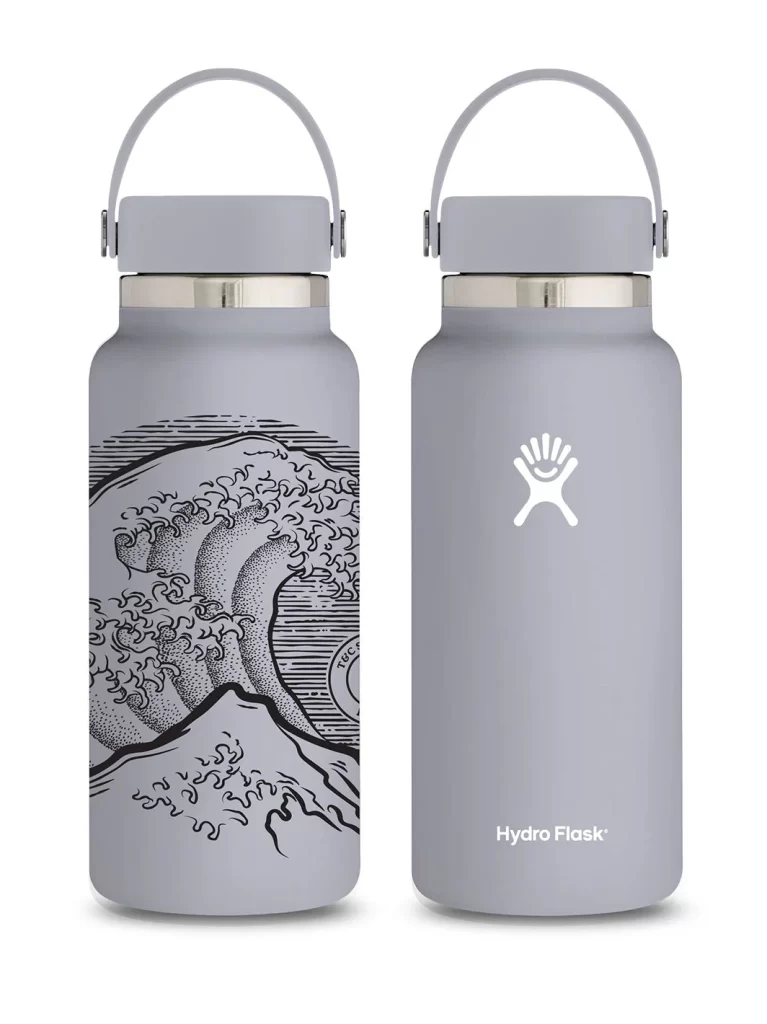
- Carry a reusable water bottle such as the Hydro Flask to stay hydrated.
- Pack snacks like protein bars or nuts for quick energy.
- Schedule short breaks between editing sessions using tools like the Pomofocus timer app.
- Prioritize at least 7–8 hours of sleep after long assignments.
Photojournalists and event photographers often work non-stop, but short recovery practices ensure they stay energized and focused.
Mental Health and Stress Management
Photography is not only physically demanding but also mentally draining. Deadlines, client expectations, and the pressure to always “get the shot” can lead to anxiety, creative blocks, or burnout. Many photographers experience “decision fatigue” after hours of selecting and editing images, which reduces creativity.
Tips for mental well-being:
- Set boundaries: Avoid overbooking shoots back-to-back. Giving yourself recovery days prevents burnout. For instance, a wedding photographer shooting three events in a row without rest is more likely to lose focus and make mistakes.
- Practice mindfulness: Use meditation apps like Headspace or Calm, or even simple breathing exercises during breaks to reset your mind.
- Take creative breaks: Step away from editing to do something unrelated to photography—reading, sketching, or even a walk outdoors can refresh your creativity.
- Community support: Join photography groups on Facebook or local clubs like Photographic Society of India (PSI). Talking to peers reduces stress and helps share solutions to common struggles.
By treating mental health as part of self-care, you protect your passion from becoming a source of exhaustion.
Nutrition and Energy Maintenance
Long shooting days and late-night editing often push photographers toward unhealthy eating—skipping meals, grabbing fast food, or depending only on coffee. But poor nutrition directly impacts concentration, stamina, and mood. A dehydrated or hungry photographer may miss important details or lose patience with clients.
Tips for better energy:
- Eat balanced meals before assignments: For example, a breakfast of oats, nuts, and fruits provides sustained energy compared to sugary snacks.
- Carry healthy snacks: Protein bars (Yoga Bar, RiteBite), mixed nuts, or roasted chana are portable and filling. They provide slow-release energy during long shoots.
- Stay hydrated: Use reusable bottles like Milton Thermosteel or Hydro Flask. Dehydration causes headaches and reduces focus, especially during outdoor shoots.
- Limit caffeine: One or two cups of coffee are fine, but overreliance leads to energy crashes. Switch to green tea or lemon water for hydration with mild stimulation.
Good nutrition ensures that physical energy matches creative focus, making your performance more consistent throughout the day.

Stretching and Fitness Routines
A strong and flexible body is the foundation of a long photography career. Constant lifting, bending, and carrying heavy gear put strain on muscles and joints. Without regular stretching and exercise, this leads to stiffness, injuries, and reduced mobility over time.
Tips for fitness and mobility:
- Stretch daily: Focus on shoulders, back, and wrists. For example, after carrying gear, try a simple shoulder roll and chest opener stretch to release tension.
- Yoga and flexibility: Photographers spend long hours in static positions—yoga improves flexibility and reduces stiffness. Apps like Daily Yoga or YouTube channels like “Yoga With Adriene” offer free routines.
- Strength training: Core strength supports posture. Bodyweight exercises like planks, squats, and push-ups can be done at home without equipment.
- Portable fitness tools: Carry a resistance band (available at Decathlon India) for quick stretches during shoots. Even a few minutes of stretching before and after assignments makes a big difference.
- Movement breaks: During editing, stand and stretch every 45–60 minutes. This improves blood circulation and prevents lower-back stiffness.

Building fitness into your routine ensures that you don’t just survive shoots—you thrive during them with better stamina and resilience.
Final Thoughts
Photography is physically demanding, but taking care of your body ensures you can keep creating for decades. By focusing on posture, wrist health, carrying techniques, ergonomic desk setups, and proper rest, photographers protect themselves from long-term health problems.
Investing in ergonomic tools—from camera harnesses to editing chairs—is not just about comfort, it’s about sustaining your career and passion. After all, great images come from photographers who are healthy, alert, and ready for the moment.
Photographer’s Self-Care Toolkit (India-Friendly)
- Posture Tools: Walkstool Comfort, Manfrotto Stool
- Wrist & Hand Health: MaheTri Dual Harness, BlackRapid Strap, Logitech MX Vertical Mouse, Wacom Intuos
- Gear Carrying: Think Tank Airport Roller, Lowepro ProTactic 450 AW II, SpiderPro Belt System
- Editing Ergonomics: Green Soul Mesh Chair, Ergotron LX Arm, HUANUO Footrest
- Eye Care: Lenskart Blu Glasses, Titan Eye+ Blue Cut Glasses
- Recovery Essentials: Milton Thermosteel Bottle, Hydro Flask, Pomofocus Timer, StretchIt App
- Foot Health: Skechers Go Walk Shoes, Adidas Ultraboost, Compression Socks
- Nutrition: Yoga Bar Protein Bars, RiteBite Trail Mix


