

practical photography assignments
These are designed to help you master natural-light portrait photography, written like a professional mentor would give them. Each assignment includes a clear goal, what to shoot, and tips so you learn faster and with purpose.
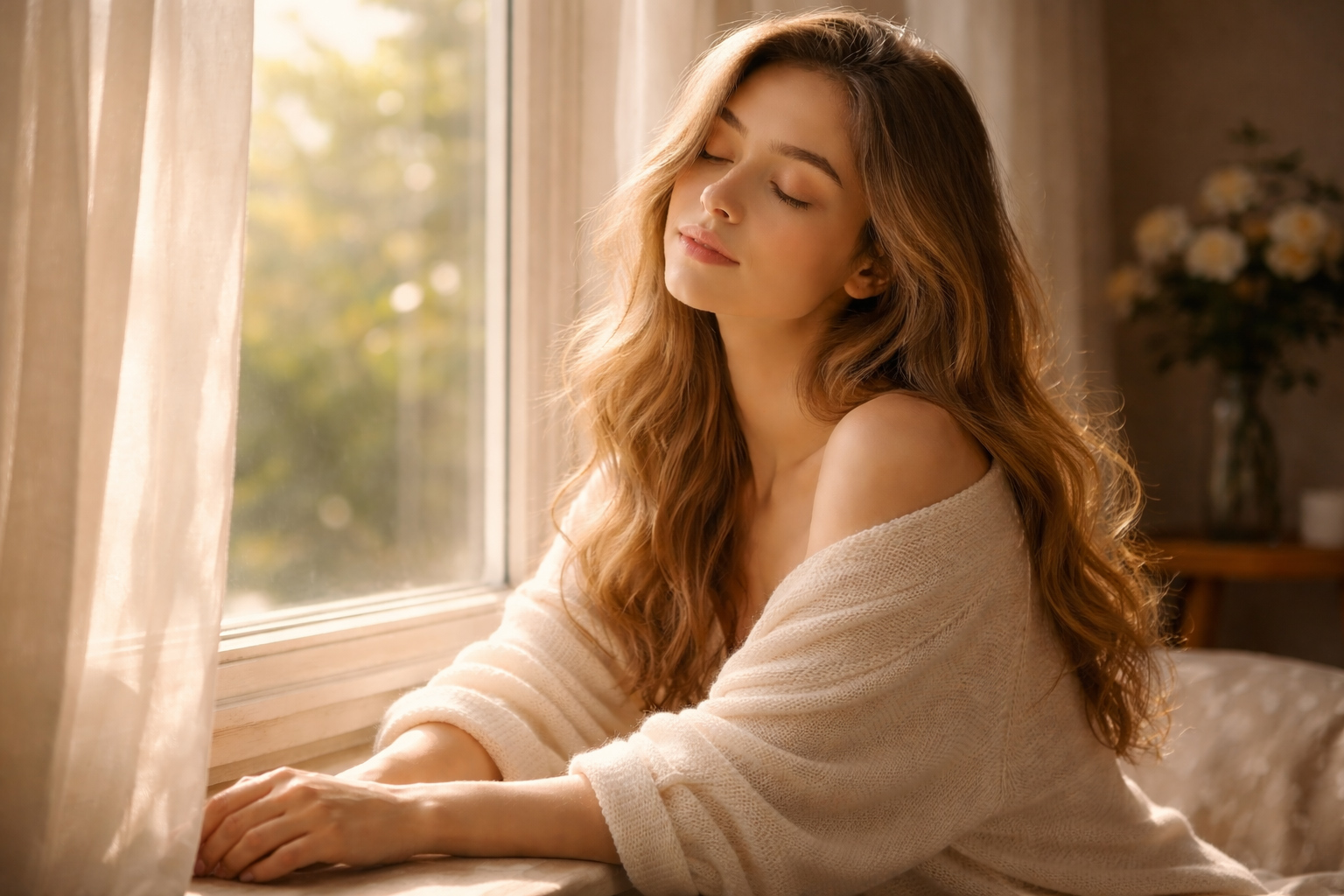
Assignment 1: Window Light Portrait (Indoor)
Goal
Learn how light direction affects the face.
What to Do
- Find a room with one window
- Turn off all indoor lights
- Take 3 portraits of the same person:
- Facing the window
- Side-facing the window
- Back to the window
Tips
- Keep the subject close to the window
- Use a white wall or paper to reflect light
- Focus on the eyes
- Observe how shadows change on the face
What You Learn:
Light direction, shadow control, facial depth
Assignment 2: Golden Hour Portrait Story
Goal
Understand soft light and warm tones.
What to Do
- Shoot during golden hour
- Capture 5 portraits showing different moods:
- Smile
- Serious
- Walking
- Sitting
- Looking away
Tips
- Avoid flash
- Slightly underexpose to keep sky color
- Shoot continuously—light changes fast
- Use backlight for dreamy effect
What You Learn:
Timing, color control, emotional portraits
Assignment 3: Open Shade Mastery
Goal
Learn to shoot in harsh daylight without harsh light.
What to Do
- Shoot between 11 AM – 2 PM
- Find open shade (tree, building, wall)
- Take portraits:
- Facing open sky
- Side-lit
- Near shade edge
Tips
- Avoid deep shade
- Watch background brightness
- Use exposure compensation if needed
What You Learn:
Midday portrait control, balanced exposure
Assignment 4: One Location, Three Looks
Goal
Train your eye to see light creatively.
What to Do
- Choose one outdoor location
- Shoot:
- Direct sunlight
- Open shade
- Backlight
Tips
- Change angles, not location
- Compare images afterward
- Notice skin tones and shadows
What You Learn:
Light adaptability, creative thinking
Assignment 5: Natural Posing Practice
Goal
Capture natural expressions.
What to Do
- Ask your subject to:
- Walk slowly
- Look around
- Adjust clothes
- Laugh naturally
Tips
- Don’t over-pose
- Talk while shooting
- Capture in-between moments
What You Learn:
Lifestyle portrait style, storytelling
Assignment 6: Face the Light Challenge
Goal
Understand face lighting.
What to Do
- Take 5 portraits where the subject:
- Faces light directly
- Tilts head slightly
- Turns away slightly
Tips
- Watch eye brightness
- Avoid nose shadows
- Small movements make big changes
What You Learn:
Professional face lighting control
Assignment 7: Background Control Exercise
Goal
Learn background management.
What to Do
- Shoot portraits with:
- Bright background
- Dark background
- Clean background
Tips
- Use wide aperture
- Step closer to subject
- Simplify scene
What You Learn:
Depth of field, visual clarity
Assignment 8: No-Edit Challenge
Goal
Improve exposure skills.
What to Do
- Shoot portraits with no editing
- Focus on correct exposure in-camera
Tips
- Check histogram
- Slight underexposure is safer
- Shoot RAW if possible
What You Learn:
Professional exposure discipline
Assignment 9: One Lens, One Day
Goal
Improve composition and creativity.
What to Do
- Use only one lens (or phone camera)
- Shoot all portraits in natural light
Tips
- Move your feet
- Try different distances
- Think before shooting
What You Learn:
Composition, intentional shooting
Assignment 10: Light Observation Journal
Goal
Train your photographer’s eye.
What to Do
- For one week, observe light daily:
- Morning
- Afternoon
- Evening
Write:
- Where light comes from
- How it falls on faces
- Best time for portraits
Tips
- No camera needed
- Observe reflections and shadows
What You Learn:
Light awareness (professional mindset)
Pro Tip for All Assignments
After each shoot:
- Review images
- Ask: Why does this work?
- Compare good vs bad shots
Photography improves fastest when you analyze your work.


