

What Is Lifestyle Photography?
Lifestyle photography is a style of photography that focuses on capturing people in real-life situations and everyday environments. The goal is to document authentic moments, natural emotions, and genuine interactions rather than creating highly staged or artificial scenes. Instead of focusing only on perfect composition or dramatic setups, lifestyle photography emphasizes storytelling and human connection.

How Lifestyle Photography Works
At its core, lifestyle photography is about showing life as it naturally happens. Photographers often capture subjects in familiar settings such as homes, parks, cafés, or workplaces. These environments help create images that feel relatable and realistic. Rather than directing every movement, photographers encourage people to interact naturally with each other and their surroundings.
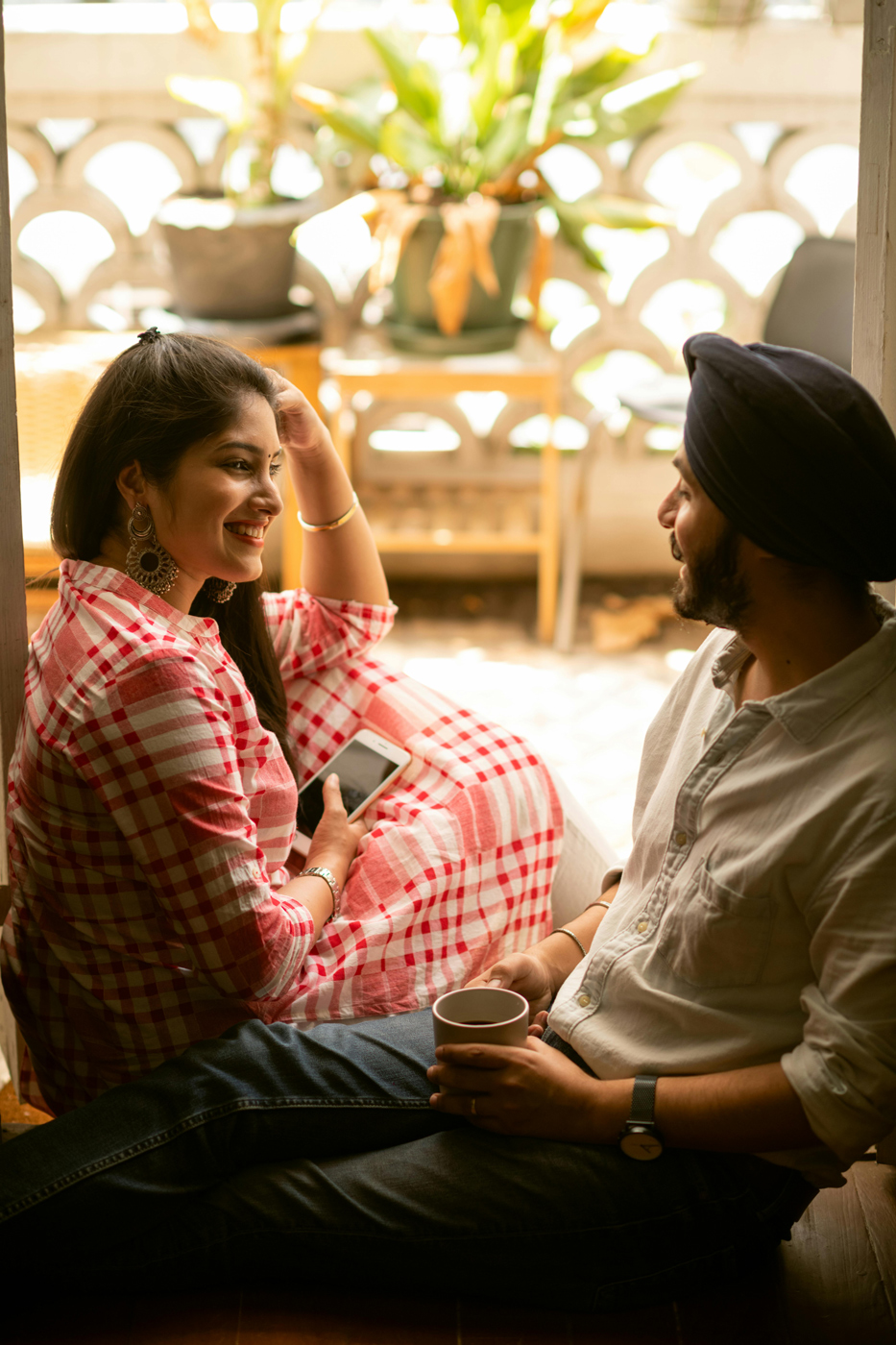
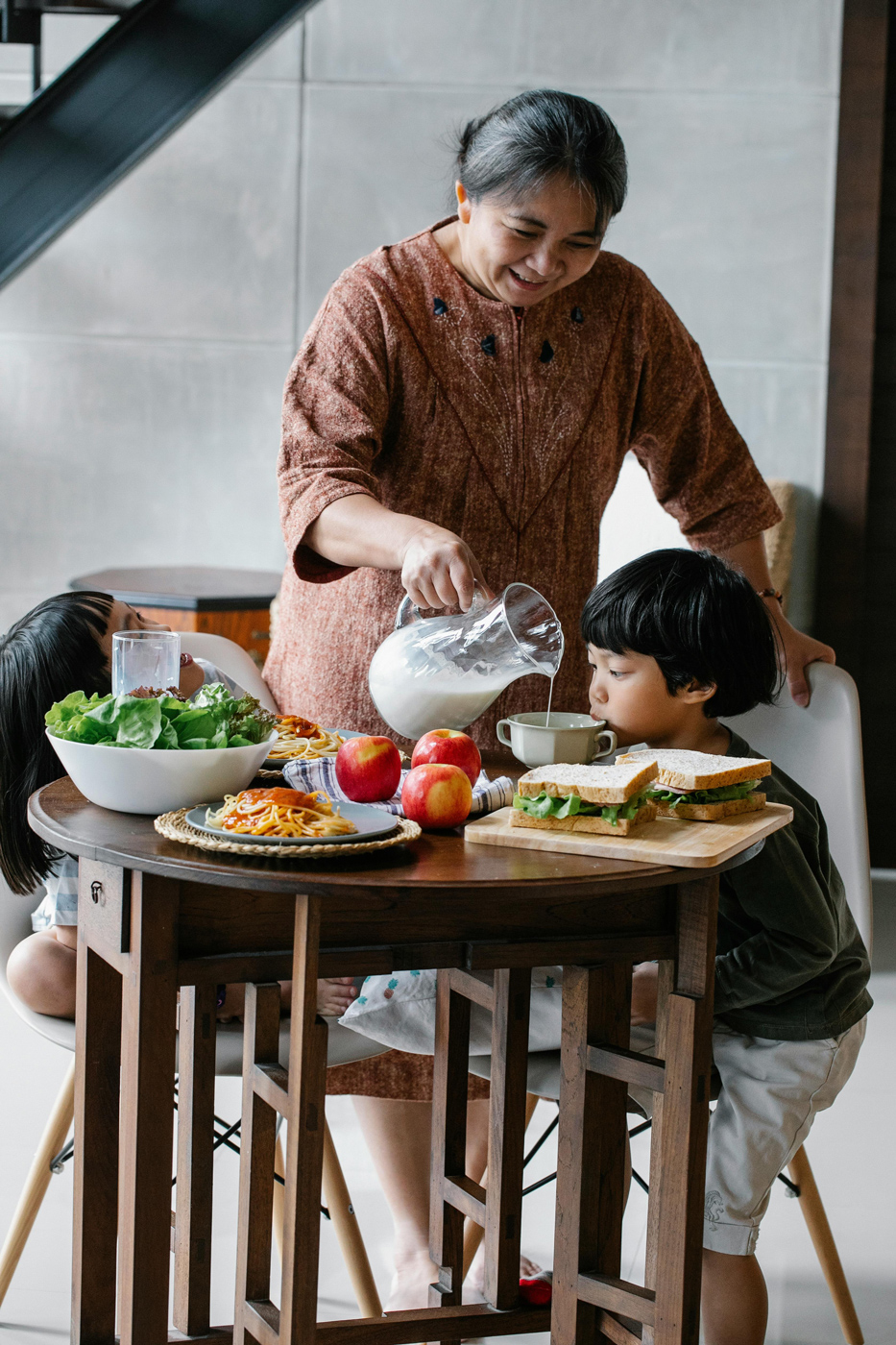
For example, lifestyle photographer might capture a family cooking dinner together in their kitchen, children playing in the backyard, or friends laughing during a casual coffee meeting.
Minimal Posing in Lifestyle Photography
A key characteristic of lifestyle photography is minimal posing. While photographers may guide the scene slightly, the focus remains on spontaneous actions and natural body language. Subjects are encouraged to move, talk, and interact freely, allowing the photographer to capture genuine expressions and meaningful moments.
Lifestyle Photography Tells a Story
Another important element is storytelling. A lifestyle photograph often tells a small story about a moment in someone’s life. For instance, a photo of a couple walking through a park while holding hands can communicate affection and companionship. Similarly, an image of a parent reading a bedtime story to a child can convey warmth, comfort, and family connection.
Because of its authenticity and emotional appeal, lifestyle photography is widely used in family photography, social media content, advertising, and personal storytelling, helping audiences connect with images that reflect real-life experiences.
History of Lifestyle Photography
Lifestyle photography has its roots in early documentary photography, a style that focused on capturing real-life events and everyday human experiences. Documentary photographers aimed to tell stories about society, culture, and daily life through images that reflected reality rather than staged scenes.

Influential photographers such as Henri Cartier-Bresson and Dorothea Lange helped shape this approach by photographing ordinary people in authentic situations. Their work showed that powerful stories could be told through natural, unposed moments.
Lifestyle Photography in 20th Century
During the mid-20th century, this documentary style began influencing family photography and commercial photography. Traditional family portraits were often formal and taken in studios with rigid poses and artificial backgrounds. Over time, photographers started experimenting with more relaxed settings, capturing families interacting naturally at home or outdoors. This shift marked an important step in the evolution of lifestyle photography, as images began to emphasize real emotions, relationships, and everyday activities.
How Lifestyle Photography Works
Lifestyle photography also evolved through advertising and marketing. Brands realized that audiences responded more positively to images that felt authentic and relatable. Instead of using highly staged models in unrealistic settings, advertisers began showing people engaging in normal daily activities—such as families eating together, friends enjoying coffee, or parents playing with children. These types of images helped consumers imagine themselves using the products, making marketing more effective.

The digital photography era significantly accelerated the growth of lifestyle photography. As digital cameras became more accessible in the early 2000s, more photographers began documenting daily life in a spontaneous and creative way. The ability to take multiple photos quickly and review them instantly made it easier to capture natural interactions and candid moments.
Social Media Platform and Lifestyle Photography
The rise of social media platforms such as Instagram and Pinterest further popularized lifestyle photography. People began sharing everyday experiences—family moments, travel adventures, and daily routines—through images that felt genuine and personal. This cultural shift toward authenticity encouraged photographers and brands to adopt lifestyle imagery that reflects real-life storytelling.
Why Lifestyle Photography Is Popular
Lifestyle photography has become one of the most popular styles in modern photography because it captures authentic, relatable, and emotionally meaningful moments. In a time when people are constantly exposed to edited and highly polished images, audiences are increasingly drawn to photographs that feel real and natural.
Authenticity and Real-Life Moments
One of the main reasons for its popularity is authenticity. Lifestyle photography focuses on genuine moments rather than staged scenes. Instead of asking subjects to pose perfectly, photographers capture natural interactions and everyday experiences.
Emotional Storytelling in Photography
Another important factor is emotional connection. Photographs that capture genuine emotions—such as laughter, affection, surprise, or quiet reflection—create a stronger impact on viewers. A candid image of a child laughing while running through a park or a couple sharing a quiet moment during a walk can evoke feelings that staged photos may not always achieve.

Brand Storytelling in Lifestyle Photography
Lifestyle photography is also highly effective for brand storytelling. Many companies now prefer lifestyle images because they help audiences imagine themselves using a product or service. For instance, a coffee brand might show friends chatting and enjoying coffee at a café rather than simply displaying the product alone. This approach creates a more relatable and engaging story.
Relatibility in Lifestyle Photography
Finally, lifestyle photography is popular because of its relatability. Images that show real people in familiar situations—such as family gatherings, travel adventures, or everyday activities—help viewers see reflections of their own lives. This sense of connection makes lifestyle photography both powerful and widely appealing.

The Future of Lifestyle Photography
Lifestyle photography is expected to play an even bigger role in the future as authentic visual culture continues to grow. Audiences today are increasingly drawn to images that feel real, relatable, and emotionally honest. As people become more visually aware, they often prefer photographs that capture genuine moments rather than highly staged or heavily edited images. This shift toward authenticity is shaping how photographers approach storytelling.
Role of Content Creators and Influencers
Social media trends are also influencing the growth of lifestyle photography. Platforms such as Instagram and TikTok encourage users to share everyday experiences through images and short videos. As a result, natural and candid photography styles are becoming more popular because they reflect real life rather than perfect visual presentations.
Another important factor is the rise of personal storytelling. Many photographers, creators, and influencers use lifestyle photography to document daily routines, travel experiences, hobbies, and relationships. These images help audiences connect with the person behind the content, making storytelling more personal and engaging.

Lifestyle Photography in Brand Marketing
Lifestyle photography is also transforming brand marketing. Companies are increasingly using authentic lifestyle imagery instead of traditional product-focused photos. By showing products being used in real-life situations, brands can create more relatable and trustworthy visual stories.
As digital media continues to evolve, lifestyle photography will remain an important tool for authentic storytelling, human connection, and meaningful visual communication.
Final Thoughts
Lifestyle photography celebrates the beauty of everyday life by capturing real moments, emotions, and interactions in natural settings. Instead of relying on carefully staged scenes, it focuses on authenticity and storytelling, allowing viewers to connect with the images on a personal level. By documenting ordinary activities and genuine expressions, lifestyle photography preserves meaningful memories and reflects the true essence of people’s lives.
Lifestyle photography is a style of photography that captures people in natural environments during real-life situations. Instead of staged poses, it focuses on genuine emotions, everyday activities, and authentic interactions to tell a visual story.
Portrait photography often focuses on posed images where the subject looks directly at the camera, while lifestyle photography captures people naturally interacting with their surroundings. Lifestyle images usually feel more candid and storytelling-oriented.
Examples include families cooking together at home, children playing in the park, friends enjoying coffee at a café, couples walking through a city, or parents reading bedtime stories to their children.
A DSLR or mirrorless camera with a versatile lens such as a 35mm or 50mm lens works well for lifestyle photography. These lenses help capture natural scenes while maintaining a realistic perspective and soft background blur.
Lifestyle photography is mostly candid but may include minimal guidance from the photographer. Instead of rigid posing, subjects are encouraged to interact naturally while the photographer captures spontaneous moments.
Beginners can start by photographing everyday activities around them. Focus on natural light, real emotions, and authentic interactions. Practicing with family, friends, or daily routines is a great way to develop storytelling skills.
Lifestyle photography is popular on social media because it feels authentic and relatable. People enjoy images that reflect real experiences such as travel, daily routines, and personal moments.
Lifestyle photography is widely used in family photography, advertising, brand marketing, social media content, and editorial storytelling because it creates emotional connections with viewers.
Important skills include storytelling, observation, understanding natural light, building rapport with subjects, and capturing spontaneous moments that reflect real emotions.
Yes. Many brands use lifestyle photography to show products in real-life situations. This helps customers imagine themselves using the product, making marketing visuals more relatable and engaging.


Need to know how to capture the moments. nice article.
It is really a good documentation. Could you please publish posts based on techniques, how tos, dos and donts etc.? Thank you in advance.