

What Is Inclusive Photography?
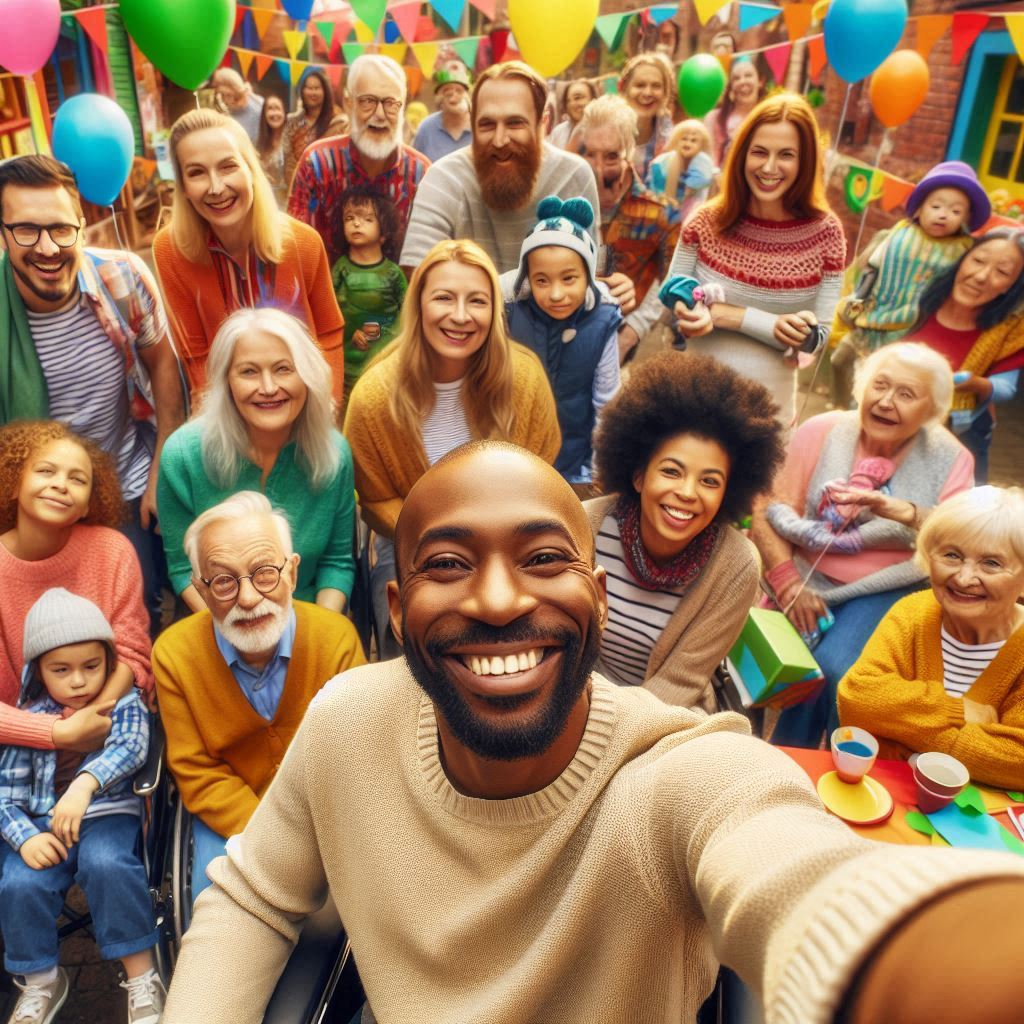
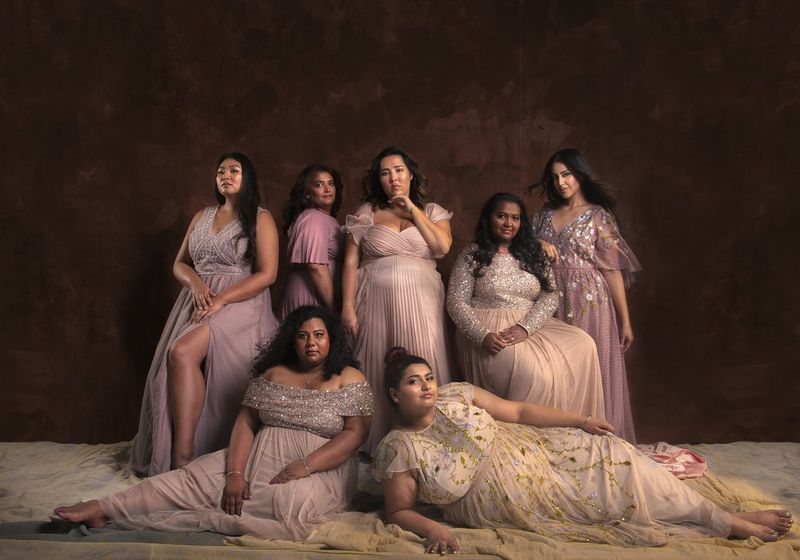
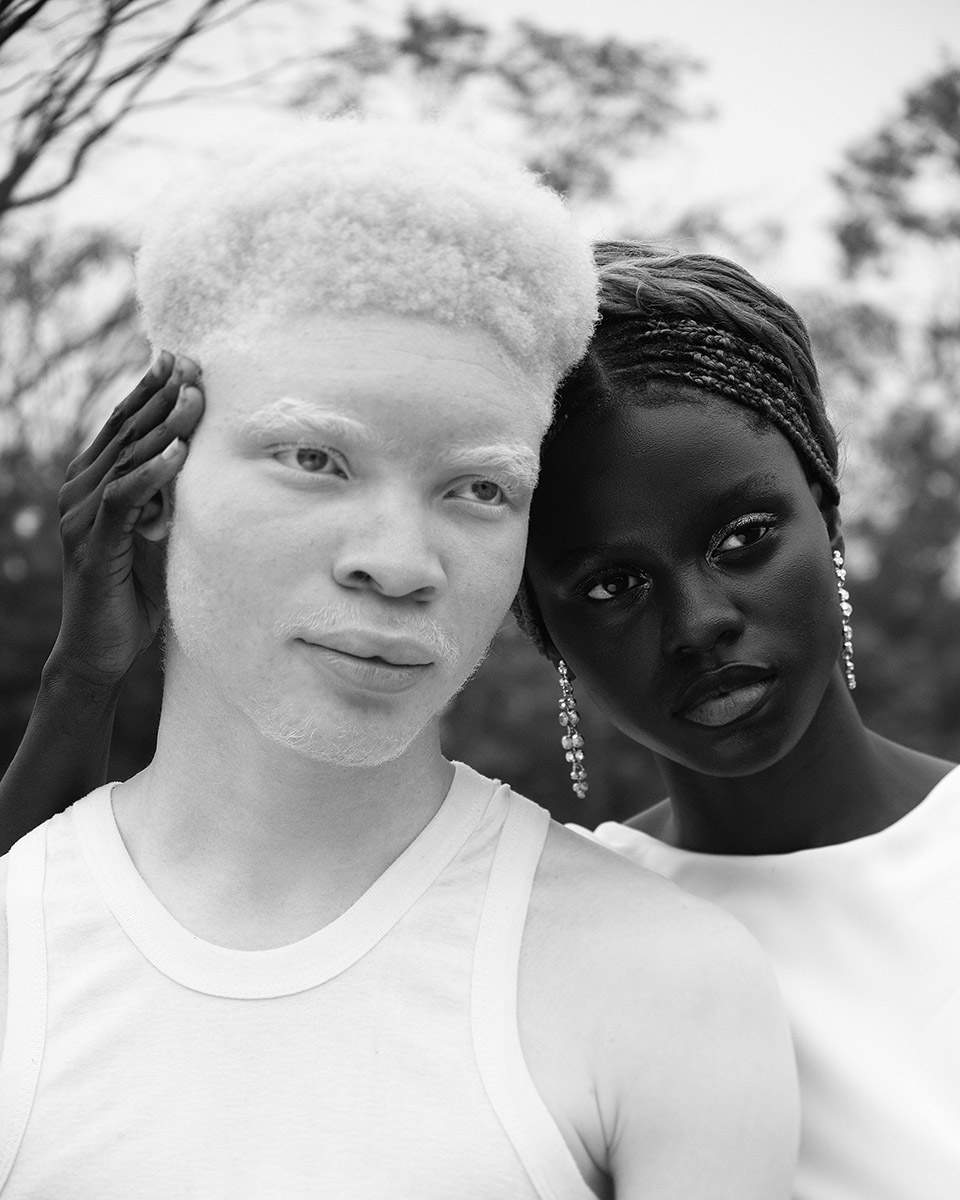
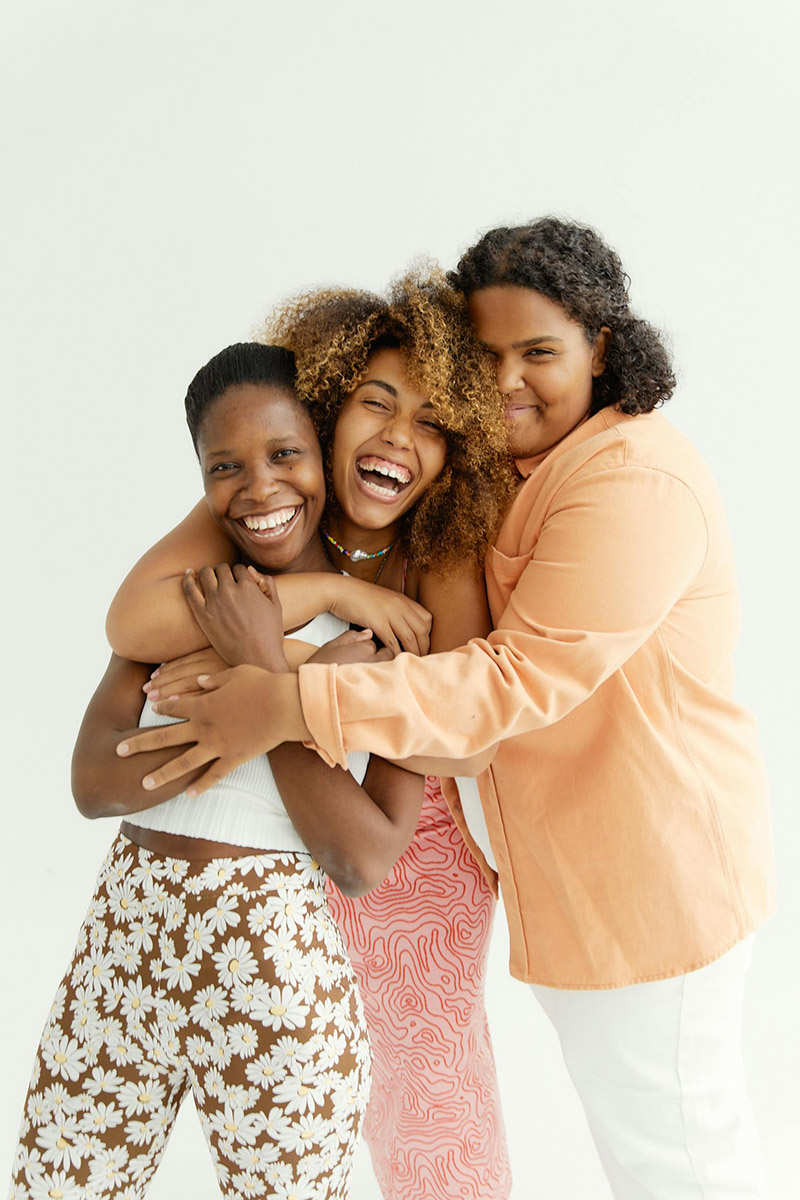
Inclusive photography means creating images that fairly represent people from all backgrounds. This includes different races, ages, genders, body types, disabilities, cultures, and identities. It shows the real world as it is—diverse and beautiful.
Inclusive photography focuses on representation, respect, and realness in visual storytelling.
A Brief History of Inclusive Photography
In the past, photography often focused on narrow beauty standards and lifestyles. Most commercial images were centered on white, thin, able-bodied, and heterosexual people. As social awareness grew, many photographers and brands started to change.
Key moments:
- 1960s–1980s: Activist photographers began documenting civil rights and cultural pride.
- 2000s: Social media gave a voice to underrepresented people.
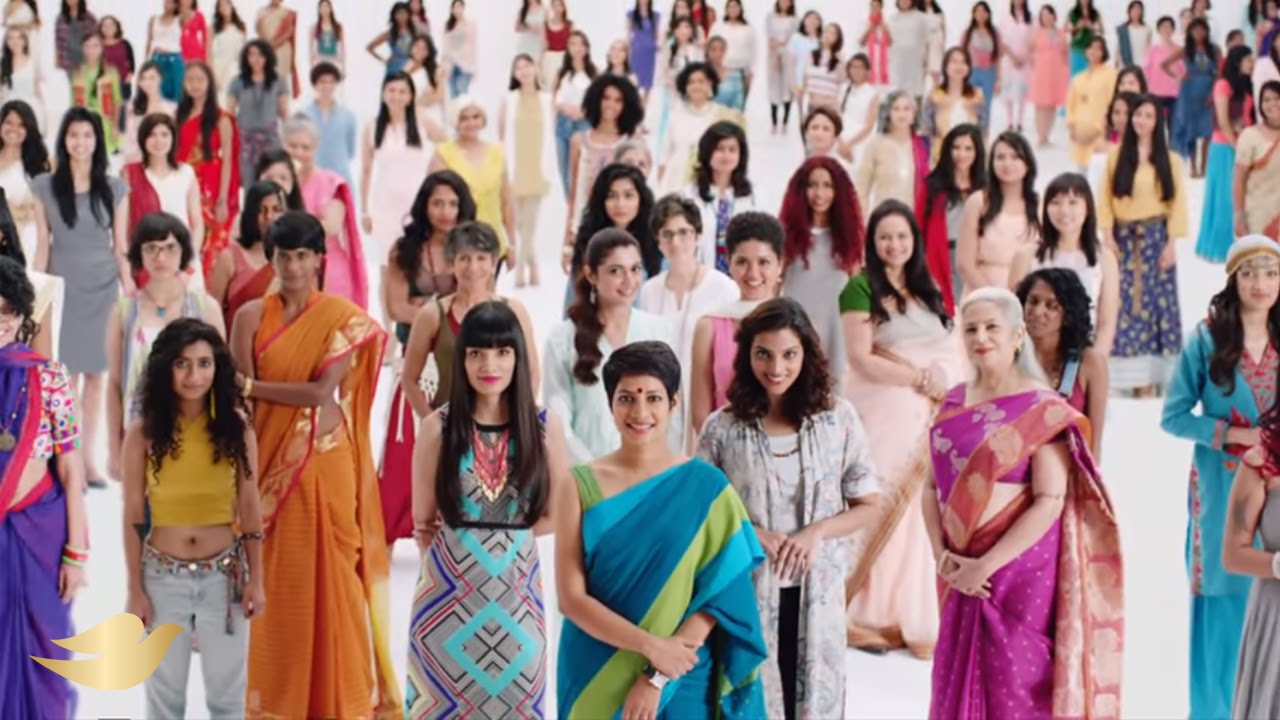
- 2010s–Present: Brands like Dove, Aerie, and Getty Images began using inclusive photos in ads and stock photography.
Features of Inclusive Photography
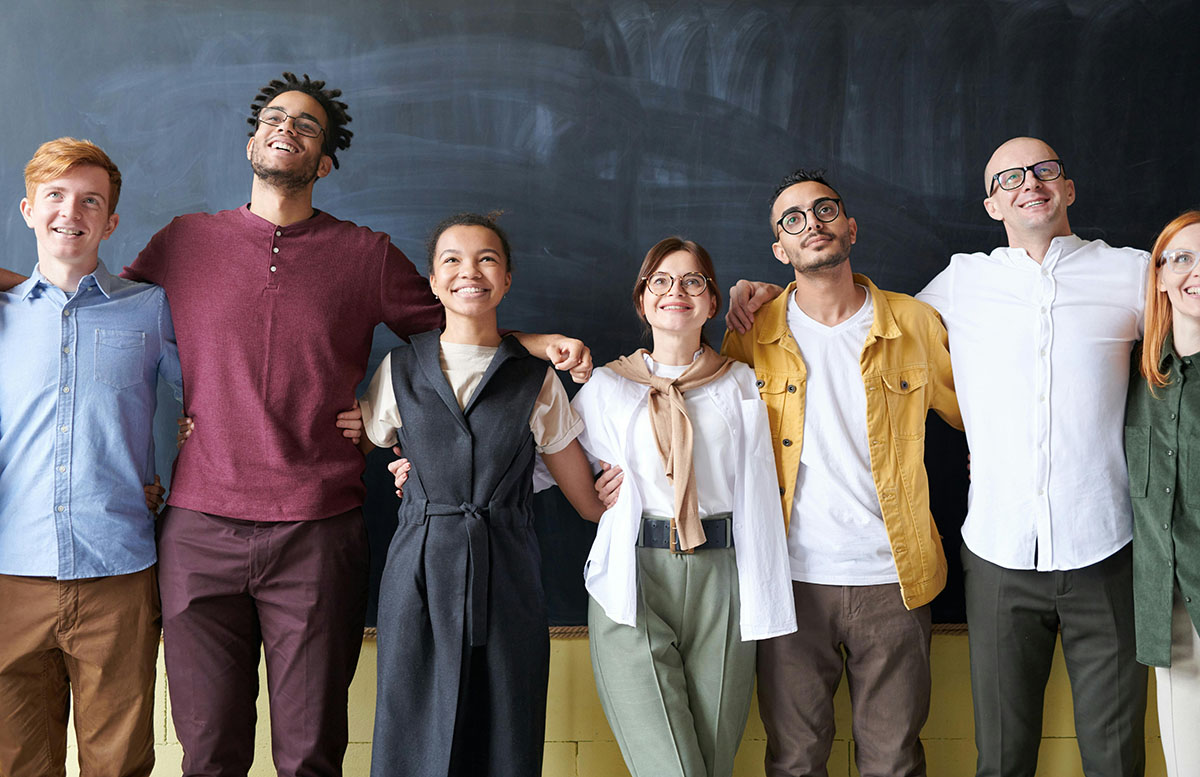
- Diverse Subjects: People of all ages, skin tones, sizes, genders, and abilities.
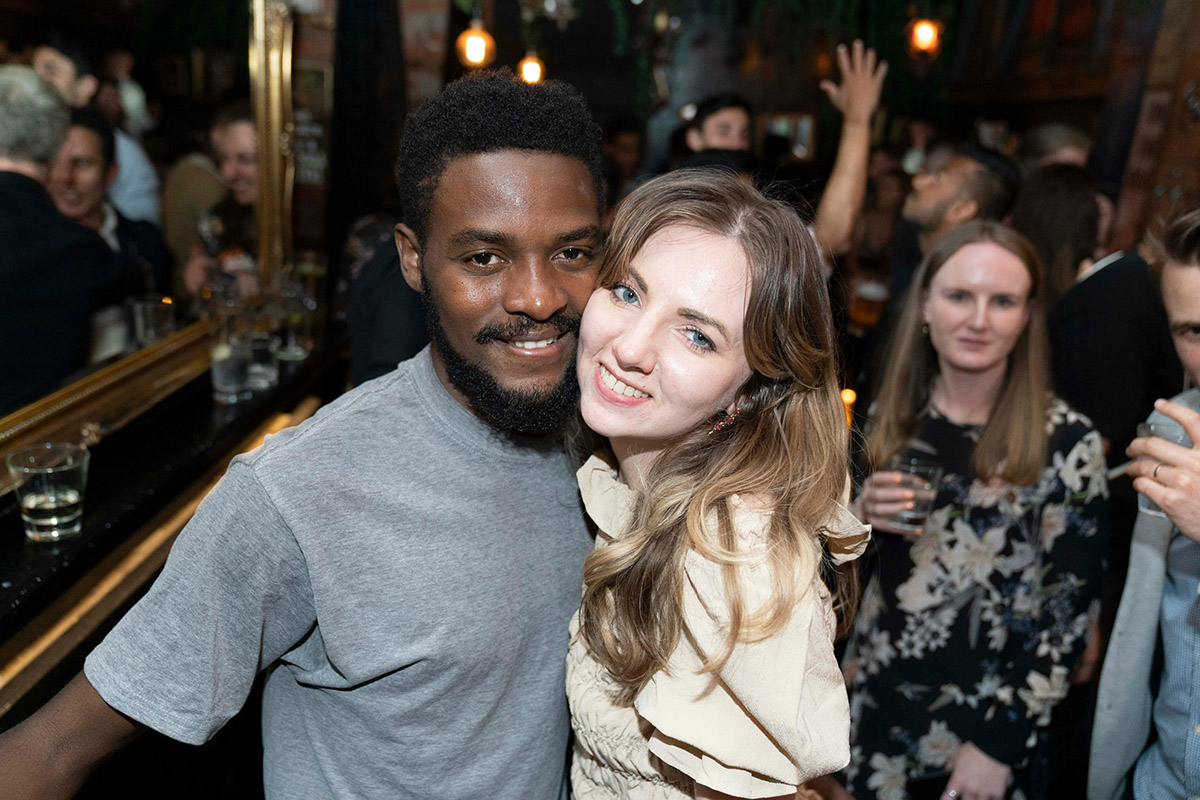
- Authentic Settings: Real places and natural expressions instead of posed perfection.
- Respectful Representation: Subjects are shown as they are, not stereotypes.
- Inclusive Styling: Fashion, makeup, and props reflect many cultures and identities.
- Story-Driven: The focus is on meaningful stories, not just visuals.
Functionalities of Inclusive Photography
- Social Impact: Helps challenge bias and promote equality.
- Commercial Use: Brands use inclusive images to connect with wider audiences.
- Personal Expression: Tells real stories from diverse communities.
- Education: Used in schools, books, and media to reflect the real world.
- Campaigns & Causes: Supports activism, mental health awareness, disability rights, and more.
Step-by-Step Development in Inclusive Photography
1. Research and Understand Your Subjects
- Learn about the community or person you’re photographing.
- Ask questions and listen to their stories.
2. Choose the Right Props and Clothing
- Use items that reflect culture, personality, or everyday life (e.g. traditional outfits, mobility aids, pride flags).
3. Pick Inclusive Locations
- Choose places where your subjects feel safe, comfortable, and themselves—homes, community centers, or natural spots.
4. Use Appropriate Gear
- A camera with good resolution and natural lighting settings.
- Lenses: 50mm or 85mm prime lenses are great for portraits.
- Avoid overly edited looks—real skin tones and textures matter.
5. Compose with Respect
- Ask permission before taking photos.
- Let people pose in ways that make them feel confident.
- Shoot from eye level for equal power.
6. Edit Lightly
- Keep skin tones natural.
- Avoid slimming, skin smoothing, or unrealistic changes.
Advantages of Inclusive Photography
- Builds Trust: Shows respect and care for all people.
- Inspires Change: Breaks stereotypes and spreads awareness.
- Wider Audience Reach: Connects with more people and cultures.
- Increases Opportunities: More work in campaigns, education, and publishing.
- Empowers People: Gives voice and visibility to underrepresented groups.
Disadvantages of Inclusive Photography
- Risk of Tokenism: Including diversity just for show can be harmful.
- Cultural Sensitivity: Must do research to avoid misrepresentation.
- Time-Intensive: Requires more planning and conversation.
- Challenging to Get Right: Not every viewer will interpret the message correctly.
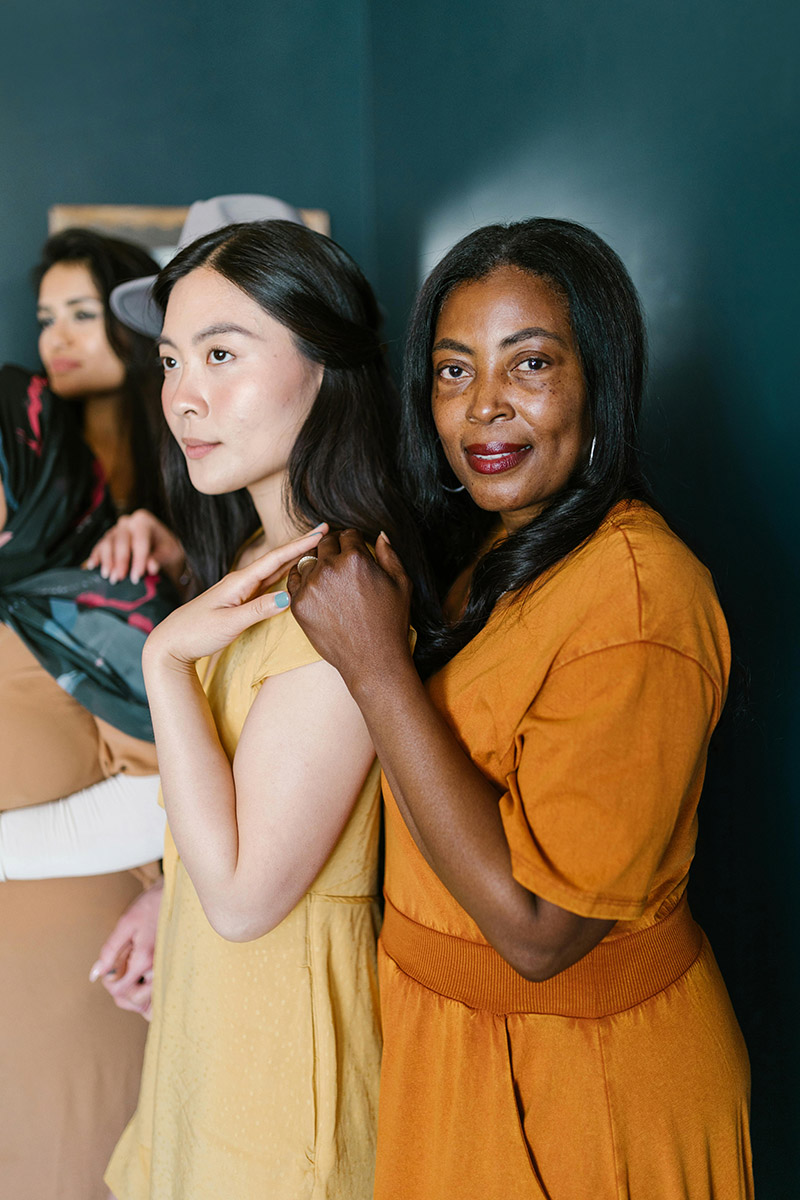
How to Become an Expert in Inclusive Photography
- Educate Yourself: Read books, follow diverse creators, and learn cultural history.
- Listen First: Let your subjects lead the story.
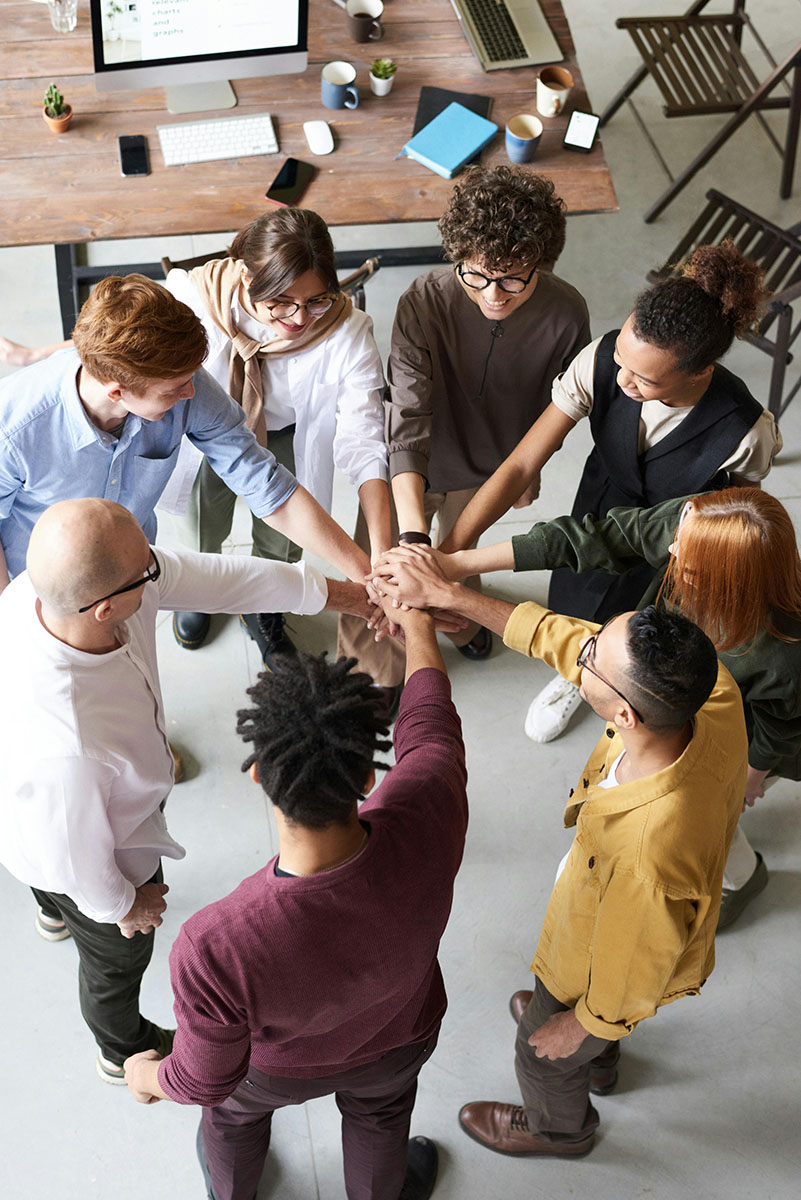
- Join Diverse Communities: Work with people from many backgrounds.
- Practice Regularly: Shoot real moments, not just staged scenes.
- Seek Feedback: Ask people from different groups how your work feels to them.
- Build an Inclusive Portfolio: Show a range of ages, races, abilities, and styles.
- Stay Humble and Open: Be ready to learn, grow, and fix mistakes.
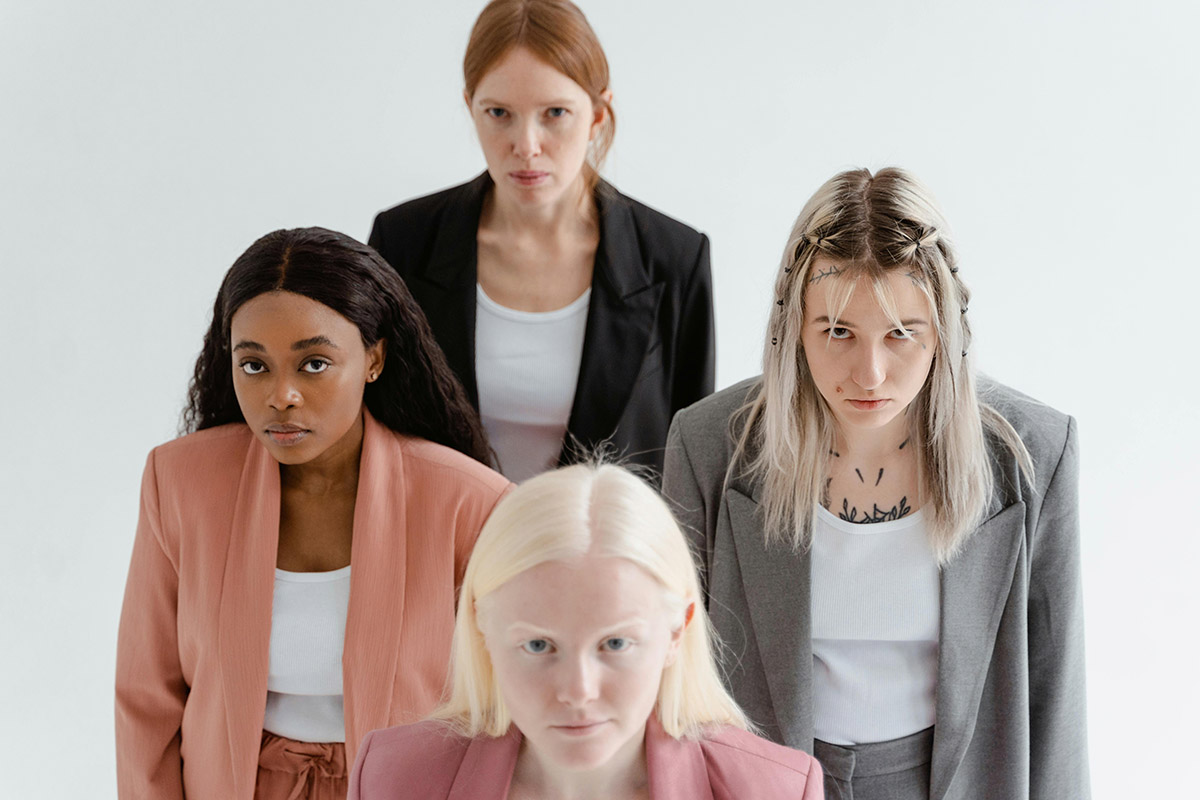
The Future of Inclusive Photography
It is shaping the future of media, marketing, and art. With AI tools and better global access to photography, we can expect:
- More diverse stock photos.
- More creators from underrepresented groups.
- Tools that avoid bias in editing and camera settings.
- Inclusive photography becoming the norm, not the exception.
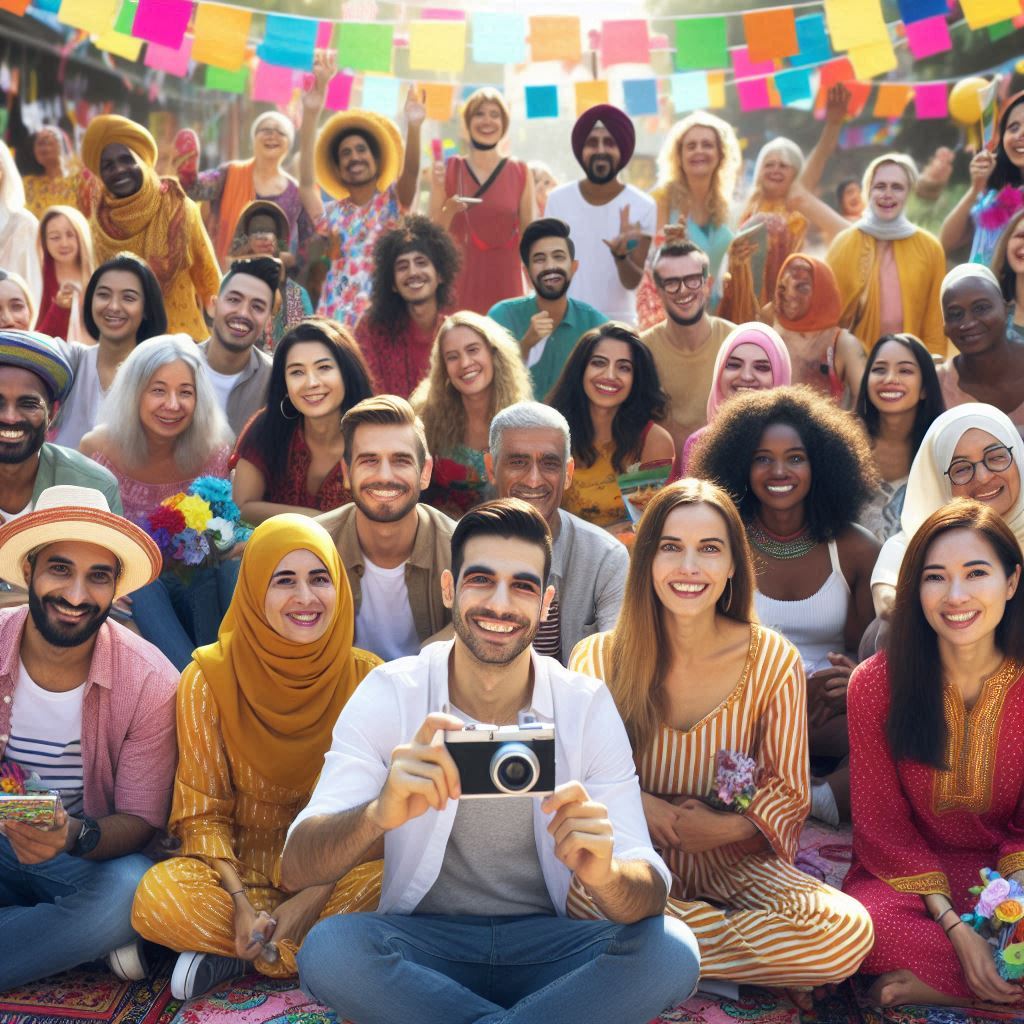
Photographers have a powerful role in how the world sees itself—and inclusive photography is leading the way toward fairness, empathy, and truth.


