

Dramatic framework is one of the remarkable aspects of the Natya Shastra, carefully defining characters and the structure of plays to create engaging stories that captivate audiences both emotionally and intellectually. This ancient text goes beyond dance and music; it lays out a detailed blueprint for drama itself, ensuring every performance balances tension, emotion, and resolution perfectly.
Let’s explore how Natya Shastra describes different character types and the classic plot structure that forms the backbone of Indian drama.
Characters — The Heart of the Story
At the center of every story are its characters — the people (or beings) who drive the action and evoke emotions. Natya Shastra categorizes characters into clear archetypes, each with specific traits and roles in the narrative:
1. Nayaka (Hero)
- The Nayaka is the male protagonist, often brave, noble, and virtuous.
- He faces challenges, pursues love or justice, and grows through the story.
- For example, in many stories, the Nayaka is a king or warrior like Rama from the Ramayana, embodying ideal qualities.
2. Nayika (Heroine)
- The Nayika is the female lead, often depicted with emotions ranging from love and longing to courage and sorrow.
- Her relationship with the Nayaka, including feelings of union or separation, is central to the drama.
- Think of Sita from the Ramayana, who is both devoted and resilient.
3. Vidushaka (Clown/Comic Relief)
- The Vidushaka brings humor and lightness to the story, often through witty remarks, jokes, and clever dialogue.
- This character balances the serious emotions by providing comic relief.
- In classical dance-dramas, the Vidushaka might interact with the hero or heroine, easing tension with laughter.
4. Rudra (Villain)
- The antagonist who creates conflict and obstacles for the hero and heroine.
- Rudra characters might be evil kings, demons, or jealous rivals.
- Their actions push the story forward, setting up the drama’s tension and stakes.
5. Supporting Roles
- These include courtiers, sages, friends, demons, gods, and other figures who enrich the story world.
- Each has a role to play in either helping or hindering the main characters.
Plot Structure — The Five-Part Framework (Prakriya)
Natya Shastra doesn’t just list characters; it also outlines a clear structure for plays to keep the story engaging and balanced. This structure is known as Prakriya, consisting of five key parts:

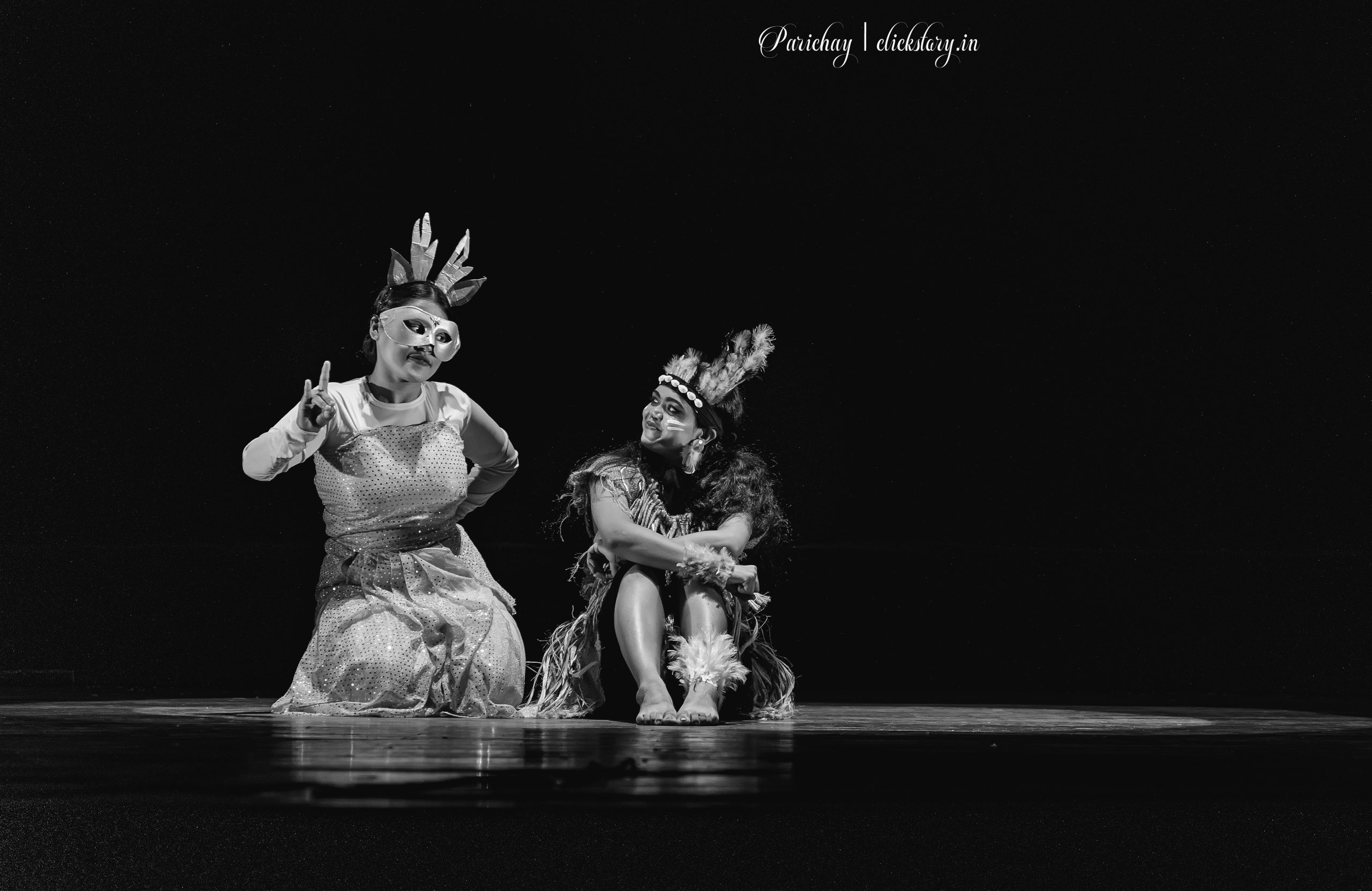

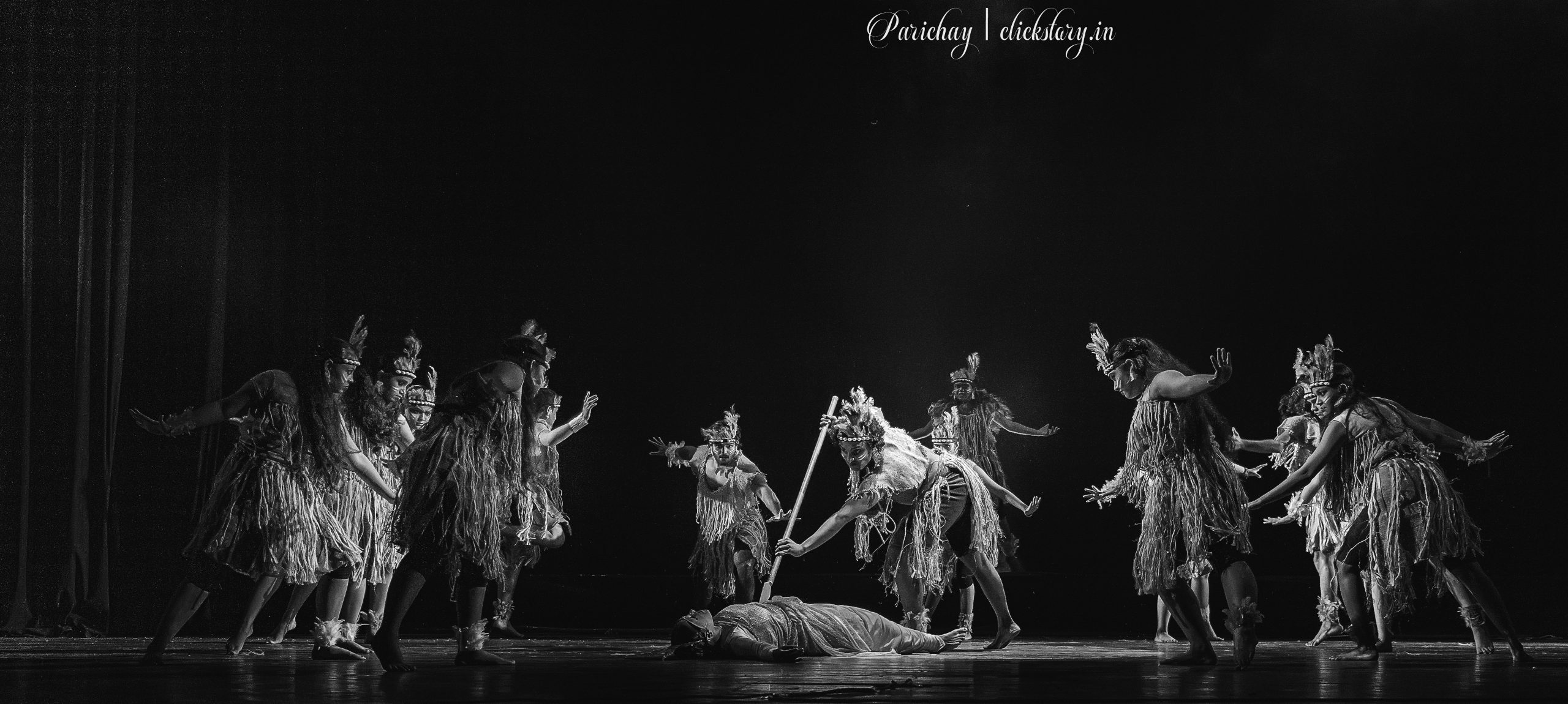

1. Pratichhchhanda (Introduction)
- The play begins by setting the scene, introducing the characters, and establishing the situation.
- Example: the opening might show the hero’s kingdom or the heroine’s feelings of love.
2. Upakrama (Opening)
- The plot starts to move forward as initial events unfold.
- Characters express their desires or face small challenges that hint at the upcoming conflict.
3. Pravritti (Development)
- The story deepens, with characters facing obstacles, misunderstandings, or emotional struggles.
- This is where tension builds and the drama becomes intense.
- For instance, the hero might learn of a villain’s plot, or the heroine might face separation.
4. Anugama (Climax)
- The turning point of the play where conflicts reach their peak.
- The hero confronts the villain, emotions boil over, and crucial decisions are made.
- This moment is designed to evoke the strongest rasa (emotional flavor) in the audience.
5. Nirvahana (Conclusion)
- The story resolves, conflicts are settled, and harmony is restored.
- The hero and heroine are united, justice is served, or peace returns to the kingdom.
Why This Framework Matters
This five-part structure ensures the play flows smoothly, balancing moments of excitement, sorrow, humor, and relief. It helps performers and playwrights create a powerful emotional journey for the audience — from curiosity and tension to catharsis and joy.
For example, the ancient Sanskrit play Abhijnanasakuntalam by Kalidasa follows this pattern beautifully. It introduces King Dushyanta and Shakuntala (Pratichhchhanda), shows their meeting and love (Upakrama), presents misunderstandings and separation (Pravritti), builds up to a dramatic reunion (Anugama), and finally ends with their happy reunion (Nirvahana).
Bringing It All Together
In Natya Shastra, characters and plot structure are tools to create rasa, the emotional essence that connects the audience with the story. The hero’s courage, the heroine’s longing, the villain’s menace, and the clown’s humor—all carefully balanced within the five-part structure—invite viewers to feel, reflect, and enjoy the timeless art of Indian drama.
Acknowledgment:
I would like to acknowledge the works of Bharata Muni and scholars such as Manomohan Ghosh, Kapila Vatsyayan, G.K. Bhat, Leela Venkataraman and Ananda Lal whose translations and interpretations of the Natyasashtra have greatly contributed to the understanding of classical Indian theatre and dance. Their research provided the foundational knowledge for this article.
You might like to read:


