

Today, we have real photography, made with cameras and light, and AI photography, made with artificial intelligence and prompts. Both are powerful. Both are popular. But they are very different.

What Is Real Photography?
Real photography is the traditional way of taking photos using a camera or smartphone.
Example:
A photographer wakes up at 5 AM, goes to a beach, waits for the perfect sunrise, and clicks a photo when the light is just right.
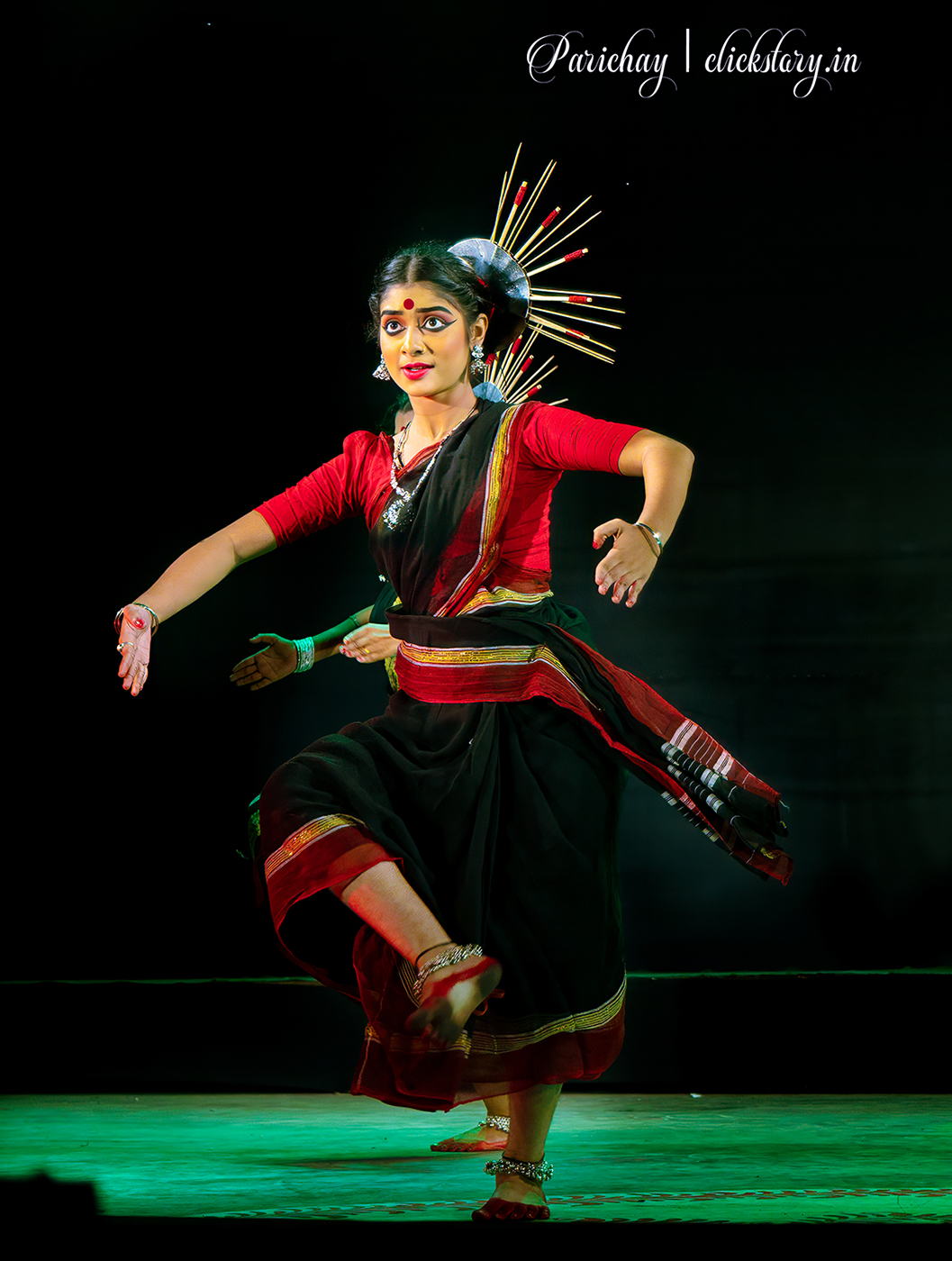
Real photography depends on:
- Light
- Timing
- Skill
- Location
- Real people and places
What Is AI Photography?
AI photography is created using artificial intelligence tools. You type a text prompt, and the AI generates an image.
Example:
You type: “A quiet beach at sunset, warm colors, calm mood”
In seconds, AI creates a beautiful image—even if you never visited a beach.

AI photography depends on:
- Text prompts
- Training data
- Algorithms
- Creativity of words, not cameras
Pros of Real Photography
1. Authentic and Real
Real photos capture actual moments.
Example:
A wedding photo shows real emotions—tears, smiles, laughter—that happened in real life.
2. Emotional Value
Photos taken by humans often feel more personal and meaningful.
3. Trust and Credibility
Real photos are trusted more in:
- Journalism
- News
- Documentary
- Legal evidence
4. Skill-Based Art
Photographers spend years learning:
- Composition
- Lighting
- Camera settings
Cons of Real Photography
1. Expensive
Cameras, lenses, travel, and editing software cost money.
2. Time-Consuming
You may wait hours or days for the right moment.
3. Limited by Reality
You cannot photograph:
- Imaginary places
- Fantasy scenes
- Events that never happened
Pros of AI Photography
1. Fast and Easy
AI can create images in seconds.
Example:
A travel blogger can create images of Paris, Tokyo, and New York without traveling.
2. Low Cost
No camera, no travel, no needed.
3. Unlimited Creativity
AI can create:
- Fantasy worlds
- Perfect sunsets
- Impossible scenes
4. Helpful for Beginners
You don’t need photography skills to start.
Cons of AI Photography
1. Not Real
AI images look real but are not real.
Example:
An AI image of a protest never actually happened.
2. Ethical Concerns
AI can:
- Copy styles of real photographers
- Create fake people
- Spread misinformation
3. Trust Issues
Viewers may not know if an image is real or fake.
4. No Human Experience
AI does not feel emotions, weather, or moments.
Ethics of AI Photography
Ethics is a big topic in AI photography.
1. Copyright and Ownership
Who owns an AI image?
- The user?
- The AI company?
- The artists whose work trained the AI?
2. Fake Images and Misuse
AI can create fake news images.
Example:
A fake image of a politician doing something illegal can spread quickly online.
3. Transparency
Creators should clearly mention when an image is AI-generated.
AI vs Real Photography: Which Is Better?
There is no single winner.


- Real photography is best for truth, emotion, and real-life stories.
- AI photography is best for creativity, speed, and imagination.
They serve different purposes.
The Future of Photography
The future will not be AI vs humans.
It will be AI + humans.
What We Can Expect:
- Photographers using AI for editing
- AI helping plan shoots and locations
- Clear labels for AI-generated images
- New careers: AI visual artists, prompt designers
Real photography will always matter because real moments cannot be replaced.
Final Thoughts
AI photography is a powerful tool, not an enemy.
Real photography is a timeless art, not outdated.
When used responsibly, both can exist together and make visual storytelling stronger than ever.
Frequently Asked Questions (FAQ)
1. What is the difference between AI photography and real photography?
AI photography is created using artificial intelligence algorithms and text prompts, while real photography is captured using cameras, lenses, and natural or artificial light. AI images are digitally generated, whereas real photographs reflect real-world moments and physical environments.
2. Is AI photography better than real photography?
AI photography is not better or worse—it serves a different purpose. AI photography excels in speed, cost efficiency, and creative flexibility, while real photography offers authenticity, emotional depth, and real-world accuracy that AI cannot fully replicate.
3. Can AI replace real photographers?
AI cannot completely replace real photographers. While AI can generate images quickly, human photographers bring creativity, storytelling, technical expertise, and emotional intelligence that AI currently lacks, especially for events, portraits, and documentary photography.
4. Is AI-generated photography considered real art?
Yes, AI-generated photography can be considered a form of digital art. However, it differs from traditional photography because it is created through algorithms and prompts rather than direct human interaction with light, subjects, and environments.
5. Which is better for commercial use: AI images or real photos?
Both have advantages. AI images are ideal for marketing visuals, concept art, and stock imagery due to low cost and fast turnaround. Real photography is better for branding, product authenticity, personal portraits, and situations where trust and realism matter.
6. Are AI-generated images copyright-free?
Copyright laws for AI images vary by country. In many cases, AI-generated images may not have full copyright protection unless significant human creativity is involved. Always check the licensing terms of the AI platform you use.
7. How does AI photography work?
AI photography works using machine learning models trained on large datasets of images. Users provide text prompts, and the AI generates images by predicting visual patterns, styles, lighting, and composition based on learned data.
8. Why is real photography still important today?
Real photography captures genuine moments, emotions, and real people. It builds trust, authenticity, and emotional connection—especially important for journalism, weddings, events, branding, and personal storytelling.
9. Is AI photography ethical?
AI photography raises ethical concerns such as originality, data usage, deepfakes, and misrepresentation. Ethical use involves transparency, responsible licensing, and avoiding misleading or harmful content.
10. Will AI photography affect the future of photography?
Yes, AI photography will shape the future by enhancing workflows, inspiring creativity, and automating repetitive tasks. However, it is more likely to complement real photography rather than replace it entirely.
11. How can businesses choose between AI and real photography?
Businesses should use AI photography for conceptual visuals, ads, and stock-style images, while relying on real photography for brand identity, team photos, products, and customer trust.


So beautiful !