

Macro photography is often used by photo lovers and photo artists to capture close-up views of small subjects and share their perspectives with friends, relatives, and others. However, the most common and essential tool for macro photography is a macro lens. I prefer Tokina 100mm f/2.8 D is the best choice for macro photography.
Suppose you visit a place and forget to take you macro lens or budget does not permit to buy a new macro lens; you can follow the trick with your usual zoom kit lens. But it is little bit critical and need practice.
Just take off your lens and hold it in front of the camera body. Yes……….you can get a macro lens.
Macro Photography Without a Macro Lens
Macro photography doesn’t always require an expensive macro lens. With a simple trick—such as reversing a standard lens—you can achieve impressive close-up results using gear you may already own. However, to get sharp and usable images, there are a few important things you must keep in mind when using this technique.
1. Use Manual Mode on Your Camera
When shooting macro images without a macro lens, your camera should be set to manual mode. Automatic settings struggle to handle extreme close-up distances, exposure, and depth of field. Manual mode gives you full control over shutter speed, ISO, and aperture, allowing you to fine-tune your settings based on lighting and subject movement.
2. Choose the Right Focal Length
The best focal length for this trick is typically around 50mm. A 50mm prime lens works exceptionally well, but an 18–55mm kit lens can also be used effectively. Shorter focal lengths provide higher magnification when reversed, making it easier to capture fine details in small subjects like insects, textures, or flowers.
3. Focus by Moving the Camera
Autofocus does not work when using this macro technique, especially with a reversed lens. Instead of adjusting focus using the lens ring, you must physically move the camera closer to or farther from the subject. Small movements make a big difference in macro photography, so patience and steady hands are crucial.
4. Open the Aperture Manually
When the lens is detached or reversed, the camera cannot control the aperture electronically. To solve this, you must open the aperture manually. Many lenses have a small plastic lever or nozzle near the mount that controls aperture blades. Gently pressing it allows you to open the aperture fully. This step is essential for letting in enough light and achieving a brighter viewfinder image.
Benefits and Stability Tips for Macro Photography Without a Macro Lens
One major advantage of macro photography without a macro lens is the ability to achieve extremely sharp and detailed images at a very low cost. For better results, you can purchase a reverse lens mount, which securely holds the lens in place and improves stability compared to hand-holding it.
Using a tripod is highly recommended. At high magnification, even the smallest movement—whether from the subject or the camera—can ruin image sharpness. Pay close attention to vibrations, wind, and subject motion. Remote shutter release or a camera timer can further reduce camera shake and help preserve detail.
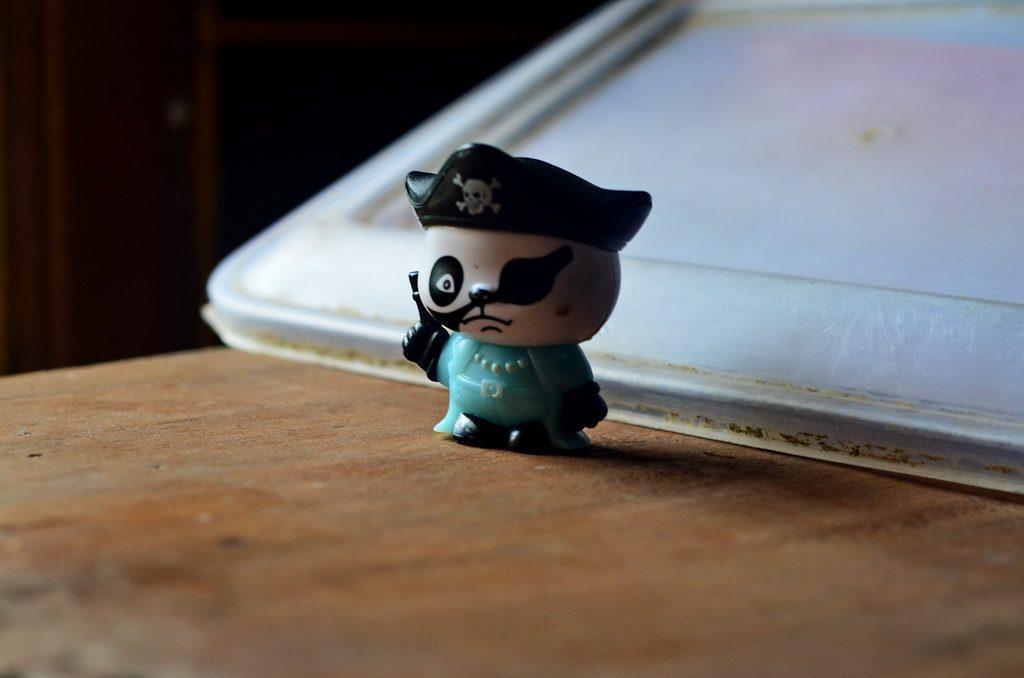
The first one is taken 50mm prime with f/4.5 whereas the second one with reverse lens and fully opened aperture manually.

Happy clicking, happy sharing
Frequently Asked Questions (FAQs)
1. What is macro photography without a macro lens?
Macro photography without a macro lens is a technique that allows photographers to capture close-up images using standard lenses, often by reversing the lens or using extension methods to increase magnification.
2. Can I do macro photography with a kit lens?
Yes, an 18–55mm kit lens can be used for macro photography, especially when reversed. It offers good magnification and is a budget-friendly option for beginners.
3. Why doesn’t autofocus work in macro photography without a macro lens?
Autofocus fails because the camera cannot communicate properly with the lens in this setup. Manual focusing by moving the camera is more accurate at high magnifications.
4. What focal length is best for macro photography without a macro lens?
A 50mm lens is considered ideal due to its balance of magnification, sharpness, and ease of use. However, shorter focal lengths can also work well.
5. Is a tripod necessary for macro photography?
Yes, using a tripod is strongly recommended. Macro photography is extremely sensitive to movement, and a tripod helps maintain sharpness and stability.
6. What is a reverse lens mount?
A reverse lens mount is an inexpensive accessory that allows you to attach a lens backward onto your camera body, increasing magnification and improving image sharpness.
7. How do I control aperture when the lens is reversed?
You can manually open the aperture by pressing the small lever near the lens mount. This allows more light into the camera when electronic control is unavailable.

I would like to add few things –
1. switch off both focus assist and metering. If focus assist is not switched off, camera wont capture image.
2. Aperture,need to be stopped down. Better to use lenses having aperture rings ( these are very cheap as they are from the old generation, you can easily find one from ebay at cheap prices)
3. Use narrow apertures like f/8 etc (as the DOF is very narrow) and add light ( using a table lamp, or buy a normal holder, a 200W incandescent bulb and a pug, should be about 150 INR).
4. Not a healthy practice, use this technique only within the room. Some people blindly advocate for this method as seen in the discussions in story teller posts. But these guys never shot a photo at narrow apertures like landscapes. If you have sensor dust when you shoot above f/11 and upwards, speckles appear on the image which is actually sensor dust. That will spoil the image a lot. So lens reversal shall be done only indoors and that too in very clean environment.
5. There is another use of this technique. Just remove the lens, keep it in front of the camera body and move the front of the lens to get funny distortions and bokeh. ( again – manual mode/ switch off metering and focus assist)
regards
Vijith
It’s a very satisfying writing for all photography learner just like me.
Thank you very much writer for this.
I just want to add here one more point.
If anyone want to click any kind of specific subject (i.e. flowers,fly,insects etc),change the focus point of the camera as single focus point.
It will present you more sharper photo.
Try it and Enjoy.. :D
eta asadharan concept sir.ata experiment korboi.