

Panning is a powerful technique in still photography that helps you infuse a sense of speed and motion into your images. It is mainly used to capture moving subjects in a dynamic way. Using panning, you can frame a moving subject in three different ways.
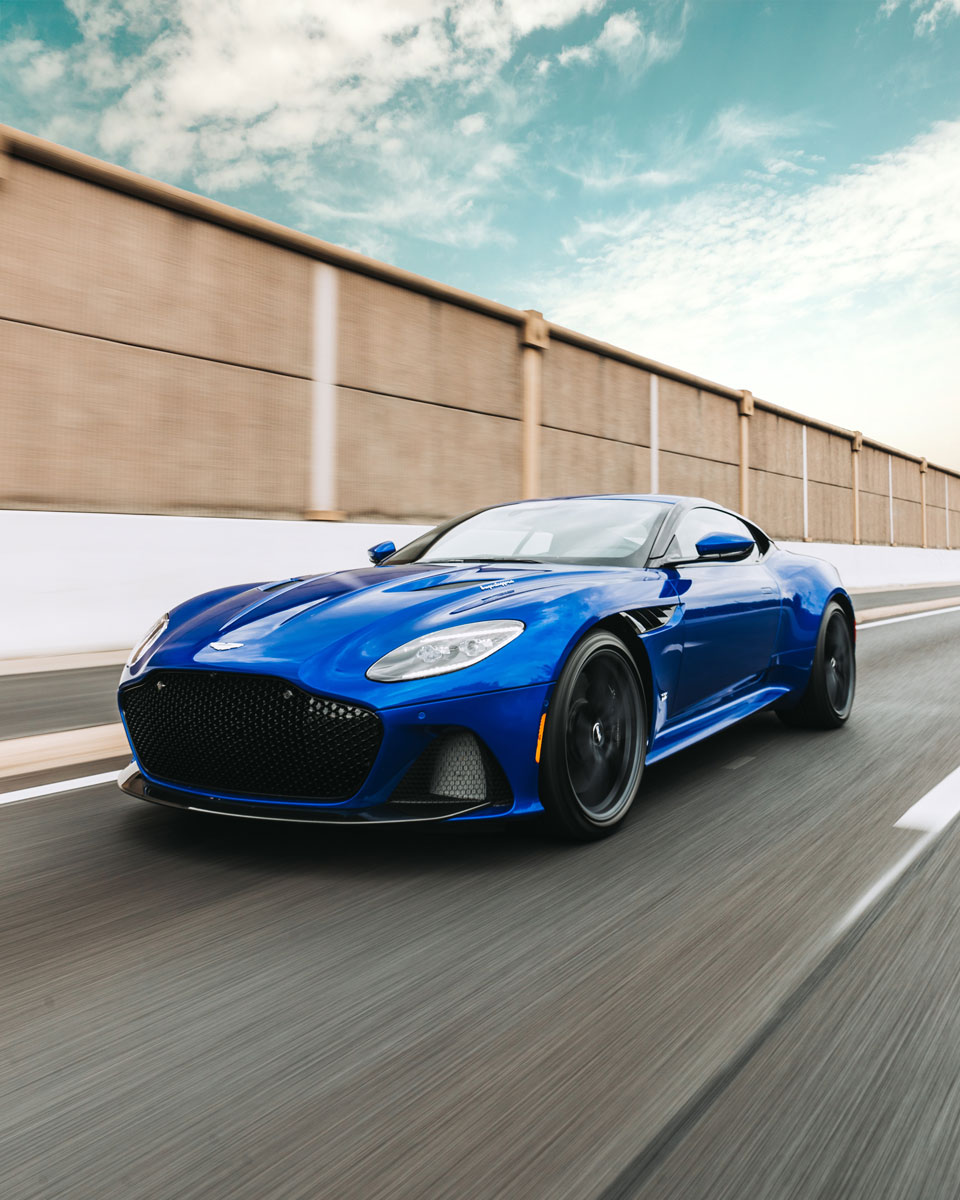
High shutter speed and panning
Subject, foreground and background will be freeze and you will get a razor-sharp image.
Slow shutter speed and panning
Subjects produce a blurry image. Sometimes it looks like 2 to 3 pictures are merged in a same frame or produce a ghost image.
Slower shutter speed with blurry background
Panning technique is required for it. Viewers’ read the picture with a feeling that subject is moving.
Panning in photography to infuse speed in a still picture
The basic idea behind panning as a technique is that to pan or move your camera along with the moving subject in a certain time frame to get a relatively sharp image but a blurred background.
This technique needs skill-set where practice is the key factor to get the right image. Panning gives a feeling of movement and speed in an image.
It is particularly useful for racing car, bicycle race, running car or athletic meet of 100meter, 200-meter run, skiing and so on. I know the next questions arising in your mind is “how is it possible?” So, let’s try to know the basics of technique.
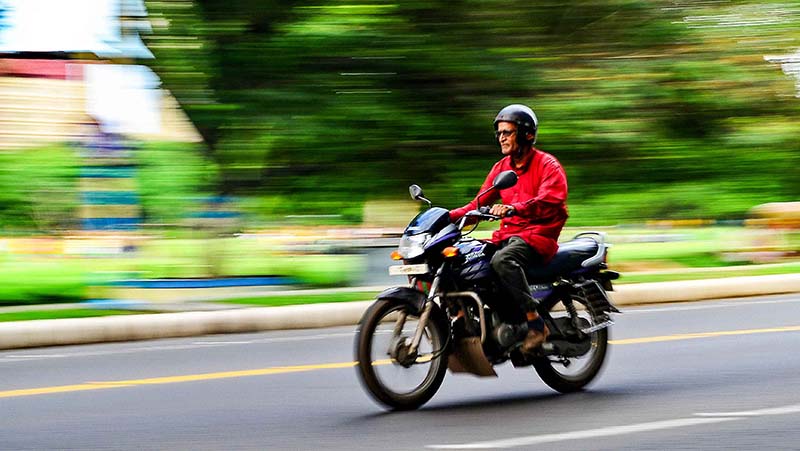
Steps for Panning technique practice
Choose a location where traffic is running one way. Put yourself and camera in a safe distance from the traffic.
- Locate a place where background is symmetrical or monotonous. Distraction should be avoided. Buildings, greenery, sports complex against the spectators’ bench etc. For Kolkata photo artists, choose the location near Victoria Memorial Hall front gate or Academy of fine arts and so on for practicing panning technique. Single colour or plain background do the best job for panning in moving subject.
- You need at least an entry level DSLR camera. Choose shutter priority mode.
- Check the light condition and calculate the right exposure. Exposure = ISO + Shutter speed + Aperture. For example: ISO 100 + 1/125+f/8.
- Lower the shutter speed like 1/60, 1/30 or 1/15 subject to the speed of the vehicle or athlete.
- Small aperture like f/5.6, f/8 are good option depending on light condition.
- A single point focus is a good option for any photography same as for panning technique.
- Choose auto focus mode. Some experts prefer manual mode. You can also choose manual mode but focus the area first where you have framed the subject. A shutter lag for entry level DSLR also require manual mode. shutter lag means after clicking a subject, shutter works lately and what the picture you want may be produce another.
- Choose AF-C for Nikon and AI-Servo for Canon.
- Position yourself in a place where you view the subject will not be obstructed by anyone or anything else.
- Use a longer focal length lens. For example, 55-200mm or 55-250mm telephoto lens.
- You may use monopod or tripod with swiveling head. A little tilt of camera produce more dynamic moving in the picture.
- For handheld shot, attach your arms with your body when moving camera and twist your hips instead of head and arms.]
- Set your camera parallel to the subject.
- Release the shutter (click) when the subject cross at the middle of the frame.
- Using flash (if subject is close to camera or the light hit and send feedback from subject to camera) is a great way of increasing impact on the frame. The idea is to balance the exposure of the ambient light and flash and use a slower shutter speed because the flash will freeze the action to give your shot a focal point.
- Track the subject using viewfinder.
- Focus a small area of the subject like the bicyclist eye or the door handle of the car and so on. It means that the smaller a point your train your focus on, the less movement you will be tolerant to.
- Get – Set – Click: Follow the subject, focus a small area and when it comes at the center of the frame click the shutter button but do not stop hip moving or swivel head of monopod. It seems look like a continuous process which creates the trick of background blur and image tends to focus.
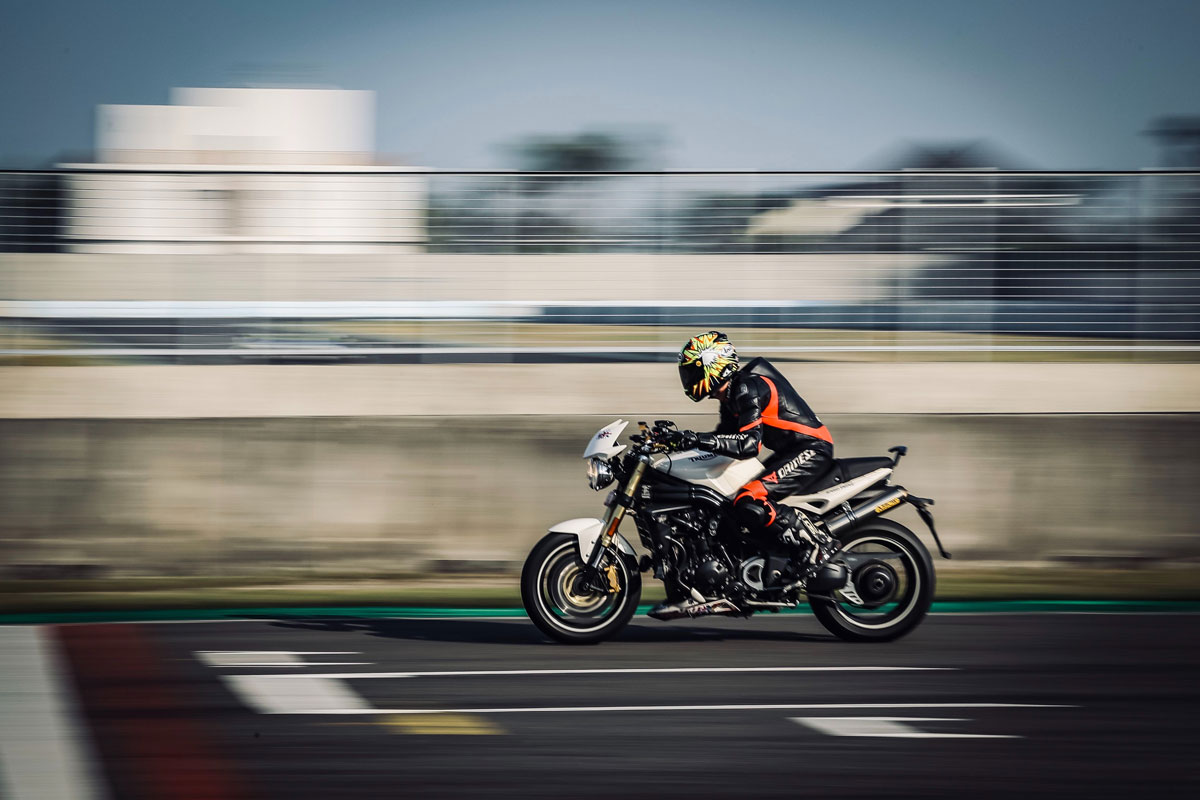
Remember to continue panning well after you have finished shooting, because stopping too early can create a jerky movement, which will spoil the movement photography.
Now it’s your turn for experimenting with shutter speed, aperture, hip or tripod movement. Best of luck in advance. Hope you like this article and read till last.
Happy Clicking, Happy Sharing.
Frequently Asked Questions (FAQs)
1. What is panning in photography?
Panning is a photography technique where you move your camera along with a moving subject during exposure. This helps the subject appear relatively sharp while the background becomes blurred, creating a strong feeling of motion and speed.
2. How does panning create a speed effect in still photography?
Panning creates speed by keeping the moving subject in focus while motion blur forms in the background. This blur visually tells the viewer that the subject is moving fast.
3. What shutter speed is best for panning photography?
The best shutter speed depends on the subject’s speed, but generally:
- 1/60 to 1/125 sec works for moderate speed
- 1/30 sec or slower works for fast-moving subjects
You must test different shutter speeds to get the best result.
4. What happens if I use a high shutter speed while panning?
With a high shutter speed and panning, the subject, foreground, and background may freeze completely, resulting in a razor-sharp image with little or no motion blur.
5. What happens if I use a slow shutter speed while panning?
With slow shutter speed and panning, the subject may become blurry and sometimes produce a ghost effect, where it looks like 2–3 images are merged in the same frame.
6. How can I get a sharp subject with a blurry background?
To get a sharp subject and blurry background:
- Match your camera movement with the subject’s speed
- This gives the viewer a strong sense that the subject is moving.
- Use a slow shutter speed
Follow the subject smoothly using panning
7. Why is panning technique important in motion photography?
Panning is important because it adds life, speed, and action to a photo. It makes a still picture feel dynamic and dramatic, which is difficult to achieve with normal photography.
8. Is panning photography difficult to learn?
Yes, panning requires practice and good timing. Smooth camera movement and correct shutter speed are key. However, once mastered, it becomes one of the most powerful techniques for motion photography.
9. What type of subjects are best for panning photography?
Panning works best for fast-moving subjects such as:
- Moving vehicles on roads
- Racing cars
- Motorcycles
- Bicycle races
- Running athletes (100m, 200m)
- Skiing
- Indian Dance movements (especially Indian classical Dance).
10. Why do my panning photos look blurry?
Panning photos look blurry because:
- The subject is not in the focus area
- Try increasing shutter speed slightly and practice smoother tracking.
- Your shutter speed is too slow
- Your camera movement is not matching the subject speed
11. How can I improve my panning photography skills?
To improve panning:
- Keep your body stable and rotate smoothly
- Practice is the biggest key to success.
- Practice regularly with moving vehicles or cyclists
- Use continuous autofocus (AF-C / AI Servo)
- Use burst mode
12. What is the main goal of panning photography?
The main goal of panning is to capture a moving subject in a way that shows motion and speed, by keeping the subject sharp and creating blur in the background.

Darun sir.Learnt a lot from this article.