
Fascinated by the Photography Industry? Want to shoot like a pro? The very first question that troubles any beginner is, where to begin? So, let’s sail with the beginning of photographic journey.
Logically, Photography can be broken down into two simpler parts, i.e. Art and Craft. Art, as the name suggests implies to the Artistic aspect involved in photography, whereas the Craft refers to the Technical aspect in Photography.
Photography is a journey that every Photographer has to travel, and trust me it never ends. This journey would require your Discipline, Dedication and Determination.
DISCIPLINE in terms of your consistency towards the time you spend to learn all the aspects involved in Photography and understanding your learning curve.
DEDICATION would depend on your passion towards photography. It’s not about short term rewards or gain. Remember, it’s a journey, always have a long-term goal set and keep working on it.
DETERMINATION will test your Will Power. It’s easy to get deviated or give up, when life throws challenging situations at you. It will all depend on how you keep the fuel burning inside you, to pursue the goal you have set for yourself.
Few basic tips that anyone new to Photography can follow to begin their journey. Even those who are already in Photography can refer to check their Progress:
1. What Camera to buy in your photographic journey?
This is a very tempting question for any beginner. Well, the answer lies in your budget. This might sound a little weird, but here is the justification.
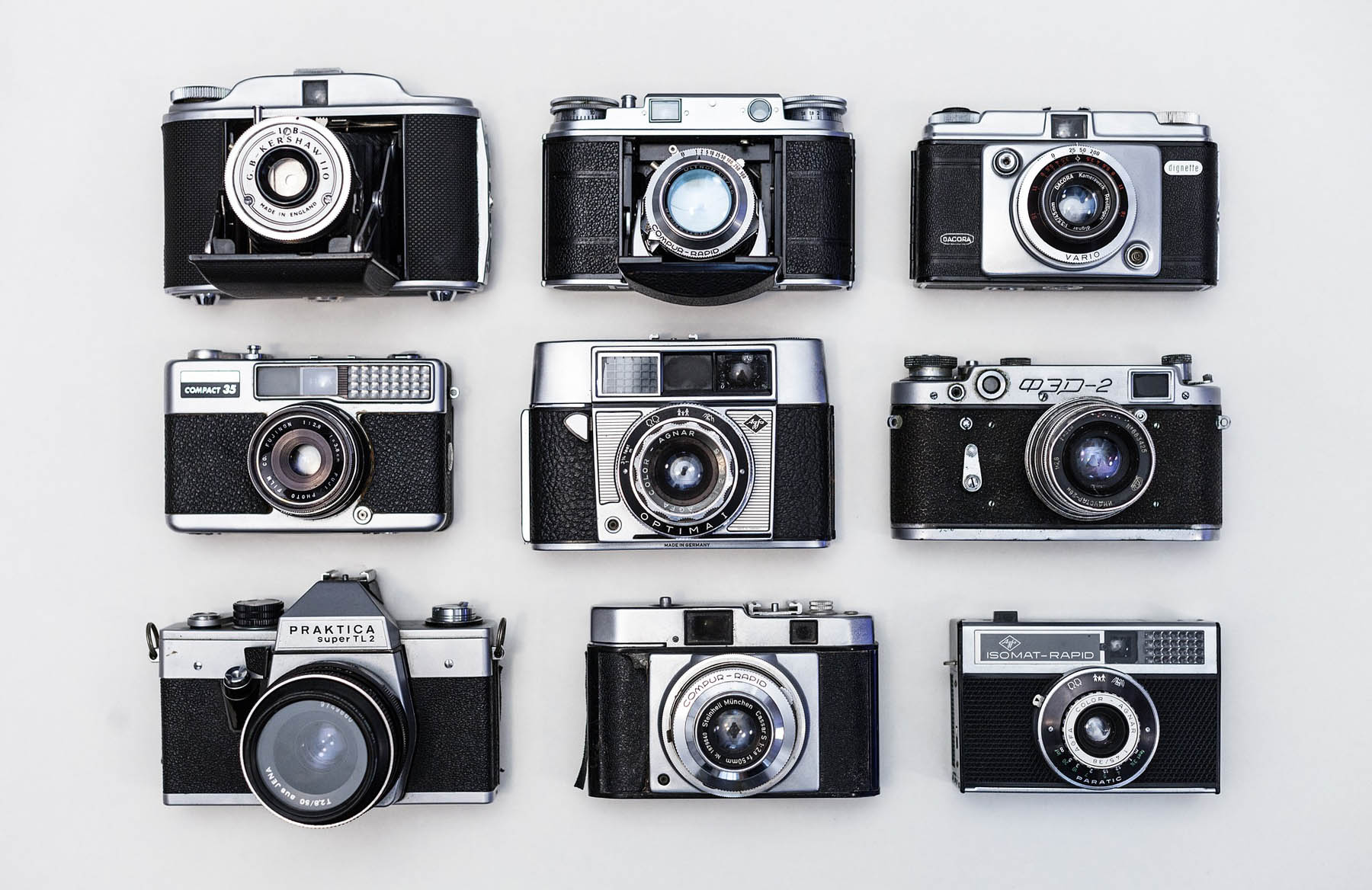
Nobody needs a high-end fancy camera to begin learning Photography. A Point and Shoot camera, which allows to shoot in Manual Mode and has a view finder would be the best place to begin. There are several such gears available in the market, ranging from 15k to 30K.
A DSLR can be a good option, but it may not always be the best choice. As a beginner, you may not want to invest immediately in additional lenses, which can become expensive as you grow more serious about photography. In contrast, the optical quality of many advanced point-and-shoot cameras can easily outperform the standard kit lens that typically comes with an entry-level DSLR.
Mirrorless cameras also deserve consideration. They offer image quality comparable to DSLRs in a more compact and lightweight form, though lens costs can still add up over time.
If your budget allows and you choose a DSLR or mirrorless system, be prepared to explore different lenses gradually as your skills and needs evolve.
2. Know your Camera
Learn all you could about your camera. From the Camera Anatomy to the Different types of Camera used in the Photography industry.
To excel in Photography, it’s very important to understand the science involved in it. A Camera is a sophisticated gear and requires a fair knowledge of the working principle of the Camera to get a grip on the Basics of Photography.
3. Learn the Art involved in Photography
Photographers are not so different from Painters. A Painter gets to choose what they want in their composition, but a Photographer gets to choose what they don’t want in their frame. Though, for a Photographer it’s true only to an extent, as they usually have very little control in the surroundings that they want to photograph, specially outdoors.
Photography is all about a good composition, and composition has a direct link with Art. Master the rules of Composition and always experiment with your own ideas to even break these rules at times to see how the final image looks.
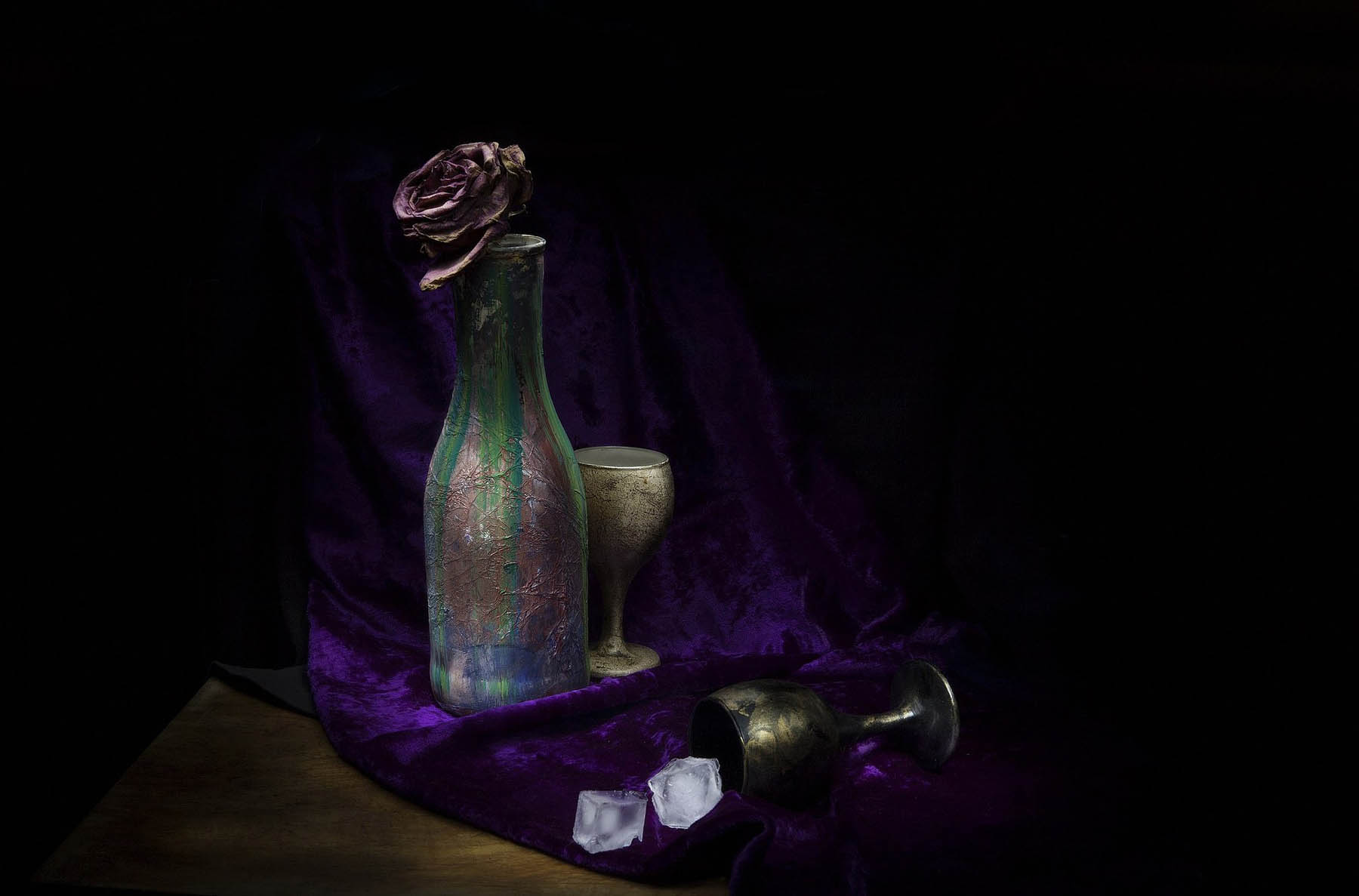
We all can differentiate between a good photo and a bad photo, subconsciously, irrespective of any Photography knowledge. But, the key is in getting to understand what takes to make a good composition. Giving importance to the Geometric Lines, patterns, clearly defined subject, etc. are few of the basic key points to consider while composing a shot.
4. Learn the Technical Aspect involved in Photography
As you get more serious about Photography, you would require to understand all the technicality involved in getting a good exposure. Master the basics of Exposure, White Balance, Metering, etc. Learn the different modes available in your camera, from Program mode to Manual mode. Learn the science involved in it.
5. Consider learning from Masters
If you are a beginner, consider taking help from Professional Photographers. Photo Walks are the cheaper way to get an idea of the basics and meet different Photographers from the Town or City, but not a replacement of the knowledge and experience one can get from a pro. Look for their workshops or webinars, irrespective of whether you have just started or have a fair grip on the basics of Photography. There is always something to learn in Photography and a pro can help you to fill in all those gaps and will definitely make a difference in your learning graph.
Final Verdict:
Photography is not a one day thing, but it takes years of hard work and patience to make a difference. Practice, observe the work of Famous Photographers, learn the art of Post Processing and above all, be consistent.
link to my blogging profile: http://lightartacademy.com/blog/author/author/