

Capturing Nature Through Powerful Images
Wildlife and nature photography are among the most fascinating and rewarding forms of photography. They allow photographers to capture the beauty, diversity, and complexity of life on Earth while creating powerful visual stories that inspire people to appreciate and protect the environment. More than simply recording what exists, wildlife and nature photography reveal moments that many people would never have the chance to witness firsthand.
The Importance of Patience and Observation in Wildlife Photography
Unlike portrait or studio photography, wildlife photography requires immense patience and observation. Animals do not pose for photographs, nor do they follow a photographer’s schedule. Success often depends on understanding animal behavior and being ready to capture a fleeting moment.
Capturing Rare Wildlife Moments: The Art of Timing
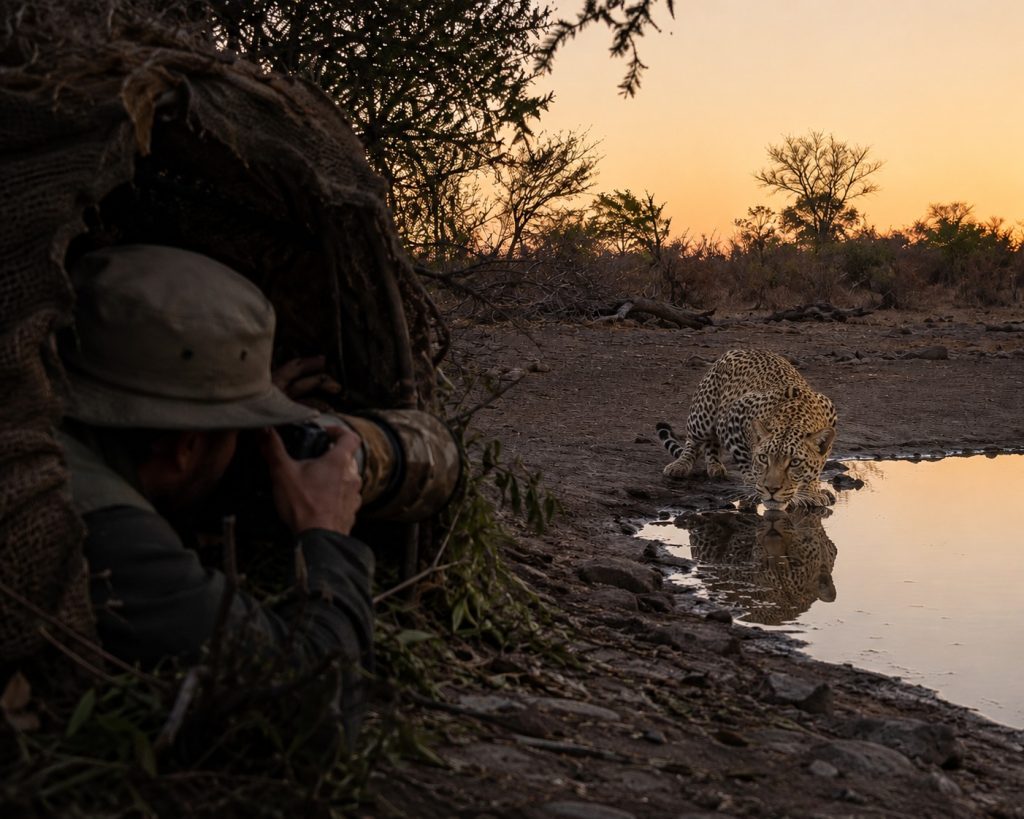
For example, a photographer may spend several hours hidden near a waterhole waiting for a leopard to appear. The perfect image might come in a matter of seconds when the animal emerges from the bushes, pauses to drink water, and looks directly into the camera. Such a photograph is not merely a picture of an animal; it tells a story of survival, habitat, and natural behavior.
Bird Photography Techniques for Stunning Action Shots
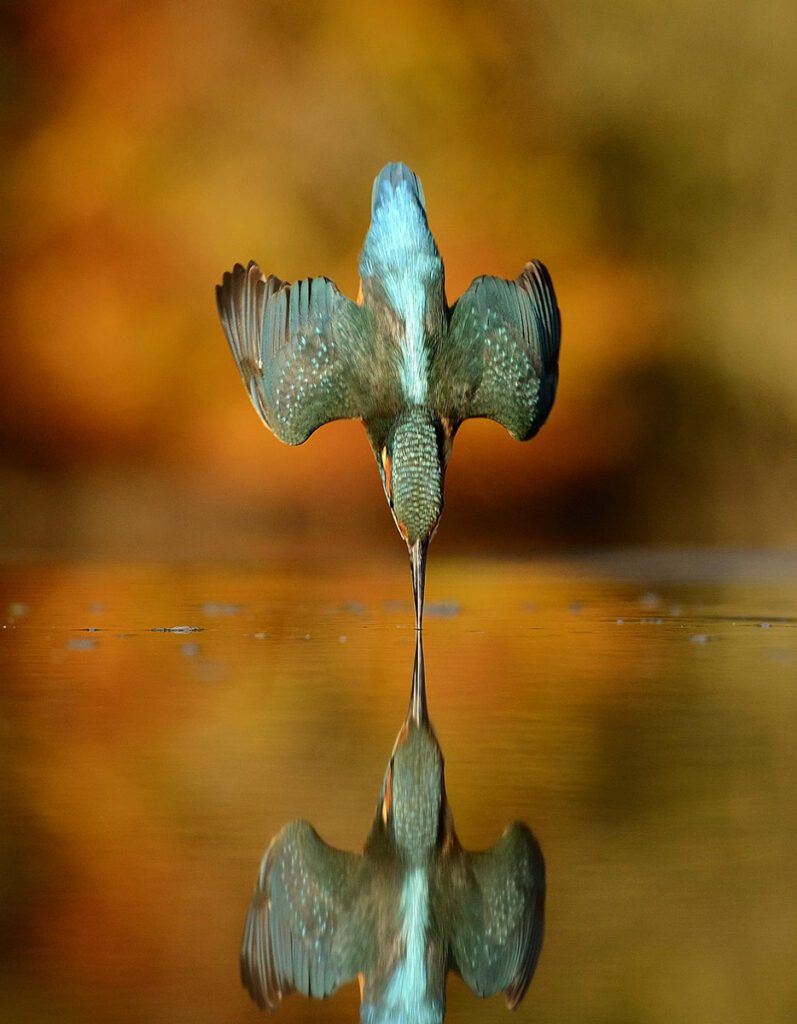
Similarly, bird photographers often wake before sunrise to capture birds during their most active hours. A photograph of a kingfisher diving into a river to catch a fish can showcase incredible speed, precision, and beauty that the human eye may struggle to observe in real time.
Nature Photography: Showcasing Landscapes and Ecosystems
Nature photography extends beyond animals and includes landscapes, forests, mountains, deserts, oceans, and weather phenomena. These images help people appreciate the grandeur and diversity of Earth’s ecosystems.
Photographing Mountains, Forests, and Natural Wonders
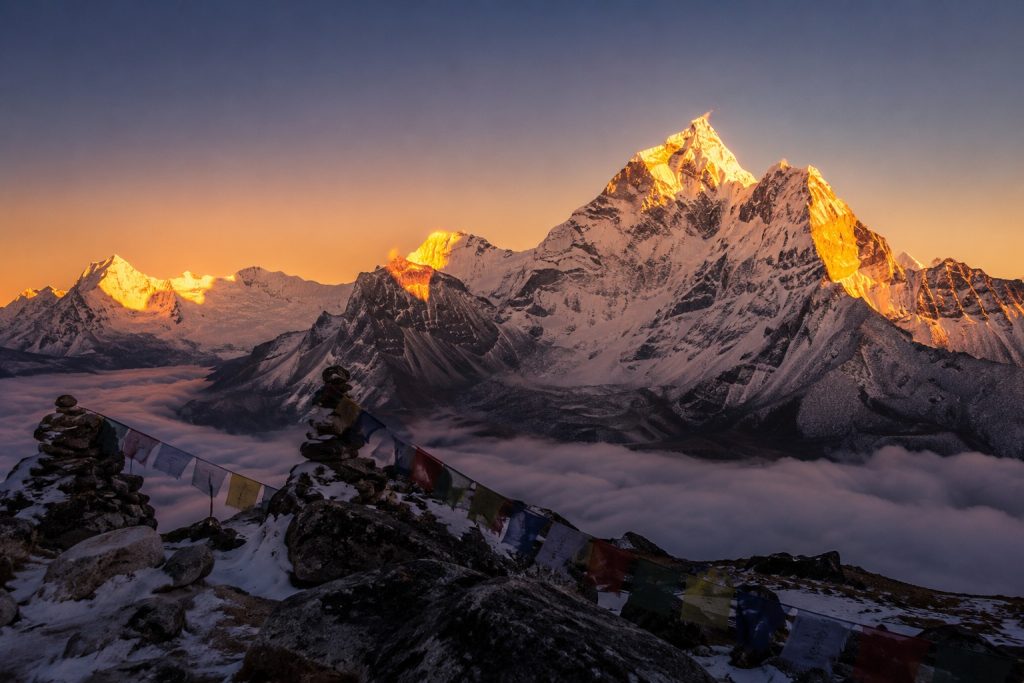
A classic example is a photograph of the Himalayan mountains during sunrise. As the first rays of sunlight illuminate snow-covered peaks, the image conveys a sense of scale, tranquility, and natural beauty. Similarly, photographs of monsoon clouds gathering over green valleys can highlight the dramatic relationship between weather and landscape.
Composition Techniques for Better Nature Photography
Photographers often use composition techniques such as leading lines, reflections, and foreground elements to guide viewers through an image and create a stronger emotional impact.
Storytelling Through Wildlife Photography
The most memorable wildlife photographs are often those that tell stories. Instead of focusing solely on the appearance of an animal, photographers aim to capture behavior, interaction, and emotion.
Capturing Animal Behavior and Natural Interactions
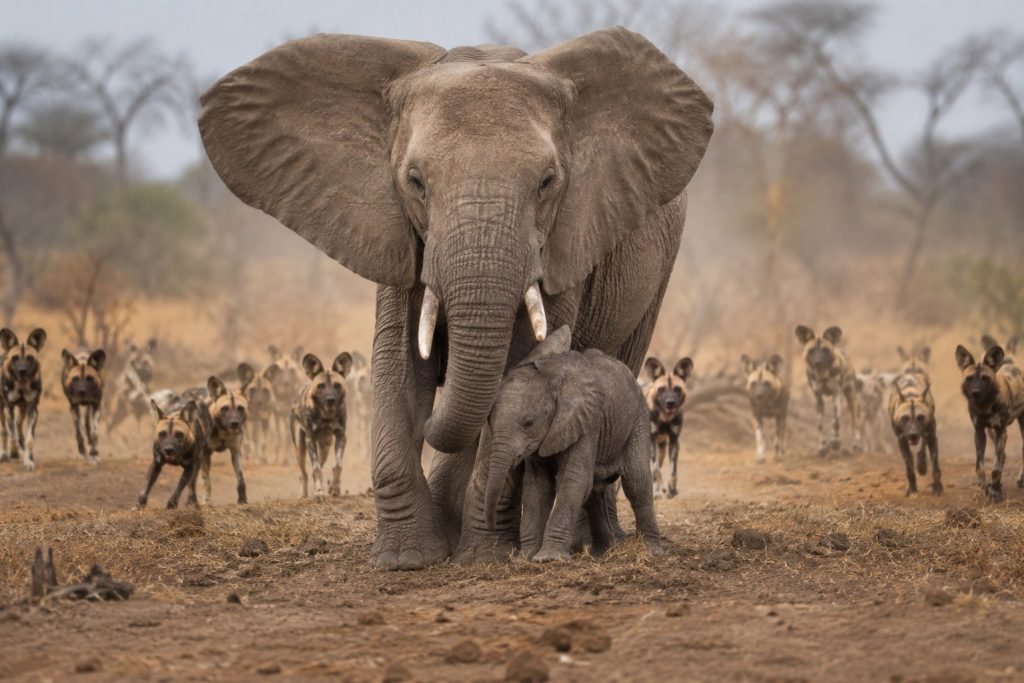
For instance, a photograph of a mother elephant protecting her calf from danger can symbolize care, family bonds, and survival. A series of images showing sea turtles hatching and making their way toward the ocean tells a complete story about one of nature’s most remarkable journeys.
Another powerful example is a photograph of a predator and prey in the same frame. Such an image illustrates the delicate balance of ecosystems and the realities of life in the wild.
Wildlife Photography and Environmental Conservation
In recent years, wildlife and nature photography have become important tools for environmental awareness. Climate change, deforestation, pollution, and habitat loss are affecting ecosystems worldwide, and photographers play a critical role in documenting these changes.
How Nature Photography Supports Climate Change Awareness
For example, photographs showing shrinking glaciers provide visual evidence of rising global temperatures. Images of coral reefs before and after bleaching events demonstrate the impact of warming oceans on marine ecosystems. Similarly, photographs of animals affected by plastic pollution help raise awareness about the consequences of human activities.
Documenting Habitat Loss and Endangered Species
These images often have a stronger impact than statistics alone because they create emotional connections with viewers. A person who sees a photograph of an endangered tiger or an injured sea bird may feel more motivated to support conservation efforts.
Modern Technology in Wildlife Photography and Conservation
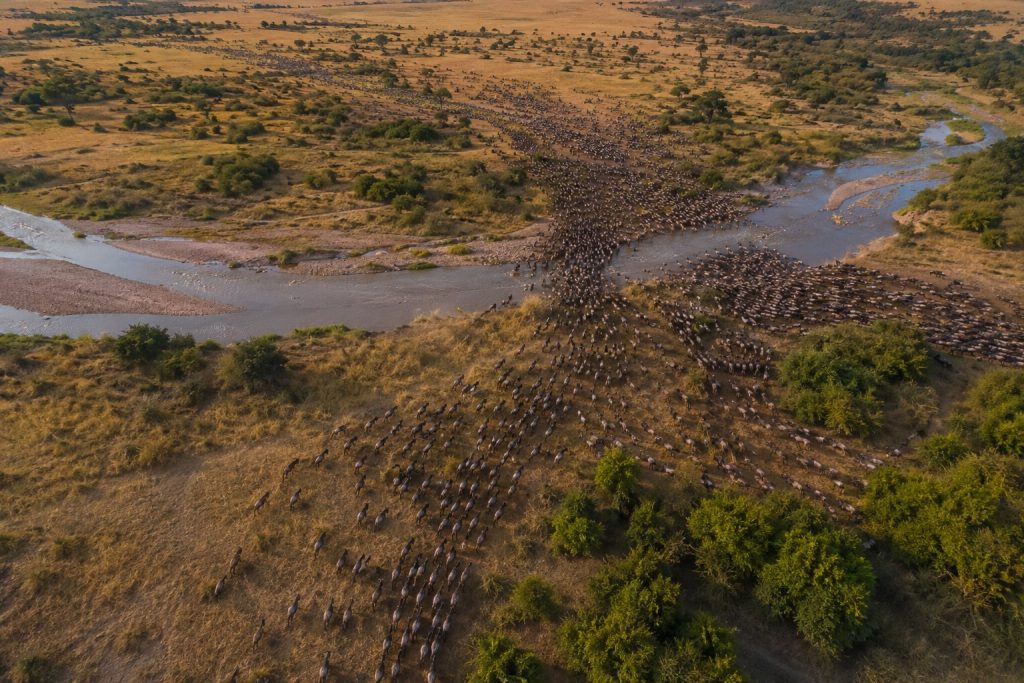
Modern technology has transformed wildlife and nature photography. High-speed cameras allow photographers to freeze fast-moving subjects, while drones provide aerial perspectives that were once difficult to achieve.
Using Drones and Camera Traps for Wildlife Photography and Conservation
For example, drone photography can reveal the migration patterns of large animal herds or capture stunning aerial views of forests, rivers, and coastlines. Camera traps placed in remote locations can photograph elusive animals such as snow leopards or nocturnal species without disturbing them.
Essential Skills Beyond Photography Equipment
However, technology alone does not create great photographs. Creativity, patience, knowledge of nature, and respect for wildlife remain the most important qualities of a successful photographer.
Educational Benefits of Wildlife and Nature Photography
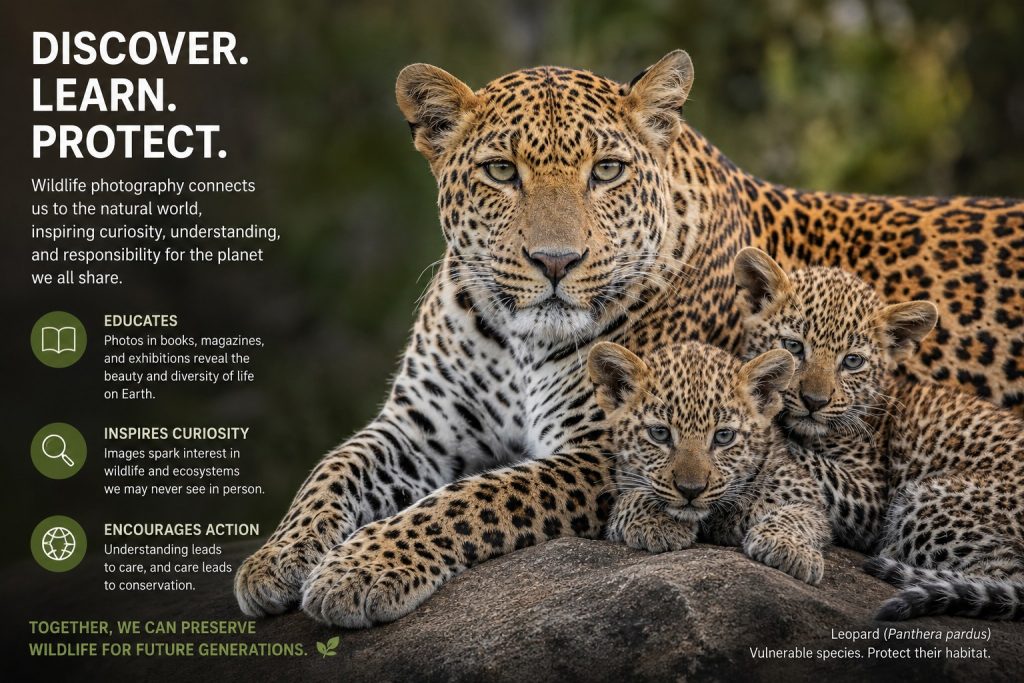
Wildlife and nature photography also serve educational purposes. Photographs published in books, magazines, exhibitions, and social media platforms introduce people to species and habitats they may never encounter in person. These images encourage curiosity, scientific understanding, and environmental responsibility.
Inspiring Future Generations Through Nature Photography
A child who sees a striking photograph of a Bengal tiger in its natural habitat may become interested in wildlife conservation. Similarly, images of beautiful forests and oceans can inspire people to value and protect natural resources.
Challenges Facing Wildlife and Nature Photographers Today
Wildlife and nature photography is often seen as a rewarding profession or hobby, but behind every stunning image lies a series of challenges that photographers must overcome. From unpredictable weather conditions and difficult terrain to ethical concerns and conservation issues, modern wildlife photographers face numerous obstacles while trying to capture the beauty of the natural world. Understanding these challenges highlights the dedication, patience, and responsibility required in this field.
Unpredictable Wildlife Behavior
One of the biggest wildlife photography challenges is the unpredictability of animals. Unlike studio subjects, wild animals do not follow instructions or remain in one place for long periods. Photographers may spend days or even weeks tracking a particular species without getting the desired shot.
Animals can change their behavior due to weather, food availability, seasonal migrations, or human presence. Capturing rare moments such as a predator hunting, birds feeding their young, or animals interacting in their natural habitat often requires extensive planning and patience. Success frequently depends on being in the right place at the right time.
Harsh Environmental Conditions
Wildlife and nature photographers often work in extreme environments that test both physical endurance and equipment reliability. They may encounter scorching deserts, freezing mountain regions, dense rainforests, strong winds, heavy rainfall, or unpredictable storms.
For example, photographing wildlife in remote forests may require long hikes carrying heavy camera gear, while Arctic photography demands protection from sub-zero temperatures. These conditions not only affect photographers but can also damage expensive equipment, making preparation and adaptability essential.
Limited Access to Remote Locations
Many of the world’s most remarkable wildlife species and natural landscapes exist in remote or protected areas. Reaching these locations can be difficult, expensive, and time-consuming. Photographers often need special permits, guides, or transportation to access national parks, wildlife reserves, or conservation zones.
In some regions, political instability, poor infrastructure, or safety concerns further restrict access. As a result, photographers must carefully plan their trips and work within legal and environmental regulations.
Conservation Issues and Habitat Loss
Conservation issues have become a major concern for wildlife photographers. Deforestation, climate change, pollution, urban expansion, and habitat destruction are threatening ecosystems around the world. Many species are losing their natural habitats, making them harder to find and photograph.
While these challenges make photography more difficult, they also increase the importance of documenting environmental changes. Photographers often serve as visual storytellers, creating powerful images that raise awareness about endangered species, shrinking habitats, and the urgent need for conservation efforts.
Ethical Wildlife Photography Practices
Ethical wildlife photography has become increasingly important as more people enter the field. Photographers must ensure that their actions do not disturb, stress, or endanger animals. Unfortunately, some individuals may approach wildlife too closely, use bait to attract animals, or interfere with natural behavior in pursuit of dramatic images.
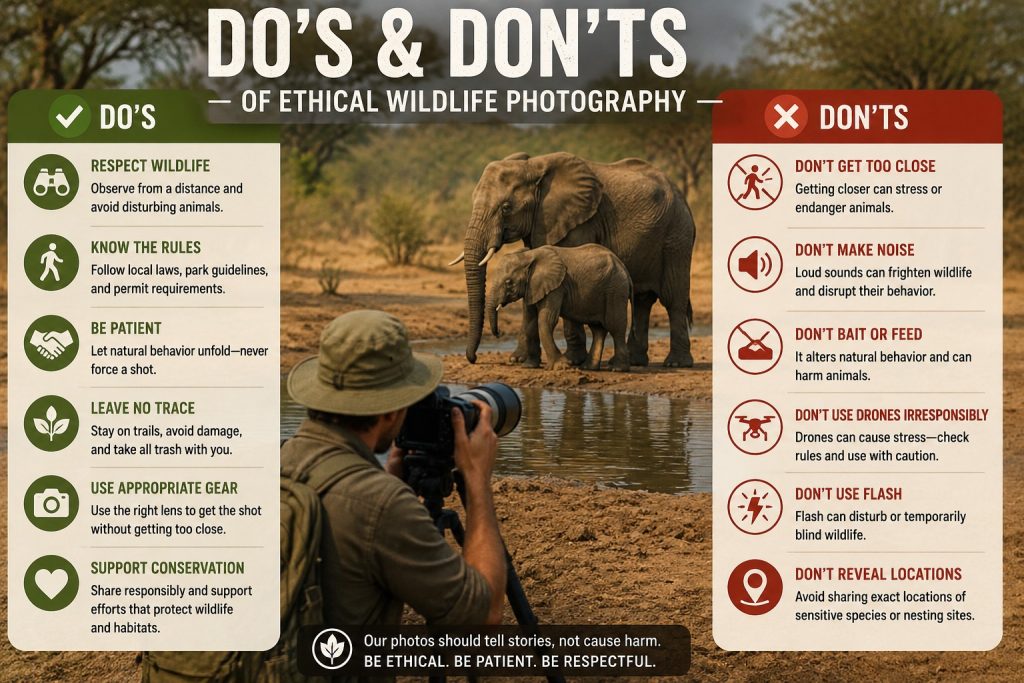
Responsible photographers prioritize the well-being of wildlife over obtaining a photograph. Ethical practices include maintaining safe distances, using telephoto lenses, avoiding nests and breeding areas, and respecting local conservation guidelines. Ethical photography helps protect animals while preserving the authenticity of the images.
The Impact of Social Media
Social media platforms have created new opportunities for photographers to share their work with global audiences. However, they have also introduced unique challenges. The pressure to capture viral images can sometimes encourage risky behavior or unethical practices.
Additionally, geotagging sensitive locations may attract large numbers of visitors, potentially disturbing wildlife habitats. Photographers must carefully consider how they share information online to prevent unintended harm to fragile ecosystems.
Rapid Technological Changes
Modern photography technology continues to evolve rapidly. While advanced cameras, drones, and editing software provide new creative possibilities, keeping up with these innovations can be costly. Professional wildlife photography equipment often requires significant financial investment, and photographers must continually update their skills to remain competitive.
Furthermore, the widespread availability of high-quality cameras has increased competition within the industry, making it more challenging for photographers to stand out and build successful careers.
Balancing Conservation and Photography
Wildlife photographers frequently face the challenge of balancing artistic goals with conservation responsibilities. Capturing dramatic images is important, but it should never come at the expense of wildlife welfare or environmental protection.
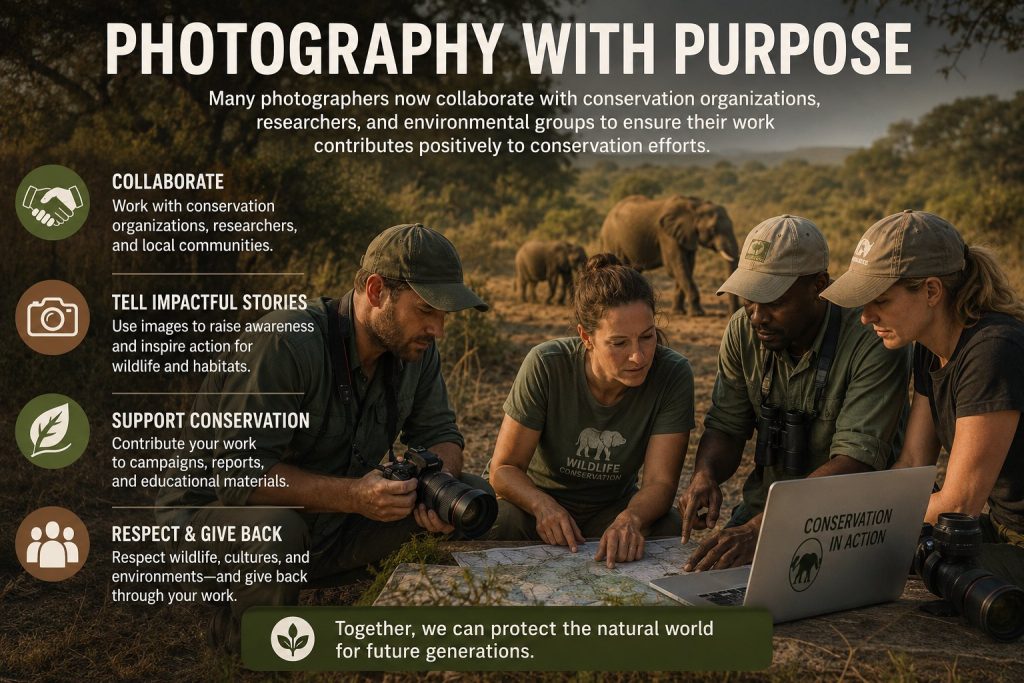
Many photographers now collaborate with conservation organizations, researchers, and environmental groups to ensure their work contributes positively to conservation efforts. By combining visual storytelling with scientific and environmental awareness, photographers can create images that inspire action while respecting nature.
Final Thought
Wildlife and nature photography are much more than artistic hobbies. They are powerful forms of storytelling that celebrate the beauty of the natural world while highlighting the challenges it faces. Through patience, observation, and creativity, photographers capture moments that educate, inspire, and encourage conservation. Whether it is a leopard in the jungle, a kingfisher diving into a river, or a glacier slowly melting due to climate change, every photograph has the potential to tell a story that connects people with nature and motivates them to protect it for future generations.

Learnt a lot. Thank you Sir.