

Gupta Period Dance Art and Aesthetics
The time of the Gupta Empire (4th–6th century CE) is often called the Golden Age of Indian art, literature, and culture. During this period, many forms of art such as sculpture, painting, music, and dance developed in a refined and sophisticated way.
Dance during the Gupta period became more graceful, expressive, and artistic. Artists and performers focused not only on movement but also on beauty, emotion, rhythm, and storytelling.
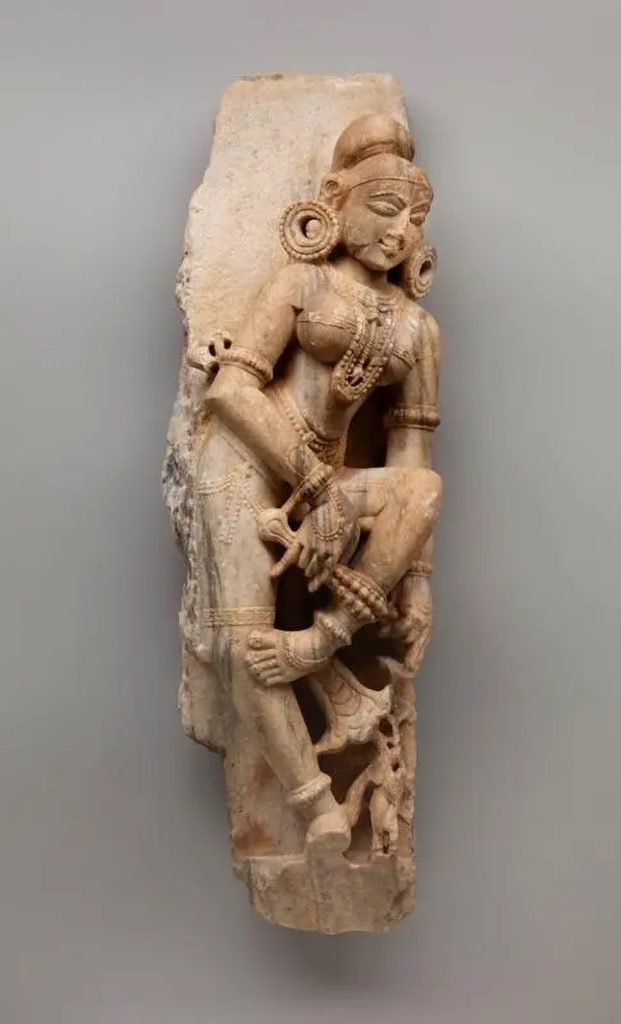
Many historians believe that this era played an important role in shaping the early artistic foundation of classical Indian dance traditions. The elegance and balance seen in Gupta sculptures later influenced dance styles that are still performed today.
Because of this cultural development, the Gupta period is an important stage in understanding the history and origin of Indian dance.
Graceful Dance in Gupta Sculptures
One of the best ways to understand Gupta period dance aesthetics is by looking at temple sculptures and artistic carvings.
These sculptures often show dancers with:
- curved body posture
- elegant hand gestures
- soft and flowing movements
- balanced body positions
For example, sculptures from places like Sarnath and Ajanta Caves show dancers with tribhanga posture, a three-bend body position that later became common in classical dance.
These artistic depictions suggest that dance techniques and body movements were already well developed during the Gupta era.
Royal Patronage of Dance in Gupta Era
Dance flourished during the Gupta period largely because of strong support from kings and royal courts.
Gupta rulers believed that art and culture were important parts of society. They encouraged and supported many types of artists, including:
- musicians
- poets
- dancers
- painters
- sculptors
In royal courts, dance performances were often held during:
- religious festivals
- royal celebrations
- court ceremonies
- social gatherings
For example, court dancers performed for kings and nobles as part of grand celebrations. These performances were not only entertainment but also a way to display culture, refinement, and artistic excellence.
Because of this royal support, dance became a respected cultural profession, and artists gained recognition and social importance.
Aesthetic Principles in Gupta Dance
The Gupta period also helped develop important aesthetic principles in Indian dance.
These principles focused on:
- harmony between body and emotion
- graceful rhythm and balance
- expressive storytelling through movement
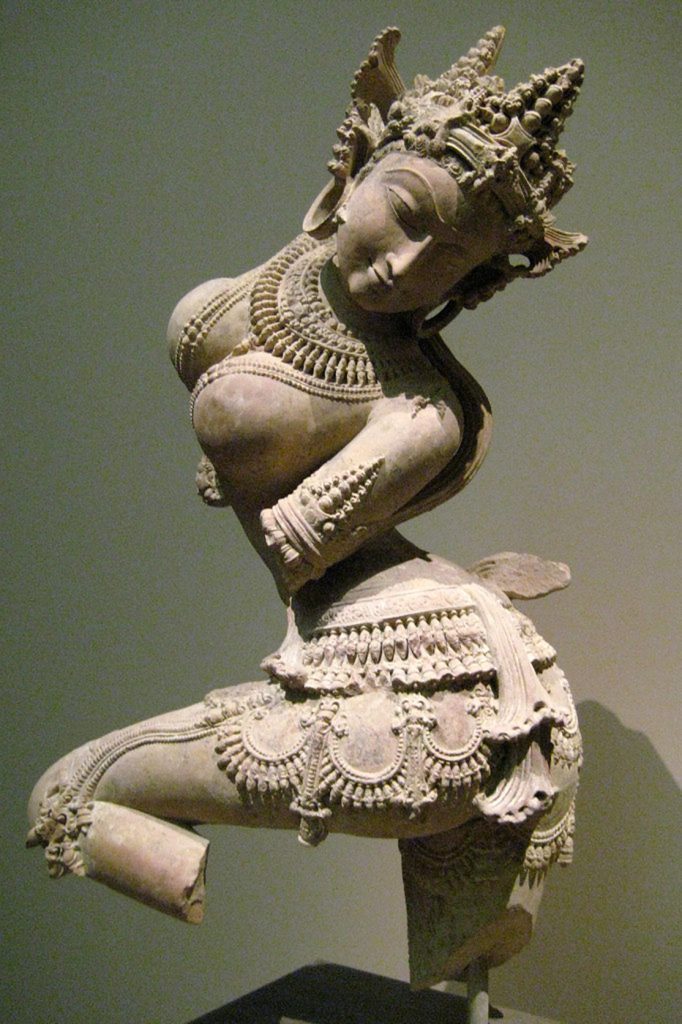
These ideas closely connect with the concepts described in the ancient text Natya Shastra, which explains dance expressions, gestures, and dramatic performance.
Because of these shared ideas, many scholars believe Gupta art reflects the practical application of Natya Shastra dance theory.
Influence on Classical Indian Dance
The artistic style of the Gupta period continued to influence many classical dance traditions of India.
For example:
Bharatanatyam
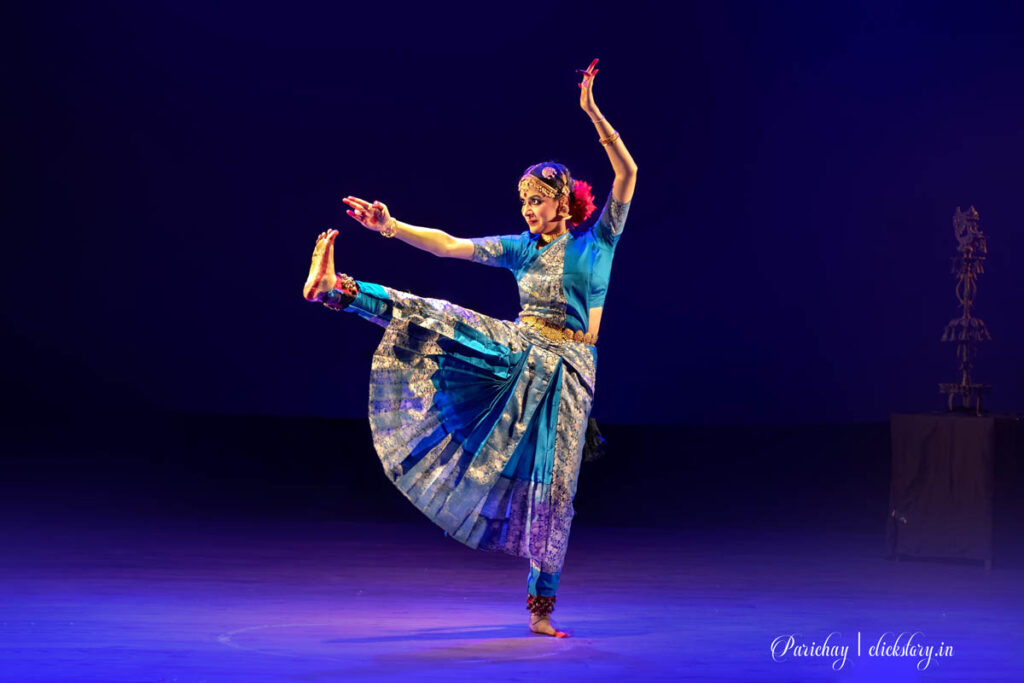
The dance form Bharatanatyam uses strong geometric poses, balanced posture, and expressive hand gestures. Many of these poses resemble the dance positions seen in ancient sculptures.
Odissi
The classical dance Odissi is especially known for its tribhanga posture and curved body movements. These movements closely resemble the graceful poses seen in Gupta sculptures and temple art.
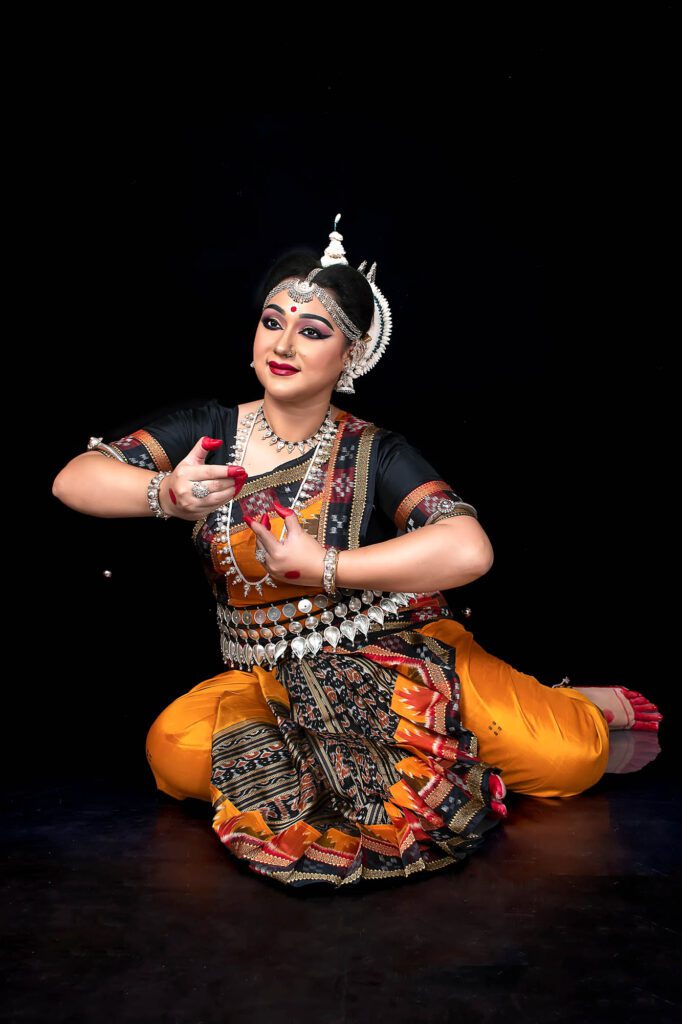
Because of these similarities, historians believe that the visual and aesthetic ideas developed during the Gupta period influenced later dance traditions across India.
Conclusion
The Gupta period dance aesthetics helped refine the beauty and expressive power of Indian dance. Through sculpture, court patronage, and artistic innovation, this era created a strong foundation for later classical dance traditions.
Understanding this period gives us a deeper insight into the history of Indian dance origins and the artistic ideas that shaped India’s rich dance heritage.
FAQs on Gupta Era Indian Dance Art
Gupta period dance art and aesthetics refer to the graceful and expressive style of dance represented in sculptures, paintings, and artistic traditions during the Gupta Empire (4th–6th century CE). This period emphasized beauty, emotional expression, rhythm, and storytelling in dance movements.
The Gupta period is important because it refined the artistic and aesthetic foundations of Indian dance. Sculptures from this era show balanced poses, expressive gestures, and graceful movement styles that later influenced classical dance traditions in India.
Many Gupta sculptures depict dancers in the tribhanga posture, a graceful three-bend body position involving the neck, waist, and knee. This posture creates a flowing and elegant appearance that later became a key feature of several classical dance styles.
Gupta rulers strongly supported arts and culture by encouraging musicians, dancers, poets, painters, and sculptors. Dance performances were often held in royal courts during festivals, ceremonies, and celebrations, helping the art form flourish.
Temple sculptures provide visual evidence of dance poses and movements from the Gupta period. Carvings from places like Sarnath and Ajanta Caves show dancers with elegant body curves, expressive gestures, and rhythmic poses.
The Natya Shastra is an ancient Indian text on performing arts that describes dance techniques, gestures, and expressions. Many scholars believe that Gupta period art reflects the practical application of these theories in real dance performances and sculptures.
Classical dance forms such as Bharatanatyam and Odissi show similarities with Gupta sculptures. These dances use curved body postures, expressive hand gestures, and balanced poses that resemble artistic representations from the Gupta era.
Dance during the Gupta period focused on grace, balance, emotional expression, rhythm, and storytelling. These elements combined to create a refined and artistic style that emphasized both physical beauty and cultural symbolism.
Examples of Gupta dance sculptures can be seen at historical sites such as Sarnath, Ajanta Caves, and other temple complexes across India. These carvings provide important insights into the artistic and cultural life of the time.
The visual style and aesthetic ideas of Gupta art influenced the posture, gestures, and expressive techniques used in later classical dance traditions. Many dance forms today still reflect the elegance and balance seen in Gupta sculptures.

Gupta period…I think Chandragupta Maurya. Really fascinating.