

Early History of Dance in India
The history of Indian dance origins goes back thousands of years. Long before classical dance styles were formally developed, people in ancient communities used dance as a natural form of expression. Archaeological discoveries, rock paintings, and early sculptures show that rhythmic movement was already an important part of daily life.
In prehistoric times, people danced during community gatherings, seasonal festivals, and hunting celebrations. Dance helped people express joy, gratitude, and devotion to nature. It was also used during rituals to pray for rain, good harvests, and protection from natural forces.
These early dances were not performed on stages like modern performances. Instead, they were part of community life, where everyone participated in rhythmic movements, clapping, and singing.
Archaeological Evidence of Ancient Indian Dance
One of the strongest proofs of ancient Indian dance comes from archaeological discoveries. Rock paintings found in different parts of India show groups of people dancing together in circular formations.
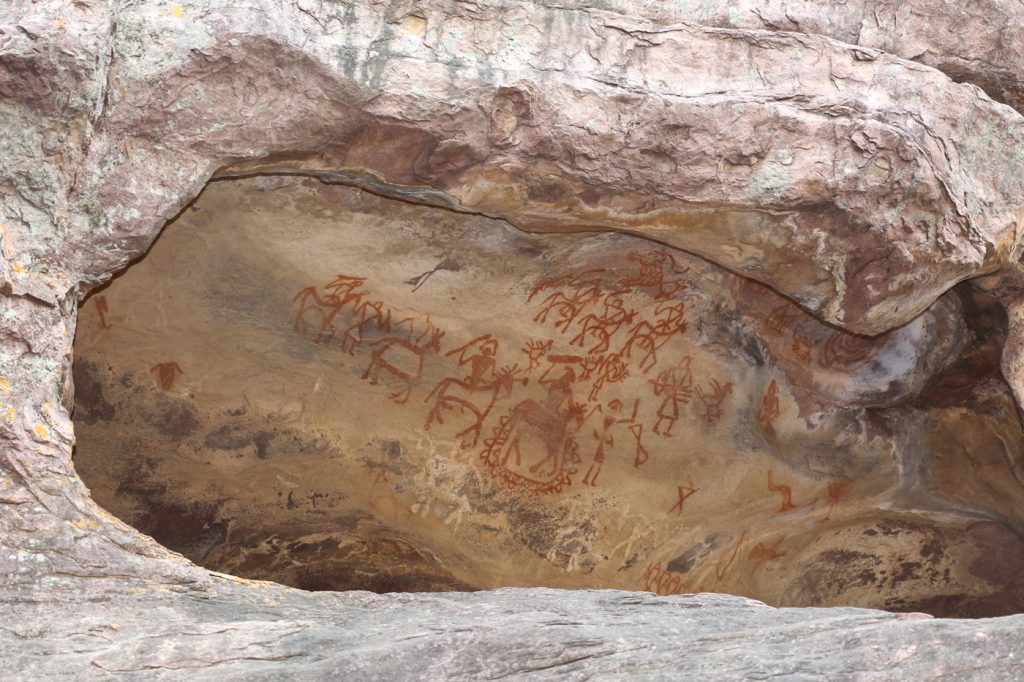
For example, the Bhimbetka rock shelters in Madhya Pradesh, which date back thousands of years, contain paintings of human figures dancing with raised arms. These images clearly show that dance was already an important cultural activity in prehistoric India.
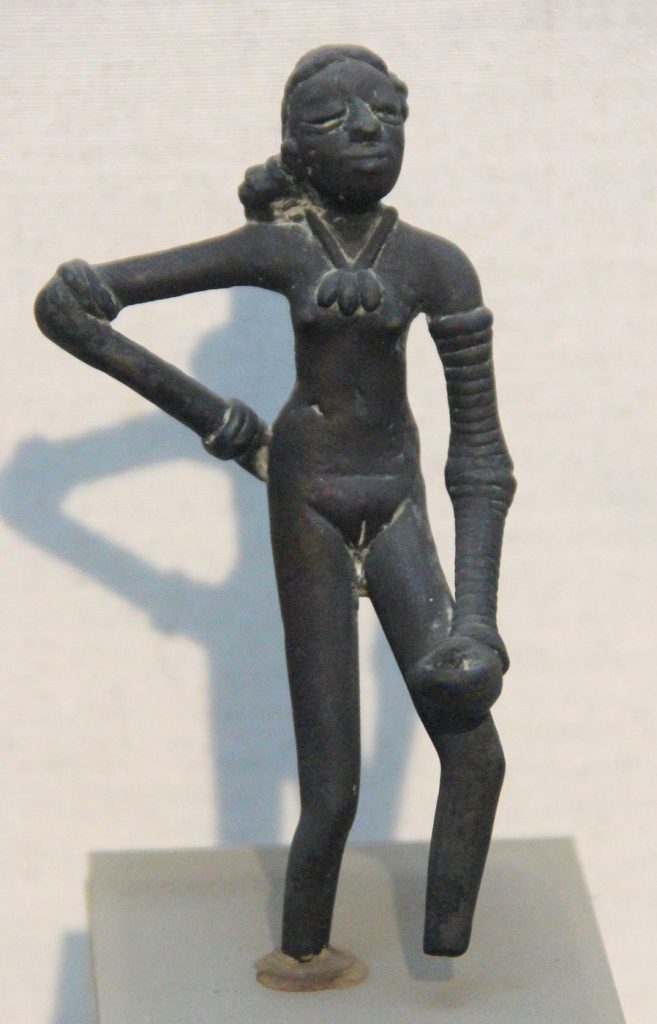
Another famous example is the “Dancing Girl” bronze sculpture from the Indus Valley Civilization at Mohenjo-daro. This small statue shows a young woman standing confidently with one hand on her hip and the other relaxed. Her posture suggests rhythm and movement, indicating that dance and performance existed even around 2500 BCE.
These discoveries show that dance has been part of Indian culture since ancient civilizations.
Dance in the Murals of Ajanta Caves
Another important source of evidence comes from the paintings inside the Ajanta Caves.
These caves contain beautiful murals created between the 2nd century BCE and the 6th century CE. Many of these paintings depict dancers and musicians performing together.
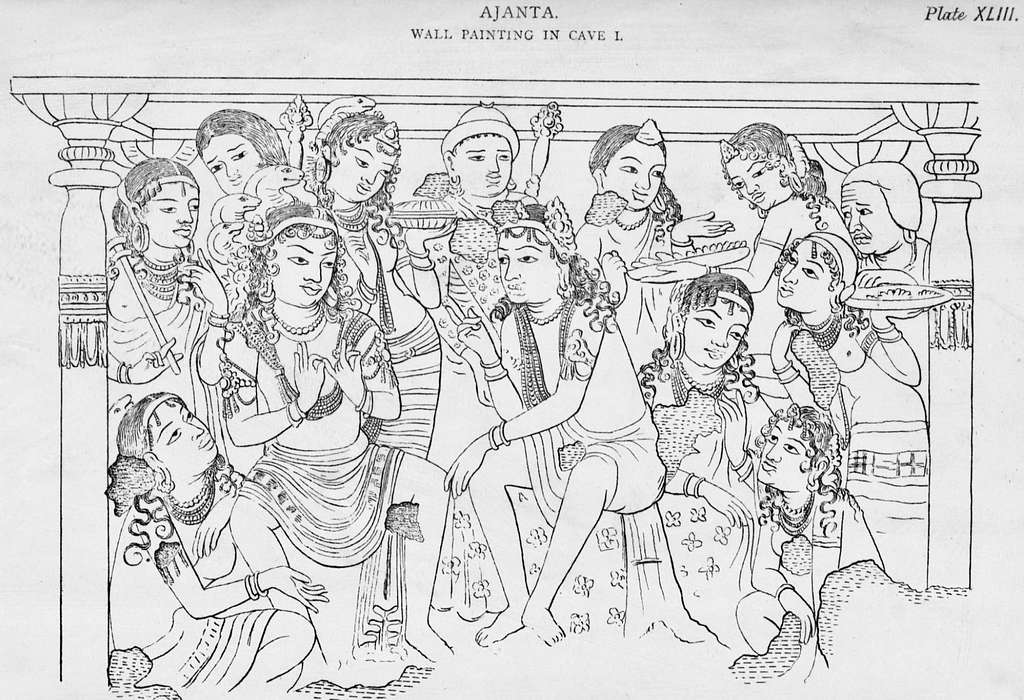
The dancers in these murals are shown in graceful poses, expressive hand gestures, and elegant body movements. Their costumes, ornaments, and facial expressions suggest that dance had already developed into a refined art form.
The paintings also show musicians playing instruments such as drums and string instruments while dancers perform in groups. This indicates that music, rhythm, and dance were closely connected even in ancient times.
Development of Early Performance Traditions
The artistic details seen in ancient sculptures and paintings suggest that dance was not simply spontaneous movement. Instead, it had already become a structured performance practice.
Dancers likely trained to master body posture, rhythm, facial expressions, and gestures. These elements later became important parts of classical Indian dance traditions.
Ancient performances may have included:
- Storytelling through body movement
- Symbolic hand gestures
- Group dance performances
- Musical accompaniment
These early traditions laid the foundation for the development of classical dance forms in India.
Dance as a Part of Social and Cultural Life
In ancient India, dance was deeply connected with social life, religion, and community celebrations. It was performed during festivals, royal gatherings, and religious ceremonies.
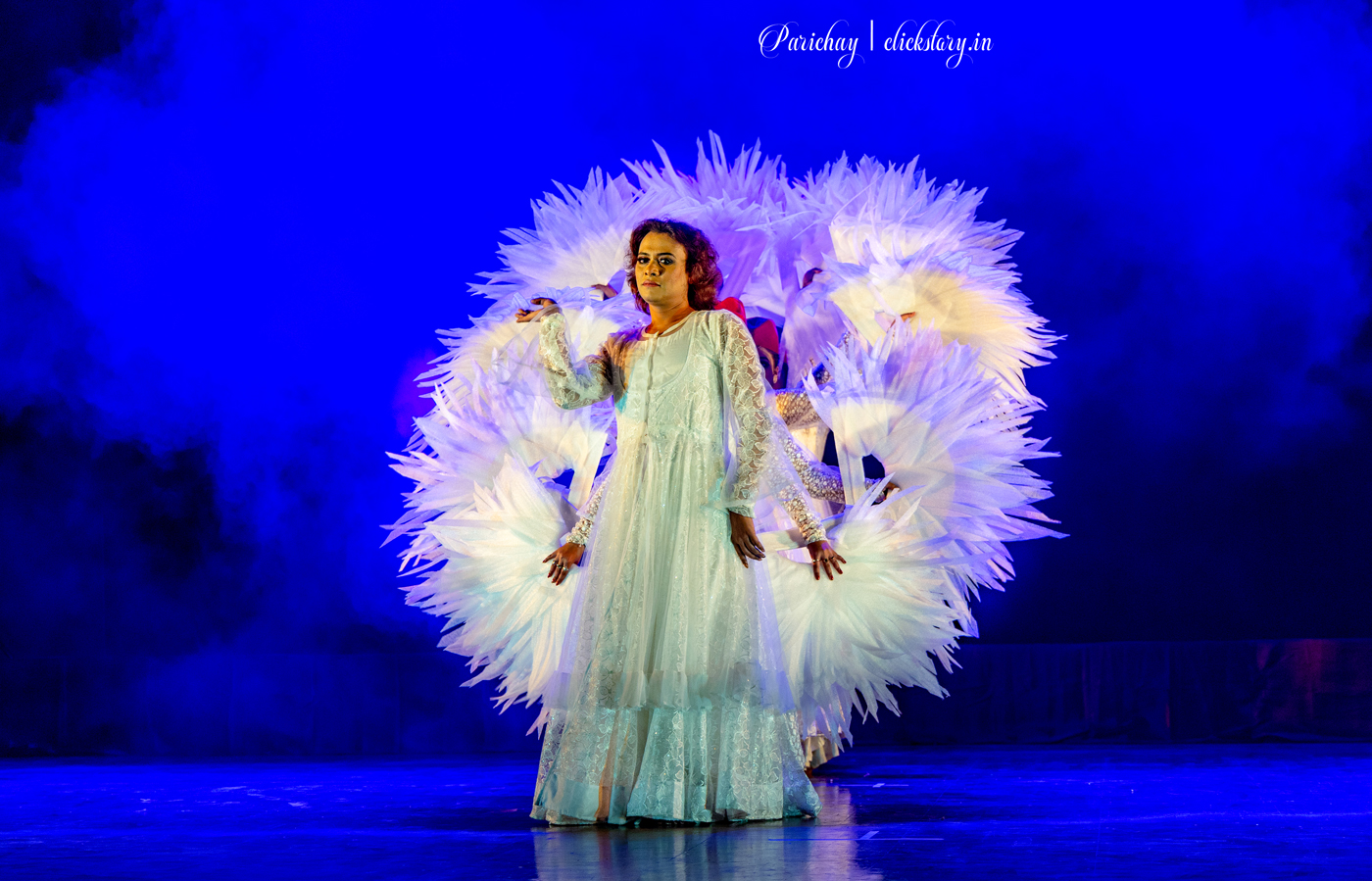
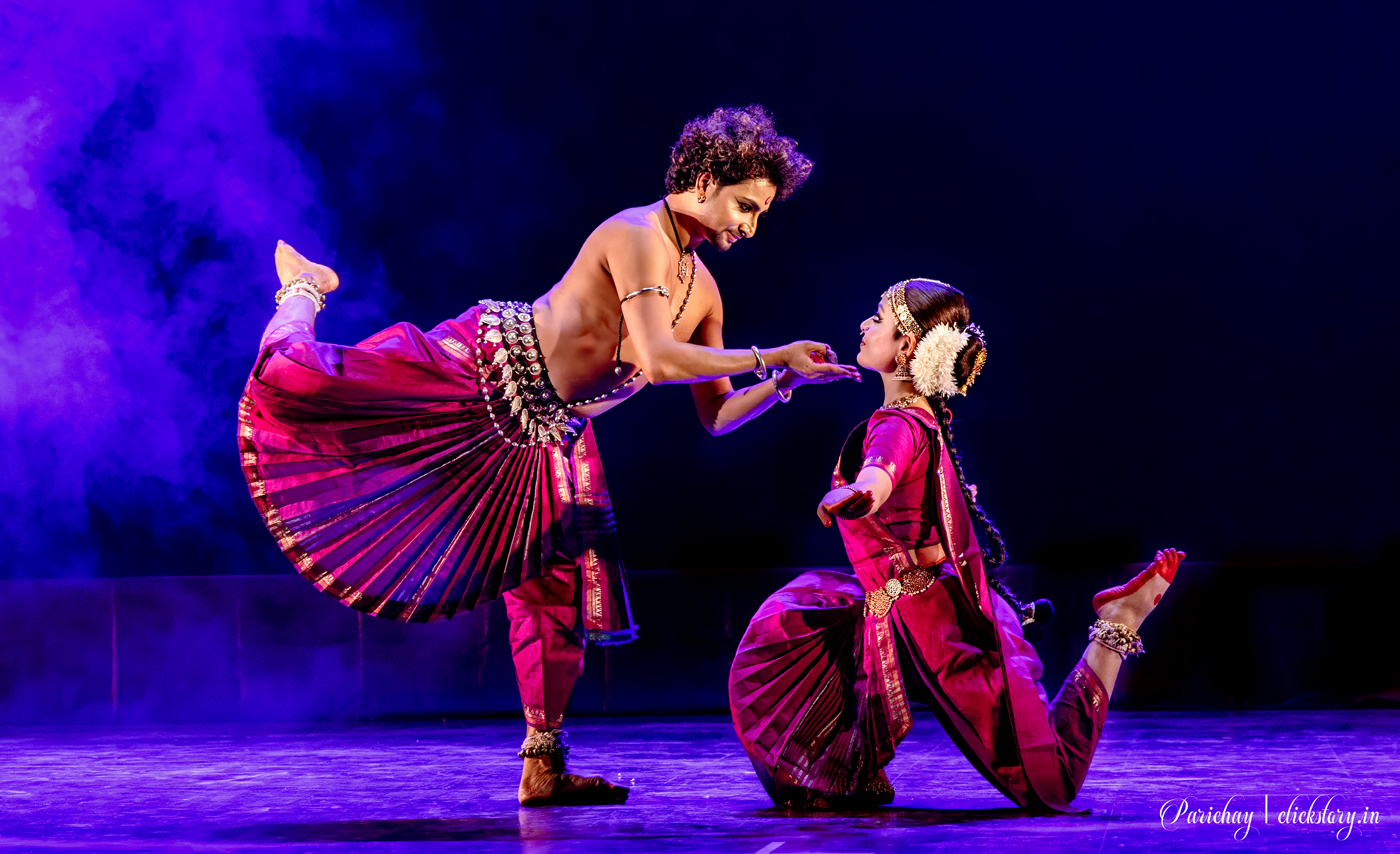
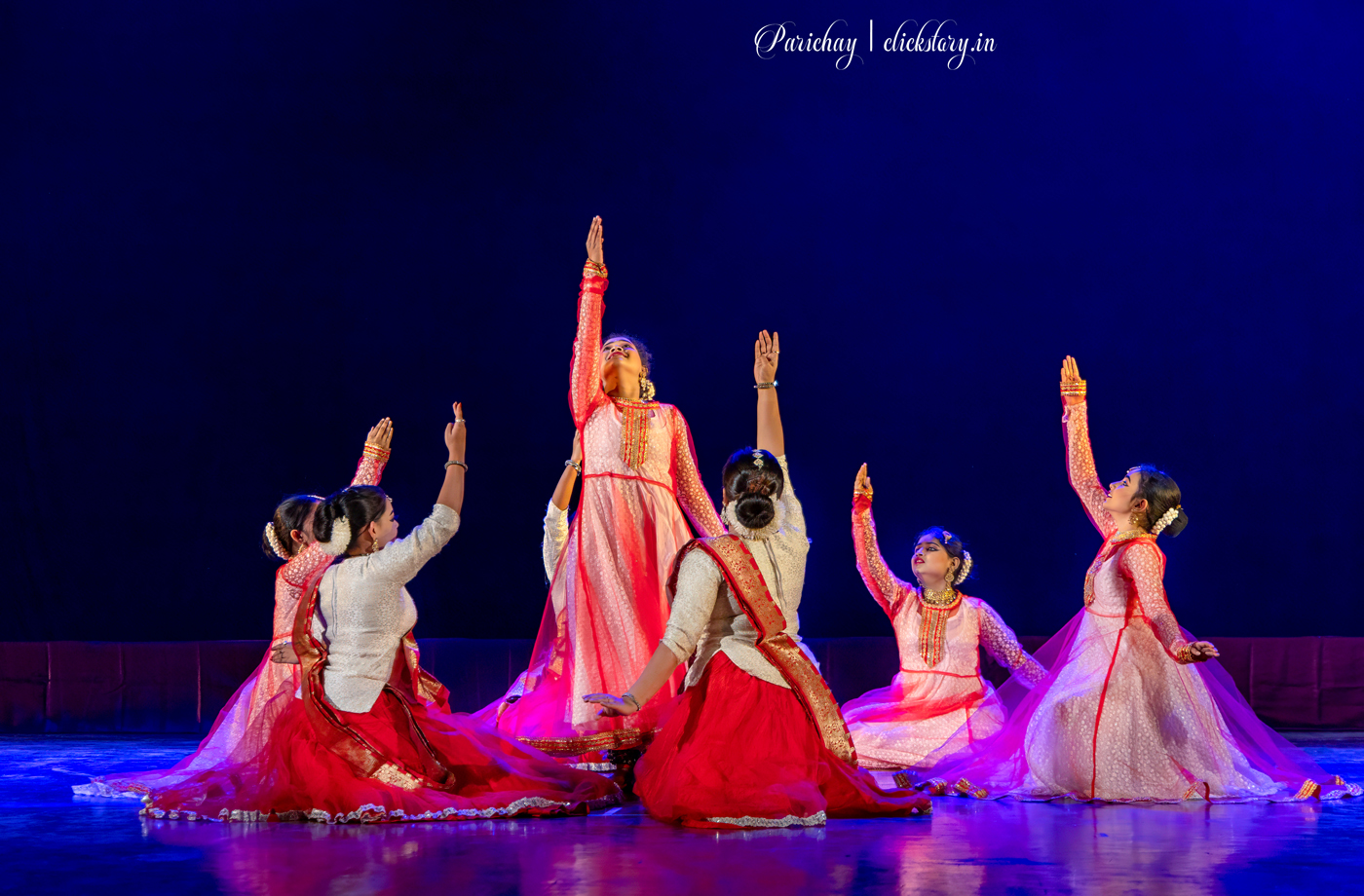
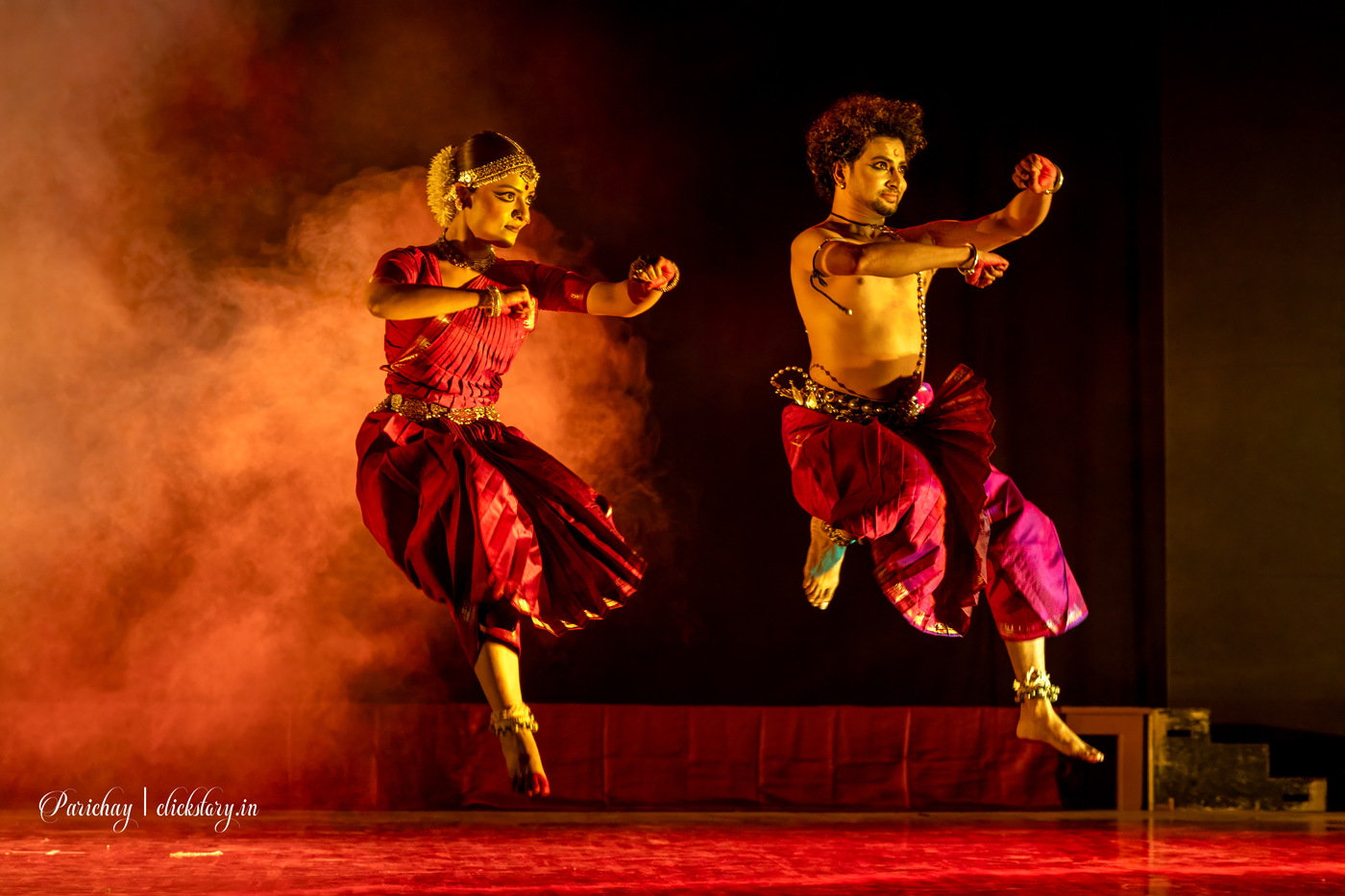
Dance was not only entertainment but also a spiritual and cultural activity. It helped people express devotion, emotions, and stories through movement.
Over time, these early community dances gradually became more organized. Eventually, dance traditions became closely linked with temples and religious institutions, where performers developed more refined techniques and artistic styles.
These early beginnings played a major role in shaping the rich and diverse dance traditions that India is known for today.
To understand how these traditions developed from ancient times, you can explore the pillar article “History of Indian Dance Origins.”
FAQs About Ancient Indian Dance
Dance in India originated thousands of years ago in prehistoric communities. Archaeological discoveries such as rock paintings and sculptures show that rhythmic movement was already part of social and ritual life long before classical dance traditions were formally developed.
Ancient communities used dance to express joy, gratitude, and devotion to nature. It was performed during seasonal festivals, hunting celebrations, and rituals asking for rain, good harvests, and protection from natural forces.
Evidence of ancient Indian dance comes from rock paintings, sculptures, and murals. Sites like Bhimbetka rock shelters show groups of people dancing together, while the famous Dancing Girl statue from the Indus Valley Civilization suggests early performance traditions.
The Bhimbetka rock shelters in Madhya Pradesh contain prehistoric paintings showing human figures dancing in groups with raised arms. These paintings suggest that communal dancing was already part of cultural and ritual activities in early Indian societies.
The bronze Dancing Girl sculpture from the Indus Valley Civilization, dated around 2500 BCE, depicts a young woman standing confidently with one hand on her hip. Her posture suggests rhythm and movement, indicating that dance and performance culture existed in ancient urban societies.
The murals inside the Ajanta Caves depict dancers and musicians performing together. These paintings show graceful poses, expressive gestures, and elaborate costumes, demonstrating that dance had already evolved into a refined artistic tradition.
Yes, ancient Indian dance was closely connected with music. Murals and sculptures show musicians playing drums and string instruments while dancers performed, indicating that rhythm and musical accompaniment were important elements of early performances.
Early dance practices included storytelling, symbolic gestures, rhythmic movements, and group performances. Over time, these elements evolved into structured techniques that later became essential features of classical Indian dance traditions.
Yes, dance was deeply connected with social and cultural life in ancient India. It was performed during festivals, religious ceremonies, and community gatherings, serving both entertainment and spiritual purposes.
Over time, spontaneous community dances became more organized. Training in body posture, rhythm, and gestures gradually developed, leading to formal performance traditions that were later associated with temples and classical dance styles.

it is really informative and useful for me.