

Minimalist photography is one of the biggest trends of 2025. It is simple, clean, and peaceful — and that is exactly why people love it. In a world filled with too much information, minimalist photos give our eyes a place to rest.
This style removes all unnecessary elements. What stays in the picture is only what matters.
What Is Minimalist Photography?
Minimalist photography means:
- One main subject
- Simple background
- Lots of empty space (negative space)
- Clean shapes and lines
- Very few distractions
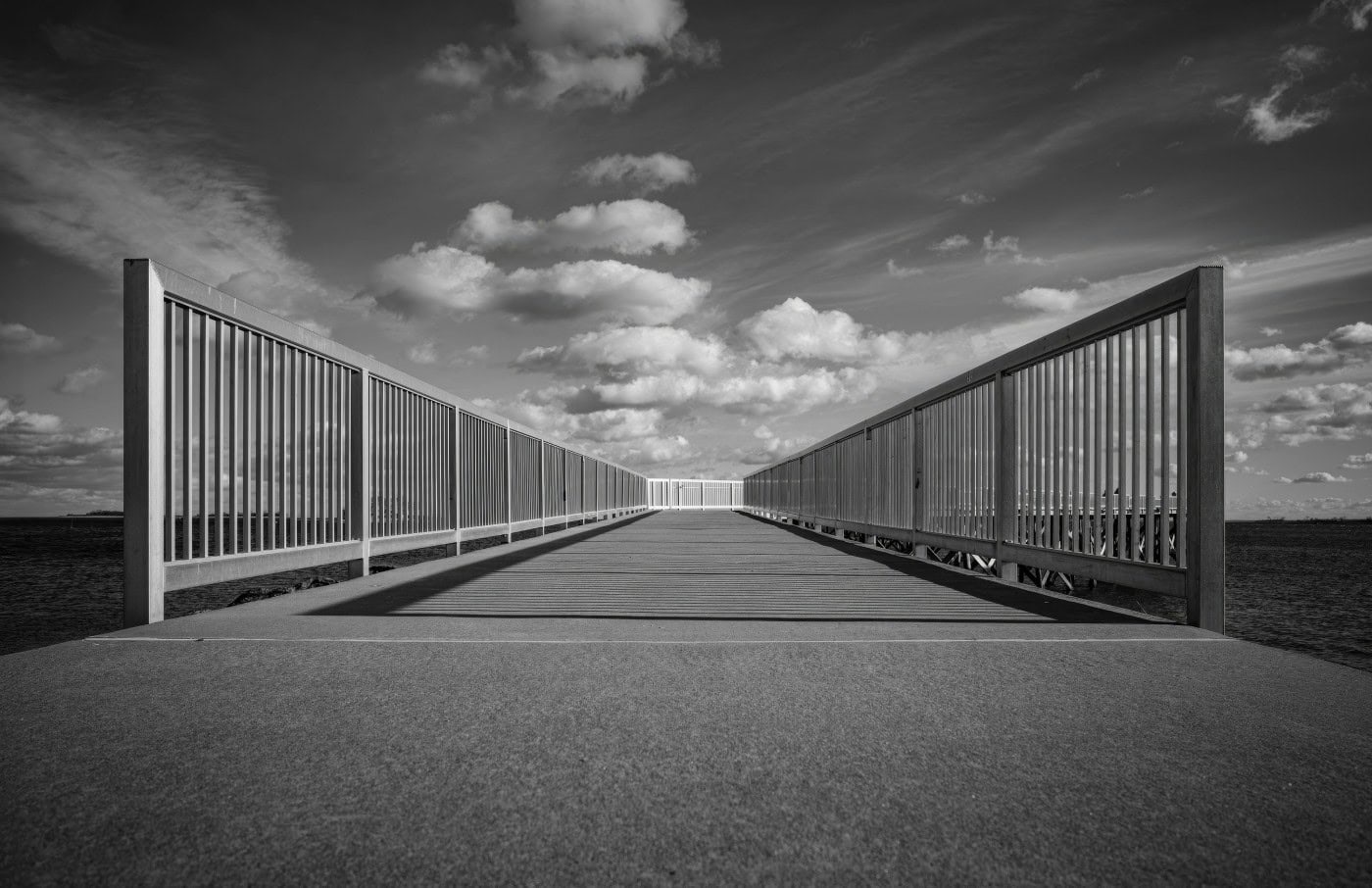
The goal is to make the viewer focus on one thing and feel something from it.
Easy example:
- A red cup on a plain white table.
- A bird sitting alone on a wire under a big empty sky.
- A person walking alone on an empty road.
These photos are simple, but they feel calm, emotional, or meaningful.
Why Minimalism Is Popular in 2025
- People want peaceful images.
- Simple photos stand out on social media.
- Minimalist images look modern and professional.
- They work well for mobile screens.
- They tell stories without needing many elements.

Clean Aesthetics: How to Make Your Photos Look Simple and Beautiful
1. Use Negative Space (Empty Space)
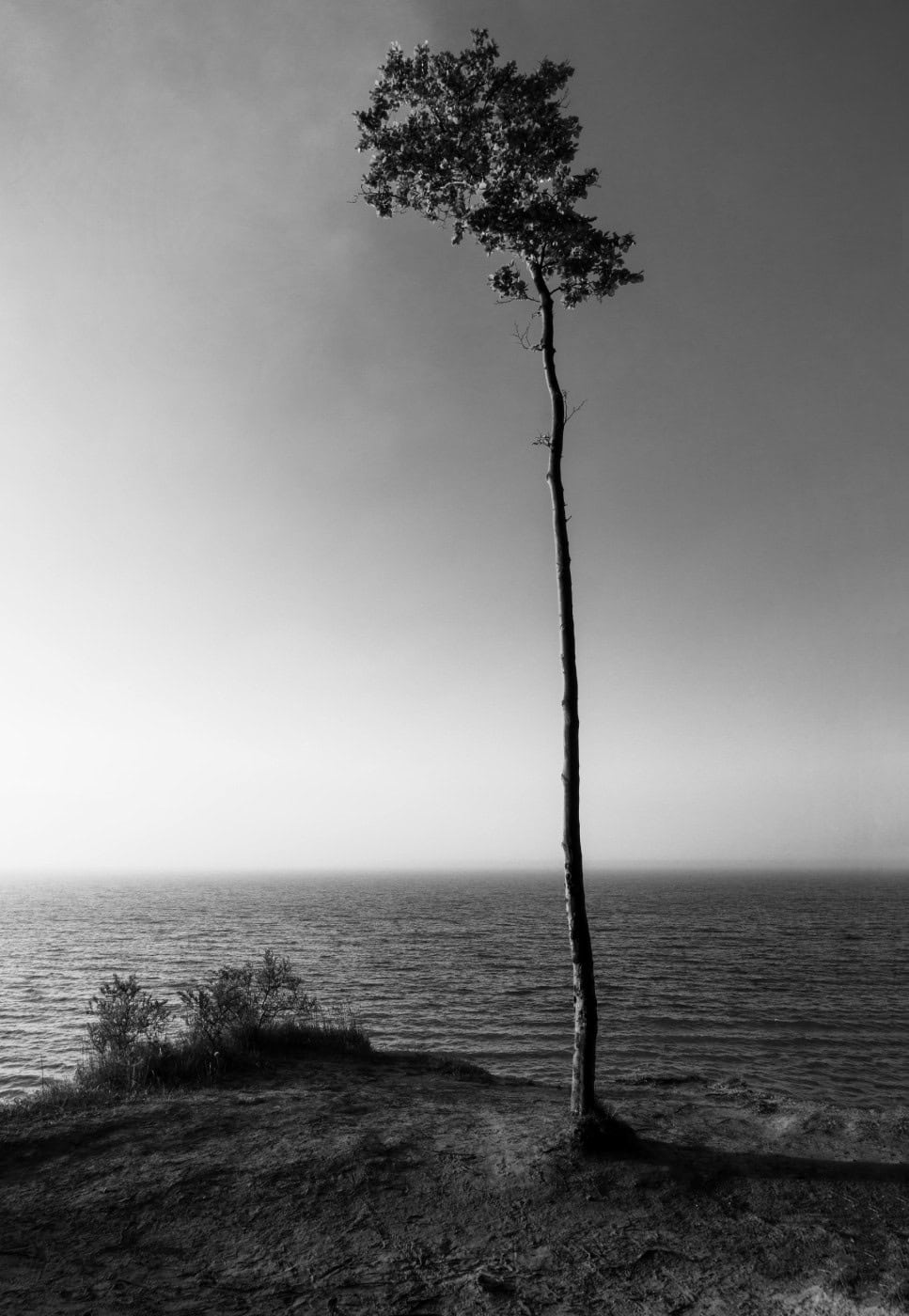
Negative space makes your subject stand out instantly.
Example:
- A single tree in a huge open field. The emptiness makes the photo feel peaceful.
Try this:
Take a photo where your subject covers only 10–20% of the frame.
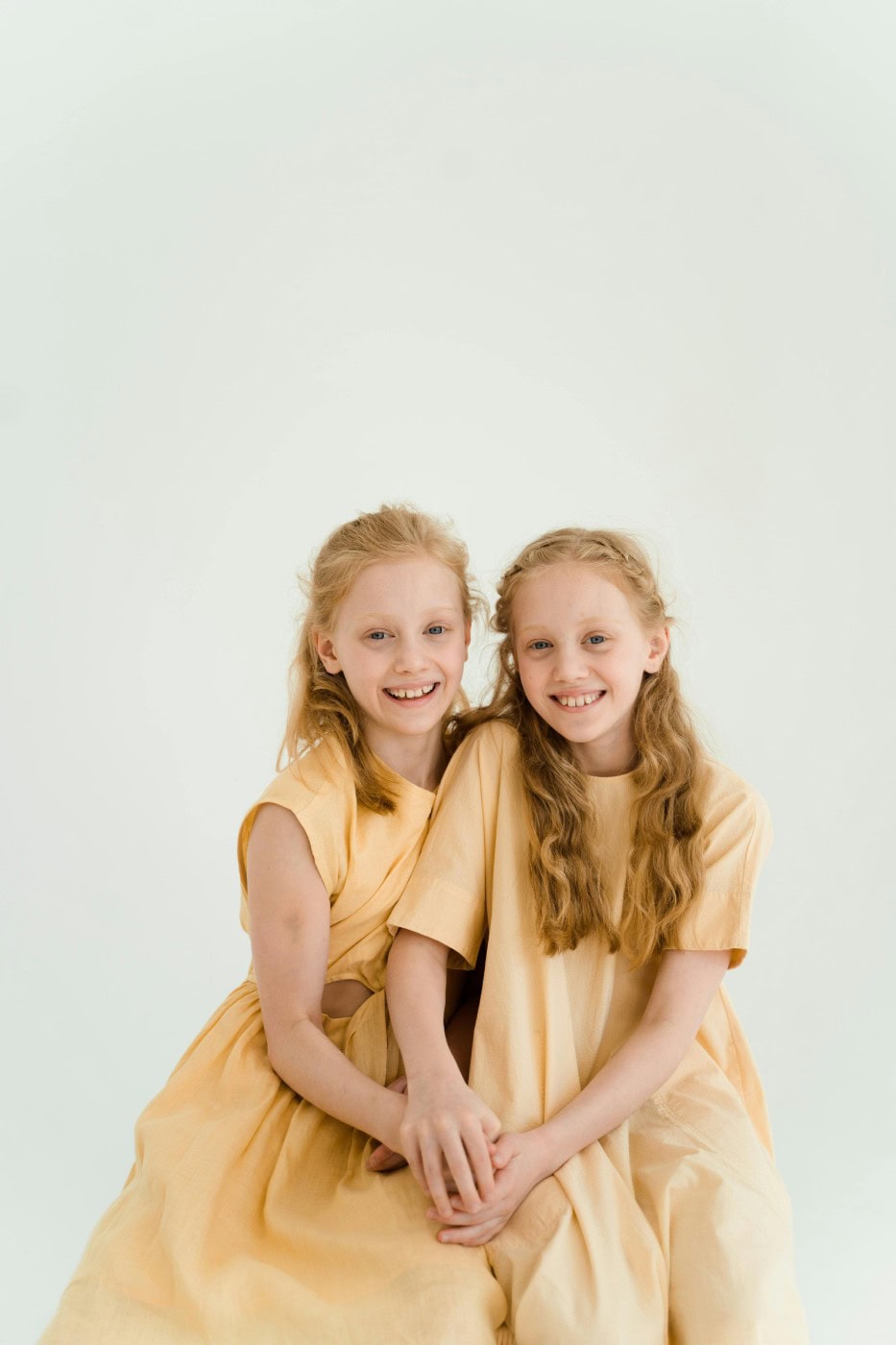
2. Keep the Background Clean
A busy background makes the photo confusing.
Example:
A flower against a plain wall looks better than the same flower in a messy garden.
Try this:
Place an object near a plain wall, window, or cloth and shoot it.
3. Use Simple Lines and Shapes
Minimalist photos often use patterns, shadows, or clean architecture.
Example:
- A staircase from below
- A shadow falling perfectly across the floor
- A straight road line
Try this:
Walk around your house or street and capture 5 photos of lines or shapes.
4. One Color, One Mood
Using one strong color can make the photo feel modern and bold.
Example:
A yellow umbrella on a grey street.
Try this:
Find a subject with one bright color and shoot it against a plain background.
Storytelling Composition: How Minimal Photos Tell Big Stories
Minimalism doesn’t mean “empty” — it means emotional.
1. Tell Stories with Isolation
One subject alone can create feelings like loneliness, peace, or freedom.
Example:
A bench in an empty park → quiet morning
A bicycle against a blank wall → someone’s daily life
A single shoe on a road → mystery or journey
2. Use Space to Show Emotion
Where you place your subject changes the meaning.
Example:
A person standing small in a big landscape → adventure or feeling lost
A mug on a table next to sunlight → calm morning story
3. Create a Simple Story Series
Use 2–3 minimalist photos to tell a small story.
Example series:
“My Morning”
- Coffee cup
- Open window
- Sunlight on the floor
Simple, but meaningful.

Easy Practice Assignments
Each assignment includes:
Goal → How to Do It → Examples → Why It Works
Assignment 1: The One-Subject Minimalism Challenge
Goal: Focus on one clean, strong subject.
How to Do It:
- Find a simple object (cup, plant, shoe).
- Place it in a clean environment.
- Move closer. Remove distractions.
- Use a plain wall or empty table.
Examples:
- A single leaf on white paper.
- One red apple on a wooden table.
Why It Works:
A single subject makes the viewer concentrate on details and emotion.
Assignment 2: The Negative Space Calm Shot
Goal: Use empty space to create mood.
How to Do It:
- Place your subject in one corner.
- Leave 70–80% of the frame empty.
- Use walls, sky, or open fields.
Examples:
- A bird on a wire against a huge sky.
- A tiny person in a large desert.
Why It Works:
Negative space creates mood — peace, loneliness, freedom.
Assignment 3: Color-Only Minimalism
Goal: Create a photo using one dominant color.
How to Do It:
- Pick a color: red, yellow, blue, white.
- Find scenes dominated by that color.
- Add one story element (object or shadow).
Examples:
- A yellow umbrella on a yellow wall.
- A red bottle on a red cloth.
Why It Works:
Colors carry emotions and simplify compositions naturally.
Assignment 4: The Silent Story Sequence
Goal: Tell a story in 3 simple photos.
How to Do It:
- Choose a theme: morning coffee, travel, loneliness.
- Shoot 3 minimal images showing beginning, middle, end.
Examples:
Closed book → hand opening book → empty chair with book left behind.
Why It Works:
Series photography trains your storytelling eye.
Assignment 5: Shadow & Light Drama
Goal: Use shadows as the main subject.
How to Do It:
- Shoot during golden hour or harsh noon light.
- Look for bold shadows on walls or floors.
- Keep backgrounds simple.
Examples:
- A person’s shadow walking alone.
- A bicycle shadow stretched across concrete.
Why It Works:
Shadows create mystery and emotion with minimal detail.
Assignment 6: The “One Shape, One Story” Challenge
Goal: Build a photo around a repeating shape.
How to Do It:
- Choose a shape: circles, lines, triangles.
- Find objects matching that shape.
- Add one storytelling detail.
Examples:
Circular window + person reading inside.
Why It Works:
Shapes create structure and lead the viewer’s eye.
Assignment 7: The “One Color Story” Project
Goal: Use a single color to express emotion.
How to Do It:
- Pick a color emotionally (red = passion).
- Shoot scenes dominated by that color.
Examples:
Blue wall + single open window.
Why It Works:
Color-based emotions make your minimalism meaningful.
Assignment 8: Five Negative Space Emotions
Shoot 5 photos expressing:
- Peace
- Loneliness
- Freedom
- Mystery
- Hope
How to Do It:
Use negative space differently for each emotion.
Examples:
Tiny boat in a huge lake = loneliness
Why It Works:
You learn how space controls emotion.
Assignment 9: Silent Still-Life Story
Goal: Tell a story using objects only.
How to Do It:
- Choose 3–5 simple items.
- Arrange them to hint at a story.
Examples:
Coffee mug + open notebook → thinking time
Why It Works:
Objects become characters in your story.
Assignment 10: Shadow Stories Day
Goal: Use shadows to create narrative.
Examples:
Two shadows almost touching → connection
Why It Works:
Shadows speak emotionally without clutter.
Assignment 11: Before & After Cleanup Test
Goal: Learn simplicity by removing distractions.
How to Do It:
- Take a busy photo.
- Then simplify the scene.
- Compare results.
Why It Works:
You train your eye for clean frames.
Assignment 12: The One Human Detail Portrait
Goal: Show story through a small detail.
Examples:
Wrinkled hands holding a letter
Why It Works:
Small details reveal big emotions.
Assignment 13: Leading Line Story Hunt
Goal: Let one line lead the story.
Examples:
Road leading to lone figure
Why It Works:
Lines create direction and clarity.
Assignment 14: Minimal Motion Blur Shot
Goal: Add movement in a simple scene.
Examples:
Blurred cyclist on plain wall
Why It Works:
Motion adds energy without clutter.
Assignment 15: The One Window Story
Goal: Capture emotion through windows.
Examples:
Silhouette behind window
Why It Works:
Windows act as natural frames.
Assignment 16: Symmetry Whisper Shot
Goal: Use soft or strong symmetry.
Examples:
Person centered in tunnel
Why It Works:
Symmetry feels peaceful and balanced.
Assignment 17: Texture Story Close-Up
Goal: Highlight emotion through textures.
Examples:
Cracked wall + single nail
Why It Works:
Textures tell age and mood.
Assignment 18: The Empty Chair Emotion Project
Goal: Use an empty chair to express mood.
Examples:
Chair facing the window → waiting
Why It Works:
Absence often says more than presence.
Assignment 19: Reflections Only Challenge
Goal: Shoot only reflections.
Examples:
Tree in puddle
Why It Works:
Reflections add depth and mystery.
Assignment 20: One Word Storyboard
Goal: Express a chosen word through minimalism. Words like: Calm, Hope, Alone.
Examples:
Hope: a tiny plant growing
Why It Works:
Words guide storytelling choices.
Assignment 21: Shadow Portrait
Goal: Capture a person through silhouette/shadow.
Why It Works:
Shadows remove detail but amplify feeling.
Assignment 22: Negative Space Travel Story
Goal: Show scale using a tiny subject in a huge environment.
Examples:
Small figure on big sand dune
Why It Works:
Travel stories become epic and emotional.
Tips, Mistakes & Final Thoughts
Common Mistakes to Avoid
- Adding too many objects
- Too much color variety
- Busy backgrounds
- Uneven lighting
- Poor subject placement
Simple Tips for Better Minimalist Photos
- Keep backgrounds simple
- Move closer
- Use shadows, shapes, and lines
- Think about emotions
- Shoot during morning or evening light
- Ask yourself: “What can I remove?”
Conclusion
Minimalist photography proves that less is more.
With simple elements, clean space, and a clear subject, you can create images that feel modern, calm, and deeply emotional. Even beginners can master this style — all it takes is attention, intention, and practice.
