

When we talk about Indian performing arts, two words often come up: Nataka and Nritya. These terms have their roots in the ancient text of Natya Shastra, written by the sage Bharata, which is considered the foundation of Indian theater, dance, and performance. But what do these terms really mean? How do they relate to each other? And why are they important even today?
What is Nataka?
Nataka is the Sanskrit word for drama or theatrical play. In the Natya Shastra, Nataka refers to a form of stage drama where stories are told primarily through acting, dialogue, and plot. It is a rich blend of spoken words, gestures, emotions, and stagecraft that together create a live theatrical experience.

Characteristics of Nataka:
- It involves characters who speak and interact with each other.
- The narrative is often taken from mythology, history, or epics like the Mahabharata or Ramayana.
- It combines dialogue (Vachika Abhinaya) with expressive body language and facial expressions (Angika Abhinaya).
- The plot is carefully structured with acts and scenes, containing a beginning, middle, and end.
Example:
Classical Sanskrit dramas like Kalidasa’s Shakuntala are examples of Nataka. Here, the story unfolds through characters’ conversations, emotional exchanges, and dramatic situations on stage.
What is Nritya?
Nritya refers to dance with expression — the artistic performance where emotions, stories, and moods are conveyed through a combination of rhythmic movements, facial expressions (evoke rasa), and hand gestures (mudras). Nritya is more than just dance; it is the expressive storytelling aspect of dance, often used to depict characters and narratives without words.
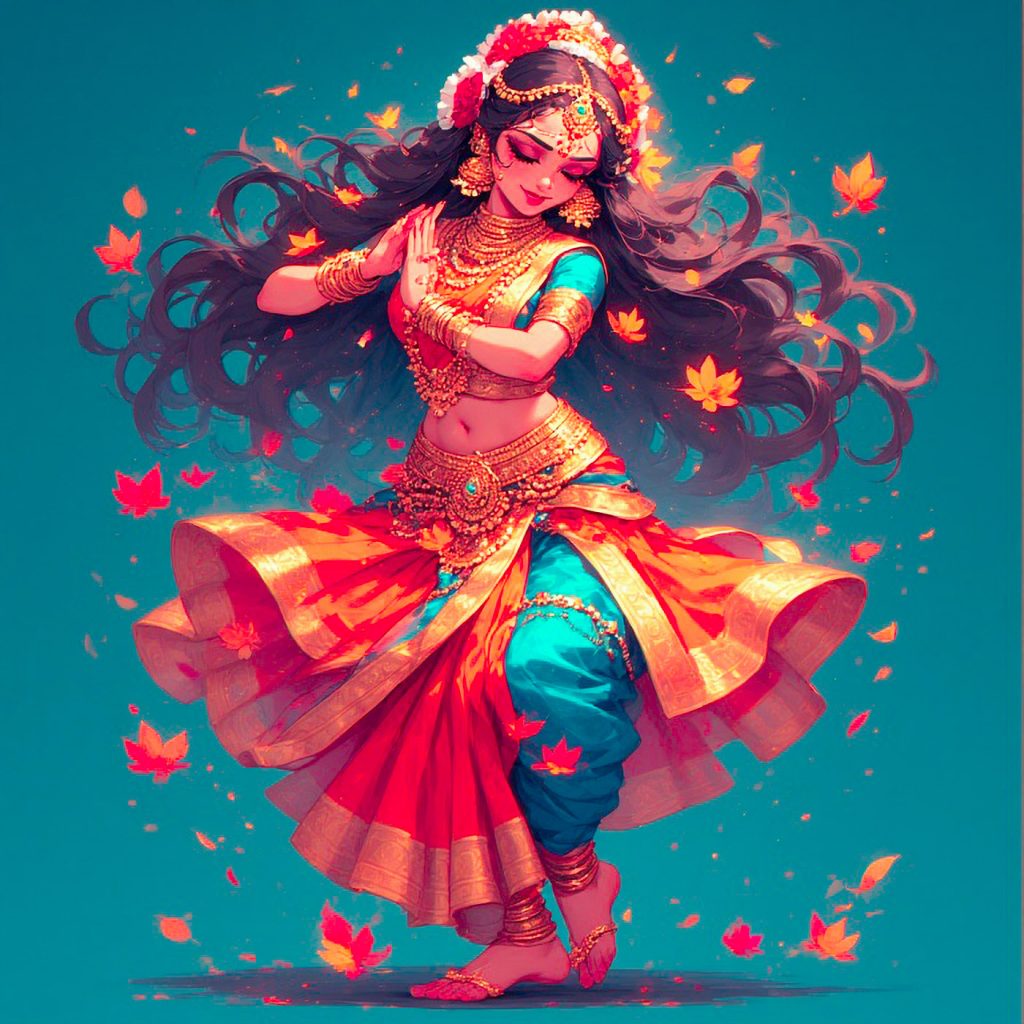
Characteristics of Nritya:
- It focuses on expressing emotions (Rasa) through movements.
- It uses the language of mudras (hand gestures), eye movements, and facial expressions.
- It often tells stories or illustrates moods through a solo or group dancer’s performance.
- Accompanied by music, it creates a mood or theme rather than a detailed spoken story.
Example:
A solo Bharatanatyam dancer performing the “Varnam” (a complex piece in the repertoire) uses Nritya to express a lover’s emotions, with intricate hand gestures and expressive eyes portraying the story.
Nataka and Nritya in the Natya Shastra: Their Relationship
In the Natya Shastra, Natya is described as a composite performance art that includes drama, dance, music, and expression. Within this framework:
- Nataka refers to drama or theatrical play, complete with plot, dialogue, characters, and storytelling. It is the narrative aspect of Natya.
- Nritya refers to expressive dance, which uses gestures (mudras), facial expressions (abhinaya), and body movements to convey emotions, moods, and stories. It is the visual and emotional expression of the narrative.
How They Are Related:
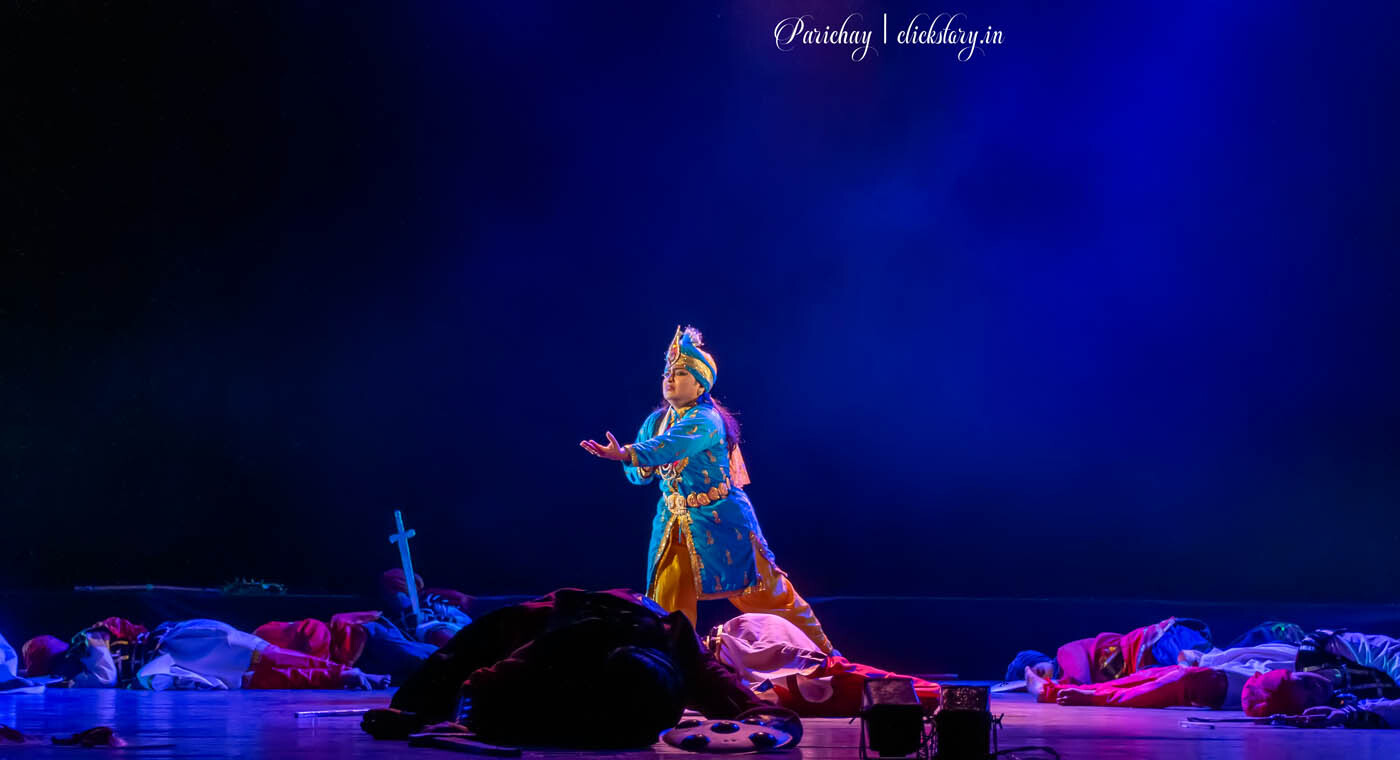
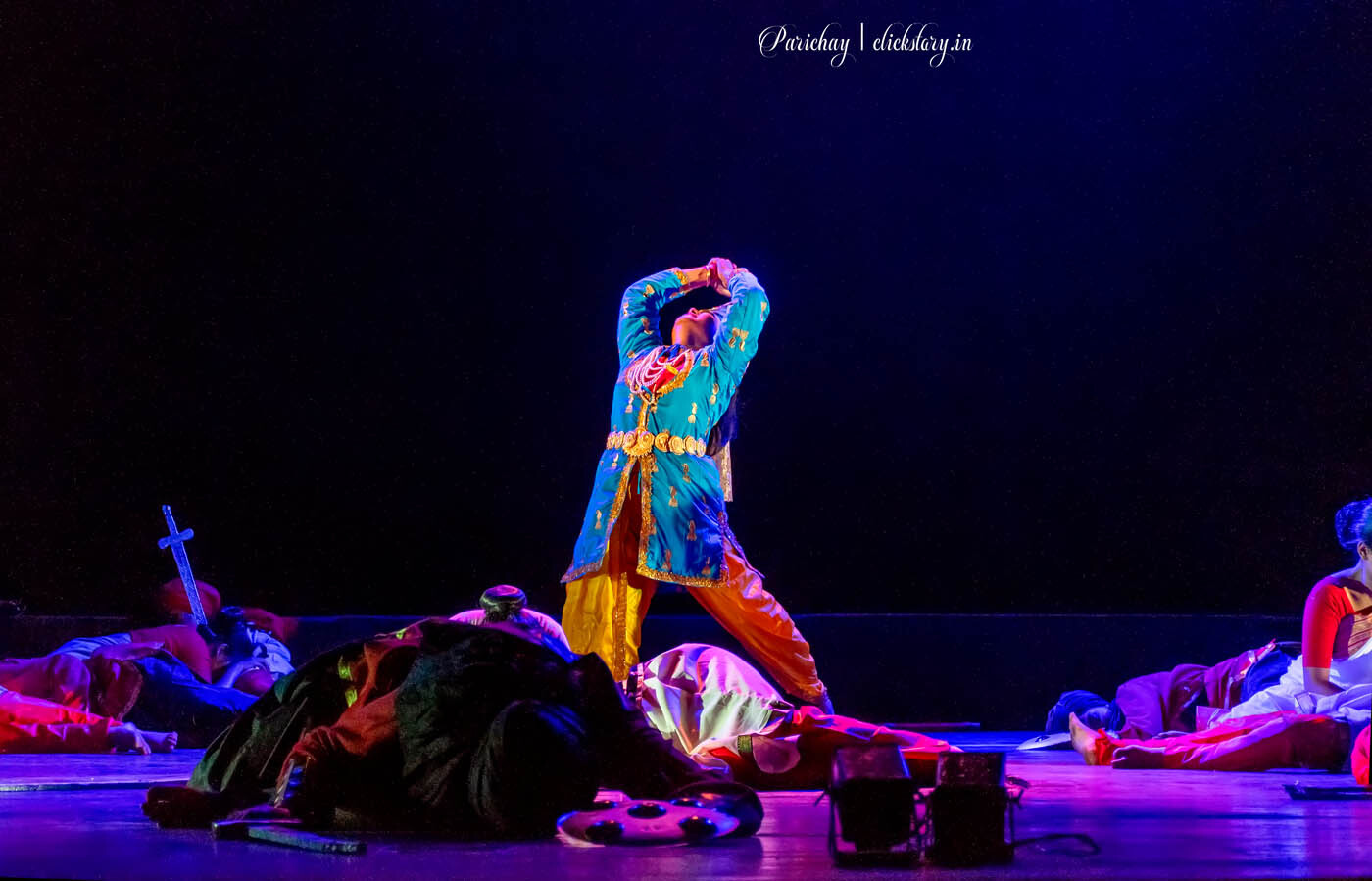
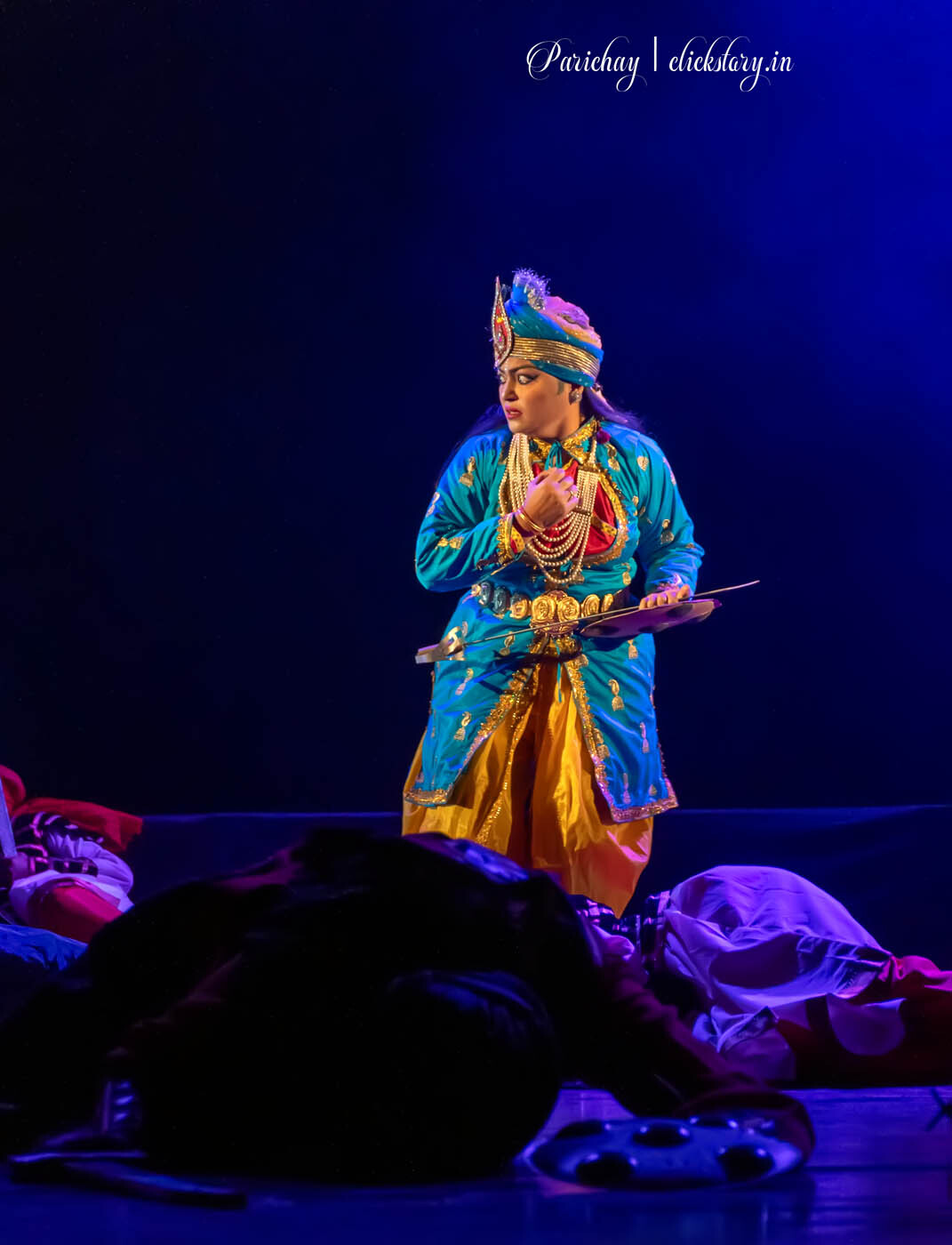
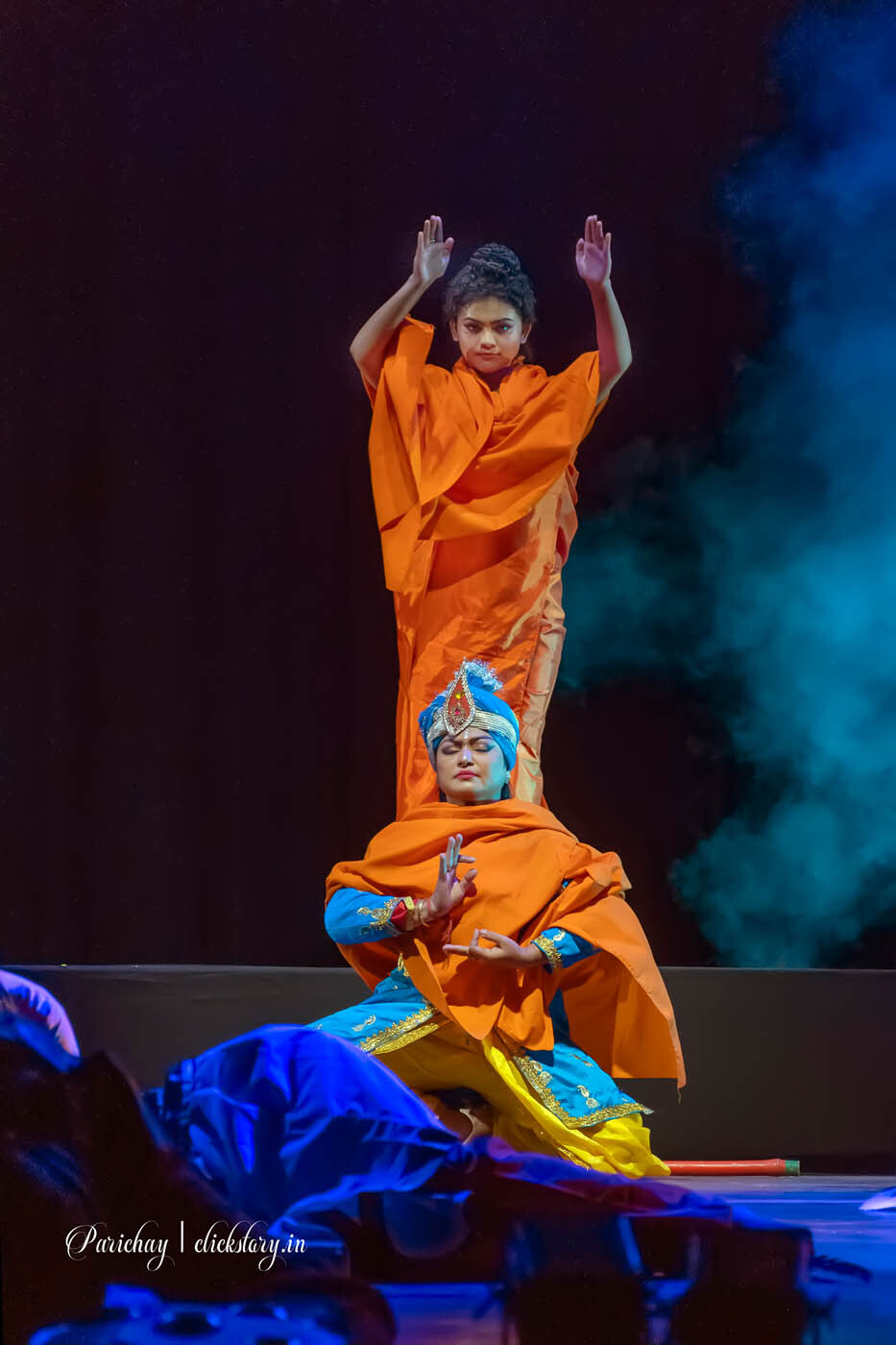
- Nritya enhances Nataka: In classical Indian performance, dance (Nritya) is used to express emotions, emphasize dramatic moments, and embody the characters’ inner experiences in a Nataka. It’s not just decorative — it’s narrative.
- Both aim to evoke Rasa: The ultimate goal of both Nataka and Nritya is to evoke Rasa (emotional essence) in the audience — whether through speech and action (Nataka) or movement and expression (Nritya).
- Unified through Abhinaya: Both forms use Abhinaya (expression) to communicate meaning. In drama, it’s through dialogue and gestures; in dance, through stylized movement and facial expression.
- Scripted together: In many classical Indian performances, scripts written for Nataka often include detailed Nritya sequences, especially in temple and devotional contexts (like in Bharatanatyam or Kathakali).
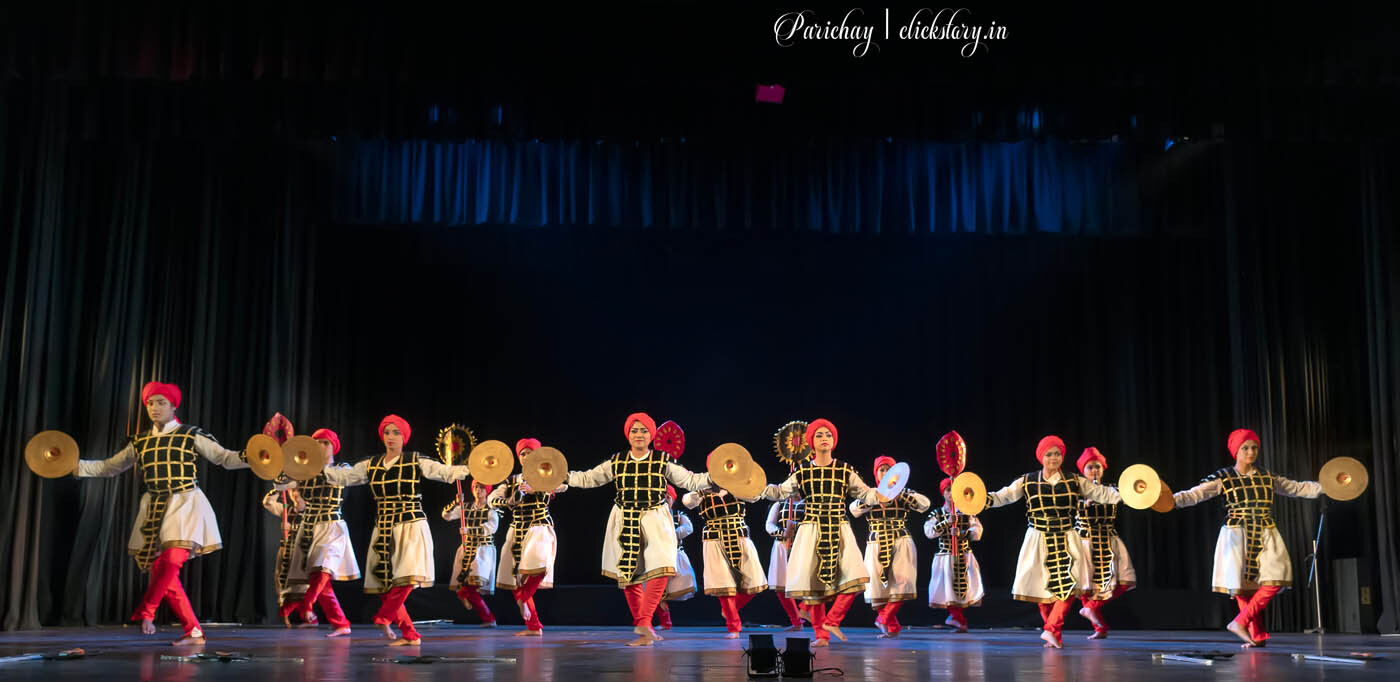
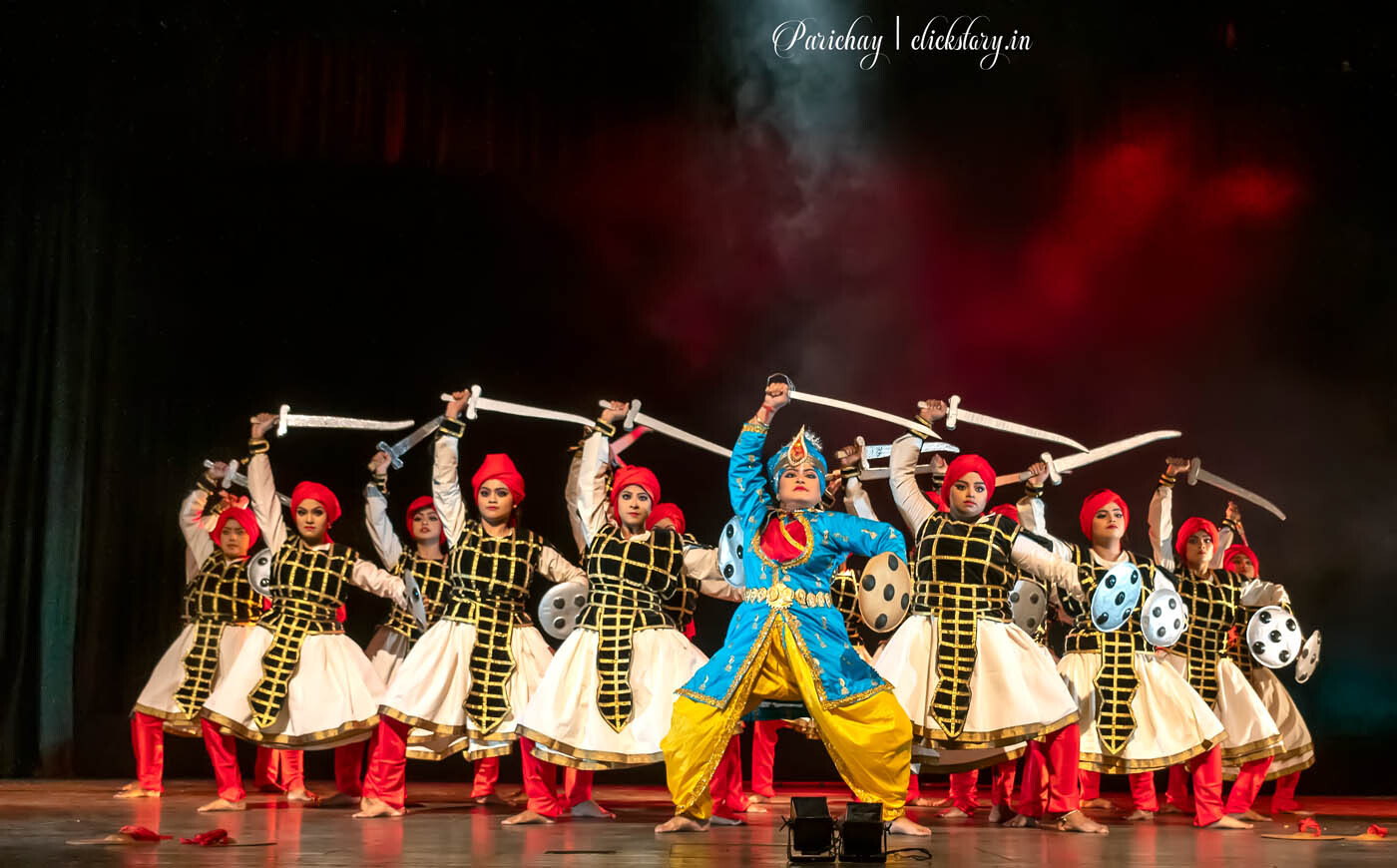
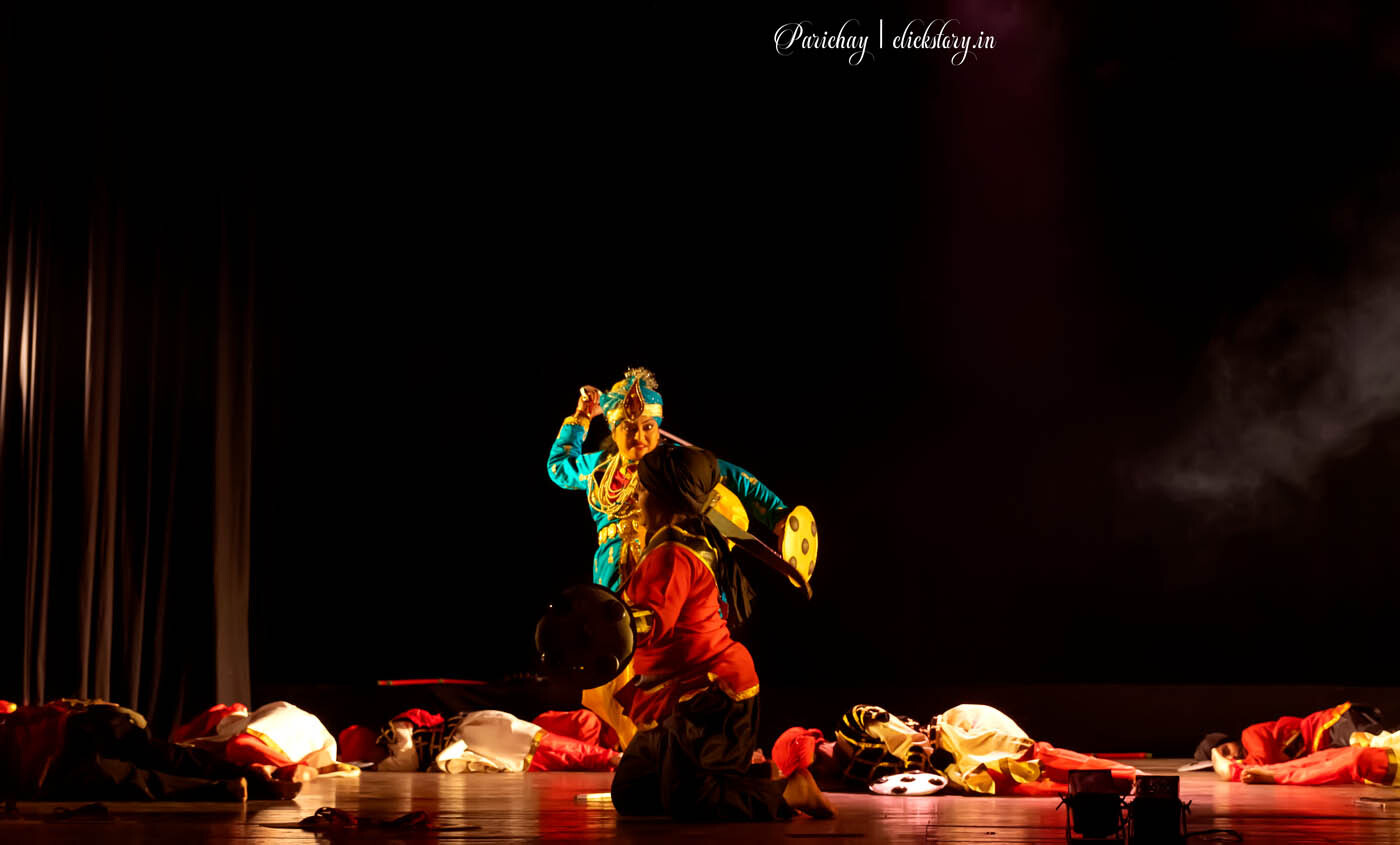
Why are Nataka and Nritya Important?
Nataka (Drama):
It serves as a way to tell stories and convey messages that can educate, inspire, or entertain. It uses words and interactions to bring complex tales to life.
Nritya (Dance):
It adds the emotional depth and beauty through movement and expression, making the narrative vivid and heartfelt. Through Nritya, performers can communicate subtle feelings without speaking.
Together, they create a complete artistic experience where the mind and heart both engage.
Modern Connections & Interpretations
1. In Indian Classical Dance Performances
Modern classical dance forms like Bharatanatyam, Kathakali, Kuchipudi, and Odissi continue to combine Nataka and Nritya, staying true to the Natya Shastra:
- Dancers act out mythological stories using expressive movements (Nritya) and dramatic storytelling (Nataka).
- The Abhinaya (expression) component is used to enact dialogues and emotions, essentially bringing drama into the dance.
2. In Indian Cinema & Theatre
- Indian films, especially in Bollywood and regional cinema, often blend drama and dance seamlessly — a direct legacy of the Natya tradition.
- Think of how a dramatic plot in a movie suddenly transitions into a dance number — this is modern-day Natya, where Nataka and Nritya serve both storytelling and emotional engagement.
- Classical aesthetics like Rasa and Abhinaya are consciously or unconsciously used in acting and choreography to enhance emotional impact.
3. In Contemporary Dance & Fusion
- Modern choreographers blend theatrical elements (Nataka) with movement-based storytelling (Nritya) in contemporary and experimental dance performances.
- Even global platforms like dance-theatre, ballet adaptations, or musicals reflect the Natya Shastra’s holistic vision — where the boundary between dance and drama blurs.
4. In Digital and Online Performance Spaces
- Online dance videos, short films, and social media reels now use expressive dance as narrative tools — a modern expression of Nritya with Nataka-like storytelling in short formats.
- Artists are reviving classical themes and aesthetics using technology while maintaining the essence of classical Indian performance theory.
Why It Still Matters Today
- The integration of mind, body, and emotion — a key idea in the Natya Shastra — is increasingly being appreciated in modern acting and performance schools around the world.
- As performance art becomes more cross-cultural and interdisciplinary, the Natya Shastra’s model of total theatre (Natya = drama + dance + music + expression) is more relevant than ever.
Let’s summing up
The ancient relationship between Nataka and Nritya, as outlined in the Natya Shastra, is alive and evolving. From classical stage to Bollywood, from temple halls to Instagram reels, the blend of drama and dance continues to shape how stories are told and emotions are expressed in the modern world.
- Nataka = Drama, acting, dialogue, storytelling on stage.
- Nritya = Expressive dance, storytelling through movement and gestures.
- Both are intertwined and form the core of Indian performing arts as described in the Natya Shastra.
- They create a rich, emotional, and intellectual experience for the audience.
Next time you watch a classical performance, try to notice how the spoken drama and expressive dance come together to tell a beautiful story — that’s the magic of Nataka and Nritya!
Acknowledgment:
I would like to acknowledge the works of Bharata Muni and scholars such as Manomohan Ghosh, Kapila Vatsyayan, G.K. Bhat, Leela Venkataraman and Ananda Lal whose translations and interpretations of the Natyasashtra have greatly contributed to the understanding of classical Indian theatre and dance. Their research provided the foundational knowledge for this article.
You might like to read >>>
