

Odissi has originated from ancient northern India. The name Odissi refers to the dance style of the state of Orissa in eastern India. Like other classical arts of India, Odissi also face difficulties to survive and by the 1930s and 40s, there were very few surviving practitioners of the art.
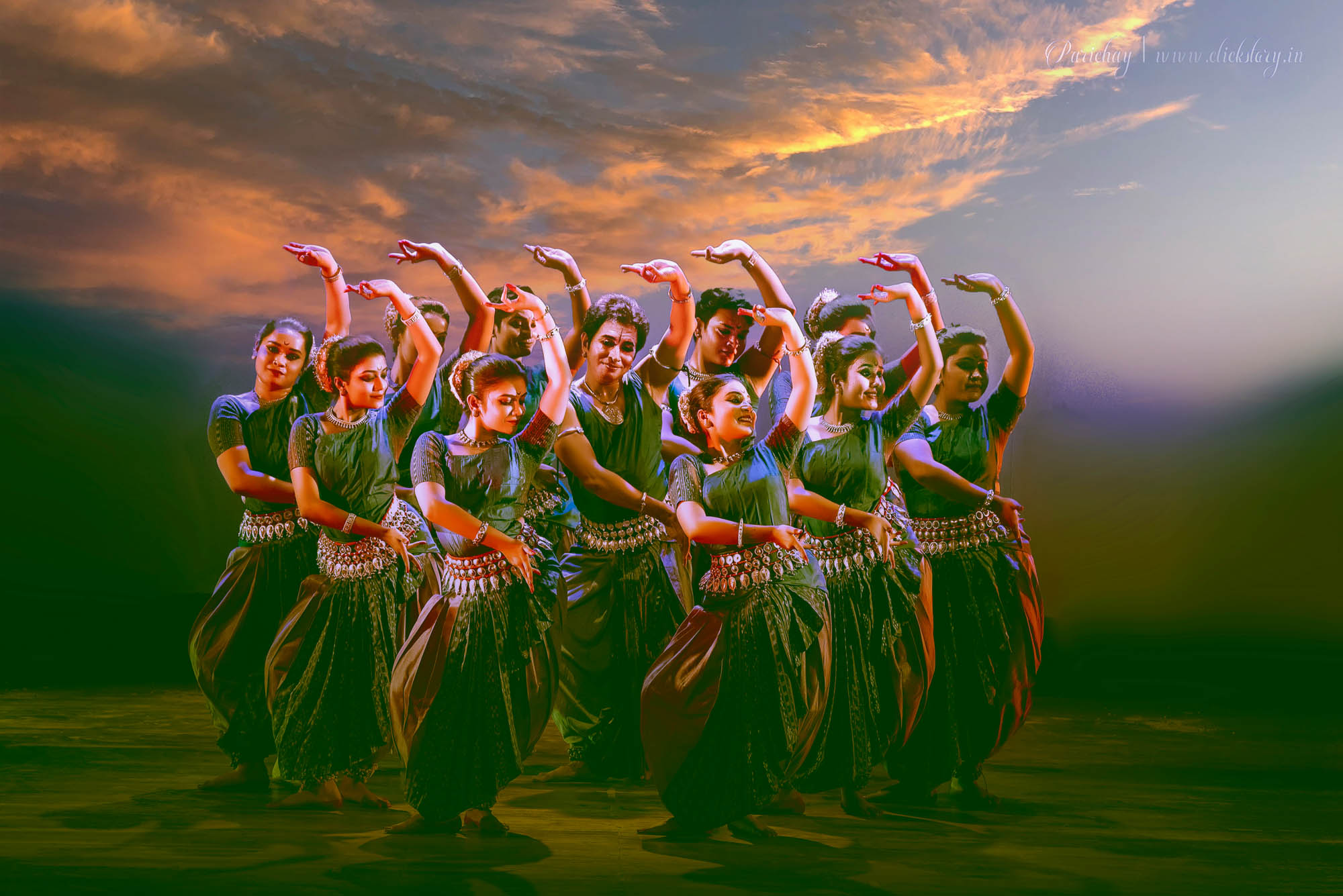
Based on Natya Shastra, Odissi is regarded as one of the oldest surviving dance forms of India, with well-preserved archaeological evidence. It has originated from Orissa, and its history can be traced back to the 2nd century BC. The dance form has been extensively depicted in the sculptures of Brahmeswara temple and Sun Temple at Konark.
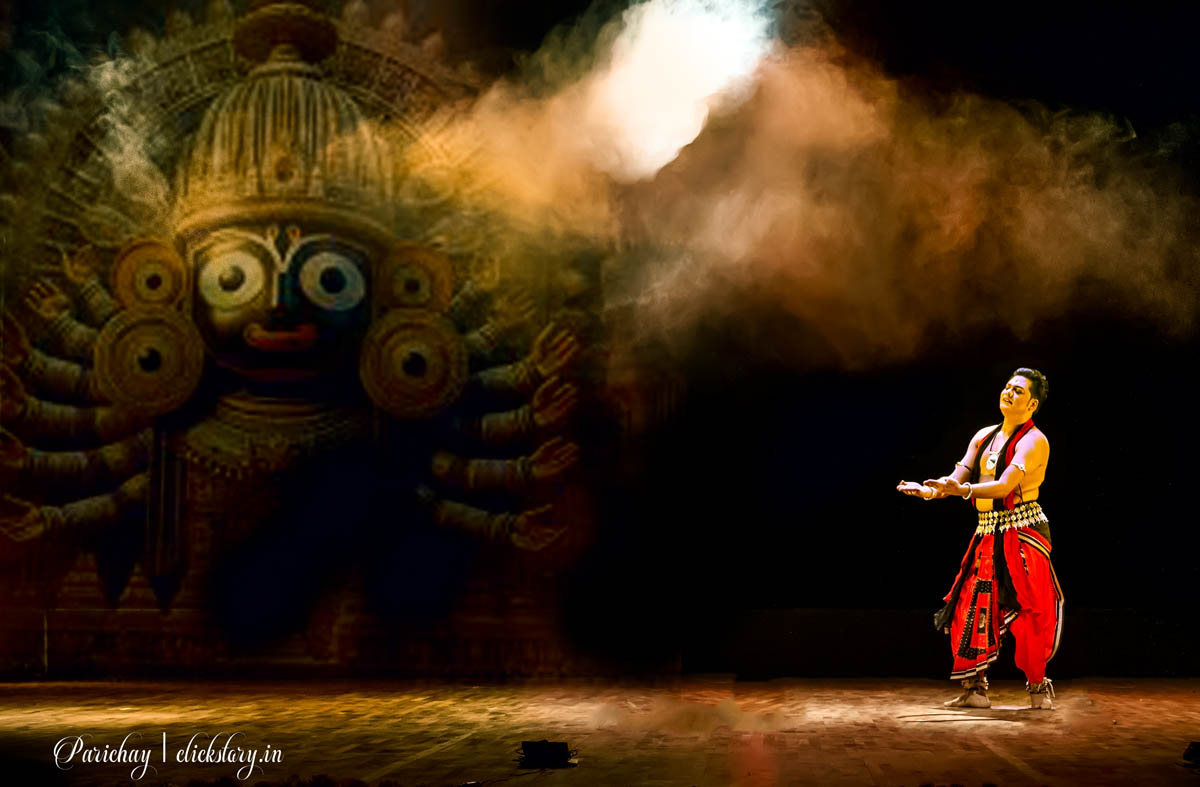
Traditionally, Odissi was performed by Maharis (female temple dancers) who dedicated their lives to serving Lord Jagannath. Later, young boys known as Gotipuas continued the tradition outside temple premises. After a decline during the colonial period, Odissi was revived in the mid-20th century by dedicated gurus and scholars who reconstructed the technique based on temple sculptures, ancient texts, and surviving traditions.
The current form of Odissi is the product of a 20th century revival. Over the years Odissi has become one of the most popular classical dance styles.
Facets of Odissi dance
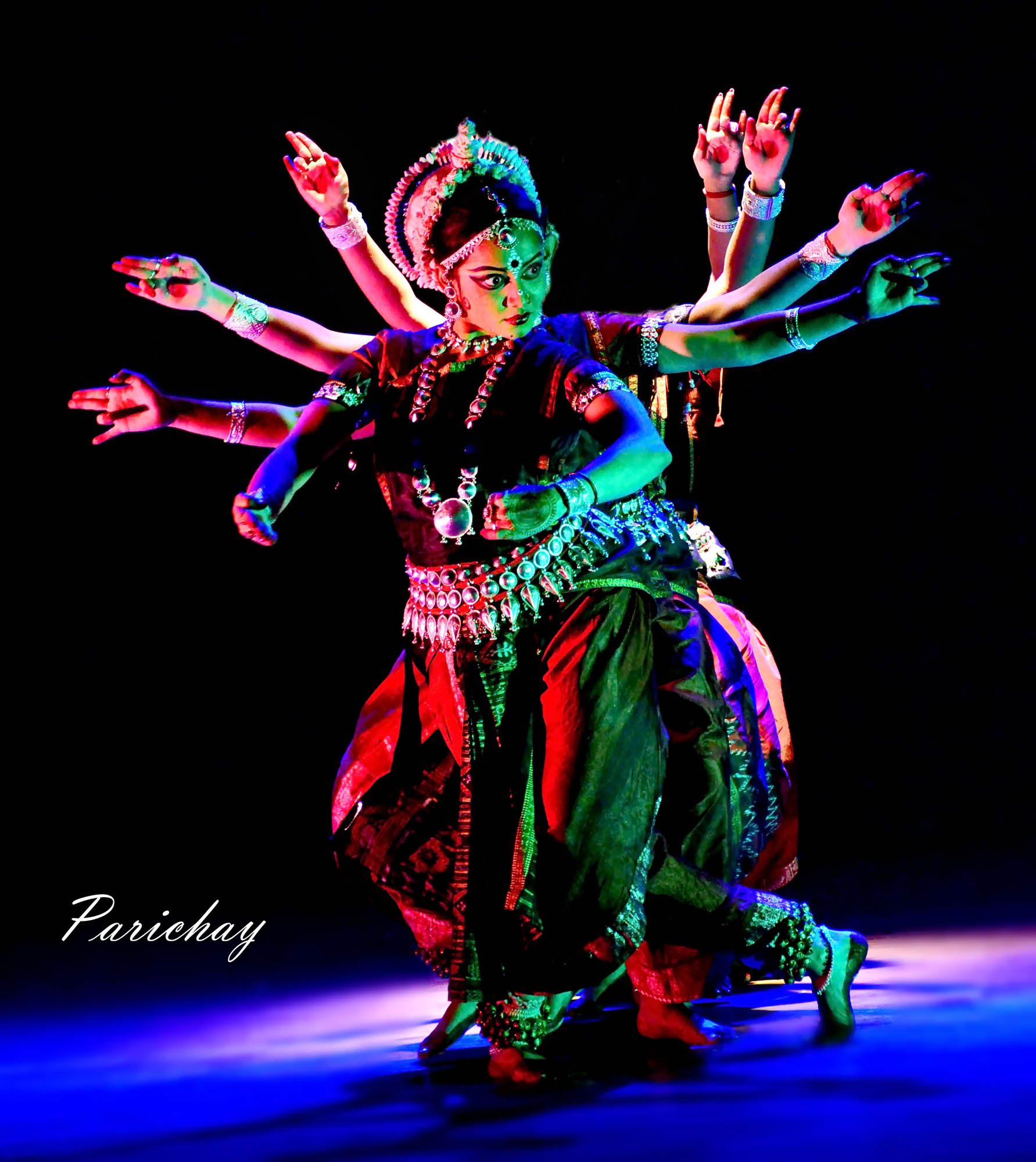
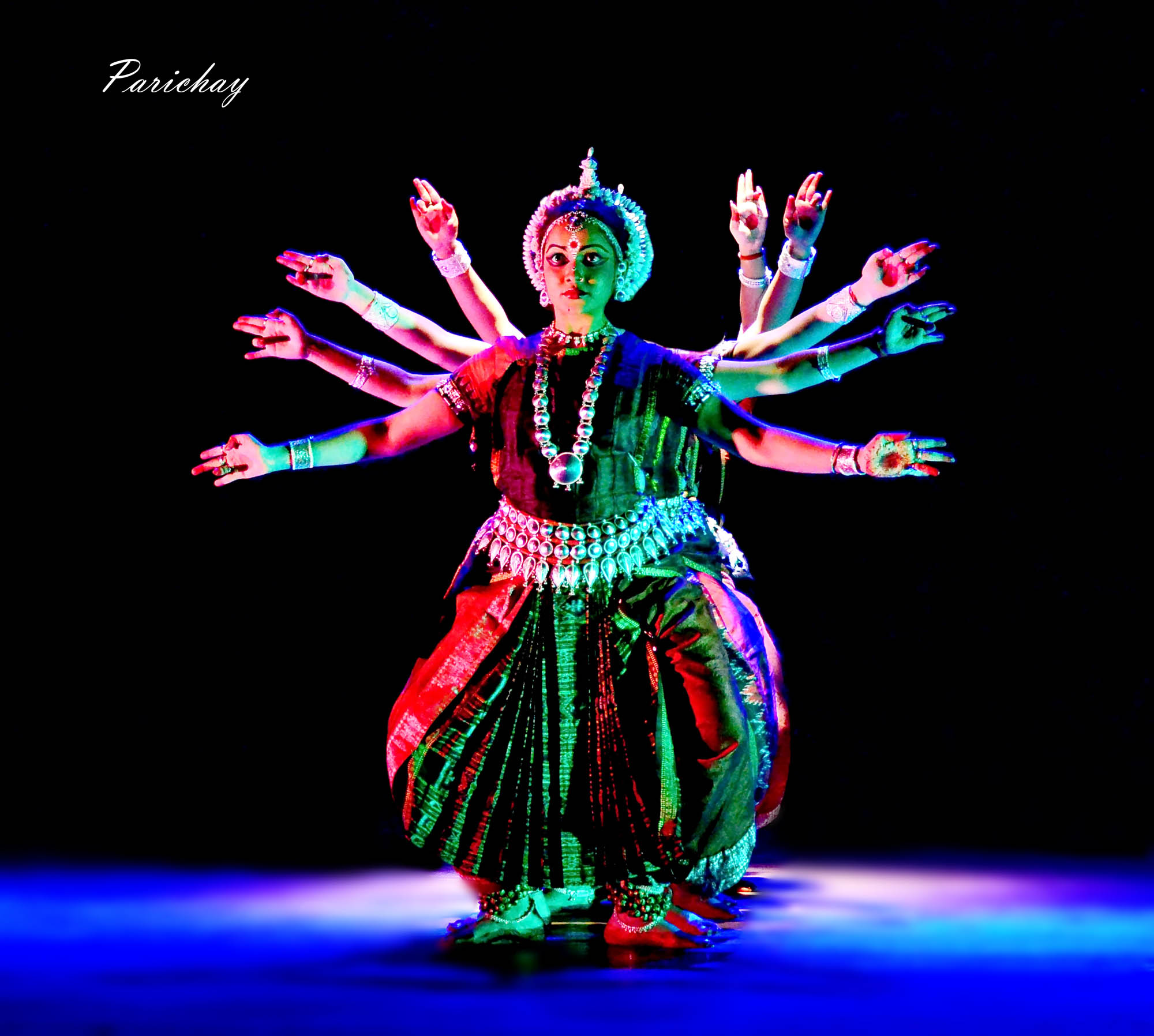
Like other Indian classical dance forms, Odissi has two major facets: Nritta or non-representational dance, in which ornamental patterns are created using body movements in space and time; and Abhinaya, or facial expressions are used to interpret a story or theme.

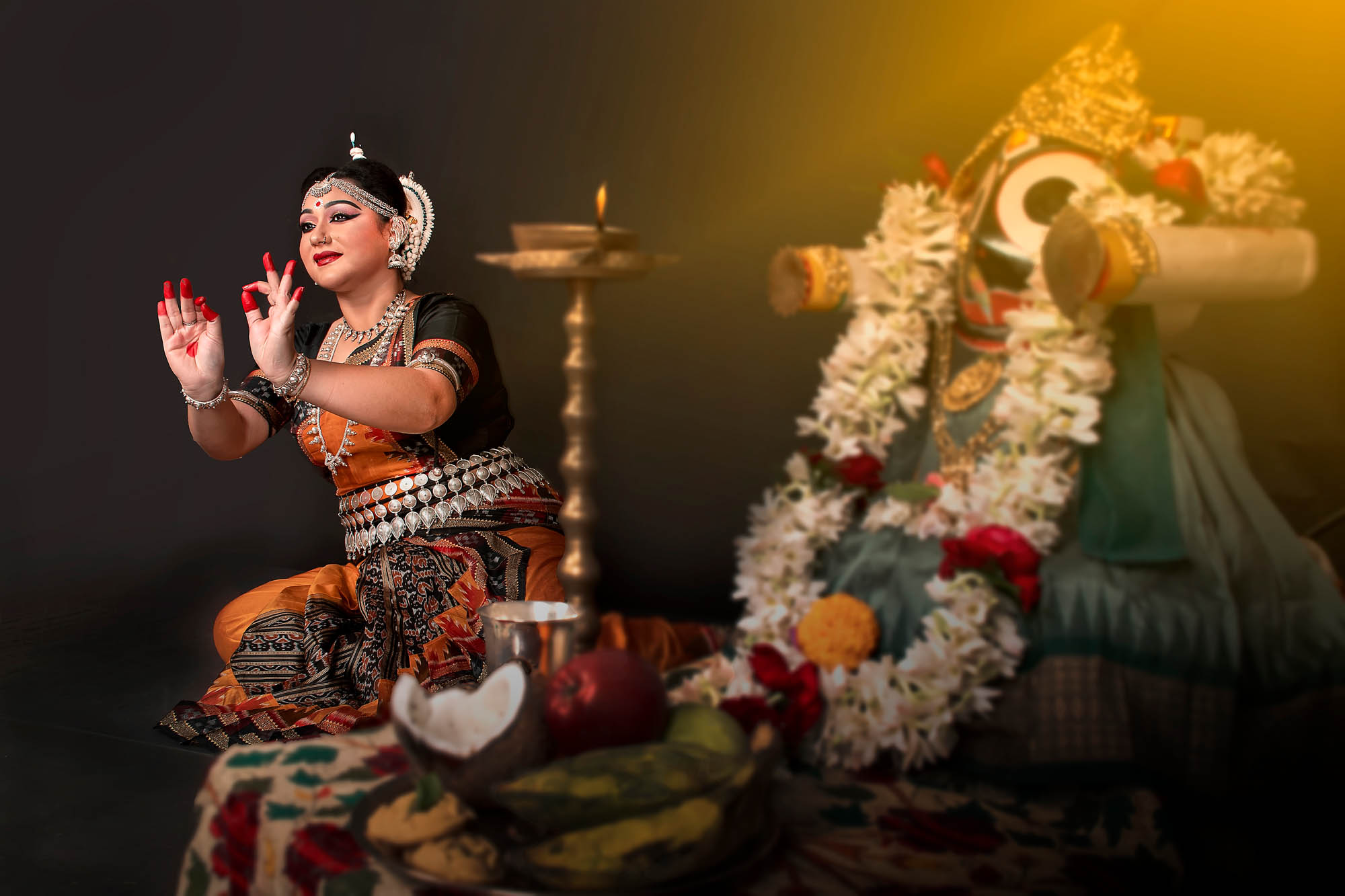
The divine love tales of Radha and the cowherd God Krishna are favourite themes for interpretation, and a typical recital of Odissi will contain at least one or two ashtapadis (poem of eight couplets) from Jayadeva’s Gita Govindam, which shows the complex relationship between Radha and her Lord.
Unique Features of Odissi
Odissi stands out among Indian classical dances for its distinctive style:
1. Tribhangi Posture
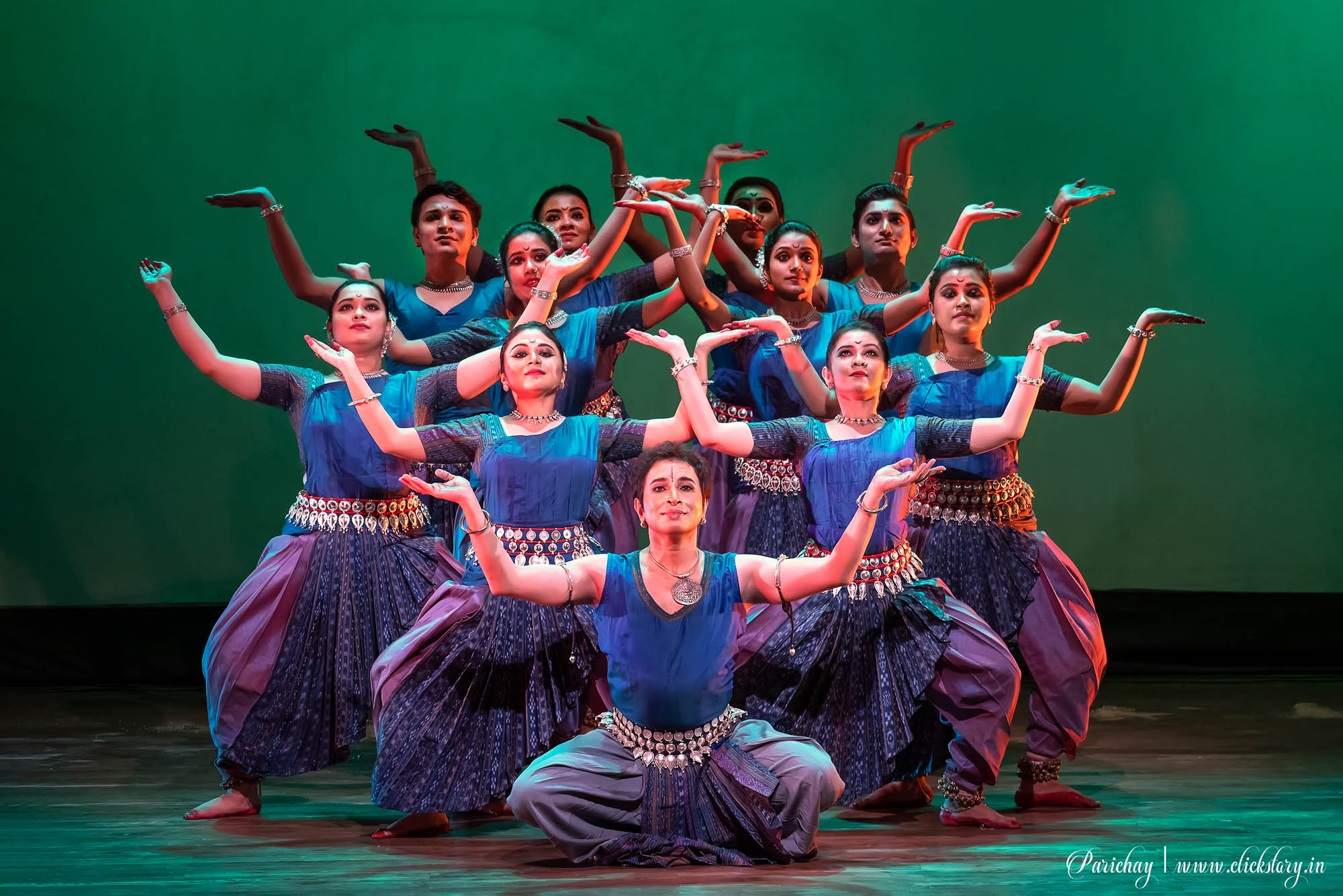
The most iconic element of Odissi is the Tribhangi, a three-bend posture where the body is bent at the head, torso, and knee. This creates a sensuous S-shaped curve that resembles temple sculptures.
2. Chauka
The Chauka stance symbolizes Lord Jagannath and represents strength and stability. It forms the basic square position in Odissi technique.
3. Expressive Abhinaya
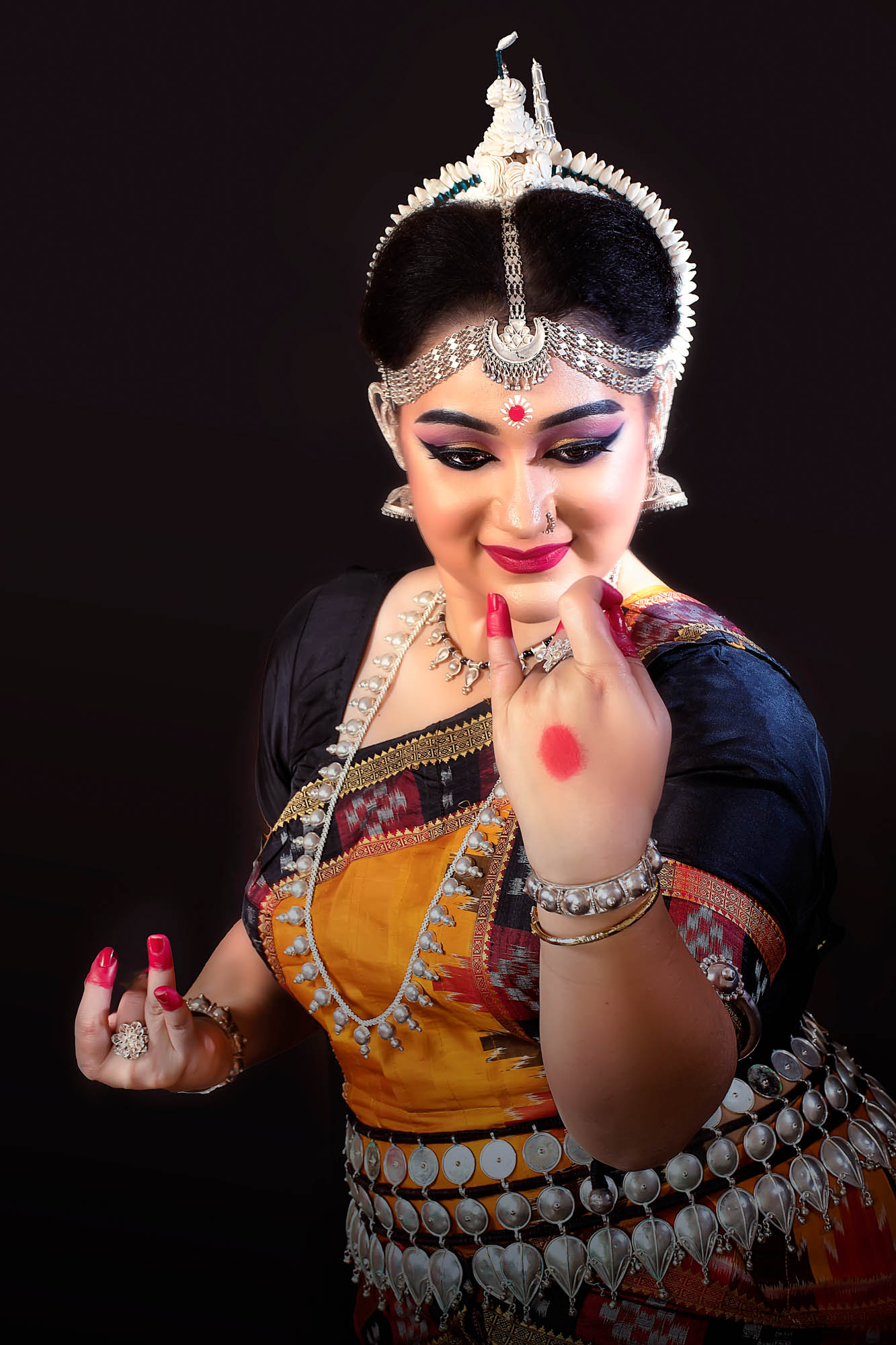
Odissi places strong emphasis on abhinaya (facial expression and storytelling). Dancers use intricate hand gestures (mudras), eye movements, and facial expressions to narrate mythological stories, especially from Hindu scriptures.
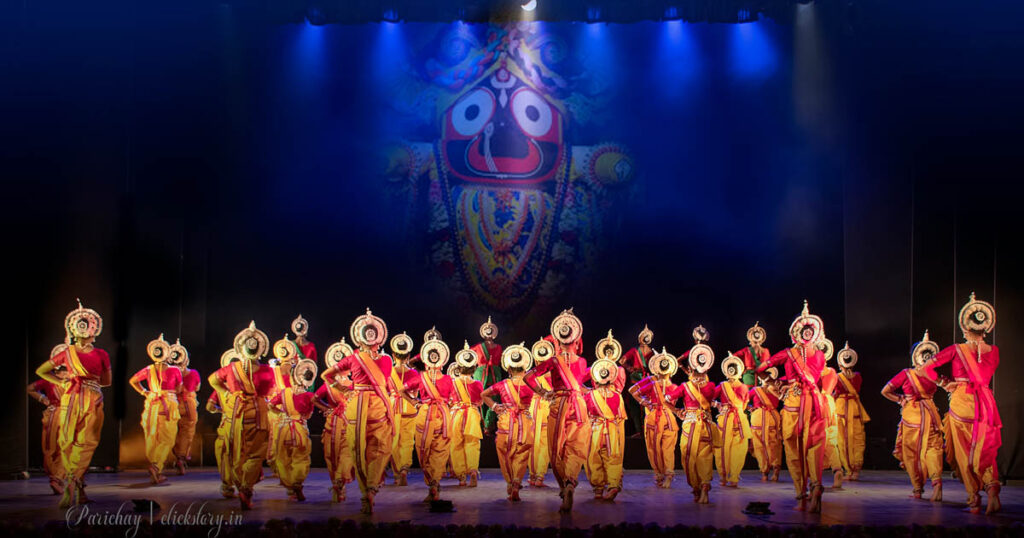
Music and Costume
Odissi performances are accompanied by Odissi classical music, which has its own distinct identity. The primary percussion instrument used is the Mardala, along with flute, violin, and sitar.
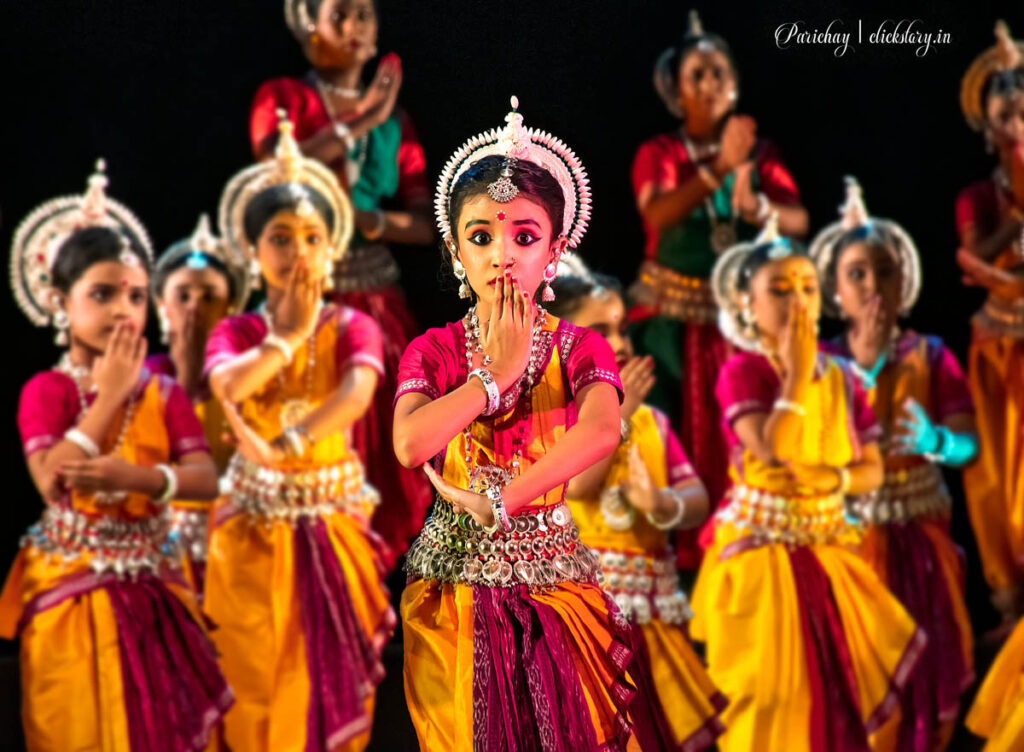
The costume is elegant and traditional:
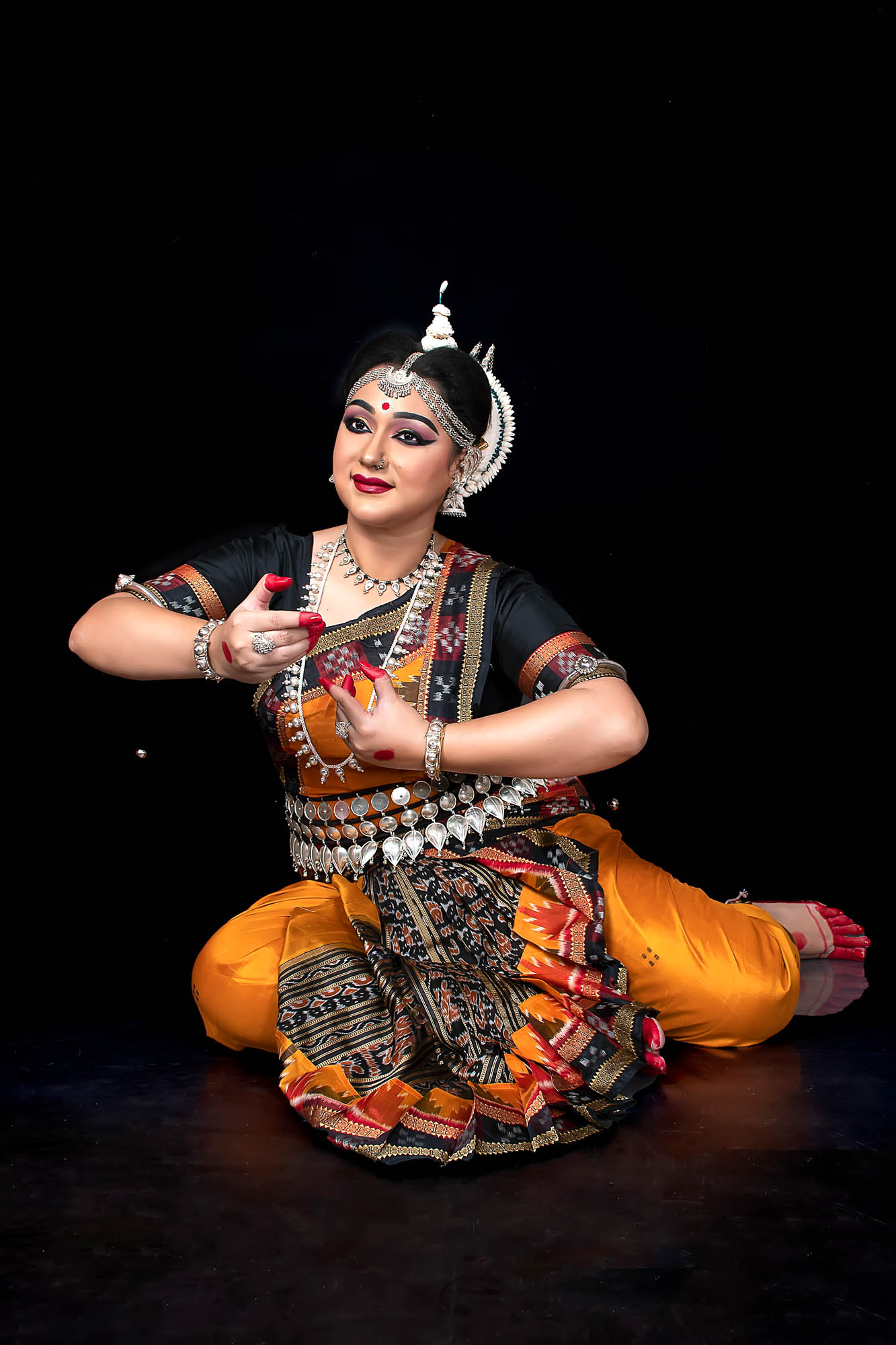
- Bright silk sarees with intricate borders
- Silver jewelry unique to Odisha
- A decorative headpiece called the mukut, inspired by temple architecture
The overall appearance enhances the dance’s sculptural beauty.
Themes and Repertoire
Odissi compositions often revolve around devotion (bhakti), love, and mythology. Many performances depict stories of Lord Krishna and Radha, inspired by the classical Sanskrit poem Gita Govinda by Jayadeva.
A traditional Odissi recital usually includes:
- Mangalacharan (invocation)
- Batu Nritya (pure dance)
- Pallavi (melodic elaboration through movement)
- Abhinaya (expressional dance)
- Moksha (liberation or spiritual conclusion)
Cultural Significance
Odissi is not merely a performance art; it is a spiritual practice. It reflects devotion, discipline, and artistic excellence. Today, Odissi is performed on national and international stages and is recognized as one of India’s nine classical dance forms.
Renowned gurus and dancers have carried Odissi across the world, ensuring that this ancient tradition continues to thrive in modern times.
Conclusion
Odissi is a beautiful blend of grace, rhythm, and devotion. With its sculptural poses, expressive storytelling, and deep spiritual roots, it remains a proud symbol of India’s rich cultural heritage. Through centuries of change and revival, Odissi continues to enchant audiences and preserve the artistic soul of Odisha.
Frequently Asked Question (FAQs)
What is Odissi dance?
Odissi is one of the eight classical dance forms of India, originating from Odisha. It is known for its graceful movements, Tribhangi posture, expressive storytelling (abhinaya), and devotional themes.
2. What is the origin of Odissi dance?
Odissi originated in the temples of Odisha more than 2,000 years ago. It was traditionally performed by Maharis (temple dancers) at the Jagannath Temple in Puri.
3. What are the main features of Odissi dance?
The key features of Odissi include:
- Devotional storytelling based on Hindu mythology
- Tribhangi posture (three-bend body position)
- Chauka stance (symbol of strength)
- Expressive facial gestures (abhinaya)
4. How is Odissi different from Bharatanatyam?
While both are classical Indian dances, Odissi is softer and more lyrical, characterized by curved movements and Tribhangi posture. Bharatanatyam, from Tamil Nadu, is more geometric and emphasizes strong linear movements.
5. What is the costume of Odissi dance?
Odissi dancers wear traditional silk sarees from Odisha, silver jewelry, and a decorative headpiece called a mukut. The costume reflects temple sculpture aesthetics.
6. What are the basic steps in Odissi dance?
The foundational elements include:
- Mudras (hand gestures)
- Chauka (square stance)
- Tribhangi (three-bend posture)
- Basic footwork patterns
7. What are the stages of an Odissi performance?
A traditional Odissi recital includes:
- Moksha (conclusion)
- Mangalacharan (invocation)
- Batu Nritya
- Pallavi
- Abhinaya
8. Who is the founder of Odissi dance?
Odissi is an ancient temple dance form and does not have a single founder. However, modern revival is credited to gurus like Kelucharan Mohapatra and Pankaj Charan Das in the 20th century.
9. What is Tribhangi in Odissi?
Tribhangi is a signature Odissi posture where the body is bent at three points — head, torso, and knee — forming an elegant S-shaped curve.
10. Why is Odissi dance important?
Odissi preserves ancient Indian temple traditions, devotional poetry like Gita Govinda, and the cultural heritage of Odisha. It is recognized as one of India’s major classical dance forms.

Odissi beautifully showcases graceful movements, expressive storytelling, and India’s rich classical dance heritage.