

Bird photography is one of the most exciting and rewarding genres of nature photography. It combines patience, observation, technical skill, and a deep love for wildlife. Whether you are a beginner picking up a camera for the first time or a professional photographer looking to refine your craft, bird photography always offers something new to learn.
Understanding Bird Photography
Bird photography is all about capturing birds in their natural environment. This can include birds sitting calmly on a branch, flying across the sky, feeding, preening their feathers, or interacting with other birds. Each moment tells a story. A novice may start by photographing common birds like sparrows, pigeons, or crows in a local park, while professionals may travel to forests, wetlands, or sanctuaries to photograph rare or migratory species.
Observing Bird Behavior
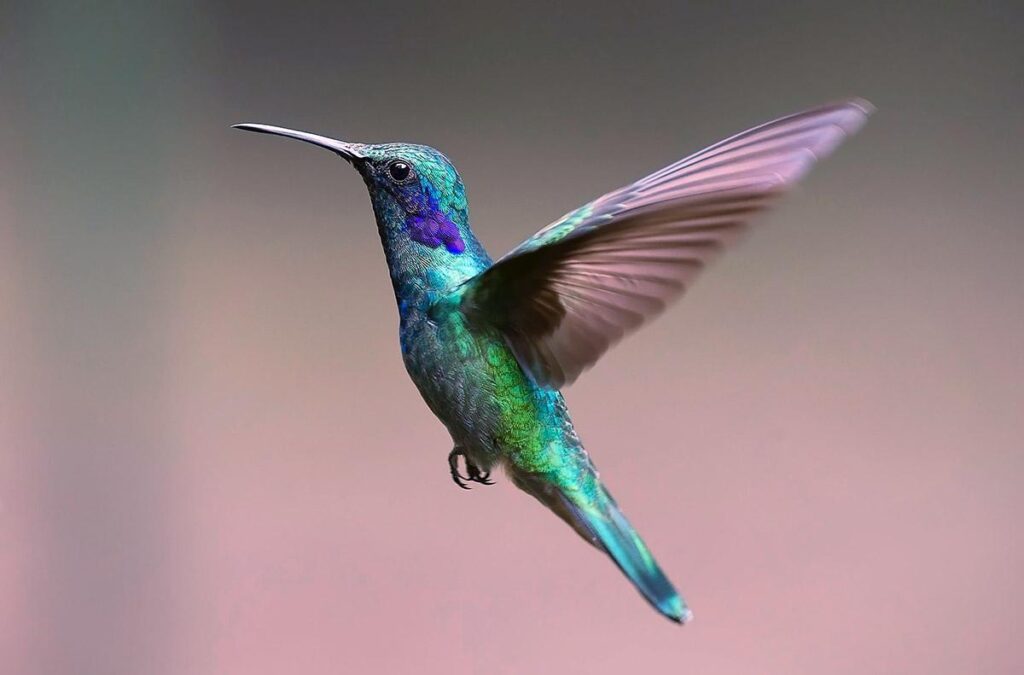
One of the most important skills in bird photography is observation. Birds have habits and patterns. For example, kingfishers often return to the same perch after diving for fish, herons stand still for long periods before striking prey, and small birds like sunbirds frequently visit flowering plants. Understanding these behaviors helps you anticipate moments instead of reacting too late.
For beginners, simply watching birds without a camera can be a great learning exercise. Professionals take this further by studying bird behavior, seasons, and migration patterns to plan their shoots.
Light and Timing
Light plays a crucial role in bird photography. Early morning and late evening are the best times because the light is soft and warm. For example, photographing a bird during sunrise can create a beautiful golden glow on its feathers, while sunset light can produce dramatic silhouettes of birds in flight.
Harsh midday light often creates strong shadows, which can hide feather details. However, experienced photographers may use this light creatively, such as capturing high-contrast images of birds against a bright sky.
Composition and Background
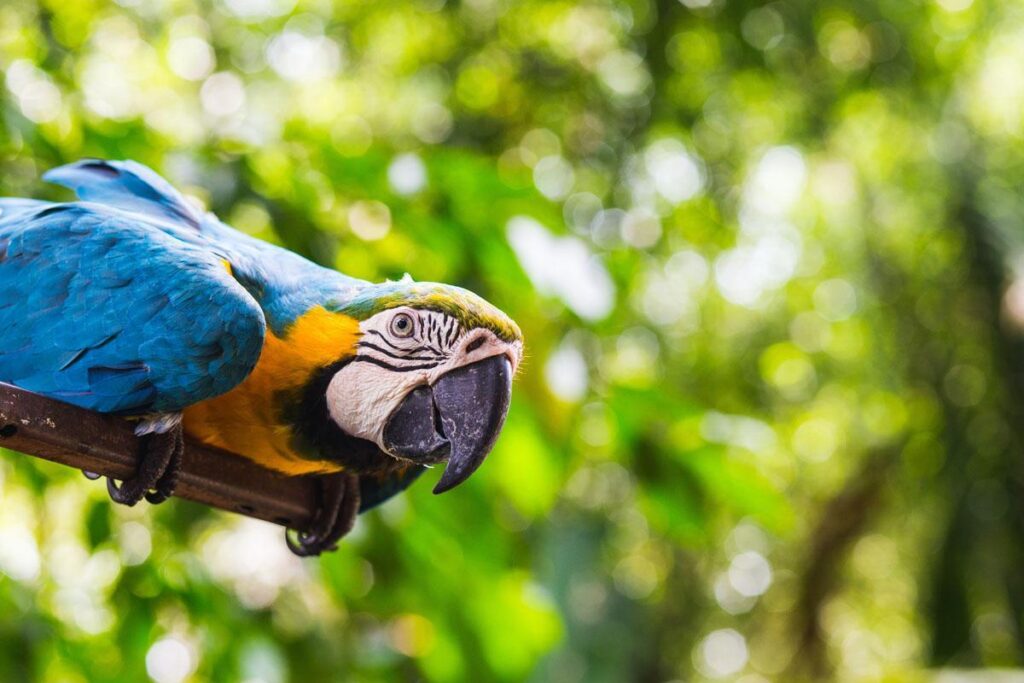
A good bird photograph is not just about the bird—it’s also about the background. A clean, uncluttered background helps the bird stand out. For example, photographing a bird perched against a distant green forest can create a smooth, blurred background, while a busy background with branches and wires can distract the viewer.
Beginners should try to change their shooting angle by moving slightly left, right, or lower. Professionals often wait patiently for the bird to move into a perfect position where the background complements the subject.
Focus, Sharpness, and Motion
Sharp focus on the bird’s eye is essential. The eye brings life to the photograph. When photographing a sitting bird, keeping the bird sharp and the background blurred creates a pleasing result. In flight photography, capturing a sharp bird with motion in the wings adds energy and drama.
For example, freezing the wings of an eagle mid-flight shows power and detail, while slightly blurred wings of a pigeon taking off can convey motion. Master photographers choose their settings intentionally based on the story they want to tell.
Equipment and Practice
While professional photographers often use long telephoto lenses, beginners should not feel limited by equipment. Many great bird photographs are taken with basic cameras or even smartphones by focusing on composition, light, and timing. Practicing regularly in nearby parks, lakes, or gardens is more important than having expensive gear.
Professionals refine their skills by experimenting with different lenses, camera settings, and techniques, but they continue to rely on patience and persistence just like beginners.
Ethics and Respect for Nature
Bird photography should always be done ethically. Never disturb birds, especially during nesting seasons. Avoid chasing or scaring them for a photograph. A good bird photographer respects nature and captures moments without causing harm.
Tips on Bird Photography (Novice to Pro)
1. Start with Common Birds
If you are new to bird photography, begin with birds that are easy to find. Sparrows, pigeons, crows, mynas, and parrots are great subjects. Photographing familiar birds helps you practice focus, composition, and timing without pressure.
2. Shoot Early in the Morning
The best time for bird photography is early morning. Birds are more active, and the light is soft and warm. Morning light brings out feather details and natural colors. Late evening is also good, especially for silhouettes and golden-hour shots.
3. Focus on the Eyes
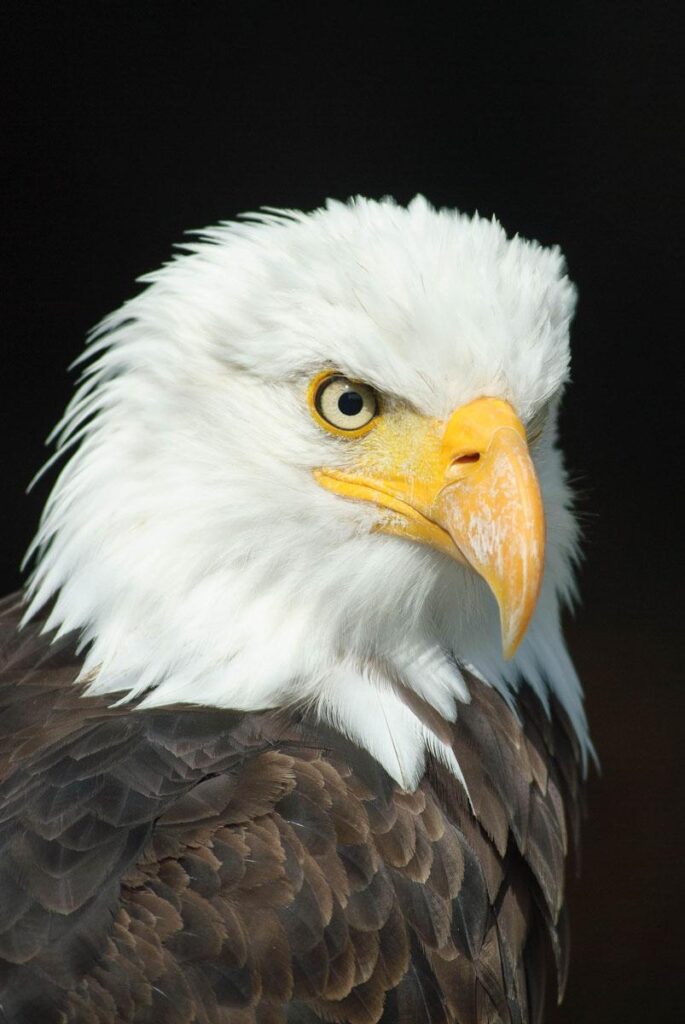
Always try to keep the bird’s eye sharp. A clear eye makes the photograph look alive and engaging. Even if the wings or tail are slightly blurred, a sharp eye can make the image strong and impactful.
4. Use a Clean Background
Pay attention to what is behind the bird. A simple, distant background helps the bird stand out. For example, photographing a bird against the sky, water, or far-away trees creates a smooth and pleasing background.
5. Be Patient and Observe
Bird photography requires patience. Instead of chasing birds, stay still and let them come to you. Watch their behavior—many birds return to the same perch or feeding spot. Professionals often wait for long periods to capture one perfect moment.
6. Get Eye-Level Shots
Photographs look more natural when taken at the bird’s eye level. Try to lower yourself or change your angle. Shooting from eye level creates a stronger connection between the viewer and the bird.
7. Capture Action and Behavior
Don’t limit yourself to sitting birds. Try to capture birds flying, feeding, bathing, or interacting with others. For example, a bird spreading its wings, feeding its chicks, or taking off from water adds storytelling to your images.
8. Practice Flight Photography
Birds in flight can be challenging but very rewarding. Start with larger birds like pigeons, eagles, or herons. Use continuous focus and burst mode to increase your chances of getting a sharp shot.
9. Respect Birds and Nature
Never disturb birds for a photograph. Do not touch nests, use loud noises, or chase birds. Ethical photography builds trust with wildlife and ensures their safety. A good bird photographer always respects nature.
10. Practice Regularly
The more you practice, the better you become. Visit nearby parks, lakes, wetlands, or gardens often. Even professionals keep practicing improving their timing, composition, and understanding of bird behavior.
Recommended Cameras & Lenses
Here are some camera and lens recommendations for bird photography that work well from beginner to pro levels. For bird photography, a good camera body plus a telephoto lens (with long reach like 300–600 mm) makes the biggest difference in getting clear, detailed shots of distant birds.
Beginners (Easy to Start & Budget-Friendly)
- Canon EOS R100 Mirrorless Camera
A simple, user-friendly mirrorless camera with good image quality. Great as a first camera for bird photography and everyday use. An affordable choice to learn autofocus and exposure basics. - Canon EOS M200 Mirrorless Camera
Compact and easy to use, especially with the included 55-200 mm lens. The zoom range gives decent reach for birds in gardens and parks. - Nikon Z50II Mirrorless Camera Kit
A step up for beginners ready to explore bird photography more seriously. It offers good autofocus and sensor quality, and pairs well with telephoto zoom lenses later on.
Enthusiast / Mid-Level (More Control & Better Performance)
- Sony α6500 Mirrorless Camera
A solid APS-C mirrorless choice with fast autofocus and good burst mode. Pair this with a telephoto lens (like 70-350 mm or 100-400 mm) for excellent bird shots. - Sony ZV‑E10L Mirrorless Camera
A versatile mirrorless camera with good autofocus and video features too. Works well with Sony E-mount telephoto lenses for birds.
Tips for Lenses (Most Important Part)
For bird photography, lenses matter even more than the camera body:
- Telephoto zoom lenses like 100-400 mm or 150-600 mm give the reach you need to fill the frame with distant birds.
- Prime telephoto lenses (like 400 mm, 500 mm or 600 mm) deliver great sharpness and low-light performance but cost more.
- On crop-sensor bodies (like APS-C) for example Nikon D500, the effective focal length becomes longer (e.g., a 300 mm lens behaves like ~450 mm) which is helpful for bird photography without spending too much.
Professional & Advanced Options (For Serious Work)
If you want to go further (beyond the beginner phase):
- Full-frame mirrorless bodies like Sony a7 III / a1, Nikon Z8, or Canon R6 Mark II are excellent for fast autofocus and bird tracking.
- Pair them with long telephoto zooms (100-500 mm, 200-600 mm) or prime telephoto lenses for crisp detail even at a distance.
Quick Advice for Choosing Gear
- A good lens with long reach matters more than a super-expensive camera body.
- For beginners, a kit with 55-200 mm or similar telephoto zoom is a great starting point.
- As you grow, upgrade to a longer zoom (e.g., 100-400 mm or 150-600 mm) for sharper bird photos.
Final Thought
Bird photography is a journey that grows with experience. For beginners, it opens the door to understanding nature and learning photography basics. For professionals, it remains a challenging and deeply satisfying art form. With patience, observation, and practice, every photographer—novice or expert—can create meaningful images that celebrate the beauty and life of birds.
Some practical bird photography tips that are useful for both beginners and professional photographers.
